Locate Our Store
 +971 562162730
 AED
AED SAR
SAR KWD
KWD QAR
QAR BHD
BHD OMR
OMR


Magnetic vs Water vs Air Rowers – Which Is Best for a Home in the UAE?
Introduction
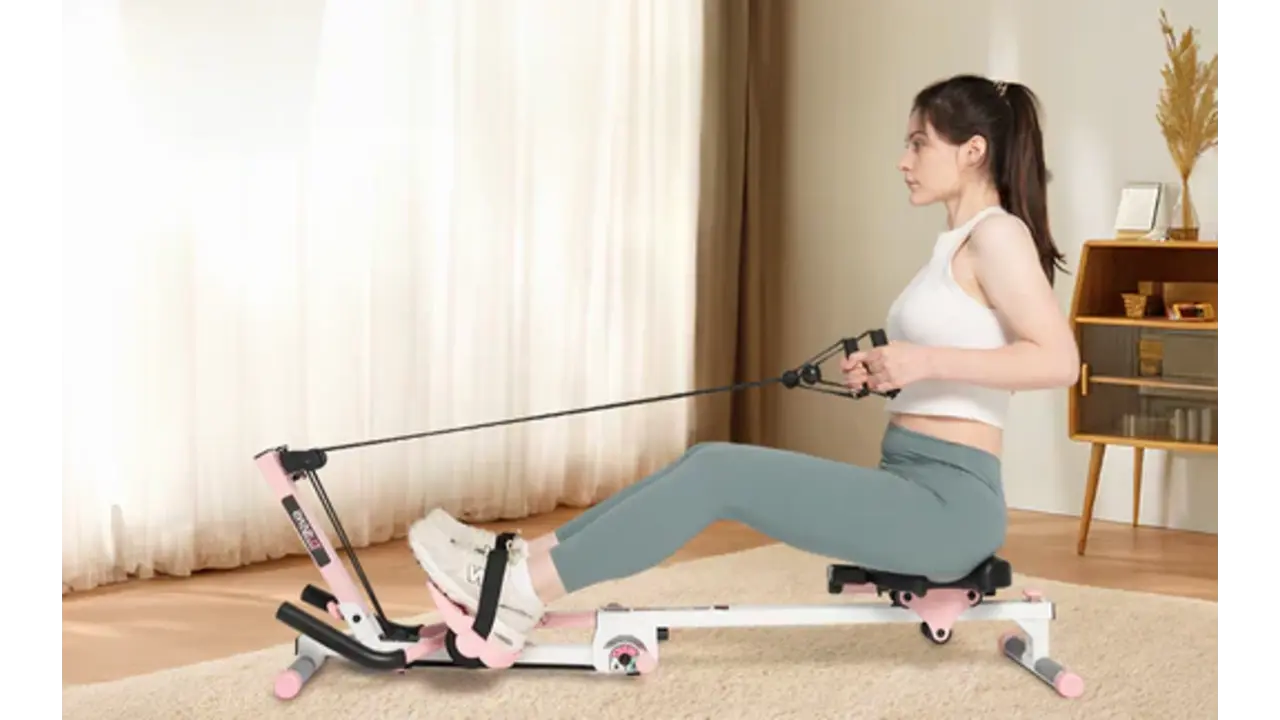
Indoor rowing machines have become a staple in many UAE homes, favored for their space-efficient design and full-body training benefits. The region’s mix of apartment living, villa layouts and varied climate conditions makes the choice between magnetic, water and air resistance especially significant. Each resistance system shapes noise levels, stroke feel, long-term durability, maintenance needs and suitability for different home environments. These factors influence how smoothly the machine integrates into shared spaces, how well it fits within available room dimensions and whether it supports the desired training style.
The comparison is particularly relevant in cities where residents share walls, live in multi-story towers or set up compact home gyms within limited rooms. Noise often becomes a decisive factor; some machines generate controlled sound with predictable patterns, while others introduce airflow or water acoustics that may be unsuitable for early mornings. Storage also plays a role, especially in apartments with minimal utility space.
The UAE’s climate creates another layer of complexity. Heat, humidity and occasional exposure to dust can influence frame materials, tank components, bearings and electronics, especially when machines are used near balconies or semi-outdoor zones. Maintenance routines vary widely across resistance types, affecting long-term value for buyers who want reliable performance without frequent servicing.
Beyond environmental conditions, the type of rowing stroke and resistance curve influences training outcomes. Some machines provide smooth, controlled resistance ideal for steady sessions, while others create a variable drag effect that responds to stroke speed and encourages more athletic pacing. Understanding how these systems differ allows buyers to match each method to their goals, whether focused on low-impact cardio, performance development or immersive rowing.
Rowing machines available in the UAE market now offer a broad spectrum of features beyond resistance alone. Upgraded consoles, Bluetooth connectivity, virtual rowing modes and compatibility with structured training apps contribute to a more engaging experience. Modern buyers often consider how these technologies integrate with indoor-gym layouts, smart-home environments and limited floor space.
Selecting the right machine involves examining how these elements interact with everyday home conditions. A clear understanding of the resistance mechanisms helps narrow the choices before focusing on noise, footprint, climate suitability and long-term maintenance.
Key Takeaways
• Magnetic rowers operate quietly, support controlled resistance adjustments and fit small UAE apartments.
• Water rowers produce natural stroke dynamics with fluid acoustics but require tank maintenance and larger floor space.
• Air rowers generate variable resistance linked to stroke power and suit performance-oriented training but create more noticeable fan noise.
• Resistance type influences noise, storage, climate durability and the suitability of each machine for apartments or villas.
Understanding Resistance Systems – Magnetic, Water and Air
The three resistance systems shaping modern home rowing machines rely on distinct mechanical principles that influence stroke feel, noise output, maintenance requirements and environmental suitability. Buyers evaluating machines for UAE homes benefit from understanding how each system operates and how its attributes align with shared-living conditions, climate factors and training preferences.
Mechanical Overview Table
|
Resistance Type |
Mechanism |
Typical Noise Profile |
Stroke Feel |
Maintenance Needs |
Training Style Suitability |
|
Magnetic |
Magnetic brake near flywheel |
Low, steady hum |
Smooth, controlled |
Minimal |
Steady cardio, low-noise environments |
|
Water |
Paddle spins in water tank |
Fluid, rhythmic splash |
Natural, dynamic |
Tank upkeep |
Immersive steady rowing |
|
Air |
Fan blades push against air |
Noticeable airflow sound |
Responsive, variable |
Fan dusting |
Power, HIIT, athletic pacing |
How Magnetic Resistance Works
Magnetic rowers use a flywheel combined with a magnet-based braking system that adjusts resistance by altering the distance between magnets and the wheel. The interaction creates a smooth pull that remains consistent across the stroke. Because no physical friction occurs, sound remains subdued, which suits compact living spaces. The resistance curve stays uniform, helping maintain a predictable rhythm suitable for controlled cardio sessions. Machines of this type usually feature compact frames and folding options that appeal to residents managing limited floor space. The enclosed components also reduce the exposure of moving parts to dust or humidity, adding reliability in regions with warm climates.
How Water Resistance Works
Water rowers rely on a paddle rotating within a sealed tank filled with water. As the paddle moves, drag increases proportionally to stroke speed, producing a natural buildup of resistance. The movement of water creates a rhythmic sound that often appeals to users seeking an immersive experience similar to outdoor rowing. These machines usually have longer frames, and their water tanks add weight. Humidity and temperature can influence water clarity, requiring periodic treatment of the tank. Frame materials range from hardwood to metal, each reacting differently to heat or coastal air found in certain UAE locations.
How Air Resistance Works
Air rowers generate resistance through a flywheel fan that moves air as the user pulls. Pulling harder generates more airflow and increased resistance, making this system ideal for strength-oriented rowing or interval-driven routines. The airflow sound is distinct and more noticeable in shared spaces, especially during high-intensity sets. Machines with air resistance often provide high accuracy for performance metrics, appealing to competitive training approaches. Although they are more tolerant of heat and humidity due to open fan construction, they require periodic cleaning to prevent dust accumulation common in desert environments.

Key Selection Criteria for UAE Home-Gym Buyers
Selecting a rowing machine for a UAE home requires close attention to environmental constraints, living arrangements and long-term usage patterns. The region’s blend of high-rise apartments, compact flats and larger villa layouts introduces contrasting needs for noise control, machine footprint, climate resilience and after-sales convenience. Each resistance system aligns differently with these factors, influencing how comfortably a machine fits into daily routines.
Apartment living in Dubai, Sharjah and Abu Dhabi often involves shared walls, smaller dedicated workout corners and limited storage space. Rowers with controlled noise output and compact frames tend to suit these settings. Machines that stand vertically or fold securely benefit households seeking minimal visual disruption. In villas with larger rooms, users can prioritize more immersive stroke sensations, wider frames or advanced console options without major spatial limitations.
Metric-based criteria also shape the decision-making process. Sound patterns differ significantly across resistance systems; magnetic rowers keep noise low, water rowers produce fluid acoustics that some households appreciate, and air rowers generate noticeable airflow noise that may travel within shared housing. Climate conditions matter as well. High humidity or coastal conditions influence frame integrity, tank stability, electronic reliability and the long-term clarity of water in tank-based machines.
Local availability, warranty terms and service turnaround times hold special significance in the UAE market. Rowers sourced from reputable distributors usually maintain consistent access to spare parts and support. Budget-driven buyers evaluate the relationship between performance and entry price, while households investing in long-term fitness prefer machines with durable components, reliable consoles and lower maintenance requirements.
Training goals further refine the selection. Users seeking steady-state cardio often gravitate toward quiet magnetic units, while households wanting a natural rowing sensation favor water-based drag. Performance-oriented rowers drawn to high-intensity intervals typically prefer air-based systems that reward power output.
Key UAE-Specific Factors
• Apartment vs villa layout and available dedicated fitness space
• Noise suitability relative to shared walls
• Humidity, dust and heat exposure affecting material choices
• Warranty, service and part availability in UAE
• Budget alignment with performance expectations
• Training style: steady-state, immersive rowing or power-driven intervals
Deep Dive into Magnetic Rowers – Attributes, Benefits and Trade-Offs
Magnetic rowing machines suit households that prioritize controlled noise, compact dimensions and predictable resistance modulation. The magnet-and-flywheel mechanism produces a smooth pull with minimal acoustic variation, allowing early-morning or late-night workouts without disrupting adjacent rooms. The controlled drag curve promotes steady pacing suitable for consistent cardiovascular sessions rather than power-driven bursts. This characteristic benefits users who prefer rhythmic training with reduced environmental disturbance.
Quiet operation plays a prominent role in UAE apartments, especially in towers where living rooms double as workout zones. Magnetic frames often incorporate foldable rails and wheeled bases, enabling practical storage in limited spaces. Their enclosed structures reduce the impact of dust and humidity on internal parts, an advantage in environments prone to warm temperatures or occasional airborne sand. Maintenance routines typically remain light, involving basic cleaning and occasional inspection of drive components.
Resistance adjustability distinguishes magnetic rowers from systems governed solely by stroke intensity. Users can dial in specific settings that maintain stable tension regardless of pace. This ability supports controlled training sessions, rehabilitation-focused routines and low-impact conditioning favored in compact home gyms.
Though magnetic rowers offer notable convenience, their resistance curve does not replicate the progressive drag of water or air systems. The stroke feel remains uniform across the pull, creating a less dynamic sensation for users seeking authentic rowing mechanics. Some models incorporate advanced consoles with Bluetooth connectivity, workout metrics and app compatibility, although these features vary across brands available in the UAE market.
Magnetic Rowers
• Noise profile: very low, consistent hum
• Space fit: optimal for apartments due to foldability and light frames
• Maintenance: minimal, strong resistance to dust exposure
• Stroke feel: smooth, controlled, less variable than water or air systems
• Ideal usage: steady-state cardio, quiet environments, low-maintenance routines

Deep Dive into Water Rowers – Attributes, Benefits and Trade-Offs
Water rowers rely on a paddle immersed in a sealed tank, generating resistance based on the interaction between blade movement and water volume. The result is a fluid stroke with a rising drag pattern that mirrors real rowing conditions. Many households appreciate the rhythmic splash produced during each pull, interpreting it as a more natural and meditative sound signature compared to mechanical hums or airflow noise. This quality positions water rowers as an appealing option for villa gyms or spaces isolated from sleeping areas.
These machines often feature extended rails and spacious frames that support longer strokes. The water tank contributes significant weight, improving stability during vigorous rowing but reducing portability. Storage flexibility varies based on frame material and design; some units stand vertically, while others require fixed floor space. Wood-framed models create a warm aesthetic suitable for dedicated gym rooms, while metal frames provide durable alternatives better suited to humid or coastal regions.
Maintenance centers on water quality. Tanks typically require periodic purification tablets or water replacement to keep internal surfaces clear. The frequency depends on ambient temperature and humidity, both factors prevalent in the UAE climate. In coastal cities, inspecting metal screws or connectors helps protect against corrosion. Dust accumulation around rails may require occasional cleaning to ensure smooth seat travel.
Performance characteristics benefit users seeking an immersive stroke experience. Drag increases with stroke speed, offering a dynamic feel that rewards consistent technique. This design suits households interested in realistic rowing mechanics or long, steady workouts that replicate outdoor strokes. However, households in small apartments may find the acoustic pattern unsuitable if sound carries through shared walls.
Deep Dive into Air Rowers – Attributes, Benefits and Trade-Offs
Air rowers rely on a fan-driven flywheel that reacts instantly to each stroke. As the user increases stroke speed, airflow resistance rises, creating a variable drag pattern associated with athletic rowing. This elastic response encourages strong drive phases and higher cadence, suiting households that value performance-oriented training. The system rewards power output, making it recognizable among competitive rowers who rely on measurable increases in wattage, pace and stroke rate.
The sound signature of an air rower stems from airflow passing through the fan blades. Although not harsh, the sound spreads more widely than magnetic or water acoustics. In high-rise apartments, airflow noise may reach adjacent rooms during interval sessions or prolonged workouts. Villas and homes with dedicated gym rooms absorb this sound more comfortably, enabling households to benefit from the machine’s performance capabilities without disturbing others.
Air rowers maintain a durable build because their open flywheel design reduces heat accumulation around internal components. The ventilation helps manage friction-related wear, an important factor in warmer climates. Dust exposure from desert conditions requires periodic fan cleaning to preserve smooth airflow and maintain accurate resistance behavior. Frames often incorporate long rails suitable for tall users and wide foot platforms that facilitate stable seating and safe leg drive.
Performance tracking tends to be a strong feature of air-based systems. Many models include advanced monitors capable of reading pace, watts, split time, distance and stroke rate with high accuracy. This makes air rowers well suited for structured intervals, power assessments and long-distance sessions that require precise metric analysis.
Hybrid and Advanced Options – Mixed Resistance Systems and Smart Features
Hybrid rowing machines combine elements of two resistance systems, producing a blend designed to match varying training demands and environment considerations. Common combinations include magnetic paired with air resistance, or less frequently, magnetic paired with water resistance. These systems allow a base level of consistent tension from the magnetic brake while introducing dynamic drag from air or water components. For households seeking quiet functionality and power-based flexibility, these hybrid systems provide a middle ground.
A dual magnetic–air design maintains low noise during light sessions through magnetic tension while enabling stronger airflow drag when intensifying strokes. This balance suits larger households where different members follow distinct training styles. Some hybrid models offer programmable resistance modes that shift emphasis between static and dynamic drag. This approach supports varied workout structures, from steady-state conditioning to interval routines.
Advanced features increasingly define high-end rowers. Integrated consoles with adaptive metrics, Bluetooth connectivity, ANT+ support and app compatibility make performance tracking precise and engaging. Virtual rowing environments simulate open-water courses, guided classes or race formats. These experiences benefit households using smart-home setups or relying on structured digital programs. Language flexibility, including potential Arabic interface elements, enhances usability for broader segments of the UAE market.
Climate conditions influence advanced features as well. Consoles and sensors must withstand warm temperatures and occasional dust exposure. Machines with sealed electronics and stable cable routing offer greater reliability in this environment. Hybrid models often incorporate sturdy frames and reinforced bearings to manage mixed resistance loads, which contributes to consistent performance under frequent use.
Head-to-Head Comparison Table
A structured comparison across resistance systems helps clarify suitability for different UAE home environments. Attributes such as noise, space requirements, cost range, maintenance complexity and training purpose determine how well each system integrates into an apartment or villa layout. The table distinguishes typical expectations rather than brand-specific features, reflecting patterns observed across mainstream models available through UAE distributors.
Comparative Attribute Table
|
Attribute |
Magnetic Rower |
Water Rower |
Air Rower |
|
Noise Level |
Very low, steady hum |
Rhythmic water movement |
Noticeable airflow sound |
|
Footprint |
Compact, often foldable |
Larger frame, heavier tank |
Medium to long frame |
|
Climate Suitability |
Good dust resistance; minimal humidity impact |
Sensitive to humidity; tank care required |
Good airflow; needs dust cleaning |
|
Maintenance |
Low; simple cleaning |
Moderate; water treatment |
Moderate; fan cleaning |
|
Resistance Feel |
Smooth, consistent |
Natural and fluid |
Power-responsive, variable |
|
Training Focus |
Steady cardio, rehabilitation |
Immersive steady rowing |
HIIT, power training |
|
Ideal Home Setting |
Apartments with limited space |
Villas or dedicated gym rooms |
Larger rooms, performance-focused setups |
This comparative structure assists households in aligning features with their daily environment. Apartments tend to benefit from machines that reduce footprint and noise, while villas permit more flexibility toward immersive or performance-driven rowing. The climatic resilience and maintenance expectations influence long-term value, with magnetic systems requiring the least intervention and water systems offering the most natural rowing sensation when space and maintenance allowances permit.
Smart Buying Checklist for UAE Shoppers
A structured evaluation process helps households determine the most suitable rowing machine for their living arrangement, climate considerations and workout intentions. The following checklist offers a step-based decision guide designed around typical UAE home-gym constraints.
1. Space Assessment
Measure the intended workout area, including clearance for full extension of the rail. Assess vertical storage viability for foldable or upright models. Apartments often require compact units, while villas can accommodate larger frames with water tanks or extended rails.
2. Noise Compatibility
Identify whether workouts occur during early mornings or evenings. Assess proximity to bedrooms and neighbor-facing walls. Magnetic systems support low-noise routines; water and air systems require thoughtful placement based on acoustic tolerance.
3. Climate and Material Suitability
Account for humidity, air-conditioning patterns, balcony placement and dust exposure. Machines with sealed components or enclosed flywheels handle dusty conditions more effectively. Water rowers require periodic tank treatment aligned with local temperature variations.
4. Warranty and After-Sales Support
Verify service availability within the UAE, including access to replacement parts, technician coverage and warranty duration. Local distributors typically offer stronger support for ongoing maintenance needs.
5. Budget Allocation
Determine acceptable pricing bands by comparing maintenance expectations, resistance performance and material durability. Balance long-term value against upfront cost by evaluating expected usage frequency.
6. Training Objectives
Match resistance type to preferred workouts. Steady-state sessions align with magnetic systems; immersive rowing complements water resistance; interval and power routines fit air-based designs.
Frequently Asked Questions
1. Which rower type suits apartments with shared walls in Dubai?
Magnetic systems typically suit apartment residents due to their subdued noise patterns and compact rails. Their stable resistance curve allows consistent pacing without acoustic spikes.
2. Can a water rower function effectively on a balcony in Abu Dhabi?
A water rower can function in semi-outdoor spaces if kept away from direct sunlight and heat accumulation. However, humidity and temperature variations may increase tank treatment frequency, making indoor placement more reliable for long-term clarity and stability.
3. Is an air rower too noisy for shared spaces in Sharjah?
Airflow sound may travel across small rooms, especially during intense intervals. Households using shared spaces often choose water or magnetic systems unless a dedicated corner with acoustic padding is available.
4. How does maintenance differ between magnetic and water rowers in humid UAE conditions?
Magnetic units require minimal care aside from surface cleaning. Water units depend on periodic tank conditioning, especially in regions with elevated humidity that influence water clarity and internal components.
5. What rower type fits an AED 4,000 budget for a home gym?
Magnetic and selected air-based models typically fall within mid-range pricing brackets. Water systems often sit higher in cost due to tank construction and frame materials. The final choice depends on priority between noise control, stroke feel and performance accuracy.
Conclusion
Choosing between magnetic, water and air rowers involves matching mechanical behavior, acoustic tendencies, climate resilience and user goals with the constraints of UAE homes. Magnetic systems excel in quiet operation and compact storage, making them suitable for apartments and multipurpose rooms where noise must remain controlled. Water rowers supply a natural stroke and immersive rhythm that complements villa gyms or larger spaces where frame length and tank sound can be accommodated. Air rowers support performance-driven routines with responsive drag and advanced metrics, aligning with users who prioritize measurable progress and interval-based conditioning.
A structured purchase framework clarifies the decision path:
-
Identify the physical environment, including available space, expected noise tolerance and proximity to sleeping areas.
-
Evaluate climate exposure, noting humidity levels, air-conditioning patterns and dust accumulation risks.
-
Match the preferred training experience with the resistance system’s stroke characteristics.
-
Confirm the availability of warranty support and the speed of service responses within the UAE.
-
Align price with expectations for durability, console features and long-term maintenance.
Households seeking efficient, quiet cardio sessions often gravitate toward magnetic configurations, while users who value natural rowing dynamics lean toward water-driven systems. Performance-focused individuals and athletes typically select air resistance machines for their measurable drag properties and metric accuracy. Hybrid units serve households requiring blended features and greater adaptability.
Related Blogs