
 Locate Our Store
 +971 562162730
 AED
AED SAR
SAR KWD
KWD QAR
QAR BHD
BHD OMR
OMR


Beginner’s guide: How to choose your first rowing machine in UAE
Introduction
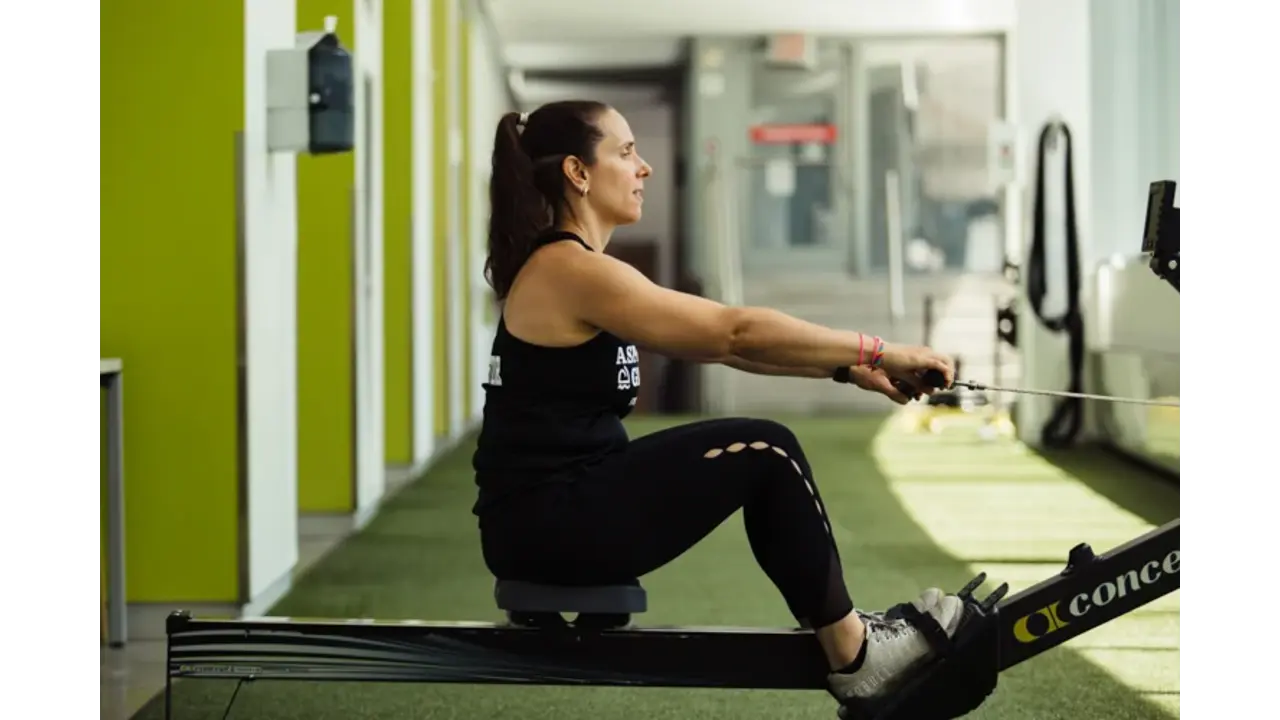
A rowing machine has become a central fixture in modern fitness routines across the UAE, driven by the demand for equipment that supports full-body conditioning without excessive joint stress. This category of indoor training equipment replicates the movement patterns of water rowing, engaging major muscle groups and supporting cardiovascular development within a compact footprint suitable for apartments and private gyms. As interest grows among beginners seeking reliable, long-term fitness investments, the rowing machine category offers an accessible yet performance-driven entry point into endurance and strength training.
The appeal of indoor rowing in the UAE reflects several factors. Home workouts have become routine due to busy city schedules, and climate-controlled indoor spaces reduce reliance on outdoor training. Rowing machines align well with these preferences by delivering measurable performance outputs and consistent session quality regardless of external conditions. Their low-impact mechanics support users across different fitness levels, and the growing availability of commercial-grade models at local retailers expands access to durable, high-performing solutions.
Understanding rowing machines requires attention to the components that define their feel, resistance behavior, and long-term durability. The interaction between frame construction, drive systems, resistance technologies, and performance monitors shapes the training experience and determines whether a model suits a beginner’s goals. The broader ecosystem around this equipment category includes stroke mechanics, user anthropometry, space planning, and upkeep requirements—factors that directly influence purchase decisions, particularly in the UAE’s unique home environments.
Indoor rowing also appeals to individuals seeking structured progress through quantifiable metrics. Whether training for general health, calorie expenditure, or technique refinement, models equipped with accurate monitors such as the PM5 elevate the training process by offering clear data on stroke rate, split times, and exertion. This creates a foundation for consistent improvement and supports the long-term practicality of the equipment within varied fitness journeys.
Key Takeaways
-
Rowing machines provide full-body, low-impact conditioning suitable for UAE home environments.
-
Resistance type, frame material, drive system, and performance monitor quality determine training suitability.
-
Indoor rowing supports structured, data-driven progress for beginners entering endurance or strength training.
-
UAE climate, apartment layouts, and space constraints shape ideal product selection.

Rowing Machine as a Fitness Equipment Category
A rowing machine functions as an indoor simulation of on-water rowing, relying on coordinated movement across the upper body, lower body, and core. The appeal of this equipment category lies in its balanced combination of aerobic conditioning and muscular engagement. Stroke cycles consist of four phases—catch, drive, finish, and recovery—each influencing technique quality and determining how resistance interacts with user output. These phases shape the training profile and contribute to rowing’s reputation as a comprehensive conditioning method.
The structure of a rowing machine includes a flywheel or resistance mechanism, a sliding seat, a rail, footplates, and a handle connected to a drive system. Together, these components create a smooth and continuous motion pattern. The interaction of these mechanical elements influences noise levels, resistance consistency, and the overall feel of each stroke. For beginners evaluating the category, understanding these relationships provides a foundation for choosing equipment that aligns with individual goals.
Key attributes of the rowing machine as an indoor conditioning tool
-
Engagement of major muscle groups, including legs, back, and core
-
Low-impact movement that minimizes stress on joints
-
Linear motion path supporting consistent training rhythm
-
Capacity for both steady-state and high-intensity intervals
-
Data-centric performance tracking through compatible monitors
The versatility of rowing machines extends to different training styles. Long-duration sessions promote cardiovascular development, while short bursts of high-output strokes improve power and anaerobic performance. The equipment also adapts easily to small-home environments in UAE cities, as many units include folding rails or vertical storage configurations. These features expand accessibility for beginners who require space-conscious fitness solutions without compromising training quality.
The rowing machine category supports scalable progress through quantifiable metrics such as watts, calories, and stroke rate. This structured feedback helps individuals refine form, increase workload gradually, and maintain consistent improvement. These qualities make rowing machines suitable for diverse fitness objectives, reinforcing their relevance within both home and gym settings in the UAE.

Core Resistance Systems and Their Mechanical Differences
Resistance systems define the internal mechanics of a rowing machine and shape how each stroke responds to user effort. Every resistance category creates a distinct feel, sound profile, and maintenance requirement. Understanding these systems helps beginners align equipment selection with training preferences, space limitations, and environmental conditions common in the UAE.
Air Resistance Rowing Machines
Air-based systems rely on a flywheel with fan blades. Increased stroke intensity generates greater airflow, naturally raising resistance. This mechanism produces strong feedback for interval training and offers responsive resistance changes. Noise levels tend to be higher due to airflow, making placement within open rooms preferable.
Mechanical attributes of air resistance systems
-
Dynamic resistance that scales instantly with stroke effort
-
Fan-based flywheel architecture
-
Notable airflow noise at higher stroke rates
-
High durability and low mechanical friction
Magnetic Resistance Rowing Machines
Magnetic rowers use magnet arrays and a flywheel to create resistance without direct contact. The result is smoother strokes and quiet operation, suiting apartments and shared living spaces. Resistance levels remain consistent across strokes, making them suitable for controlled training sessions.
Characteristics of magnetic resistance systems
-
Minimal noise output
-
Adjustable resistance levels via dials or programs
-
Smooth, consistent stroke profile
-
Low wear on internal components
Water Resistance Rowing Machines
Water-based rowers employ paddles rotating in a tank filled with water. The fluid drag creates a natural rowing sensation with a rhythmic sound. The tank and seals require periodic checks to maintain clarity and prevent leakage, particularly in humid regions.
Attributes of water resistance systems
-
Replication of natural rowing drag
-
Water level influences resistance strength
-
Distinctive aquatic sound pattern
-
Tank and seal upkeep requirements
Hybrid and Hydraulic Systems
Hybrid models blend magnetic and air systems, while hydraulic units use piston-based resistance for compact designs. Hydraulic models suit small spaces but provide limited stroke length and reduced natural flow.
Distinctions between Resistance Systems
|
Resistance Type |
Stroke Feel |
Noise Level |
Maintenance Needs |
Best Use Context |
|
Air |
Responsive, dynamic |
Moderate to high |
Low |
HIIT, power intervals |
|
Magnetic |
Smooth, controlled |
Low |
Low |
Apartments, steady-state |
|
Water |
Natural, fluid |
Moderate |
Moderate |
Technique development, immersive feel |
|
Hybrid/Hydraulic |
Variable |
Low to moderate |
Low to moderate |
Compact spaces or mixed training |
Matching a Rowing Machine to Training Intent
Training intent plays a defining role in choosing a rowing machine, as each resistance system and machine configuration shapes the nature of the workout. Indoor rowing can support calorie-focused routines, interval-based power sessions, long-duration endurance work, and technique improvement. Different training goals depend on distinct resistance behaviors, stroke feedback, and monitor capabilities. Understanding these relationships helps beginners determine which model aligns with their preferred training style and long-term fitness plans.
Steady-state cardiovascular sessions rely on prolonged periods of consistent output. Machines with smooth resistance curves and quiet operation, such as magnetic models, facilitate uninterrupted rhythm and reduced environmental distraction. Individuals aiming to manage caloric expenditure typically benefit from machines that provide stable resistance levels, allowing longer sessions without sudden changes in drag.
High-intensity intervals rely on rapid force production and quick transitions between exertion levels. Air resistance systems respond instantly to stroke intensity, making them ideal for peak-output efforts and power development. Their dynamic resistance curve challenges both the muscular and cardiovascular systems during short, intense bursts of activity.
Technique improvement requires clear stroke feedback and accurate performance metrics. Water rowers offer a rhythmic and intuitive drag pattern that mirrors real-water movement, supporting stroke refinement through natural stroke timing. Monitors with split-time and watt-readouts help users gauge technique efficiency, stroke consistency, and pacing strategies.
Key training goals and ideal resistance systems
-
Calorie-focused steady-state sessions: Magnetic rowers
-
High-intensity intervals and power development: Air rowers
-
Technique refinement: Water rowers
-
Mixed training and general fitness: Hybrid systems
-
Low-noise sessions in shared spaces: Magnetic or hydraulic units
Training intent also influences the role of monitor technology. High-level tracking capabilities, such as stroke rate, projected split times, and watt generation, allow gradual progress and measurable improvement. Models equipped with advanced monitors help users structure sessions, maintain consistent workloads, and adapt training intensity based on real-time data.
Anthropometric Fit and Ergonomic Compatibility
Body dimensions and ergonomic compatibility determine how well a rowing machine suits beginners across different height ranges and mobility conditions. A machine that does not match the user’s inseam length, reach range, or seat height may restrict movement, reduce stroke power, or create strain. Ensuring compatibility between anthropometry and machine design improves comfort, technique, and long-term usability.
Rail length directly affects the stroke range. Taller individuals require extended rails to complete the full sequence without compressing the catch phase, while shorter users benefit from units with adjustable footplates and closer handle reach. Seat height also influences accessibility, particularly for users with limited hip mobility or knee stiffness. Higher seats provide easier mounting and dismounting, while lower positions suit those seeking a closer approximation to on-water rowing posture.
Footplate adjustability shapes shin angle and drive efficiency. Proper foot placement helps maintain stable heel contact during the stroke and reduces excessive forward lean. The handle’s distance from the flywheel and its return path must also match the user’s arm length to preserve proper shoulder engagement and minimize upper-back fatigue.
Required Rail Length Ranges and Ergonomic Indicators
|
Body Attribute |
Recommended Feature |
Reasoning |
|
Height above 185 cm |
Long rail or extended monorail |
Allows full stroke length without compression |
|
Height below 165 cm |
Adjustable footplates, near-handle reach |
Ensures proper shin angle and comfortable handle return |
|
Limited mobility |
Higher seat height |
Reduces joint strain during mounting |
|
Broad shoulder width |
Wider handle grip |
Supports balanced upper-body engagement |
|
Longer inseam |
Extended seat travel |
Prevents over-compression during catch phase |
Ergonomic alignment improves stroke rhythm and minimizes technique deviations. When machine components match the user’s physical dimensions, the training experience becomes smoother, safer, and more sustainable. This alignment also reduces energy loss and supports training goals more effectively, particularly for beginners building foundational movement patterns.
Key Technical Specifications to Compare
Technical specifications determine the machine’s durability, smoothness, monitor accuracy, and suitability for UAE home environments. Each specification influences how the rower behaves under repeated use, how quietly it operates, and how well it adapts to the user’s workout structure. Performance monitors, frame construction, drive systems, and storage configurations form the core evaluation criteria for beginners.
Performance monitors provide session data such as split times, watts, calories, and stroke rate. Models like PM5 deliver consistent and reliable readings using internal sensors that track flywheel speed. Accurate data helps structure sessions and maintain progression, particularly for individuals following targeted training routines. Entry-level monitors may provide only basic metrics, limiting insight into technique efficiency and pacing.
Frame construction affects both durability and stability. Steel frames deliver rigidity for powerful strokes, while aluminum frames offer lighter weight with reduced corrosion risk. In UAE climates, corrosion resistance is an important consideration, as humidity can affect improperly coated metals. Smooth rail travel also depends on machining quality, influencing seat glide and stroke flow.
Drive systems influence maintenance needs and stroke feel. Chain drives offer strong, reliable power transfer but require periodic lubrication. Belt drives create quieter operation with minimal upkeep, making them suitable for small apartments with shared walls. Flywheel design shapes momentum and resistance distribution, influencing the smoothness of the stroke cycle.
Storage considerations matter in compact homes. Foldable rails and vertical storage options allow large machines to occupy minimal space when not in use, supporting integration into multi-purpose rooms common in Dubai and Abu Dhabi apartments.
Technical specifications that influence long-term usage
-
Monitor accuracy and available metrics
-
Frame material and corrosion resistance
-
Drive system type and upkeep requirements
-
Flywheel engineering and stroke consistency
-
Storage design and apartment compatibility
Selecting a model with suitable specifications ensures lasting performance, smoother operation, and alignment with training goals, particularly in climate-controlled UAE indoor environments.
Noise-Level Considerations in UAE Homes
Noise output plays a significant role in selecting a rowing machine for residential spaces in the UAE, where many homes feature open-plan layouts and shared walls. Different resistance systems create distinct acoustic profiles, shaped by airflow, mechanical friction, water movement, or magnetic resistance behavior. Understanding these sound patterns helps determine which machine suits environments where low operational noise is essential.
Air resistance rowers generate sound through fan-blade rotation. As stroke intensity increases, airflow accelerates and produces a noticeable audible signature. This characteristic makes them more suited to dedicated workout rooms, villas, or spacious layouts where the sound can dissipate without disturbing nearby rooms. Magnetic rowers operate quietly due to the non-contact nature of magnetic braking. This design leads to minimal noise and smooth operation, making them compatible with apartments and shared spaces.
Water rowers create rhythmic sloshing sounds as paddles rotate through the tank. The acoustic profile is softer and more natural than air-based machines, though still noticeable in enclosed spaces. Many users consider the aquatic sound pattern calming, but homes with thin interior walls may still require consideration of placement and floor insulation. Hydraulic rowers offer compact operation with quieter motion, though the short stroke length may not match the feel of full-size units.
Apartment construction in cities such as Dubai and Abu Dhabi often includes tile or composite flooring, which can amplify vibration. Floor mats and non-slip pads help absorb impact, improving acoustic dampening during high-stroke-rate sessions. Multi-story buildings may require added caution during early-morning or late-night workouts, particularly with rowers that create airflow-driven or water-based sound patterns.
Typical noise contributors in rowing machines
-
Flywheel rotation speed
-
Airflow turbulence from fan blades
-
Water movement within sealed tanks
-
Seat rail friction and travel
-
Drive system engagement (chain or belt mechanisms)
Noise considerations influence both user comfort and household harmony. Selecting a model with suitable acoustic characteristics ensures uninterrupted training sessions without affecting others or disrupting the quiet environment common in urban residential complexes.
Space Planning and Home Gym Integration
Rowing machines vary in length, width, and storage configuration, making space planning an essential factor for UAE homes. Proper assessment of room size, clearance, and layout ensures that the machine fits comfortably while allowing unrestricted stroke movement. Homes in Dubai and Abu Dhabi frequently feature compact bedrooms or multifunctional living areas, increasing the importance of accurate measurement.
Full-size rowing machines typically measure between 220 and 250 centimeters in length. Adequate clearance at both the front and rear of the rail allows the seat to travel freely without interference. A stable and level floor surface supports balanced operation and reduces vibration transfer. Models with foldable rails or vertical storage designs provide flexibility for homes where space must be shared between multiple living functions.
Environmental factors also influence placement choices. Many UAE apartments rely heavily on air conditioning. A machine positioned near an AC vent improves comfort during extended sessions and reduces heat buildup around the flywheel or magnetic assembly. In villas, dedicated gym rooms or garages offer additional floor area but may require humidity management to protect metal components.
Room layout determines how seamlessly a rowing machine integrates with other equipment. Weight benches, dumbbell racks, and cardio machines should allow ample circulation space to prevent obstruction during intense intervals. Floor protection pads safeguard tiles or wooden surfaces from potential scratches caused by machine movement.
Steps involved in measuring home space before selecting a rower
-
Measure the available floor length and width in centimeters.
-
Compare measurements with the machine’s full operational dimensions.
-
Add additional clearance for seat travel and handle movement.
-
Identify the nearest power outlet if the machine requires electricity.
-
Assess AC airflow to ensure adequate cooling during sessions.
-
Confirm that the floor can support stable machine placement without rocking.
-
Evaluate whether vertical or foldable storage is required.
Thoughtful space planning ensures that the rowing machine integrates into the home environment without limiting movement, comfort, or workout quality.
FAQs
What type of rowing machine is most suitable for beginners?
Magnetic rowers often suit beginners due to consistent resistance, minimal noise, and smooth operation. Air rowers provide dynamic stroke response for users seeking performance-oriented training.
How much space is required for a standard rowing machine?
Most full-size models require approximately 220–250 cm in length. Additional clearance at the front and rear supports unrestricted seat travel.
Is a rowing machine appropriate for low-impact conditioning?
Indoor rowing relies on linear movement that reduces stress on knee and hip joints, making it suitable for low-impact cardiovascular development.
Which resistance system offers the quietest operation?
Magnetic systems operate with minimal sound because their braking mechanism uses non-contact magnetic fields instead of airflow or water displacement.
How often does a rowing machine need maintenance?
Maintenance frequency depends on the resistance type. Chain drives benefit from periodic lubrication, while water tanks require occasional cleaning. Magnetic systems generally need minimal upkeep.
Can rowing machines withstand UAE humidity?
Models with corrosion-resistant coatings and sealed components adapt well to humid environments. Placement in climate-controlled rooms supports long-term durability.
Conclusion
Rowing machines continue to gain prominence in UAE homes due to their wide training range, compact integration potential, and consistent performance within climate-controlled environments. Their low-impact mechanics support general fitness development, power-focused routines, and technique refinement without adding strain to joints. The selection process relies on understanding the relationship between resistance behavior, user anthropometry, mechanical specifications, space conditions, and long-term maintenance. Models offered by Sea Wonders Sports Store present multiple paths for beginners entering the rowing ecosystem, delivering varied resistance technologies and robust frame designs suited to both apartments and villa settings.
Evaluating these machines through resistance dynamics, noise considerations, monitor accuracy, and spatial compatibility ensures alignment with intended training outcomes. Air, magnetic, water, and hybrid systems provide distinct stroke sensations and noise profiles, while frame construction and drive systems influence durability and maintenance frequency. When matched thoughtfully to the home layout and training intent, a rowing machine becomes a reliable anchor for sustainable conditioning and long-term fitness progression within UAE households.
Related Blogs



Bose SoundLink Bluetooth Speaker
£50.00£60.00
Canon's press material for the EOS 5D states that it 'defines (a) new D-SLR category', while we're not typically too concerned
- Availability :In Stock