
 Locate Our Store
 +971 562162730
 AED
AED SAR
SAR KWD
KWD QAR
QAR BHD
BHD OMR
OMR


Best Treadmill for Weight Loss: Incline Walking vs Running (What Works Faster at Home?)
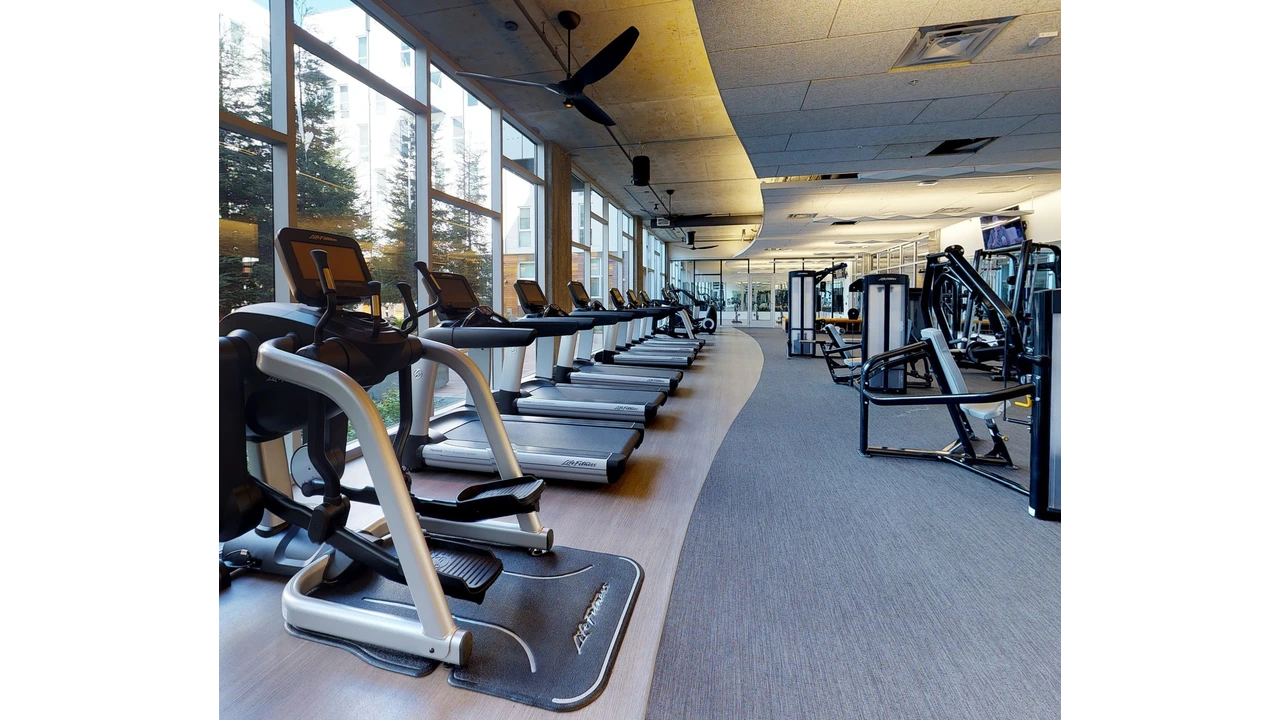
Introduction
If your goal is weight loss, the Sea Wonders treadmill decision usually comes down to one question:
Should I do incline walking or running?
Both can work extremely well. But the “faster” option isn’t the one that burns the most calories in 10 minutes—it’s the one you can do consistently (4–6 weeks and beyond) without burning out, getting injured, or hating your life.
In most real homes (and especially in UAE apartments), incline walking wins for long-term fat loss for many people because it’s lower-impact, easier to repeat, and still very challenging. Running can absolutely be faster for fitness gains and time-efficiency—if your body tolerates it and you recover well.
Treadmill workout guide will help you pick the best approach for your situation, and it includes simple programs you can follow immediately.

1) The quick answer: which is better for weight loss?
Choose incline walking if:
-
you’re a beginner or returning after a break
-
you want fat loss without joint pain
-
you live in an apartment (noise/vibration matters)
-
you want longer, sustainable sessions
-
you’re consistent but don’t want to feel destroyed
Choose running if:
-
you already run comfortably (or you’re building toward it)
-
your joints handle running well
-
you enjoy it (this matters more than people admit)
Best for most people:
-
Incline walking as your base
-
1–2 running or interval sessions per week (optional)
That hybrid approach is where a lot of “fast results” happen—without injuries.
2) Weight loss basics: what actually makes fat loss happen
Before comparing incline walking vs running, let’s keep the foundation simple.
Fat loss mostly comes from:
-
Energy balance (over time you burn more than you take in)
-
Consistency (weeks, not days)
-
Recovery (you can repeat workouts without breaking down)
The treadmill is a tool that helps you:
-
increase daily calorie burn
-
improve fitness so activity feels easier
-
build a habit (which is the real superpower)
So when you ask “What works faster?”, the real question is:
Which one will you repeat 4–5 times a week for the next 8–12 weeks?
3) Incline walking for weight loss: why it works so well
Incline walking is underrated because it doesn’t look dramatic. But it’s one of the most effective home methods for fat loss because it hits the sweet spot:
-
High effort without high impact
-
Long sessions without burnout
-
Lower injury risk
-
Easy to scale up
What incline walking does better than running (for many people)
1) It’s easier to recover from
You can do it more frequently without feeling wrecked.
2) It’s lower impact
Less pounding on knees/shins/ankles means fewer “I have to stop for a week” moments.
3) It’s more sustainable in apartments
Running creates more footstrike noise and vibration. Incline walking is usually quieter.
4) It’s brutally effective at raising heart rate
You can keep speed moderate while incline drives intensity.
The secret: incline walking creates “repeatable intensity”
Most people don’t need the hardest workout possible. They need the hardest workout they can repeat consistently.
4) Running for weight loss: when it’s the faster option
Running can be excellent for fat loss, especially if:
-
you’re already conditioned for it
-
you enjoy pushing intensity
-
you like shorter sessions
-
you don’t get recurring shin/knee issues
Why running can feel “faster”
1) Higher intensity per minute
You can do a lot in 20–30 minutes.
2) Strong fitness carryover
As fitness improves, your overall daily activity usually increases too.
3) It’s time-efficient
If you only have 20 minutes, running (or run intervals) can deliver a lot.
Where running becomes a problem (for many home users)
Running often fails not because it’s “bad,” but because:
-
people start too fast (too much, too soon)
-
they run too many days in a row
-
they skip warm-ups
-
they don’t recover well
-
they get shin splints or knee pain and stop entirely
Running is powerful—but it demands a smarter progression.
5) The biggest difference: impact, injury risk, and recovery
If you want fast weight loss, you need a plan you can do repeatedly.
Incline walking recovery profile
-
Usually easier to do 4–6 days/week
-
Less soreness and joint stress for most beginners
-
Lower chance of getting “forced rest days” due to pain
Running recovery profile
-
Often best at 2–4 days/week for beginners or heavier users
-
Higher stress on joints and connective tissues
-
Bigger payoff—but also bigger risk if done aggressively
Simple rule
If running makes you sore, achy, or stressed enough to skip workouts, it’s not “faster.”
Incline walking becomes faster by being repeatable.
6) “Which burns more calories?” The honest answer
People love calorie comparisons, but real life isn’t a lab.
In general:
-
Running often burns more per minute.
-
Incline walking can burn a lot too—especially at higher incline and longer duration.
But the real difference usually comes from what you can sustain:
-
Can you run 4–5 days/week without pain? Many people can’t.
-
Can you incline walk 4–6 days/week? Many people can.
So even if running is “more per minute,” incline walking can win on:
-
total weekly volume
-
consistency
-
lower injury interruptions
The winner is often the one that gives you the highest weekly total, not the most intense single session.
7) UAE home reality: heat, apartments, and why incline walking often wins
In the UAE, treadmill training for physical activity has unique friction points:
Heat and comfort
Indoor workouts feel harder without airflow. If running feels brutal indoors, you’ll avoid it.
-
Add a fan.
-
Keep hydration nearby.
-
Don’t underestimate ventilation.
Apartment noise and vibration
Running transmits more impact noise into floors. Incline walking is typically more neighbor-friendly.
Consistency beats intensity
Many people in UAE homes succeed with:
-
frequent incline walking sessions (quiet, repeatable)
-
1–2 faster sessions weekly if desired
That approach fits real-life schedules and living setups.

8) How to choose: incline walking or running (simple decision tree)
Use this quick decision framework.
Step 1: Do you have joint pain or recurring shin/knee issues?
-
Yes → start with incline walking
-
No → go to Step 2
Step 2: Can you run 20 minutes comfortably today?
-
Yes → running or hybrid works
-
No → start with incline walking + walk/jog progression
Step 3: Do you live in an apartment with noise concerns?
-
Yes → incline walking base + occasional running
-
No → either
Step 4: What do you enjoy more?
-
Enjoy incline walking → you’ll be consistent → you’ll lose fat
-
Enjoy running → great, but progress smart
Step 5: Time available per session
-
20–25 minutes → running intervals or incline intervals are great
-
35–60 minutes → incline walking shines
9) The best strategy for most people: the hybrid fat-loss plan
If you want a plan that’s both fast and sustainable, do this:
Base: incline walking 3–5 days/week
This builds volume and consistency with low injury risk.
Add: 1–2 faster sessions per week (optional)
This can be:
-
short run intervals
-
easy jogging blocks
-
faster incline intervals
Why hybrid works:
-
incline walking keeps weekly volume high
-
faster sessions improve fitness and intensity
-
your joints get recovery days
This is how people often get “visible results” faster without breaking down.
10) 4-week treadmill programs for weight loss (pick one)
Use RPE (Rate of Perceived Exertion) on a 1–10 scale:
-
RPE 3–4 = easy/moderate
-
RPE 5–6 = challenging but controlled
-
RPE 7–8 = hard intervals
Program A: Incline Walking Fat Loss (4 weeks, 4 days/week)
Day 1 — Incline Intervals (30–40 min)
-
Warm-up 6 min easy
-
10 rounds:
-
1 min incline (RPE 6) at 6–10%
-
1 min flat/easy (RPE 3–4) at 0–2%
-
Cool-down 5 min
Day 2 — Steady Incline Walk (35–45 min)
-
Warm-up 5 min
-
25–35 min at incline 4–8% (RPE 4–5)
-
Cool-down 5 min
Day 3 — Easy Steps Walk (25–40 min)
-
Comfortable pace, low incline
-
Keep it easy, build habit
Day 4 — Long Easy Walk (45–60 min)
-
Low incline
-
Easy pace
-
This session drives weekly calorie burn without stress
Progression each week:
Add 5 minutes to one session OR add 1–2 interval rounds. Don’t increase everything at once.
Program B: Running-Based Fat Loss (4 weeks, 3–4 days/week)
Day 1 — Easy Run/Walk (30–40 min)
-
Warm-up 6 min walk
-
6 rounds:
-
3 min easy jog (RPE 4–5)
-
2 min walk (RPE 3)
-
Cool-down 5 min
Day 2 — Short Intervals (25–30 min)
-
Warm-up 8 min
-
10 rounds:
-
30 sec hard (RPE 7–8)
-
90 sec easy walk/jog (RPE 3–4)
-
Cool-down 5 min
Day 3 — Easy Walk or Incline Walk (30–45 min)
-
Keep it easy, build volume
Day 4 (optional) — Longer Easy Jog/Walk (40–55 min)
-
Mostly easy, no hero pace
Progression each week:
Increase jog time slightly OR add 1–2 interval reps. Keep most runs easy.
Program C: Hybrid “Fast Results” Plan (4 weeks, 5 days/week)
-
2 days incline intervals (30–40 min)
-
2 days steady incline walking (35–50 min)
-
1 day short run intervals or jog blocks (25–30 min)
This plan is very effective for fat loss because it balances:
-
volume (incline walking)
-
intensity (one faster day)
-
recovery (low impact base)
FAQs
1) Is incline walking better than running for belly fat?
Belly fat reduces with overall fat loss. Incline walking works great because it’s sustainable and helps you maintain weekly volume.
2) How many days per week should I do treadmill for weight loss?
Most people do best with 4–6 days/week if intensity is managed. Incline walking makes higher frequency easier.
3) How long should I walk/run for weight loss?
Aim for 25–60 minutes depending on your time and recovery. Shorter sessions can still work if intensity is higher.
4) Should I hold the handrails while incline walking?
Try not to rely on handrails—holding reduces training effect. Light touch for balance is fine, but avoid “hanging on.”
5) Should I do incline every day?
You can, but vary intensity. Mix steady incline, intervals, and easy walks so your legs recover.
6) Running hurts—should I stop?
If it’s joint pain (not normal muscle fatigue), reduce running and switch to incline walking while building strength and conditioning.
7) What’s the fastest way to see results?
Consistency for 4+ weeks, a slight calorie deficit, and a repeatable treadmill plan or outdoor running.
Conclusion
If you want the fastest results that actually last, the best treadmill method is the one you can repeat weekly without quitting.
-
Incline walking is often the best “fast results” method for most people because it’s intense, low impact, and sustainable.
-
Running can be faster per minute, but it only wins if you recover well and avoid injury.
-
The best approach for many UAE home users is a hybrid plan: incline walking as your foundation + 1–2 faster sessions per week.
If you want, tell me:
-
your height/weight range
-
apartment or villa
-
how many days/week you’ll train
-
whether you prefer walking or running
…and I’ll tailor a 4-week treadmill fat-loss plan to your exact routine (and suggest the treadmill feature set that fits it best).
Related Blogs




Bose SoundLink Bluetooth Speaker
£50.00£60.00
Canon's press material for the EOS 5D states that it 'defines (a) new D-SLR category', while we're not typically too concerned
- Availability :In Stock