
 Locate Our Store
 +971 562162730
 AED
AED SAR
SAR KWD
KWD QAR
QAR BHD
BHD OMR
OMR


Treadmill vs. Outdoor Running in the UAE: Pros, Cons, and Health Benefits
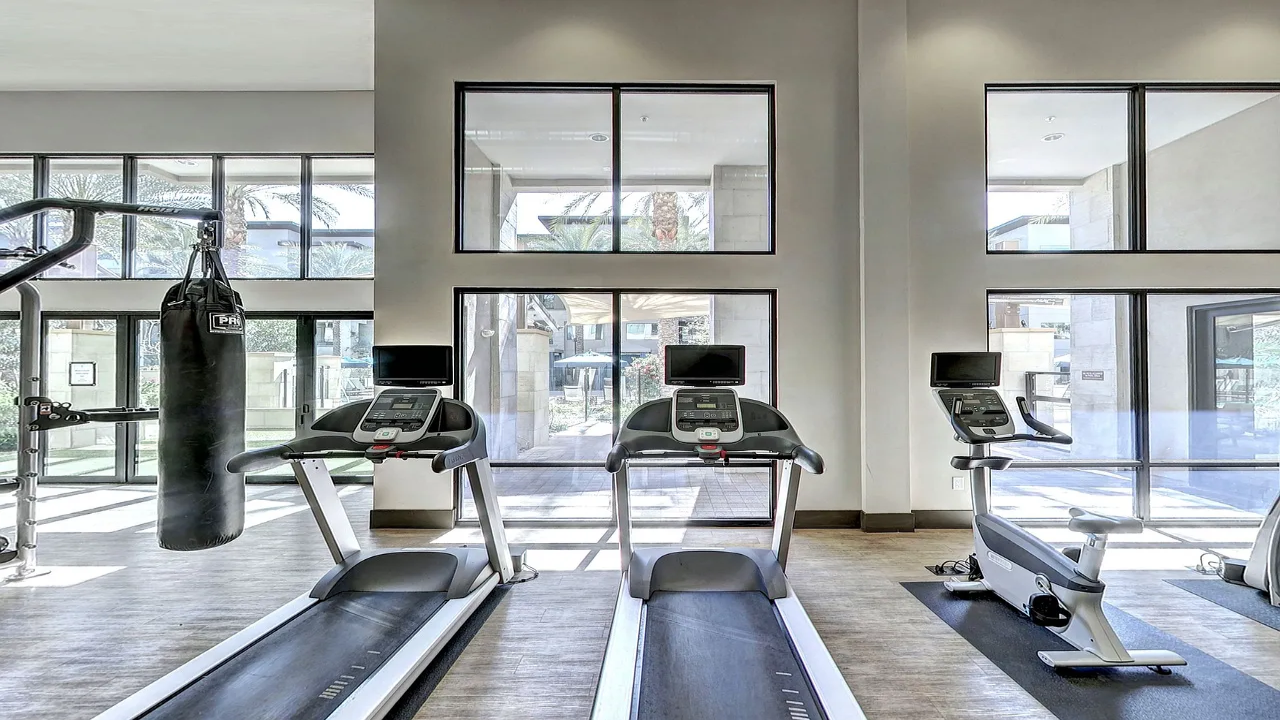
Introduction
The decision between treadmill running and outdoor running changes in the UAE due to heat, humidity, dust events, and night time safety. The comparison is not only about preference. It is a choice shaped by environmental risk, training specificity, biomechanics, and weekly time budgets. Treadmills provide climate control, predictable footing, and precise pacing that fit apartment living. Outdoor routes provide wind, variable surfaces, and race specificity for road events. Both modes can deliver the health benefits outlined in global activity guidelines when planned correctly. The question becomes when each mode creates better outcomes for adherence, safety, and performance in the Emirates.
The core entities behind the choice include ambient temperature and humidity, air quality index readings, wind resistance, gradient, cadence, stance time, and tibial shock. Predicates connect them in practical ways. High AQI and peak heat increase risk so indoor running substitutes safely. Target pace and wind resistance determine whether to add incline on the treadmill for effort equivalence. Residential noise expectations guide apartment setup with mats and isolation feet. Training goals decide the split. Intervals and hill control lean indoors. Terrain skill and event specificity lean outdoors during cooler seasons.
This guide calibrates expectations for both modes and sets clear decision rules for summer, shoulder seasons, and rare cool fronts. The aim is fewer missed sessions and smarter progress toward health or performance targets without ignoring UAE realities.
TLDR
-
Peak heat and dust signal indoor days. AQI tools and the midday window help set safe outdoor timings.
-
For pace equivalence, a small treadmill incline often offsets wind resistance at common training speeds.
-
Outdoor variety builds terrain skill. Indoor control delivers precise intervals and consistent minutes.
Context in the UAE: heat, dust, timing windows, and safety signals
Running outdoors in the UAE meets two recurring constraints. First is thermal load. Daytime temperatures and coastal humidity drive up perceived strain and limit safe intensity. The second is air quality during dust events when PM levels rise and airway irritation becomes likely for sustained efforts. Together, these factors compress viable outdoor windows to early morning and later evening across long portions of the year.
Actionable cues help remove guesswork. Live AQI dashboards and local forecasts indicate when particulate levels climb. If AQI rises into unhealthy bands or if visibility drops from blowing dust, indoor sessions reduce respiratory burden. Timing rules help as well. Treat the middle of the day as a red zone during summer months. Reserve outdoor runs for dawn or after sunset on days with moderate humidity and stable air. Hydration plans should adjust to humidity and distance, but intensity caps matter more when heat indices climb.
Route choice affects safety. Well lit paths with separation from traffic reduce risk during evening runs. Coastal routes can feel breezier yet still hold humidity that prolongs heat load. Trails or parks with shade often permit shorter outdoor efforts when temperatures ease slightly. Apartment constraints factor into the indoor alternative. A dense rubber mat and isolation pads under the treadmill lower structure borne vibration. A corner placement over concrete is quieter than a suspended floor. A small fan directed across the deck improves comfort and reduces sweat drip.
A simple decision tree works. Check temperature, humidity, and AQI. If any exceeds a personal threshold, switch to the treadmill for the day. If all markers sit in acceptable bands, outdoor easy runs and long runs make sense, while quality intervals still fit neatly on a treadmill for accuracy.

Energy cost and pacing equivalence: when a treadmill equals outside
Wind resistance outdoors raises energy cost as speed increases. Treadmills remove that headwind which slightly reduces required effort at the same belt speed. A small incline is often used to approximate outdoor energy demand at common training paces. For most steady runs in the 10 to 16 kilometers per hour range, setting the treadmill around one percent provides a good match for perceived exertion and oxygen cost. At very easy paces or during walking recoveries, zero percent is acceptable. At faster time trial efforts, a one to two percent grade may better reflect outside conditions on a calm day.
Calibration matters before any comparison. Verify belt speed with a quick distance check on a known duration, or use marks on the belt to confirm rotation time. Small discrepancies in factory calibration can make a pace feel off by several seconds per kilometer. Shoe choice and deck cushioning also influence feel. Softer decks reduce impact peaks, which can make the same pace feel smoother than pavement. That smoothness should not be confused with a fitness jump. Intensity should still be governed by heart rate, RPE, or structured targets rather than screen speed alone.
Outdoors, GPS lag and terrain variability add noise to pacing. Short rises, wind gusts, and turns change cost minute to minute even when average pace looks steady. The treadmill’s controlled environment neutralizes those fluctuations and preserves the prescription for intervals, hills, and tempo segments. For runners preparing for courses with headwinds or rolling terrain, outdoor workouts during cooler windows provide specific conditioning, while treadmill work locks in precise speed or grade when the forecast does not cooperate.
In practice, blend both modes across the year. Use the treadmill for precision work and on days with heat or dust. Use outdoor runs for long aerobic sessions and race pace rehearsal when conditions allow. Apply a small incline for equivalence, revisit calibration monthly, and prioritize consistent minutes over perfect matchups.
Biomechanics differences that matter: cadence, stance, tibial shock
Motorized belts change mechanics in subtle but important ways. Many runners self-select a slightly higher cadence on a treadmill, paired with shorter stance time and a touch less vertical oscillation. Cushioning under the deck and the absence of surface imperfections usually reduce peak tibial shock compared with asphalt. The result is a smoother loading pattern that often feels easier on knees and hips at the same nominal pace.
Form cues shift with the environment. Indoors, steady belt motion rewards compact steps under the center of mass, relaxed arms, and a tall posture with a gentle lean from the ankles. Overstriding on a treadmill leads to braking and noisy foot slap, so cues that favor quick cadence and soft landings help. Outdoors, micro-variations in surface and camber add proprioceptive demand. Stride length modulates with terrain and wind, and lateral stabilizers work harder, especially on uneven paths.
Muscle recruitment also differs. The treadmill’s moving belt slightly reduces the propulsive work from the posterior chain, particularly at easy paces, while uphill grades restore glute and hamstring demand. Outdoor running without a belt’s assist often produces higher propulsive forces and greater variability stride to stride. That variability is useful for race specificity, but the noise it adds can make precision intervals harder to execute on windy or rolling routes.
Injury risk depends on load management rather than a single mode. Treadmills lower impact peaks and remove road crown, which can help highly irritable tissues. Monotony is the tradeoff if the same speed and grade repeat too often. Outdoor variety builds resilience but raises the chance of overload on steep descents or hard pavement. A mixed approach usually serves best: controlled intervals and recovery runs indoors, technical skill and race pace rehearsals outdoors when conditions cooperate.
Quick answers to common queries. Does treadmill running reduce injury risk compared with pavement? It can for those sensitive to impact peaks, provided volume and intensity progress gradually. Are hamstrings less engaged on a treadmill? At easy grades, yes slightly; adding incline and short accelerations restores posterior chain demand.
Heat, hydration, and recovery tailored to the UAE
Heat and humidity reshape fluid strategy. Air conditioning reduces thermal strain indoors, yet sweat loss still accumulates across 30 to 60 minutes. Practical volumes for indoor sessions often sit near 300 to 600 milliliters per hour for moderate work, adjusted by body size and sweat rate. Outdoor sessions in summer conditions can require 500 to 1,000 milliliters per hour, plus sodium for heavy sweaters, commonly in the 300 to 600 milligrams per hour range from drinks or tablets. Pre-run intake of roughly 5 to 7 milliliters per kilogram, taken 2 to 4 hours before longer efforts, improves starting status without sloshing.
Cooling tactics reduce perceived effort. A small fan aimed across the treadmill deck, an ice towel before outdoor runs, or chilled fluids during warm intervals all blunt RPE. On days with high heat or dust, shorten warm ups, cap early splits, and switch to steady aerobic work rather than aggressive intervals. When outdoor heat index pushes into caution bands, move quality sessions indoors and monitor effort by heart rate or RPE rather than pace.
Recovery planning deserves equal attention. Replace 125 to 150 percent of fluid loss within a few hours after long or hot runs. Include a modest sodium source to retain the fluid and avoid over-dilution. Gentle walking and light mobility help circulation, while cool showers or room cooling speed the return to baseline. Sleep quality often dips after very hot sessions, so schedule demanding workouts at times that protect sleep.
Short answers to likely questions. How much water is needed for a 45 minute run in Dubai heat? Many runners will fall between 400 and 700 milliliters, more if sweat rates are high, less if pace is easy and shade is available. Are electrolytes necessary for short indoor runs? Usually not for sessions under an hour at easy to moderate intensity, though a small sodium intake can help heavy sweaters. When in doubt, use body mass change across a few test runs to personalize volumes.
Health outcomes and guideline alignment
Both modes serve the same health target. The global benchmark calls for 150 to 300 minutes of moderate aerobic activity per week, or 75 to 150 minutes of vigorous activity, plus two days of muscle strengthening. Treadmills and outdoor routes can satisfy these thresholds through different pathways. Indoor sessions deliver repeatable minutes in any season, which improves adherence during long heat waves. Outdoor routes provide novelty and sunlight exposure that many find motivating during cooler months.
Weight management hinges on consistent energy expenditure and sustainable intensity. Incline walking on a treadmill raises metabolic cost at lower belt speeds, which suits longer sessions without joint irritation. Outdoor rolling terrain yields similar benefits, although heat and wind can spike RPE in ways that cut sessions short. For cardiovascular health, both modes improve VO₂-related markers when progression is steady. Intervals indoors at controlled speeds and grades are efficient for time-pressed professionals who need precision. Long aerobic runs outdoors on temperate mornings build durability and race readiness.
Bone and tendon loading also matter. Hard surfaces outdoors provide higher peak forces that may support bone stimulus when managed carefully. Treadmill decks with moderate cushioning still deliver osteogenic load, and adding short hill sprints or brisk incline walks maintains tendon and calf conditioning without the sharp impacts of asphalt. For joint-sensitive populations, the treadmill’s predictability often allows more total weekly minutes, which is a strong driver of outcomes.
Strength training rounds out the picture. Two short sessions per week with squats, hinges, calf raises, and core work support better mechanics in both environments. Pair these with simple habit cues, for example placing a compact dumbbell set near the treadmill space, which reduces friction to complete the resistance work.
In summary, health benefits accrue when the plan converts guidelines into minutes that actually occur. Treadmills protect consistency under heat and dust constraints. Outdoor running builds specificity and variety when the forecast allows. A blended calendar, tuned by season, captures the strengths of both.
Safety and logistics: apartments, roads, and night running
Apartment living in the UAE sets clear constraints for indoor training. Structure-borne vibration carries farther than airborne noise, so isolation comes first. A dense rubber mat under the frame, paired with separate anti-vibration feet at contact points, reduces transmission through tile or marble. Corner placement over concrete performs better than a central position on a suspended slab. Leveling the deck removes wobble, and lifting front wheels off the mat during use prevents rattling. A grounded outlet on a dedicated circuit with surge protection safeguards electronics and avoids nuisance trips.
Session timing matters in shared buildings. Early evenings usually sit within daytime noise expectations longer than late nights. Cadence coaching helps as well. Softer, quicker steps lower impact peaks and belt slap. A small fan aimed across the deck improves comfort without extra belt speed, trimming perceived effort and sweat on humid days. Cable routing should keep power cords away from the running path to prevent snags.
Outdoor logistics shift the risk profile. Night running improves thermal comfort but increases exposure to traffic and visibility hazards. Bright, reflective clothing, a chest light or headlamp, and a low-volume audio policy improve awareness. Routes with wide pavements, park loops, or waterfront paths reduce crossing conflicts. On dusty days, a short indoor substitute protects airways; when conditions are clean, easy outdoor sessions restore variety and navigation skill. Carry identification and a charged phone for contingencies.
Air quality and weather checks act as the go or no-go gate. If AQI climbs or a dust advisory appears, move quality sessions indoors and cap outdoor time to short, easy efforts at cooler hours. Hydration should match conditions rather than habit. Short indoor intervals seldom require large volumes, while long evening runs in residual heat call for planned intake and electrolyte support. With a simple routine of checks, placement, and timing, both environments become safe and predictable training venues.
Goal-based decision matrix: choose treadmill, outdoor, or blended
Decision quality improves when goals drive modality instead of habit. For a 5K or 10K personal record, treadmill intervals provide precise speed control and repeatable recovery durations. Outdoor long runs then supply event specificity, wind handling, and pacing on rolling terrain. A common split is two quality sessions indoors and one long aerobic run outside each week, adjusting the outdoor share upward during cool months.
For weight management, incline walking at 4 to 8 percent creates high energy expenditure at modest belt speeds, extending session length without heavy joint load. Outdoor easy runs remain useful on temperate mornings, but steep grades and heat spikes often raise RPE and shorten duration. A practical split is three indoor incline sessions plus one outdoor aerobic run when conditions cooperate.
Rehab or return-to-running phases benefit from treadmill predictability. Controlled cadence, flat or mild grades, and easy exits keep stress inside narrow bounds. Short bouts outside reintroduce surface variability only after symptoms settle. General fitness without race targets thrives on a blended plan anchored to guideline minutes. Two moderate indoor runs, one outdoor social run, and an optional incline session cover most needs.
Trail or terrain skill requires outdoor exposure. When heat or dust limits those sessions, treadmill hill simulations preserve climbing stimulus while coordination and foot placement are maintained with short outdoor runs at dawn. For time-pressed professionals, the treadmill often outperforms commutes to distant paths, turning 40-minute windows into productive workouts. In every case, modality is not binary. The calendar pivots with season, AQI, and personal recovery, keeping weekly minutes steady while matching the stimulus to the goal.
Sample microcycles for UAE residents
Beginner, four days per week. Day 1: 30 minutes treadmill walk at comfortable pace, 1 to 2 percent incline. Day 2: outdoor easy run or brisk walk 25 to 35 minutes at dawn or after sunset. Day 3: treadmill intervals 8 by 1 minute gentle jog, 1 minute walk, flat or 1 percent. Day 4: 35 minutes incline walk at 3 to 4 percent. If AQI rises or heat index spikes, shift Day 2 outdoors to the treadmill at matched RPE.
Intermediate 10K, five days per week. Day 1: treadmill VO₂ set 5 by 3 minutes at controlled hard effort with equal jog recoveries at 1 percent. Day 2: 40 minutes aerobic run outdoors at conversational effort. Day 3: recovery treadmill walk or jog 30 minutes, flat. Day 4: tempo intervals 3 by 8 minutes slightly faster than aerobic pace, 2 minutes easy between, 1 percent. Day 5: long run outdoors 60 to 75 minutes at easy pace. Swap Days 1 and 4 indoors if heat or dust is severe; maintain total minutes.
Incline and strength focus, four to five days per week. Day 1: treadmill hills 6 by 3 minutes at 5 to 8 percent with easy flats between. Day 2: 30 to 40 minutes steady incline walk at 3 to 4 percent. Day 3: strength circuit near the treadmill space with squats, hinges, calf raises, and core. Day 4: outdoor easy run or brisk walk 30 to 45 minutes when conditions allow. Optional Day 5: short hill sprints on the treadmill, 8 by 20 seconds at 6 to 10 percent with long recoveries. Flex the outdoor slot to indoor steady work during hot, dusty spells to keep minutes consistent.
Conclusion
Modality choice in the Emirates follows climate, air quality, and goal specificity rather than habit. Treadmills provide controlled temperature, steady footing, and precise speed or grade for intervals, incline walking, and recovery on days when heat or dust narrow outdoor windows. Outdoor routes build race specificity, wind handling, proprioception, and route familiarity during cooler periods. A blended calendar keeps weekly minutes stable, shifts precision work indoors when forecasts tighten, and preserves outdoor variety when conditions allow. Apartment logistics are manageable with isolation mats, corner placement, cadence coaching, and a grounded, surge-protected outlet. Hydration and electrolyte plans scale with session duration and thermal load, with indoor volumes typically lower than summer evening runs.
Commercial decisions align with training patterns. Daily runners seeking cushioning and content depth can review NordicTrack Commercial 1750. Progressing athletes who want balanced specs can examine NordicTrack Commercial 1250. Compact households prioritizing foldability and straightforward controls can compare NordicTrack T Series 8. Incline-first conditioning and hiking simulation align with NordicTrack Elite X24i. Full assortment and availability sit at the Sea Wonders category hub. With intent-driven selection and season-aware planning, treadmill and outdoor running become complementary tools that safeguard progress across the UAE calendar.
FAQs
When should I choose treadmill running over outdoor runs in the UAE?
Choose the treadmill when temperature, humidity, or AQI exceed your personal safety thresholds, during the Midday Break window, or when you need precise intervals and repeatable pacing.
How do I match outdoor effort on a treadmill?
Use a small incline (about 1% for steady runs; 1–2% for faster efforts) to approximate wind resistance and perceived effort. Calibrate belt speed occasionally to confirm pace.
Will treadmill running reduce my injury risk compared to pavement?
Treadmills typically reduce peak impact (tibial shock) and remove road camber, which can lower risk for impact-sensitive runners—provided volume and intensity are progressed sensibly.
How should I manage hydration for indoor vs outdoor sessions?
Indoor: roughly 300–600 mL/hour for moderate sessions. Outdoor in heat: 500–1000 mL/hour plus electrolytes for heavy sweaters. Personalize via body-mass change tests.
What setup tricks reduce treadmill noise in apartments?
Use a dense rubber mat, anti-vibration feet, corner placement over concrete, lift transport wheels off the mat during use, and coach a softer cadence.
When is outdoor running safe in dusty conditions?
Avoid outdoor quality sessions when AQI is in unhealthy bands or visibility drops from dust. Reserve short, easy runs for clearer periods at dawn or after sunset.
How do biomechanics change between treadmill and outdoor running?
Treadmills often produce slightly higher cadence, shorter stance time, and lower vertical oscillation; outdoors you get more propulsive variability and proprioceptive demand.
How should I split treadmill vs outdoor sessions in a training week?
Use the treadmill for 1–3 quality sessions (intervals/hills) and reserve 1–2 outdoor runs for long runs, race specificity, or terrain skills—shift the split seasonally with conditions.
Are electrolytes necessary for short indoor interval sessions?
Usually not for sessions under an hour at moderate intensity—unless you are a very heavy sweater or training multiple times a day.
Which treadmill features are most relevant for UAE apartment runners?
Look for cushioning and stable frames, belt length ~140 cm for regular running, folding footprint, quiet drive system, local service availability, and incline range for hill work.
Related Blogs



Bose SoundLink Bluetooth Speaker
£50.00£60.00
Canon's press material for the EOS 5D states that it 'defines (a) new D-SLR category', while we're not typically too concerned
- Availability :In Stock