
 Locate Our Store
 +971 562162730
 AED
AED SAR
SAR KWD
KWD QAR
QAR BHD
BHD OMR
OMR


Treadmill Workout Guide: 5 Training Programs for Every Fitness Level
Introduction
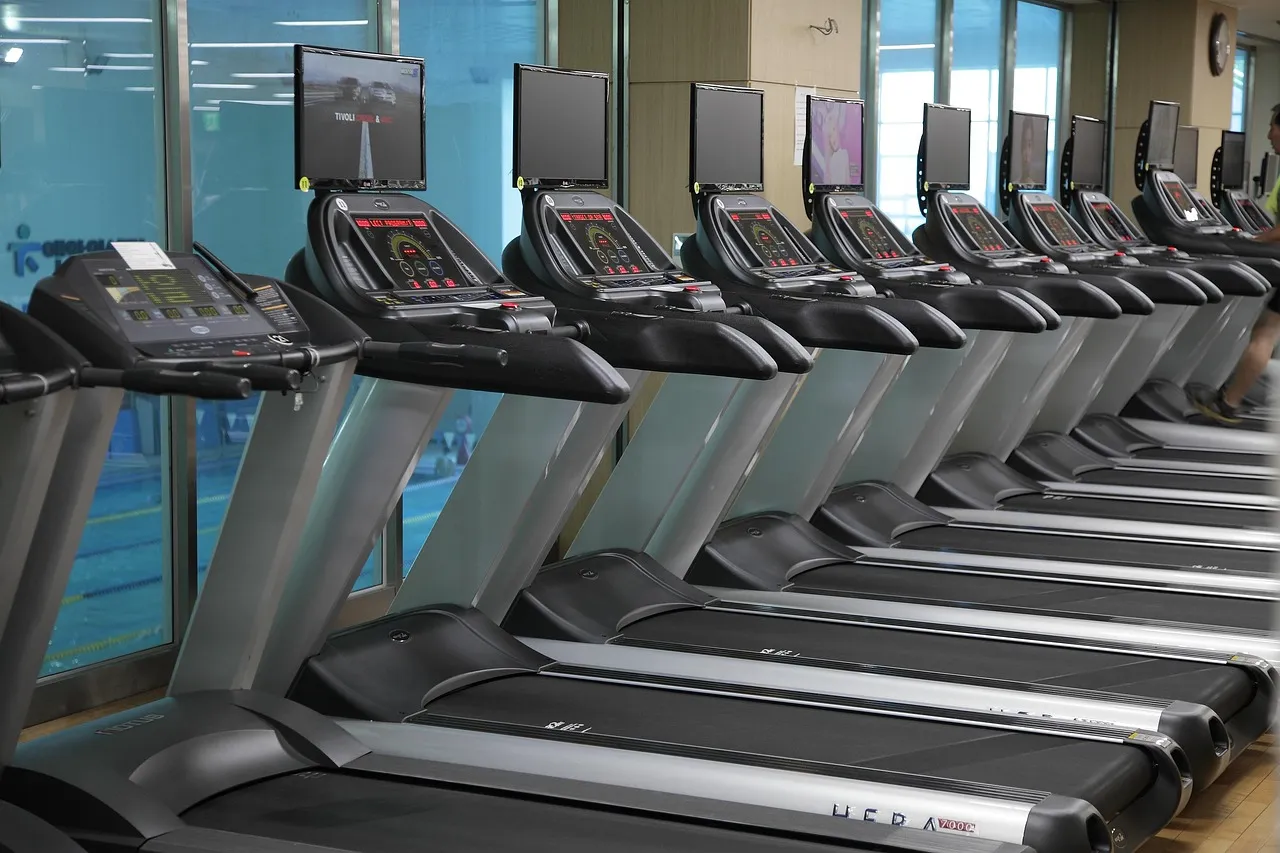
Treadmill workouts have become an essential part of fitness routines in the UAE, bridging the gap between convenience and performance. They allow users to train indoors, unaffected by heat or outdoor conditions, while offering measurable, adaptable, and safe training environments. Modern treadmills, such as the NordicTrack Elite X24i and Commercial 1250–2450 models available through Sea Wonders, combine digital intelligence with mechanical precision to create personalised, goal-oriented training sessions for every fitness level.
A treadmill workout is more than a running alternative; it is a controlled system for developing cardiovascular endurance, muscular balance, and consistency. By adjusting incline, speed, and duration, a single machine replicates walking on dunes, sprinting outdoors, or long-distance endurance runs. This adaptability allows beginners and advanced athletes to work within their limits while tracking progress with real-time feedback.
In the UAE, where fitness culture merges advanced technology with home-based exercise, structured treadmill programmes provide an effective solution for maintaining regular training schedules. The key lies in aligning each workout’s purpose with measurable outcomes—whether improving endurance, managing weight, or increasing leg strength. With five distinct training programmes designed for different fitness stages, this guide presents a complete approach to treadmill workouts, from foundational walking sessions to advanced performance routines.
Key Takeaways / TLDR
-
Treadmill workouts offer structure, adaptability, and measurable results for all fitness levels.
-
Modern models like the NordicTrack Elite X24i integrate speed, incline, and tracking for tailored training.
-
Climate-controlled indoor training is ideal for UAE residents seeking consistent performance.
-
The guide includes five progressive programmes built for endurance, strength, and cardiovascular development.
-
Success depends on using correct form, balanced intensity, and gradual progression.
Understanding the Treadmill and Its Role in Home Workouts
A treadmill serves as a mechanical platform that replicates the natural biomechanics of walking and running within a controlled environment. Its key elements—motor, belt, incline system, and digital console—work together to simulate real-world conditions while allowing precise adjustments. The motor determines the intensity potential; the belt and deck absorb impact to protect joints; and the incline mechanism adds resistance, transforming simple jogging into uphill training.
Modern treadmills, including NordicTrack’s Commercial 1750 and 2450 models, feature adaptive incline ranges up to 15%, supporting both aerobic and anaerobic conditioning. Their consoles display heart rate, pace, distance, and calorie metrics, enabling users to track progress session by session. Smart connectivity, through platforms like iFIT, enhances accuracy by automatically adjusting incline and speed according to programmed workouts.
In a home fitness setting, treadmills offer unmatched reliability. They reduce dependency on outdoor conditions and enable micro-adjustments for gradual improvement—critical for users managing recovery, fatigue, or weight goals. For UAE homes, where heat and dust can limit outdoor training, treadmills provide a practical, low-maintenance alternative. Users can schedule workouts early in the morning or after sunset without temperature concerns, maintaining consistent exercise frequency throughout the year.
Beyond convenience, the treadmill represents an entry point for structured fitness progression. Its ability to replicate diverse terrains and intensities ensures scalability, allowing beginners to start with controlled walks and advanced runners to simulate competitive pacing. As an anchor of the home gym, it unites technology, biomechanics, and performance tracking in one environment.
Selecting the Right Treadmill for Your Workout Journey
Choosing the correct treadmill determines both the safety and success of a workout programme. The machine’s specifications must match the user’s body weight, stride pattern, and performance goals. Entry-level users benefit from models with strong cushioning and moderate motor power, while experienced runners require higher horsepower and larger running decks for stability at speed.
The NordicTrack range available at Sea Wonders illustrates this spectrum clearly. The Commercial 1250 model suits consistent walkers or light joggers, combining compact design with responsive incline controls. The Commercial 1750 adds more power and surface area for mixed workouts involving sprints and hills. At the high-performance end, the Elite X24i provides an incline range of up to 40%, enabling advanced strength and endurance routines suited to professional training.
When establishing a treadmill space at home, location and environment matter. A level surface, stable flooring, and sufficient ventilation protect both machine and user. In the UAE, voltage consistency and dust management also influence performance longevity. Using surge protectors and regular belt cleaning prevents mechanical strain and electronic malfunction.
Matching a treadmill’s technical capacity to the user’s goals ensures long-term value. Beginners need comfort and reliability, intermediates benefit from programmable flexibility, and advanced runners depend on high power and precision. Each purchase should be viewed as an investment in consistency and health rather than an accessory. The right machine transforms motivation into measurable progress, aligning seamlessly with structured workout programmes that guide steady improvement across all fitness levels.
Safety, Technique, and Pre-Workout Preparation
Correct technique forms the foundation of every treadmill workout. Proper alignment and controlled movement reduce injury risk while improving performance efficiency. Each session should begin with a short pre-check: ensuring the belt is centred, the emergency stop clip is attached, and the running area is free of obstacles. The treadmill’s belt should start at a low speed before stepping on, allowing the user to find rhythm and balance before accelerating.
Posture plays a central role in treadmill safety. The spine must remain upright, shoulders relaxed, and gaze directed forward rather than downward. Gripping handrails continuously limits natural arm swing and disrupts stride rhythm. Instead, hands should move freely alongside the body to maintain balance and proper biomechanics. A stable core supports better control at varying speeds and inclines.
Warm-up and cooldown segments are non-negotiable. Five minutes of brisk walking before and after the main session helps regulate heart rate and prevent muscle stiffness. Stretching major leg muscles—hamstrings, calves, and quadriceps—enhances flexibility and recovery. The inclusion of dynamic movements such as leg swings or ankle circles prepares joints for repetitive impact.
In home environments, safety also depends on spatial awareness. The treadmill should have at least one metre of clearance behind and around the deck to avoid collisions in case of sudden stops. Placement away from walls or furniture ensures an unobstructed safety zone. For UAE households where flooring often features tiles or marble, a rubber treadmill mat prevents slippage and dampens vibration noise.
Pre-workout hydration is crucial in warm climates. Even when exercising indoors, air conditioning can accelerate dehydration. Consistent water intake supports cardiovascular efficiency and helps regulate temperature during longer runs. Together, proper form, preparation, and equipment safety create a secure foundation that allows users to focus entirely on progress rather than potential mishaps.
Training Programme 1 – Beginner Walk/Jog Foundation
The Beginner Walk/Jog Foundation programme introduces rhythm, endurance, and confidence on the treadmill. It is designed for individuals returning to exercise or using a treadmill for the first time. The objective is steady adaptation rather than intensity—establishing comfort with the machine’s mechanics and building baseline cardiovascular fitness.
A typical session begins with a five-minute warm-up walk at 3–4 km/h, followed by 15–20 minutes alternating between walking and light jogging. Speeds range from 4.5 to 6 km/h for walking intervals and 6 to 8 km/h for light jogs, depending on stride comfort. Each jogging segment lasts one to two minutes, followed by equal or longer recovery walks. The session concludes with a gentle five-minute cooldown.
Beginners should complete this routine three times weekly for two weeks before increasing total duration or adjusting speed. The goal is maintaining steady breathing and relaxed posture without excessive fatigue. Incline should remain at 0–1 % during the first phase to prioritise endurance over resistance.
The NordicTrack Commercial 1250 treadmill offers the precision required for this level, with clear speed adjustments and cushioning that reduces impact on knees and ankles. Console metrics like pace, distance, and heart rate provide measurable feedback. Users can note these after each session to observe gradual improvement.
Progress indicators include reduced exertion at previous speeds and the ability to sustain longer jogging periods. Once 30 minutes of alternating walk/jog can be completed comfortably, transitioning to incline-based training becomes appropriate. This foundation stage is not about pushing limits but about learning consistency and body control—principles that support every higher-level programme ahead.
Training Programme 2 – Beginner Incline Build-Up
The second programme introduces incline variation, developing leg strength and cardiovascular capacity without increasing running intensity. Incline walking activates the glutes, hamstrings, and calves more effectively than flat jogging, while maintaining joint safety. It also raises heart rate faster, creating efficient calorie expenditure within shorter sessions.
Each session begins with a five-minute warm-up at 0 % incline and 4.5 km/h. Afterward, incline is raised to 4–6 % for brisk walking intervals lasting three minutes each, alternating with one-minute flat walks for recovery. Total duration should reach 25–30 minutes, concluding with a five-minute cooldown at gentle pace.
Beginners should aim for two to three of these sessions weekly, alternating with the foundational walk/jog days. Over time, incline can progress to 8–10 % as endurance and leg strength improve. Maintaining upright posture is essential; leaning forward transfers stress to the lower back and diminishes muscle activation.
NordicTrack’s Elite X24i treadmill, available at Sea Wonders, supports up to 40 % incline, allowing future expansion of this programme into advanced hill simulations. Its motorised incline control enables smooth transitions between gradients without disrupting rhythm. Users can monitor metrics such as elevation gain and calorie output to quantify progress.
This stage bridges beginner adaptation and intermediate training. It builds stamina and strengthens the posterior chain, preparing the body for upcoming interval and endurance routines. Consistent incline sessions improve walking economy, balance, and muscular tone—key elements that translate directly into improved treadmill running efficiency.
Training Programme 3 – Intermediate HIIT & Speed Intervals
The Intermediate HIIT (High-Intensity Interval Training) and Speed Interval programme focuses on power, cardiovascular improvement, and calorie efficiency. It transitions users from steady-state training to performance-based workouts that rely on alternating bursts of high and low intensity. The principle is simple: push hard for short periods, recover briefly, and repeat. This variation increases oxygen uptake, stimulates metabolism, and conditions both slow- and fast-twitch muscle fibres.
A typical HIIT session begins with a five-minute warm-up jog at 6 km/h followed by eight rounds of alternating sprints and active recovery. Sprint intervals last 30 to 60 seconds at 9–12 km/h depending on fitness level, followed by 60–90 seconds of walking at 5 km/h. The intensity should feel challenging but sustainable, avoiding complete exhaustion. After completing the rounds, a five-minute cooldown returns the heart rate to normal.
Users should perform this programme twice weekly, ideally on non-consecutive days to allow recovery. The treadmill’s incline can remain at 0–2 % to mimic outdoor resistance and prevent impact overload. For more advanced control, the NordicTrack Commercial 1750 offers responsive speed adjustments and cushioning for high-impact transitions, ensuring smooth acceleration between intervals.
Monitoring heart rate ensures optimal effort. During sprints, aim for 80–90 % of maximum heart rate; during recovery, drop to 60–70 %. Over time, recovery will occur faster—a clear indicator of improved cardiovascular conditioning.
This programme not only builds aerobic and anaerobic strength but also trains neuromuscular coordination. As reaction speed improves, stride mechanics become more efficient, reducing energy waste. For UAE users training indoors, it provides an efficient solution for fat reduction and stamina gain without extended workout durations.
Training Programme 4 – Intermediate Strength & Incline-Endurance Hybrid
This hybrid routine integrates incline walking with light jogging intervals to build strength and endurance simultaneously. It focuses on lower-body conditioning and muscular balance while sustaining cardiovascular engagement for extended durations. By combining resistance (incline) with aerobic endurance (duration), users experience progressive adaptation without excessive impact.
The session begins with a 10-minute gradual incline warm-up: starting at 0 % and increasing by 1 % each minute until reaching 8 %. Once warmed, maintain a 6 % incline and 6–7 km/h pace for five minutes, followed by two minutes of light jogging at 1 % incline and 8–9 km/h. This pattern repeats four to five times, depending on conditioning, before ending with a cooldown at 3 km/h.
Total duration typically spans 40–45 minutes, providing both muscular and cardiovascular fatigue. The NordicTrack Elite X24i, with its precision incline and decline control, is ideal for this format. The downhill decline setting (up to –6 %) supports eccentric muscle training and recovery phases, mirroring real-world terrain variety.
The hybrid method’s advantage lies in its functional transferability. Incline endurance translates directly to outdoor running efficiency and uphill stamina, while alternating intensity improves lactic acid tolerance. Tracking elevation gain, distance, and heart rate recovery helps measure strength progression.
For consistency, perform this workout twice per week alongside one HIIT day and one recovery or walk-based session. As strength improves, incline can reach 10–12 %, or jogging duration can be extended. This balance between resistance and endurance enhances muscular density and metabolic rate, supporting lean body composition while maintaining joint safety.
Training Programme 5 – Advanced Speed, Endurance, and Performance Focus
The final stage of treadmill training targets advanced users aiming to refine speed endurance and performance consistency. It simulates competitive running conditions by combining sustained pacing, incline variability, and structured recovery. This programme develops running economy, threshold tolerance, and power efficiency—attributes critical for long-distance or athletic preparation.
Each session begins with a five-minute warm-up jog at 7 km/h, followed by a structured pyramid:
-
3 minutes at 9 km/h
-
2 minutes at 10 km/h
-
1 minute at 11 km/h
-
Repeat the pyramid in reverse with equal recovery jogs between each speed change.
After completing two cycles, introduce incline intervals—running at 8 km/h with 5 % incline for three minutes, then flat jogging at 6 km/h for two minutes. The session ends with a 10-minute steady-state run at 8 km/h followed by a cooldown walk.
This performance cycle, performed twice weekly, prioritises precision and consistency. The NordicTrack Commercial 2450 supports advanced tracking and iFIT programming, allowing data-driven progression over multiple sessions. Users can simulate real-world races by syncing with global running routes and terrain-matched resistance.
The physiological benefits include enhanced lactate threshold, improved cardiovascular output, and refined stride mechanics. Recovery speed and endurance consistency are the main success markers. Adequate rest and nutrition remain critical to support adaptation at this intensity level.
In the UAE, where outdoor training can be weather-limited, advanced treadmill programmes replicate high-performance conditions within climate-controlled comfort. This level represents the culmination of structured progression—transforming controlled indoor sessions into measurable athletic gains.
Performance Tracking and Metrics for Continuous Improvement
Tracking treadmill performance transforms casual exercise into a measurable fitness journey. Quantitative feedback enables goal setting, progress analysis, and intelligent training adjustments. Each session’s data—pace, heart rate, cadence, distance, incline, and time—serves as a direct indicator of physical adaptation and energy efficiency.
Modern treadmills, particularly NordicTrack’s Commercial and Elite series available through Sea Wonders, integrate advanced tracking technology that records every variable automatically. iFIT-compatible consoles connect with heart rate monitors and wearable devices, visualising metrics in real time. These systems allow runners to observe not just immediate results but also long-term trends, identifying strengths and performance plateaus.
The key metrics to prioritise include:
-
Pace consistency: Maintaining even pacing across intervals indicates improved aerobic stability.
-
Heart rate response: Faster recovery between high-intensity phases reflects cardiovascular efficiency.
-
Cadence: Optimal cadence (around 170–180 steps per minute) enhances stride efficiency and reduces injury risk.
-
Incline performance: Tracking elevation gain over time measures muscular endurance and strength development.
-
Training load: Combining duration, intensity, and frequency reveals total workload for recovery management.
In the UAE’s data-driven fitness culture, structured analytics appeal to both beginners and experienced athletes. Many home users use integrated tracking to sync with mobile fitness platforms, allowing comparison across sessions and automated adjustments to future routines.
When combined with goal-based training—such as preparing for a 5K or improving VO₂ max—these insights create a loop of constant improvement. Data-driven progression reduces stagnation, highlights fatigue signs early, and keeps motivation aligned with measurable success. For home fitness enthusiasts, performance tracking shifts treadmill workouts from routine exercise to a structured, intelligent system for long-term growth.
Sea Wonders’ NordicTrack Treadmills into Smart Training
Sea Wonders offers an advanced range of NordicTrack treadmills—Commercial 1250, 1750, 2450, and the Elite X24i—engineered for performance and adaptability. These machines combine high-capacity motors, interactive screens, and intelligent incline systems, making them compatible with any of the five training programmes discussed earlier.
The NordicTrack Commercial 1250 is a strong choice for beginners focusing on consistent walking or jog routines. Its compact structure and FlexSelect cushioning deliver stability while reducing impact stress. For intermediate users, the Commercial 1750 expands functionality with a wider deck and dynamic incline range, supporting hybrid and HIIT-style sessions.
The Commercial 2450 serves users transitioning into advanced training, offering precision speed control, incline/decline simulation, and a 22-inch HD touchscreen that integrates iFIT workouts. Meanwhile, the Elite X24i, with its 24-inch display and 40% incline capability, stands as a premium model for those targeting performance-driven hill or strength sessions.
Each treadmill’s connectivity with iFIT creates a virtual training ecosystem. Users can follow structured global workouts, replicate outdoor terrains, or receive auto-adjustments during programmes. This automation reduces guesswork while ensuring balanced intensity distribution—critical for avoiding overtraining.
In UAE homes, where climatic extremes often restrict outdoor training, NordicTrack’s digital systems replicate real-world routes while maintaining comfort and precision. The machines’ durable construction also withstands local environmental factors such as temperature fluctuations and humidity.
Integrating Sea Wonders’ NordicTrack treadmills into daily routines allows continuous fitness without dependence on weather or gym schedules. It merges advanced engineering with personal data analytics, redefining home workouts from static repetition into dynamic, adaptive training ecosystems.

Post-Workout Recovery and Stretching Protocols
Effective treadmill training does not end when the machine stops. Recovery determines adaptation, muscle repair, and long-term performance sustainability. Structured post-workout protocols minimise fatigue, restore mobility, and reduce the risk of delayed-onset muscle soreness (DOMS).
A proper cooldown transitions the body gradually from exertion to rest. After the main workout, five minutes of slow walking at 3–4 km/h stabilises heart rate and facilitates lactic acid clearance. Immediately after, targeted stretching restores flexibility and joint alignment.
Key stretches include:
-
Hamstring stretch: Standing upright with one foot on the treadmill’s edge, bending forward slightly to lengthen the rear thigh.
-
Quadriceps stretch: Holding one ankle behind while balancing on the other leg, keeping the knees aligned.
-
Calf stretch: Placing the front of the foot on the treadmill’s base and gently pressing the heel downward.
-
Hip flexor stretch: A forward lunge position, maintaining upright posture to release tension accumulated during incline walking or running.
Hydration and nutrition complement physical recovery. Replacing fluids lost through sweat and consuming balanced protein and carbohydrates within 30 minutes of exercise accelerate muscle regeneration. In hot climates such as the UAE, electrolyte balance is equally crucial.
For advanced treadmill users, incorporating active recovery days—low-intensity walking or mobility drills—prevents overuse injuries and maintains metabolic readiness. Sea Wonders’ NordicTrack models simplify this process with pre-programmed recovery sessions that automatically adjust incline and speed for optimal circulation.
Recovery is not passive downtime but an integral part of performance growth. Consistent stretching, cooling down, and monitoring fatigue allow the body to adapt efficiently, ensuring that each workout contributes to stronger, longer-lasting results.
Conclusion
Treadmill workouts remain one of the most effective and accessible methods for structured fitness in the UAE. They combine convenience, climate control, and performance analytics to create a reliable exercise system for all fitness levels. From the foundational walk/jog routines to advanced incline and speed training, each programme supports measurable growth while minimising injury risks.
Sea Wonders’ collection of NordicTrack treadmills—ranging from the Commercial 1250 to the Elite X24i—embodies the next generation of intelligent home fitness technology. Their precision engineering, real-time performance tracking, and adaptive programming redefine treadmill workouts as personalised training ecosystems.
By integrating correct technique, consistent monitoring, and recovery-focused strategies, users can achieve sustained results that align with long-term health goals. In a region where outdoor training is often constrained by environmental factors, the treadmill stands as a symbol of consistency and control—transforming every session into a data-driven step toward endurance, strength, and lasting performance.
FAQs
1. How often should treadmill workouts be done per week?
Three to five sessions weekly provide optimal adaptation, allowing recovery between higher-intensity routines. Beginners can start with three shorter sessions and progress as stamina increases.
2. What treadmill incline is best for fat burning?
An incline between 6–10 % during brisk walking maximises calorie burn and muscle engagement without excessive strain.
3. Can treadmill workouts replace outdoor running?
Yes, when structured correctly. Modern treadmills simulate terrain, speed variation, and resistance, offering comparable cardiovascular and muscular benefits while eliminating heat and pollution challenges.
4. How long does it take to see results from treadmill training?
Noticeable endurance and strength improvements typically appear after 4–6 weeks of consistent, progressive training combined with balanced nutrition.
5. Which NordicTrack treadmill suits advanced runners?
The NordicTrack Elite X24i and Commercial 2450 models provide advanced incline control, powerful motors, and integrated iFIT training—ideal for high-performance and professional-level workouts.
6. How can treadmill users in the UAE prevent overheating?
Training in air-conditioned environments, hydrating adequately, and scheduling sessions during cooler hours (early morning or evening) ensure safe thermal regulation.
7. Why is performance tracking important in treadmill workouts?
Metrics like pace, heart rate, and incline data reveal progress and help adjust training load, ensuring sustainable improvements and injury prevention.
Related Blogs



Bose SoundLink Bluetooth Speaker
£50.00£60.00
Canon's press material for the EOS 5D states that it 'defines (a) new D-SLR category', while we're not typically too concerned
- Availability :In Stock