
 Locate Our Store
 +971 562162730
 AED
AED SAR
SAR KWD
KWD QAR
QAR BHD
BHD OMR
OMR


Incline, Speed & Cushioning: Which Treadmill Features Matter Most (By Goal)
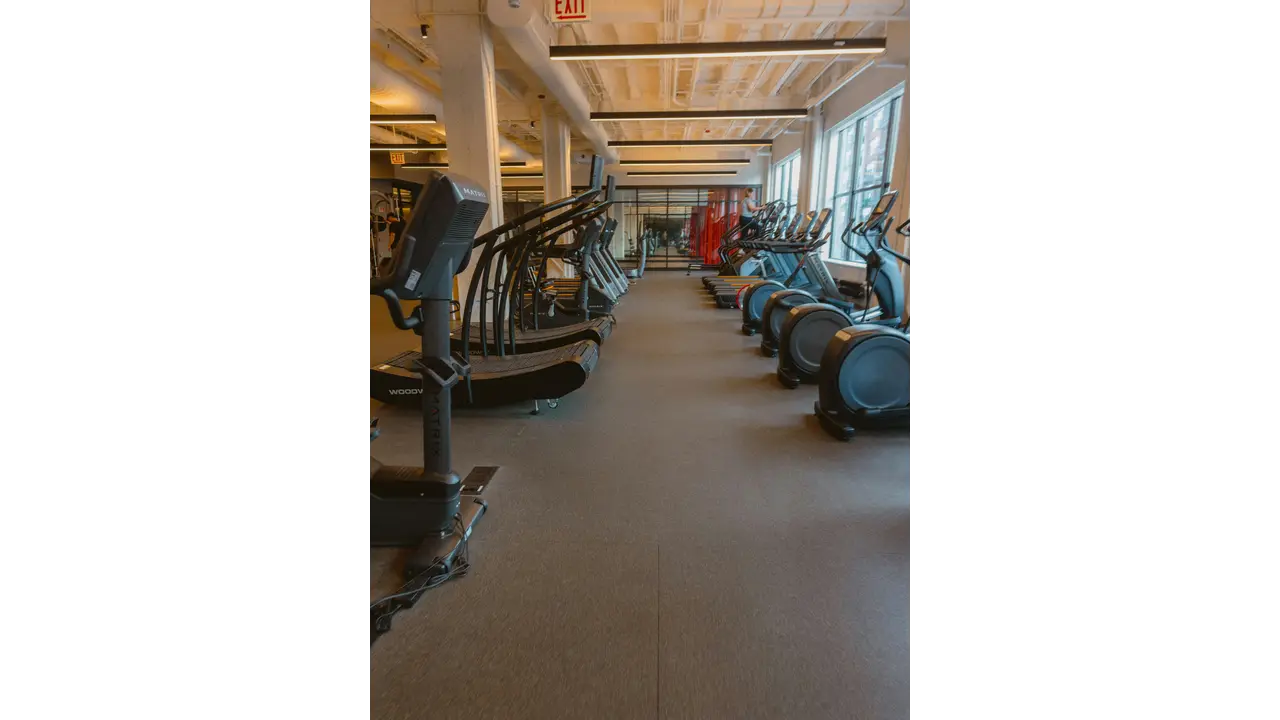
Introduction
Sea Wonders Treadmills are packed with features: steep incline, high top speed, fancy cushioning systems, touchscreens, training apps, decline, heart-rate sensors, quick keys, auto-adjust coaching… and the list keeps growing.
But here’s the truth: most people only need a few features to get great results—and buying the wrong features is one of the fastest ways to waste money.
This guide breaks down the three most important “feel + results” features—incline, speed, and cushioning—and shows you exactly which ones matter most depending on your goal: fat loss, daily steps, beginner fitness, running performance, joint comfort, apartment living, or family use.
If you follow this framework, you’ll choose a treadmill that:
-
matches how you’ll actually train at home
-
feels comfortable enough to use consistently
-
lasts longer because you’re not forcing it into the wrong job

1) Why features should be chosen by goal (not by hype)
When people say “I want the best treadmill,” they usually mean:
-
the treadmill that gets used consistently
-
the treadmill that supports their routine long-term
But many buyers choose based on:
-
the biggest screen
-
the highest top speed
-
the most incline levels
-
the longest list of “programs”
And then they realize they’re not using 70% of what they paid for.
The correct way to buy features
Start with:
-
Your primary goal (fat loss, walking habit, running training, rehab, etc.)
-
Your realistic routine (days/week + session length + intensity)
-
Your body needs (joint sensitivity, height/stride, fitness level)
-
Your home constraints (space, noise, apartment, storage)
Then pick features that support those, not features that look impressive on a product page.
2) Incline: the highest ROI treadmill feature for most home users
If I had to pick one feature that delivers the biggest return for most home buyers, it’s incline.
Why incline is so powerful
Incline changes your workout intensity without forcing you to run faster. That means:
-
higher heart rate at lower speeds
-
effective calorie burn with less impact than running
-
easier intensity control (you can keep walking and still work hard)
-
better workout variety (less boredom)
Incline is “apartment-friendly intensity”
In apartments—especially in the UAE—running can create noise and vibration issues. Incline helps you:
-
train hard
-
stay low impact
-
avoid high-speed pounding that disturbs neighbors
Who benefits most from incline?
-
fat loss goals
-
beginners building a habit
-
people who dislike running
-
people with joint sensitivity
-
anyone who wants variety without speed
How much incline do you actually need?
You don’t need extreme incline to get strong results.
-
moderate incline is enough for most people
-
higher incline is a “specialization” tool (great if you love it)
If incline walking is your main plan, choose a treadmill with:
-
enough incline range to challenge you
-
easy incline controls (quick keys)
-
stable deck feel at incline (important for confidence)
3) Speed: important for runners, less important for most people
Top speed is one of the most over-marketed treadmill specs. Many buyers pay for speeds they’ll never use.
When speed actually matters
Speed is important if you will:
-
run frequently
-
do intervals
-
train for performance (5K, 10K, half marathon, etc.)
-
do faster tempo runs
If you’re a runner, speed isn’t just a number. You need:
-
stable feel at speed
-
smooth motor performance under load
-
easy-to-use controls mid-run
When speed matters less than you think
Speed is often not critical if:
-
your main routine is walking or incline walking
-
you prefer low impact workouts
-
you’re using the treadmill mainly for daily steps
-
you’re doing beginner fitness
In these cases, paying extra for very high top speed is often wasted money. You’re better off investing in:
-
stability
-
cushioning comfort
-
incline usability
-
quieter operation
Speed changes vs top speed
For interval training, the treadmill’s ability to change speed responsively matters as much as top speed.
Look for:
-
quick speed keys
-
easy controls
-
stable belt feel when accelerating/decelerating

4) Cushioning: comfort, joint-friendliness, and long-term consistency
Cushioning is one of the most personal treadmill features. Two people can try the same deck and have opposite preferences.
What cushioning actually does
A good cushioning system can:
-
reduce harsh impact
-
make workouts feel easier on knees/ankles/shins
-
increase comfort on longer sessions
-
improve consistency (you avoid workouts less)
Cushioning preferences by user type
Beginners and walkers often prefer more comfort and softness.
Some runners prefer a slightly firmer deck for a more “road-like” feel.
Joint-sensitive users usually prioritize cushioning and stability.
The “too soft” problem
A very soft deck can feel:
-
unstable at higher speed
-
“bouncy” for some runners
-
less confidence-building during intervals
That doesn’t mean soft is bad—it means cushioning must match your training style.
How to choose cushioning without testing
If you can’t try it in person, your best move is to:
-
choose a treadmill tier designed for your routine (walker vs runner)
-
prioritize stable frame and deck construction
-
read your own body: if you’re sensitive to impact, don’t underbuy cushioning
5) Goal-based feature priorities (what matters most for YOUR goal)
This is the core of the guide. Find your goal and copy your priority order.
Goal A: Fat loss (without needing to run)
Best feature priorities:
-
Incline (the main driver of intensity without speed)
-
Cushioning comfort (for longer sessions)
-
Easy controls (quick incline keys)
-
Quiet operation (especially apartment living)
-
Basic speed range (you won’t need very high top speed)
Best workout style: incline walking and progression over time
Avoid overspending on: top speed and “runner” performance features you won’t use
Goal B: Daily steps and general fitness (busy schedule)
Best feature priorities:
-
Comfort (cushioning + stable feel)
-
Easy start/stop and quick adjustments
-
Incline for variety
-
Quietness and convenience (folding if needed)
-
Simple console you actually enjoy using
The hidden “feature” that matters: convenience
If it’s annoying to set up or noisy, you’ll skip sessions.
Goal C: Beginner → jogging progression
Best feature priorities:
-
Cushioning and stability (confidence-building)
-
Belt size comfort (not too cramped)
-
Incline for low-impact intensity days
-
Speed response (for short jog intervals)
-
Clear console and quick keys
Important: buy for the runner you’ll become in 8–12 weeks.
Goal D: Running performance (5K, 10K, half marathon)
Best feature priorities:
-
Stability at speed (frame rigidity)
-
Smooth motor performance under load
-
Belt/deck size (comfort on long runs)
-
Speed controls and response (interval readiness)
-
Cushioning that suits your preference
-
Incline for hill sessions
Avoid overspending on: features that don’t affect training (like novelty programs)
Spend on: the running feel and durability
Goal E: Marathon training / high-mileage running
Best feature priorities:
-
Durability (strong build, stable feel)
-
Motor consistency for long sessions
-
Deck comfort over time
-
Controls that work during fatigue
-
Incline and training variety
-
After-sales support and warranty
This goal is less about “features” and more about “surviving heavy use.”
Goal F: Joint-friendly cardio / rehab-style training
Best feature priorities:
-
Cushioning comfort (protect joints)
-
Incline for intensity at low speed
-
Smooth low-speed performance
-
Stability and handrail confidence
-
Simple controls
Important: comfort is the feature. If it hurts, you won’t do it.
Goal G: Apartment living (Dubai/UAE)
Best feature priorities:
-
Stability (less wobble = less vibration)
-
Cushioning + mat compatibility (impact reduction)
-
Incline (intensity without sprinting)
-
Quiet motor performance at low–mid speeds
-
Folding convenience (only if you’ll actually fold it)
Apartment strategy: incline walking is your best friend.
Goal H: Multiple-user household (family treadmill)
Best feature priorities:
-
Stability + durability (different users stress the treadmill)
-
Easy controls (everyone can operate it)
-
Comfort (cushioning for different bodies)
-
Incline variety
-
Reliable warranty/support
When several people use it, reliability matters more than “maximum specs.”
6) How incline, speed, and cushioning interact (the part most guides miss)
These features don’t operate separately. They interact.
Incline shifts your posture and footstrike. Good cushioning can make incline sessions:
-
feel smoother
-
reduce fatigue discomfort
-
support longer workouts
Speed + cushioning
At higher speeds, cushioning preferences become clearer:
-
some runners want firmness for responsiveness
-
others prefer comfort for longer runs
Incline + speed
High incline at high speed is very demanding. Many users get excellent training results with:
-
moderate incline + brisk walking
instead of sprinting.
Simple advice:
If you’re not a runner, you can get huge results without chasing speed. Use incline progression instead.
7) Feature traps: what people overpay for (and regret)
Trap 1: Buying top speed you’ll never use
Most non-runners rarely touch very high speeds. If you don’t run now and don’t plan to, don’t pay extra for it.
Trap 2: Buying extreme incline without enjoying incline training
Extreme incline is amazing if you love it. But if you don’t, you’ve paid for a feature you won’t use.
Trap 3: Buying a huge screen instead of better stability
A big screen doesn’t make running comfortable. Stability does.
Trap 4: Choosing “soft” cushioning but needing stability
If you plan to run fast or do intervals, too-soft can feel unstable.
Trap 5: Ignoring quick keys and controls
Even the best specs are annoying if the treadmill is annoying to use.
8) Practical recommendations: how to pick the right feature mix in 5 minutes
Here’s a simple decision process you can apply immediately:
Step 1: Choose your primary goal
-
Fat loss / incline walking
-
Steps / general fitness
-
Beginner jogging
-
Running performance
-
Joint-friendly cardio
-
Apartment-friendly training
-
Multiple-user household
Step 2: Choose your primary intensity lever
-
If you dislike running → incline is your lever
-
If you love running → speed and stability are your lever
-
If you need low impact → cushioning and incline are your lever
Step 3: Choose the “must-haves”
Pick your top 3:
-
strong incline usability
-
stable running feel
-
joint-friendly cushioning
-
quiet operation
-
easy controls/quick keys
-
folding storage
Step 4: Ignore the rest unless you’ll use it weekly
If a feature won’t be used weekly, it’s usually not worth paying extra.
9) UAE considerations: heat, dust, and consistency
Features matter, but UAE living affects whether you stick to the treadmill.
Heat management increases usage
If running feels too hot indoors, you’ll skip. Add:
-
a fan
-
ventilation
-
hydration nearby
Dust management keeps the treadmill smoother
Dust can increase friction and noise over time. Basic habits help:
-
wipe down after workouts
-
keep the area clean
-
follow belt maintenance guidance
Apartment life rewards low-impact consistency
Incline walking is often the most sustainable strategy in UAE apartments because it:
-
reduces impact noise
-
still burns calories
-
builds fitness fast
FAQs
1) Is incline more important than speed for weight loss?
For most home users, yes. Incline helps you increase intensity without needing to run fast, which makes it easier to stay consistent.
2) Do I need a high top speed if I’m not a runner?
Usually no. If you mainly walk or jog lightly, you’re better off paying for stability, comfort, and incline instead.
3) What cushioning is best for knee pain?
Most people with knee sensitivity prefer a comfortable, joint-friendly deck. But cushioning is personal—choose what keeps workouts comfortable and consistent.
4) Does cushioning make a treadmill quieter?
It can reduce impact feel, but noise also depends on frame stability, belt maintenance, and using a treadmill mat—especially in apartments.
5) What features matter most for running workouts?
Stability at speed, smooth motor performance, comfortable belt/deck size, and easy speed controls. Incline is also useful for hill sessions.
6) Should apartment users prioritize incline walking?
Yes. Incline walking can be intense without the impact noise of fast running, making it one of the best apartment-friendly training styles.
7) What’s the best “feature combination” for most families?
A stable treadmill with incline, comfortable cushioning, easy controls, and a durable build. These matter more than extreme top speed or a huge screen.
Conclusion
Incline, speed, and cushioning are the three features that most strongly shape your treadmill results and experience—but the best choice depends on your goal. For most home users, incline is the highest ROI feature because it boosts intensity without requiring running speed. Speed matters most for runners and interval training, but top speed is often overpaid for by non-runners. Cushioning is the comfort feature that keeps you consistent—especially for longer sessions and joint-sensitive users—though too-soft can feel unstable for some runners. Choose features based on what you’ll use weekly, prioritize stability and ease-of-use, and you’ll end up with a treadmill that fits UAE home life and actually delivers results.
Related Blogs



Bose SoundLink Bluetooth Speaker
£50.00£60.00
Canon's press material for the EOS 5D states that it 'defines (a) new D-SLR category', while we're not typically too concerned
- Availability :In Stock