
 Locate Our Store
 +971 562162730
 AED
AED SAR
SAR KWD
KWD QAR
QAR BHD
BHD OMR
OMR


Best Treadmills for Running at Home: What to Buy for 5K to Marathon Training
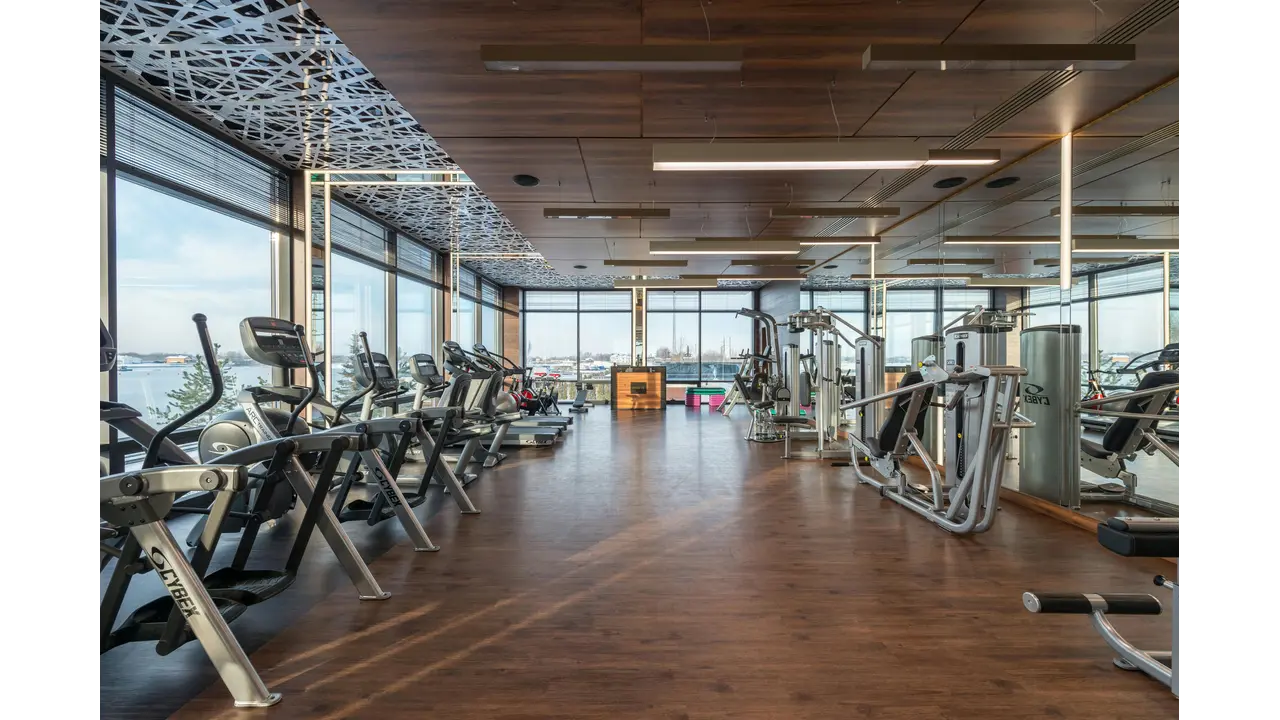
Introduction
Running on a treadmill at home is one of the fastest ways to build fitness—because it removes the biggest barrier: getting out the door. But running also punishes the wrong treadmill. A machine that feels “okay” for walking can feel unstable, cramped, loud, or inconsistent once you’re doing tempo runs, long steady runs, or intervals.
This guide is built for runners—from new 5K runners to half-marathon and marathon training—with UAE home realities in mind (apartments, noise, space, dust, heat, and support). The goal is simple: help you buy a treadmill that feels good at running speeds and lasts.

1) Pick your runner profile first (this determines everything)
Before you compare brands or prices, decide what kind of runner you actually are (or will be in the next 3–6 months). Your “runner profile” determines the minimum specs you should target.
Profile A: New runner / 5K training
-
Running 2–4 days/week
-
Mix of walking + jogging
-
Short intervals and beginner plans
-
Most runs under 30–40 minutes
Your priorities: comfort, stability, a belt that doesn’t feel cramped, and easy controls.
Profile B: Regular runner / 10K–half marathon
-
Running 3–6 days/week
-
Longer steady runs (45–90 minutes)
-
Tempo sessions and structured plans
Your priorities: stronger motor consistency, bigger deck feel, frame rigidity, and a stable experience at moderate to fast pace.
Profile C: High-mileage runner / marathon training
-
Running 5–7 days/week (often high weekly volume)
-
Long runs 90+ minutes
-
Frequent tempo + intervals
Your priorities: durability, stable deck feel at speed, strong motor under load, and better component quality (rollers, frame, deck).
Quick reality check:
If you’re moving from “I want to run” to “I run consistently,” buy for the runner you’ll be in 8–12 weeks, not the runner you are today. Most people progress quickly when the treadmill is enjoyable.
2) Deck length and belt width: the #1 comfort factor for runners
Runners quit treadmills for two reasons more than anything else: it feels cramped, or it feels unstable. Deck size solves the first problem.
Belt length (why runners need more)
When you run, your stride length increases and you shift forward/back more than you think—especially during fatigue, intervals, or incline.
A practical guideline many runners follow:
-
Running belts around ~150 cm (60") long feel comfortable for most runners
-
Shorter decks can work for shorter users or jogging, but tall runners often regret it
If you’re tall or have a long stride, prioritize length. A cramped belt makes you subconsciously shorten stride, increasing discomfort and reducing the “natural” feel.
Belt width (comfort + safety)
A wider belt makes running feel safer, especially if:
-
you drift slightly side to side
-
you’re new to treadmill running
-
you do intervals or faster running
Many runners prefer ~50–55 cm (20–22") width because it feels less restrictive.
Deck feel (the “hidden” difference between two similar-looking treadmills)
Two treadmills can have similar numbers but feel different because of:
-
deck stiffness
-
cushioning design
-
roller quality
-
frame rigidity
If you can’t test in person, prioritize runner-oriented lines and heavier-duty models. “Runner feel” matters.
3) Motor performance: what runners should actually look for
Marketing loves “peak horsepower,” but runners need consistent performance under load—especially during long runs and intervals.
Continuous power matters most
A treadmill can claim a big number and still feel strained at running pace. Runners should look for:
-
smooth speed holding (no surging)
-
stable belt movement under foot strike
-
confidence that it won’t feel “overworked” at your usual pace
How to match motor needs to training type
-
Easy running + jogging: moderate motor strength can be fine
-
Tempo runs + long runs: you’ll want stronger consistency for 45–90+ minutes
-
Intervals: the treadmill must handle repeated accelerations without feeling laggy or noisy
Signs the motor is “not enough” for you
-
speed feels inconsistent when you land harder
-
belt feels like it hesitates
-
motor sounds harsh at moderate speeds
-
you avoid using it at faster paces because it feels unstable
Runner rule:
If running is your main use, don’t buy “walking-first” just because it’s cheaper. The treadmill’s job is to make running feel good—not to merely survive it.
4) Stability and frame: the difference between “usable” and “fun to run on”
A stable treadmill is more than comfort—it’s motivation. If it wobbles, you’ll run less.
What creates stability?
-
heavier, more rigid frame
-
better construction and joints (less flex)
-
solid deck supports
-
quality rollers and belt tracking
Folding vs non-folding for runners
Folding can be excellent if the treadmill is truly sturdy, but cheaper folding models often wobble at higher speed.
-
Apartment runner who jogs: folding can work well
-
Frequent runner doing long runs and intervals: prioritize stability first; folding only if it’s proven stable
Weight capacity (use it as a durability signal)
Don’t buy “just enough.” Choose a treadmill with margin above the heaviest user. It usually means:
-
less strain on the motor
-
less frame flex
-
longer-lasting components
Simple test (even without testing):
If the treadmill is designed as a “runner model,” it will usually advertise stability and durability features. If it’s positioned as “compact/space saver,” it’s often not ideal for frequent running.
5) Cushioning + incline: runner comfort, injury prevention, and smarter training
Cushioning is personal—some runners love soft, some prefer firm. But for most home runners, the goal is clear: reduce harsh impact without feeling unstable.
Cushioning: choose what keeps you consistent
-
If you get shin/knee irritation easily, cushioning matters more.
-
If you want a more road-like feel, you may prefer a firmer deck.
Either way, you should not feel “beat up” after easy runs. If you do, the treadmill isn’t the right match or your training intensity is too high too soon.
Incline: a runner’s secret weapon
Incline isn’t just for walkers. Runners use it to:
-
reduce impact while maintaining effort (slower speed, higher incline)
-
train hills without outdoor logistics
-
improve form and posterior chain strength
-
keep training interesting during long blocks
Even 1% incline is commonly used to simulate outdoor effort for some runners, while higher inclines are great for hill sessions.
Decline (if available)
Decline can help train downhill mechanics, but it’s not essential for most home runners. Prioritize stability, deck size, and motor first.
6) Speed control and console ergonomics: intervals demand good controls
Intervals are where cheap treadmills reveal themselves. If the treadmill is annoying to control, you won’t do speed work.
What runners should look for
-
quick speed and incline keys (so you’re not tapping tiny buttons repeatedly)
-
responsive changes (not slow “ramping” when you need a quick surge)
-
readable display at a glance
-
easy start/stop controls
-
safety key and stable handrails (for quick recoveries)
Small details that matter during hard sessions
-
Can you change speed without losing focus?
-
Are the buttons reachable while running?
-
Does the treadmill “jump” too abruptly, or change smoothly?
If you’ll do intervals weekly, prioritize the console/controls more than you think.
7) Training features: useful tools (but don’t buy a treadmill for a screen)
Apps, coaching, and interactive training can be great—if they match your personality.
Features runners genuinely use
-
structured workouts (tempo, intervals, hill repeats)
-
heart rate support (especially if you train by zones)
-
workout history / progress tracking
-
easy manual mode (sometimes the best mode)
Screens and subscriptions: when they’re worth it
They’re worth paying for if:
-
you get bored easily
-
you like guided sessions and coaching
-
you want plans built into the treadmill experience
They’re not worth paying for if:
-
you already use a watch + your own workouts
-
you prefer music/podcasts
-
you don’t want recurring subscriptions
Buy the treadmill for the running feel first. Everything “smart” should be secondary.
8) UAE home runner setup: noise, vibration, heat, and dust
Running at home in the UAE has a few extra considerations that can make or break your consistency.
Apartments: noise and vibration strategy
To reduce complaints and stress:
-
use a thick treadmill mat
-
place the treadmill on a stable surface (no rocking)
-
avoid placing it directly against a shared bedroom wall if possible
-
keep belt properly aligned and maintained (misalignment increases noise)
Even a great treadmill can become loud if it’s not set up well.
Heat and airflow
Running indoors gets hot fast. Make it easy:
-
add a fan (seriously—this improves treadmill enjoyment a lot)
-
keep space ventilated
-
avoid placing the treadmill in a cramped corner where you feel boxed in
Dust management
Dust is common in the region. Your treadmill will last longer if you:
-
wipe down after use
-
keep the surrounding floor clean
-
follow the manufacturer’s maintenance/lubrication guidance
This isn’t complicated—just consistent.

9) What to buy by running level and budget (runner-focused recommendations)
Availability changes, but the “right type of treadmill” doesn’t. Here’s how to buy by your training level.
Tier 1: Beginner runner / 5K training (value runner)
Best for: walk-jog plans, 2–4 runs/week, short sessions
Prioritize:
-
stable enough frame for jogging
-
comfortable belt width
-
belt length that doesn’t feel cramped
-
incline for variety
-
simple controls
Avoid: ultra-compact models if you plan to progress into frequent running.
Tier 2: The sweet spot for most runners (serious home running)
Best for: consistent running, 10K and half-marathon training
Prioritize:
-
runner-sized deck (length matters)
-
strong motor consistency for long sessions
-
better frame stability
-
reliable incline and easy controls
Common example category: a “Commercial-class” treadmill (NordicTrack’s 1750-class models often sit here as a popular all-rounder for runners).
Tier 3: Premium runner / high-mileage training (marathon-ready comfort)
Best for: frequent long runs + weekly intervals + heavy use
Prioritize:
-
maximum stability and durability
-
premium deck feel
-
strong motor under load
-
better component quality and warranty
Common example category: higher-tier “Commercial-class” models (NordicTrack’s 2450-class is often chosen by runners who want a more premium feel and plan higher mileage).
Where incline trainers fit (runner note)
Incline trainers are amazing for cardio variety and hill work, but if your main goal is flat long runs, you might prefer a standard running treadmill with a larger deck and stable feel.
10) Final runner checklist: choose the right treadmill in 5 minutes
Use this checklist before you buy:
-
✅ Your plan: 5K / 10K / half / marathon
-
✅ Weekly running frequency: 2–3 vs 4–6 vs 6–7 days
-
✅ Your height and stride: taller runners need more deck length
-
✅ Your weight range: buy with margin above the heaviest user
-
✅ Deck comfort: enough length + comfortable width
-
✅ Stability: minimal wobble at your intended pace
-
✅ Motor consistency: smooth under load (especially for long runs)
-
✅ Controls: quick keys + easy operation during intervals
-
✅ Home factors: mat, space, ceiling height, ventilation
-
✅ Support: warranty and service availability in UAE
If a treadmill checks these, it’s almost always a good running buy—even if it doesn’t have the flashiest screen.
FAQs
1) What treadmill is best for running at home?
A runner-focused treadmill with a long enough deck, strong stability, and smooth motor performance under load is best. Runners benefit most from deck size and stability.
2) How long should a treadmill belt be for running?
Many runners prefer around 150 cm (60") belt length for comfort, especially if they’re taller or run faster. Shorter belts can feel cramped.
3) Can I train for a half marathon or marathon on a treadmill?
Yes. Many runners complete full training blocks indoors. The key is a treadmill that stays comfortable for long runs and doesn’t feel unstable at speed.
4) Is a folding treadmill okay for runners?
Some are, but stability varies. If you run often, choose a folding treadmill only if it’s known to be sturdy at running speeds.
5) Do runners need incline?
It’s not required, but it’s extremely useful for hill training, variety, and reducing impact while maintaining effort. Even small incline settings can add training value.
6) What features matter most for intervals?
Responsive speed changes, easy-to-reach controls, quick keys, and stable running feel at faster pace. If the console is frustrating, you’ll avoid speed work.
7) How do I reduce treadmill noise in an apartment?
Use a thick mat, keep the treadmill stable and level, maintain belt alignment, and avoid placing it against shared walls when possible.
Conclusion
The best treadmill for running at home is the one that makes running feel natural, stable, and comfortable—especially when you’re tired. Start by choosing based on your runner profile (5K to marathon), then prioritize the runner essentials: deck length and width, stability, motor consistency, and easy controls for real training sessions. In UAE homes, add the practical layer: mat for vibration, ventilation for comfort, and basic dust-aware maintenance to keep it running smoothly. Get those right, and you’ll have a treadmill you can train on for years—whether you’re chasing your first 5K or building marathon endurance.
Related Blogs



Bose SoundLink Bluetooth Speaker
£50.00£60.00
Canon's press material for the EOS 5D states that it 'defines (a) new D-SLR category', while we're not typically too concerned
- Availability :In Stock