Locate Our Store
 +971 562162730
 AED
AED SAR
SAR KWD
KWD QAR
QAR BHD
BHD OMR
OMR


How to Check Genuine Energizer Batteries in UAE: Packaging, Date Codes, and Red Flags
Introduction
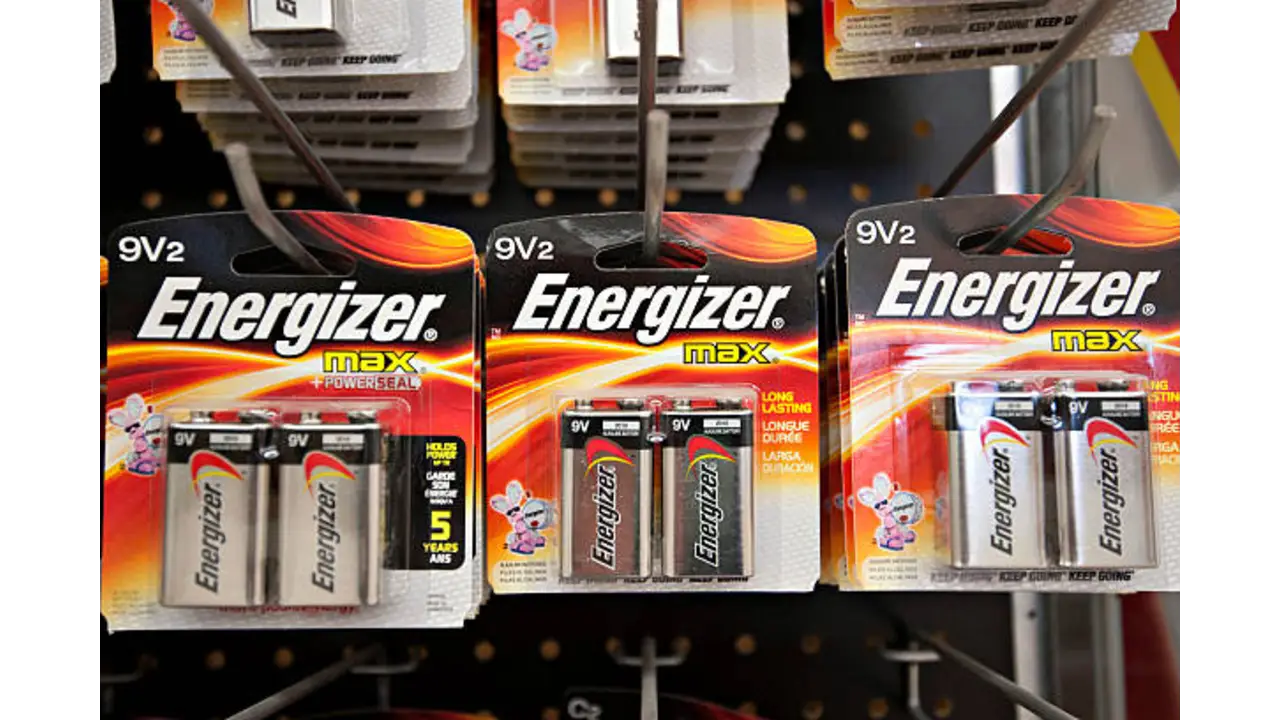
Counterfeit batteries are frustrating because they don’t always fail immediately. Sometimes they “work,” but deliver weak runtime, leak early, corrode devices, or trigger customer complaints—especially when you’re selling or deploying them at scale. In the UAE, demand for premium batteries is high, so well-known brands like Energizer batteries can be targeted by counterfeiters and grey-market repackaging.
This guide shows you how to reduce that risk with a practical, repeatable checklist. You’ll learn what to inspect on packaging, how to use expiry/date markings and batch details without guessing, and which red flags should make you pause before buying in bulk. Visit our store Sea wonders.
First: What This Guide Can (and Can’t) Do
You usually cannot “prove authenticity” 100% from a single photo or one pack. The best approach is risk reduction through multiple checks:
-
Physical inspection (packaging, seals, printing consistency)
-
Date/expiry validation (visible, consistent, and acceptable remaining shelf life)
-
Carton-level proof (labels, batch consistency, pack-to-carton matching)
-
Seller accountability (documentation, invoice quality, willingness to provide proof)
When several checks align, your confidence goes up. When multiple things look wrong, the risk rises quickly.
Step 1: Packaging Checks That Catch Most Fake or Repacked Stock
Counterfeits are often caught through small inconsistencies. Don’t rely on one sign. Use a bundle of checks.
A) Print quality and sharpness
Genuine premium packaging is usually consistent and clean. Watch for:
-
blurred text or fuzzy edges
-
inconsistent ink density (some areas look washed out)
-
uneven color tones across packs
-
poor-quality images or logos that look “soft” rather than sharp
What to do:
Inspect at least 3–5 packs from the same carton. If each pack looks slightly different, that’s a warning.
B) Spelling, typography, and alignment
Counterfeit packaging often slips on “small design discipline.” Look for:
-
unusual spacing between letters
-
inconsistent font weight
-
misaligned text blocks
-
text that drifts off-center
-
weird punctuation or awkward wording
What to do:
Compare the front and back of multiple packs. Genuine packaging tends to be uniform across the batch.
C) Blister seal quality (for retail packs)
If you’re buying Energizer batteries in blister packs, seal quality matters.
Red flags include:
-
uneven sealing around edges
-
lifted corners
-
glue streaks or glue blobs
-
“wavy” plastic where the seal looks reworked
-
paper backing that looks reattached or torn and re-stuck
What to do:
Run a finger along the seal edge. It should feel consistent—not patchy.
D) Tamper signs: re-sealing and repacking indicators
Watch for:
-
scuffs and scratches that look like opened-and-closed packaging
-
mismatched backings (different textures or print style)
-
uneven cut lines around the blister
-
packs that look “too worn” for new retail items
What to do:
If you suspect repacking, ask for carton photos and request a small test order first—never buy large quantities on trust alone.
E) Barcode/SKU consistency (pack-to-pack consistency matters)
You don’t need to decode barcodes. What matters is:
-
barcodes are present and printed cleanly
-
packs of the same SKU show consistent barcode placement and styling
-
carton labels (if available) match the pack description
What to do:
If packs appear to represent the same product but have noticeably different layouts or labels, treat that as a risk.

Step 2: Inspect the Battery Itself (Not Just the Packaging)
Counterfeiters can copy outer packaging reasonably well. The battery body can still show inconsistencies.
Look for:
-
uneven printing on the battery casing
-
poor alignment of text and icons
-
smudges or rub-off from light handling
-
dents, unusual discoloration, or inconsistent finish
-
leaking residue or crusting (even tiny signs are serious)
Important:
Never accept batteries that show any leakage or corrosion signs—even if “only a few.” Leakage can spread risk to devices and to the rest of your inventory.
Step 3: Expiry and Date Markings — How to Use Them Without Guessing
A) Where expiry might appear
Expiry markings can appear on:
-
the retail pack
-
the battery itself
-
the carton label (for bulk)
-
sometimes a combination of these
There is no single “one place always” rule that applies to every pack type and every production run. Your goal is not to memorize a location—it’s to ensure:
-
expiry/date marking is present somewhere appropriate,
-
it is readable,
-
and it makes sense across the stock you’re receiving.
B) The business rule that matters most: minimum remaining shelf life
For procurement in the UAE, don’t argue about how to “decode” every marking. Set a standard:
Minimum remaining shelf life on delivery: ___ months
Common corporate approaches:
-
High-rotation businesses (fast use): set a moderate minimum
-
Retail/e-commerce: set a higher minimum to avoid customer complaints
-
Slow-use branches: set a higher minimum because stock sits longer
C) Avoid mixed expiry cartons (unless approved)
Mixed expiry is a hidden operational cost:
-
harder rotation
-
higher chance of accidentally using oldest stock last
-
more customer complaints if you sell it
Best practice:
Prefer single-expiry cartons. If mixed expiry is unavoidable, require clear separation and labeling.
D) Batch/lot codes: what to check (without claiming proprietary decoding)
You don’t need to “interpret” brand batch codes perfectly to use them for validation.
What you want to see:
-
codes exist (not blank)
-
codes are consistent across multiple packs from the same carton
-
carton label and inner packs don’t look like they came from different worlds
What to do:
Ask the seller for:
-
a carton label photo (if bulk)
-
close-up of the printed code area on a few packs
-
expiry proof photo
A reputable supplier can provide this quickly.

Step 4: Carton-Level Proof (The Most Reliable Check for Bulk Buyers)
If you buy cartons or cases of Energizer batteries (common for AA/AAA corporate supply), carton proof is where authenticity confidence improves.
What to request
-
photo of the outer carton label
-
photo of the inner packs inside the carton
-
close-up showing expiry/date marking for that batch
-
confirmation of units per carton and pack format
What you are checking
-
carton label description matches the packs inside
-
pack variant matches what you ordered (alkaline vs lithium vs rechargeable)
-
batch/expiry markings are consistent and acceptable
-
the carton looks factory-handled, not “assembled from mixed leftovers”
If a supplier refuses carton proof for a bulk order, treat it as a serious warning.
Step 5: Seller Verification (UAE Practical Approach)
Even genuine stock can become risky if a seller has no accountability. Instead of relying on vague claims like “100% original,” ask for practical proof.
Ask for:
-
seller business details (basic legitimacy)
-
VAT invoice with clear line items (brand, size, variant, quantity)
-
delivery note and proof of delivery (for businesses)
-
willingness to share carton label photos and expiry proof
Why invoice quality matters
A seller who can’t produce a clear VAT invoice often can’t provide traceability. And when something goes wrong, that lack of documentation becomes your problem.
Red Flags List: When to Pause or Walk Away
Use this list like a traffic-light system.
High-risk red flags (often deal-breakers)
-
price far below normal market level with no clear explanation
-
seller refuses to show expiry proof or carton label photos
-
“no invoice” or vague invoice lines like “battery” only
-
mixed packaging styles for the “same product” in one batch
-
resealed packs or uneven blister seals
-
packs with inconsistent print quality in the same carton
-
any sign of leakage, corrosion, or residue
Medium-risk red flags (requires extra proof)
-
seller pushes urgency tactics (“today only”)
-
seller cannot confirm exact variant (alkaline/lithium)
-
seller offers “loose cells” presented as retail line stock
-
carton counts don’t match pack counts
-
inconsistent code placement across packs in the same shipment
Low-risk but still worth checking
-
packaging scuffs from transport (as long as seals and print quality remain consistent)
-
minor carton wear (if inner packs are intact and uniform)
Decision Tree: What to Do If You Suspect Counterfeit or Grey Stock
If you see 1 red flag:
-
request carton label + expiry photo proof
-
request photos of 3–5 packs from the same carton
-
consider a small test order first
If you see 2–3 red flags:
-
do not buy bulk
-
buy a minimal test quantity only if absolutely necessary
-
insist on documentation and clear invoice lines
-
switch vendor if proof is delayed or unclear
If you see multiple major red flags:
-
do not proceed
-
select a different supplier
-
protect your operations and your customer trust
If performance issues appear after purchase:
-
quarantine the batch (don’t distribute further)
-
record pack photos, expiry, and any batch markings
-
isolate affected devices if leakage is present
-
stop sales/usage of that batch until verified
Copy/Paste: Message to Request Proof From Any Seller (Energizer-Focused)
Use this exact message to reduce back-and-forth and filter unreliable vendors.
Request for Authenticity + Expiry Proof (Energizer Batteries, UAE)
Please confirm the following for the available stock:
-
Brand and line: Energizer batteries (specify AA/AAA/9V/coin cell code + variant)
-
Provide clear photos of:
-
front/back of 3 packs from the same batch
-
expiry/date marking (close-up)
-
outer carton label (if carton supply)
-
Confirm minimum remaining shelf life on delivery: ___ months
-
Confirm no substitutions without written approval
-
Confirm storage away from direct sun/heat exposure
-
Provide VAT invoice with itemized lines (brand + size/code + variant + quantity + VAT)
Thank you.
FAQs
How can I tell if Energizer batteries are original in the UAE?
Use multiple checks: packaging quality and seal integrity, consistent markings across multiple packs, visible and acceptable expiry, carton label proof for bulk orders, and seller documentation (clear VAT invoice and willingness to provide proof).
Where is the expiry date printed on Energizer batteries?
It can appear on the pack, battery, or carton label depending on format and batch. The practical approach is to request expiry proof photos and set a minimum remaining shelf-life requirement.
Can I verify authenticity using barcode alone?
Barcode presence helps, but it is not enough by itself. Counterfeit packaging can include barcodes. Combine barcode consistency with seal, print quality, expiry proof, and carton-level checks.
Are Energizer Industrial batteries more likely to be counterfeit?
Any high-demand product can be targeted. Industrial lines are often purchased in bulk, so carton-level proof and consistent batch details become especially important.
Do the same checks apply to Duracell batteries?
Yes—the same risk-reduction approach applies: packaging consistency, expiry proof, batch consistency, carton mapping, and seller documentation. If your procurement policy allows, standardize one brand and keep tight controls to avoid random mixing.
Final Takeaway
To check genuine Energizer batteries in the UAE, don’t rely on one “magic sign.” Use a layered verification approach:
-
Packaging: consistent print, clean seals, no repacking signs
-
Date/expiry: visible, acceptable remaining shelf life, minimal mixed expiry
-
Carton proof: labels match inner packs, batch consistency
-
Seller proof: clear VAT invoice, willingness to provide photos and documentation
When you make proof part of the purchase, counterfeit risk drops sharply—and your operations, devices, and customers stay protected.
Related Blogs