
 Locate Our Store
 +971 562162730
 AED
AED SAR
SAR KWD
KWD QAR
QAR BHD
BHD OMR
OMR


Best Energizer Options for High-Drain Devices (POS, Cameras, Sensors) in Dubai Heat
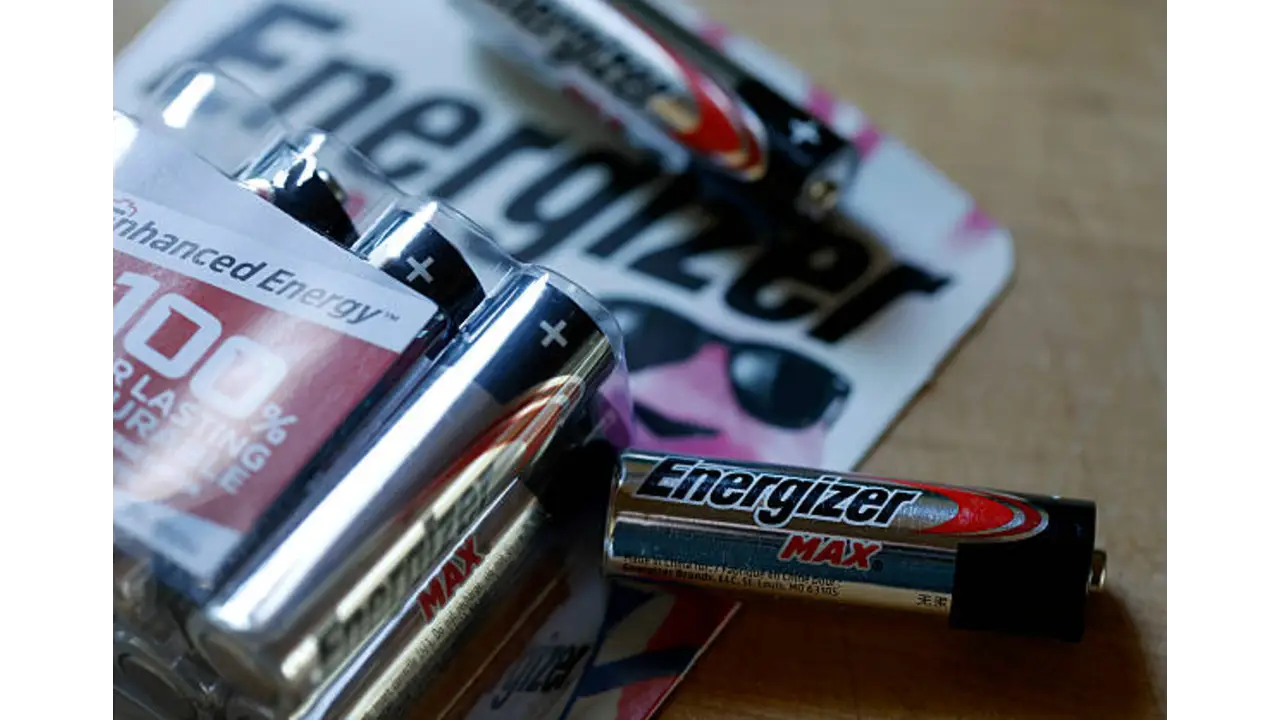
Introduction
High-drain devices don’t fail politely. They fail mid-shift, mid-transaction, mid-inspection, or mid-security incident—when a POS scanner stops reading, a camera accessory dies, or a sensor drops offline and starts throwing alerts.
In Dubai, there’s an extra layer of risk: heat. Heat doesn’t just make people uncomfortable—it can accelerate battery self-discharge, raise leakage risk, and punish weak storage practices. That’s why “any AA battery” is a false economy for high-drain environments also check batteries stock at Sea wonders.
This guide shows Dubai businesses how to choose the right Energizer batteries options for:
-
POS ecosystems (scanners, peripherals, handhelds)
-
cameras and security devices
-
sensors and building devices (IoT, access control, smart devices)
You’ll also get a practical standardization framework—so procurement is consistent across branches and emergency orders drop sharply.
What “High-Drain” Really Means (Simple Explanation)
High-drain devices pull power in two common ways:
1) Continuous draw
The device pulls power steadily over time—like a device that’s always “on,” always communicating, or always sensing.
2) Peak draw (power spikes)
Some devices look “normal” most of the time, then demand a sudden surge:
-
scanning bursts
-
wireless transmit bursts
-
motor or actuator movements
-
flash or illumination events
These peaks can cause weak batteries to show symptoms fast:
-
random restarts
-
connectivity drops
-
low-battery warnings too early
-
inconsistent performance from one set to another
For businesses, the goal isn’t just “battery life.” It’s stable voltage under load—so devices don’t glitch, stall, or fail when teams need them.

Dubai Heat Reality: Why Battery Choice and Storage Matter More Here
Heat doesn’t automatically “ruin” good batteries, but it raises your risk if:
-
stock sits in sun-exposed storage,
-
deliveries wait in hot loading bays,
-
cartons are left in non-ventilated spaces,
-
inventory rotation is poor and older stock gets pushed out late.
In hot climates, the practical approach is to combine:
-
the right battery option for the job, and
-
strict procurement acceptance rules (shelf life + storage + handling).
Even the best Energizer batteries can underperform if you buy near-expiry stock or store it badly.
Energizer Options That Matter for High-Drain Devices
Most Dubai business use-cases come down to four practical categories:
-
Energizer alkaline (for general use and many medium-drain devices)
-
Energizer lithium (AA/AAA lithium where compatible, for critical high-drain or extreme reliability needs)
-
Energizer rechargeables (when replacements happen constantly and charging discipline is realistic)
-
Energizer coin cells (CR-series for sensors and small electronics—code accuracy matters most)
Below is the decision framework you can apply to POS, cameras, and sensors.
Option 1: Energizer Alkaline for “Most Devices, Most of the Time”
For many business devices, high drain is not “extreme drain.” It’s “moderate drain with frequent use.” In these cases, alkaline is still the standard because it’s:
-
practical to source,
-
easy to standardize,
-
cost-effective when you manage inventory properly.
When Energizer alkaline is the right pick
-
office peripherals used daily but not constantly
-
remotes and controls used frequently
-
many POS peripherals that use AA/AAA (device dependent)
-
many security accessories and torches (depending on usage pattern)
Dubai procurement tip for alkaline
If you’re choosing between Energizer lines for bulk operations, align to a line that supports:
-
consistent replenishment
-
predictable stock availability
-
simple ordering (AA/AAA focus)
-
standardized cartons for corporate supply
This matters more than people realize: you don’t want 5 different AA SKUs floating around across sites.
Option 2: Energizer Lithium for “Critical High-Drain and Reliability-First” Situations
Lithium AA/AAA options (where compatible with your device) are often chosen by businesses when:
-
device failure is costly,
-
replacement frequency is too high,
-
devices operate in tougher conditions,
-
or reliability is more important than lowest unit cost.
When to consider lithium in Dubai operations
-
critical devices where downtime is expensive
-
devices that create frequent “low battery” issues even with good alkaline
-
equipment used in long shifts or field use where replacement is disruptive
-
devices that must remain stable under bursts of demand
Procurement caution
Lithium is not a “buy it and forget it” upgrade. You still need:
-
correct storage
-
verified shelf life
-
no substitutions without approval
-
correct SKU matching by device type
If you decide to introduce lithium, treat it as an approved exception policy—not a free-for-all.

Option 3: Energizer Rechargeables for Frequent Replacement Cycles
Rechargeables can be excellent for high-use environments if—and only if—you can support:
-
a charging station workflow,
-
disciplined rotation,
-
and correct usage practices.
Where rechargeables make sense
-
devices that burn through AA/AAA frequently
-
environments with predictable cycles (shift-based replacement)
-
teams with clear ownership of charging and inventory
Where rechargeables fail (common in businesses)
-
no discipline around charging and rotation
-
mixed old and new cells used together
-
chargers scattered without accountability
-
“borrowed” charged cells never returned
If your reality includes these risks, rechargeables can become chaotic. In that case, a controlled disposable standard may outperform in practice.
Option 4: Coin Cells (CR-series) for Sensors — Code Accuracy Is the Priority
For sensors and many small electronic devices, coin cells are common. The #1 mistake businesses make is ordering the wrong code:
-
CR2032 vs CR2025 vs CR2016 (all 3V, different thickness)
-
CR2430 (different size)
-
LR44 (different voltage category)
For sensors, the most important rule is:
Match the exact code printed on the device tray or old cell.
In Dubai heat, coin-cell inventory should be:
-
stored carefully,
-
rotated using FEFO (first-expiry-first-out),
-
and purchased with a minimum remaining shelf-life requirement.
Device-Based Recommendations (The Practical Matrix)
Below is a simple “what to standardize” approach based on the three categories in your title: POS, cameras, and sensors.
A) POS Devices and Retail Operations
POS ecosystems often include:
-
handheld barcode scanners
-
wireless peripherals
-
small devices at checkout
-
auxiliary devices (depending on your setup)
What batteries POS setups most commonly use
Many POS devices use AA or AAA (device dependent). Some use specialized packs. For the AA/AAA world, your choice is mostly about:
-
stability under frequent use,
-
replacement frequency,
-
and operational continuity.
Recommended Energizer approach for POS
Primary standard (most businesses):
-
Energizer alkaline AA/AAA as your baseline
Why: easy to standardize, consistent procurement, fast replenishment.
Upgrade trigger (when to consider lithium or rechargeables):
-
if the device set is replaced too frequently (constant replacements)
-
if you see repeated low-battery warnings early
-
if downtime impacts transaction flow
Rechargeables make sense when:
-
replacements are frequent and predictable
-
you can run a charging process reliably
POS procurement tip that saves money
Standardize on a small set of SKUs:
-
AA alkaline (Energizer)
-
AAA alkaline (Energizer)
-
a defined exception SKU (e.g., AA lithium or rechargeables) only for approved devices
This prevents branches from buying random variants and complaining about “inconsistent batteries.”
B) Cameras and Security Devices (High-Stakes Reliability)
“Camera devices” can mean many things:
-
camera accessories
-
security tools
-
torches
-
detection devices (depending on your security setup)
Recommended Energizer approach for cameras/security
Baseline:
-
Energizer alkaline for general-purpose items and moderate use
Reliability-first / high-stakes cases:
-
consider Energizer lithium AA/AAA where compatible and where failure cost is high
For torches and frequent-use field tools:
-
define a standard that matches the device type (AA/AAA/C/D)
-
if a torch is mission-critical, consider upgrading the chemistry or using controlled rechargeables—depending on your operational discipline
Security procurement note (Dubai operations)
Security teams often operate in heat, long shifts, and urgent conditions. The biggest risk isn’t the brand—it’s:
-
stockouts,
-
poor storage,
-
and inconsistent buying across shifts.
Your best protection is a planned replenishment system with clear minimum stock levels.
C) Sensors (IoT, Access Control, Building Devices) — The “Correct Code” Problem
Sensors and smart building devices often run on:
-
coin cells (CR2032, CR2025, CR2016, etc.)
-
AA or AAA (some models)
-
occasionally 9V (device dependent)
Recommended Energizer approach for sensors
Priority #1: exact code match
-
If it says CR2032, buy CR2032—do not “swap” based on what seems similar.
Priority #2: shelf-life control
Sensors may consume slowly. That means near-expiry inventory becomes a problem faster.
Set a procurement rule:
-
minimum remaining shelf life on delivery: ___ months
-
no mixed-expiry cartons (unless approved and clearly separated)
Priority #3: avoid mixed batches
For sensor maintenance programs, mixed batches create inconsistent service intervals and confusing replacements.
The Dubai Heat Checklist for High-Drain Battery Programs
Use this checklist to prevent heat-related performance issues—regardless of battery type.
Storage rules (must-have)
-
store away from direct sunlight
-
avoid hot loading bays and non-ventilated storage corners
-
keep cartons off the floor (palletized or shelved)
-
keep stock in clean, dry conditions
-
rotate inventory using FEFO
Delivery handling rules
-
deliveries should be protected from sun exposure during transport and unloading
-
do not leave cartons sitting outside during mid-day heat
-
inspect packaging upon receipt
Inspection window (business best practice)
Inspect within ___ hours:
-
carton condition (crush/wet exposure)
-
seal integrity (no reseals)
-
expiry markings (spot-check)
-
any sign of leakage (quarantine immediately)
Procurement Rules That Reduce Replacements and Downtime
For high-drain fleets, these rules are more important than debating “which battery is best”:
1) Standardize on a small approved list
Most businesses do well with 3–6 SKUs total:
-
AA alkaline (Energizer)
-
AAA alkaline (Energizer)
-
one approved exception (AA/AAA lithium or rechargeable) for critical high-drain devices
-
CR2032 (if used)
-
CR2025 (if used)
-
9V only if your devices require it
2) Set minimum remaining shelf life on delivery
This protects you from slow performance, leakage risk, and dead inventory:
-
“Minimum remaining shelf life: ___ months”
3) No substitutions without written approval
Substitutions cause:
-
device inconsistency,
-
performance complaints,
-
and procurement confusion.
4) Prefer single-expiry cartons
Mixed expiry complicates rotation and maintenance cycles.
5) Shift from “urgent buying” to scheduled replenishment
Same-day emergency purchases are usually:
-
more expensive,
-
more substitution-prone,
-
and harder to verify for storage quality.
Scheduled replenishment (weekly/bi-weekly) is how you reduce cost and downtime.
FAQs
Are lithium AA/AAA better for high-drain devices in Dubai?
Lithium AA/AAA can be a strong option for critical high-drain use where reliability matters and devices are compatible. For many businesses, alkaline remains the baseline and lithium becomes an approved exception for specific high-stakes devices.
Should I use Energizer alkaline or rechargeables for scanners and POS devices?
If replacements are frequent and you can enforce charging discipline, rechargeables may reduce long-term costs. If charging discipline is difficult, a standardized alkaline program with good stock planning is often more reliable operationally.
Which coin cell is best for sensors: CR2032 or CR2025?
Neither is “best” universally. The correct choice is the exact code your device specifies. CR2032 and CR2025 are both 3V but differ in thickness.
How do I reduce battery leakage risk in Dubai heat?
Control storage and handling: keep stock away from direct sun/heat, set minimum shelf-life rules, rotate inventory, and quarantine any damaged or leaking packs immediately.
If Energizer is out of stock, is Duracell a good alternative?
Many businesses use Duracell batteries as a controlled alternative standard. If you allow it, keep the same rules: exact size/code match, minimum shelf life, and no substitutions without approval.
Final Takeaway
For high-drain devices in Dubai heat, the “best” battery choice is the one that combines:
-
the right chemistry for the device’s power draw,
-
consistent procurement and stock planning,
-
and strict storage/expiry controls.
Most Dubai businesses do best with:
-
Energizer alkaline AA/AAA as the operational baseline,
-
a controlled upgrade path to lithium or rechargeables for critical high-drain devices,
-
and exact-code purchasing for sensors using coin cells.
Related Blogs


Bose SoundLink Bluetooth Speaker
£50.00£60.00
Canon's press material for the EOS 5D states that it 'defines (a) new D-SLR category', while we're not typically too concerned
- Availability :In Stock