
 Locate Our Store
 +971 562162730
 AED
AED SAR
SAR KWD
KWD QAR
QAR BHD
BHD OMR
OMR


Energizer Battery Codes Explained (AA/AAA/9V & More): Picking the Right SKU for Each Device
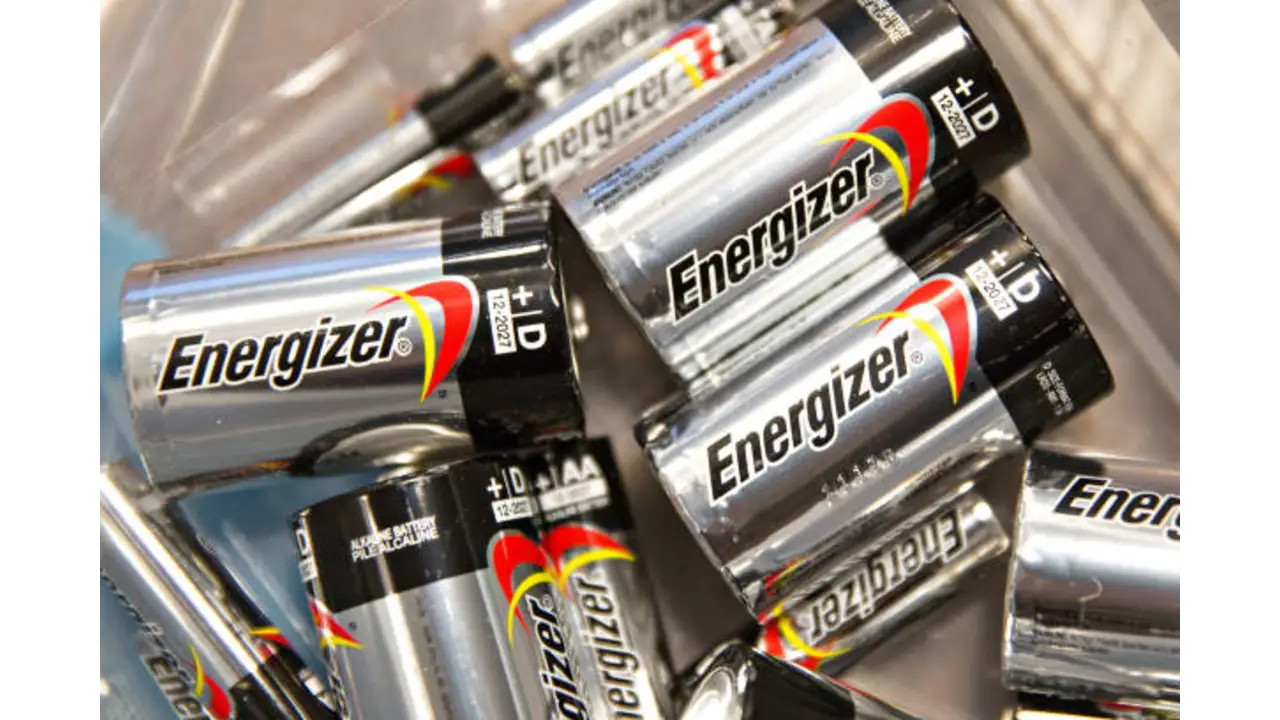
Introduction
Buying the right battery should be easy—until you’re standing in front of a shelf (or ordering urgently) and you see a mix of terms like AA, LR6, AAA, LR03, 6LR61, CR2032, and more.
Here’s the good news: battery “codes” are not random. They’re a system. Once you understand the codes, you can pick the correct Energizer batteries SKU for each device the first time—without returns, performance issues, or device failures caused by the wrong size or chemistry.
This guide explains the most common battery codes used in Dubai homes and businesses, with:
-
a simple code chart (AA/AAA/9V/C/D + coin cells),
-
a device-to-battery picker,
-
and copy/paste procurement lines for consistent ordering.
The 60-Second Rule: How to Identify the Right Battery Every Time
Before you buy, do this fast check:
Step 1: Look at the device battery compartment label
Many devices print the required type inside the battery door (examples: “AA 1.5V,” “AAA,” “CR2032”).
Step 2: Check the old battery markings
Your old battery usually shows the exact code you need:
-
AA might show LR6
-
AAA might show LR03
-
9V might show 6LR61
-
Coin cells often show CR2032, CR2025, CR2016, etc.
Step 3: Match three things, not one
To avoid mistakes, match:
-
Size/shape (AA vs AAA vs coin cell)
-
Voltage (1.5V, 3V, 9V)
-
Chemistry/variant (alkaline vs lithium vs rechargeable)
Step 4: Don’t “upgrade” by guessing
A different code that “looks close” can still be wrong—especially coin cells. Always match the exact code printed on the device or old battery.

Battery Code Cheat Sheet (Energizer Codes Made Simple)
Here’s the quick mapping most buyers need.
Cylindrical batteries
-
AA = LR6 (typically 1.5V alkaline)
-
AAA = LR03 (typically 1.5V alkaline)
-
C = LR14 (typically 1.5V alkaline)
-
D = LR20 (typically 1.5V alkaline)
-
9V = commonly 6LR61 (typically 9V alkaline)
Coin/button cells
-
CR2032 = 3V lithium coin cell
-
CR2025 = 3V lithium coin cell
-
CR2016 = 3V lithium coin cell
-
CR2430 = 3V lithium coin cell
-
LR44 = 1.5V alkaline button cell (different category than CR-series)
Now let’s break this down properly so you can choose the right Energizer SKU by device.
AA Battery Codes Explained (AA = LR6)
What “LR6” means
LR6 is the IEC code commonly used to describe an AA alkaline battery format. In everyday terms, if your device says AA, you’re usually looking at the LR6 size category.
Where AA is commonly used
AA is one of the most common sizes across Dubai homes and businesses:
-
TV and AC remotes (many models)
-
wall clocks (many models)
-
wireless keyboards and mice (some models)
-
handheld devices and scanners (some models)
-
toys and basic electronics
Choosing the right Energizer AA SKU (practical guidance)
-
For everyday devices: AA alkaline is the standard choice.
-
For high-use operational devices: consider your device category and replacement frequency (more on this in the device picker). If you replace AA batteries constantly, you may want to standardize on a consistent line and consider a managed replenishment plan.
Important: AA batteries are not “one universal performance level.” Your results depend on the device’s power draw and how often it’s used.
AAA Battery Codes Explained (AAA = LR03)
What “LR03” means
LR03 is the IEC code commonly used to describe an AAA alkaline battery format. If your device says AAA, it’s typically LR03 size.
Where AAA is commonly used
AAA appears frequently in:
-
smaller remotes
-
wireless mice and smaller peripherals
-
sensors and lightweight devices
-
compact electronics
AAA is smaller than AA and holds less energy overall, so high-drain devices may burn through AAA faster.

9V Battery Codes Explained (9V = commonly 6LR61)
What “6LR61” means
The code 6LR61 is commonly associated with the classic 9V alkaline battery format used in many devices.
Where 9V is commonly used
-
smoke alarms (device-dependent)
-
test equipment
-
certain microphones and audio devices
-
specific measurement tools
Critical warning for 9V devices
For safety or compliance-related devices (like alarms), do not substitute blindly. Some devices have strict requirements. Always check the battery compartment label and device manual requirements.
C and D Battery Codes Explained (C = LR14, D = LR20)
C batteries (LR14)
C batteries are larger than AA/AAA and are typically used in:
-
larger flashlights
-
some radios
-
certain equipment needing longer runtime
D batteries (LR20)
D batteries are larger again and often used in:
-
heavy-duty torches
-
industrial devices requiring high runtime
-
equipment where long life matters more than compact size
Why C and D are less “instant” than AA/AAA
AA and AAA are most commonly stocked everywhere because demand is constant. C and D are often stocked in smaller quantities depending on supplier inventory. Plan ahead if your business uses them regularly.
Coin Cells Explained (CR2032 and Friends)
Coin cells are where most wrong purchases happen. The codes look similar, and people assume they can swap them. Often, they cannot.
CR2032 vs CR2025 vs CR2016 (same voltage, different thickness)
All three are commonly 3V lithium coin cells, but they differ in thickness. That can affect:
-
whether the battery fits properly,
-
whether it makes reliable contact,
-
and how long it lasts in the device.
Rule: use the exact code your device specifies.
If your device says CR2032, do not replace it with CR2025 “because it fits.” It may not perform correctly.
Where CR2032 is common
-
car key fobs (many models)
-
computer motherboard CMOS batteries
-
small remotes
-
sensors and small electronics
-
weighing scales (some models)
Where CR2025 is common
-
slim key fobs
-
compact remotes
-
some sensors
Where CR2016 is common
-
very slim electronics
-
some small remotes and specialty devices
CR2430 (larger/thicker 3V coin cell)
CR2430 is a different size family than CR2032. It’s used in:
-
some medical devices
-
some sensors
-
some remotes and specialty electronics
Again, match the code exactly.
LR44 Explained (Button Cell, Different Category)
LR44 is a common 1.5V alkaline button cell, used in:
-
small toys
-
thermometers (some models)
-
small gadgets
-
laser pointers and mini devices
Do not confuse LR44 (1.5V button cell) with CR-series coin cells (3V lithium). They are not interchangeable.
Device-to-Battery Picker: Choose the Right Energizer Code by Device
Use this section when you don’t want to think in codes—just in devices.
Always verify your model: device requirements can vary. Use the compartment label as the final authority.
Remotes (TV, AC, set-top box)
-
Most common: AA (LR6) or AAA (LR03)
-
What to do: open the battery compartment and match the label or old battery
Wireless keyboard and mouse
-
Common: AA (LR6) or AAA (LR03)
-
Office tip: standardize across your company to reduce confusion (choose one Energizer line for AA/AAA)
Door locks and smart locks
-
Often: AA (LR6) (number of cells depends on model)
-
Tip: do not mix old and new cells inside the same device
Warehouse scanners and handheld devices
-
Often: AA (LR6) or AAA (LR03) depending on the scanner model
-
Operations tip: these are high-use devices—track consumption and keep minimum stock to avoid downtime
Security torches and industrial flashlights
-
Common: AA, AAA, C (LR14), or D (LR20) depending on torch size
-
Tip: keep extra stock for C/D if they’re critical—same-day availability may be less consistent than AA/AAA
Smoke alarms and safety devices
-
Common: 9V (often 6LR61) or AA depending on the alarm model
-
Critical warning: follow device requirements strictly; do not substitute randomly
Car key fobs
-
Common: CR2032 or CR2025 (depends on model)
-
Tip: match the exact code printed on the old battery
Weighing scales
-
Common: CR2032 or CR2430 (depends on model)
-
Tip: wrong thickness can cause intermittent contact
Small sensors, thermometers, gadgets
-
Could be: CR-series coin cells or LR44 button cells
-
Tip: match code and voltage; don’t guess based on “same size look”
Common Mix-Ups That Cause Returns (Avoid These)
Mix-up 1: AA vs AAA
They look similar but are different sizes. Your device won’t work correctly if you force it.
Mix-up 2: CR2032 vs CR2025 vs CR2016
Same voltage family, but thickness differs. Fit and contact reliability can break.
Mix-up 3: LR44 vs CR2032
Different voltage families (1.5V vs 3V). Not interchangeable.
Mix-up 4: “Any 9V will do”
Not always. Some devices are strict. Match your device requirements.
Are Energizer Codes Different from Duracell Codes?
The codes like LR6, LR03, CR2032 are industry codes used across brands. That means:
-
An Energizer LR6 and a Duracell LR6 refer to the same size category.
For businesses, the key is standardization:
-
pick Energizer batteries as your primary standard (if that’s your policy),
-
allow Duracell batteries only as a controlled alternative if needed,
-
and avoid random mixing at branch level.
Copy/Paste Procurement Lines (Energizer-Focused)
Use these exact lines in your PO, RFQ, or inventory specification.
AA (LR6)
“Energizer batteries – AA (LR6) – [Alkaline/Lithium/Rechargeable] – qty ___ – minimum remaining shelf life ___ months – no substitutions.”
AAA (LR03)
“Energizer batteries – AAA (LR03) – [Alkaline/Lithium/Rechargeable] – qty ___ – minimum remaining shelf life ___ months – no substitutions.”
9V (6LR61)
“Energizer batteries – 9V (6LR61) – [Alkaline/Lithium] – qty ___ – minimum remaining shelf life ___ months – no substitutions.”
C (LR14)
“Energizer batteries – C (LR14) – [Alkaline/Lithium] – qty ___ – minimum remaining shelf life ___ months – no substitutions.”
D (LR20)
“Energizer batteries – D (LR20) – [Alkaline/Lithium] – qty ___ – minimum remaining shelf life ___ months – no substitutions.”
CR2032
“Energizer batteries – CR2032 – 3V lithium coin cell – qty ___ – minimum remaining shelf life ___ months – no substitutions.”
CR2025
“Energizer batteries – CR2025 – 3V lithium coin cell – qty ___ – minimum remaining shelf life ___ months – no substitutions.”
LR44
“Energizer batteries – LR44 – 1.5V alkaline button cell – qty ___ – minimum remaining shelf life ___ months – no substitutions.”
FAQs
What does LR6 mean on an Energizer battery?
LR6 is a common IEC code used to represent the AA alkaline size category.
Is LR03 the same as AAA?
Yes—LR03 is commonly used to represent the AAA alkaline size category.
What is 6LR61 and is it the same as 9V?
6LR61 is commonly associated with the classic 9V alkaline format.
Can I replace CR2032 with CR2025?
Only if your device explicitly allows it. They are different thicknesses, and swapping can cause contact issues or shorter runtime.
Which Energizer battery should we standardize on for offices?
Most offices standardize AA and AAA first, then add 9V or coin cells based on device needs. Standardization reduces wrong purchases and urgent buying.
Final Takeaway
Battery codes look confusing until you know what to look for. Once you match the code on the device or old battery, choosing the right Energizer batteries SKU becomes straightforward:
-
AA = LR6
-
AAA = LR03
-
9V = commonly 6LR61
-
C = LR14
-
D = LR20
-
Coin cells must match exactly (CR2032 vs CR2025 matters)
Related Blogs


Bose SoundLink Bluetooth Speaker
£50.00£60.00
Canon's press material for the EOS 5D states that it 'defines (a) new D-SLR category', while we're not typically too concerned
- Availability :In Stock