
 Locate Our Store
 +971 562162730
 AED
AED SAR
SAR KWD
KWD QAR
QAR BHD
BHD OMR
OMR


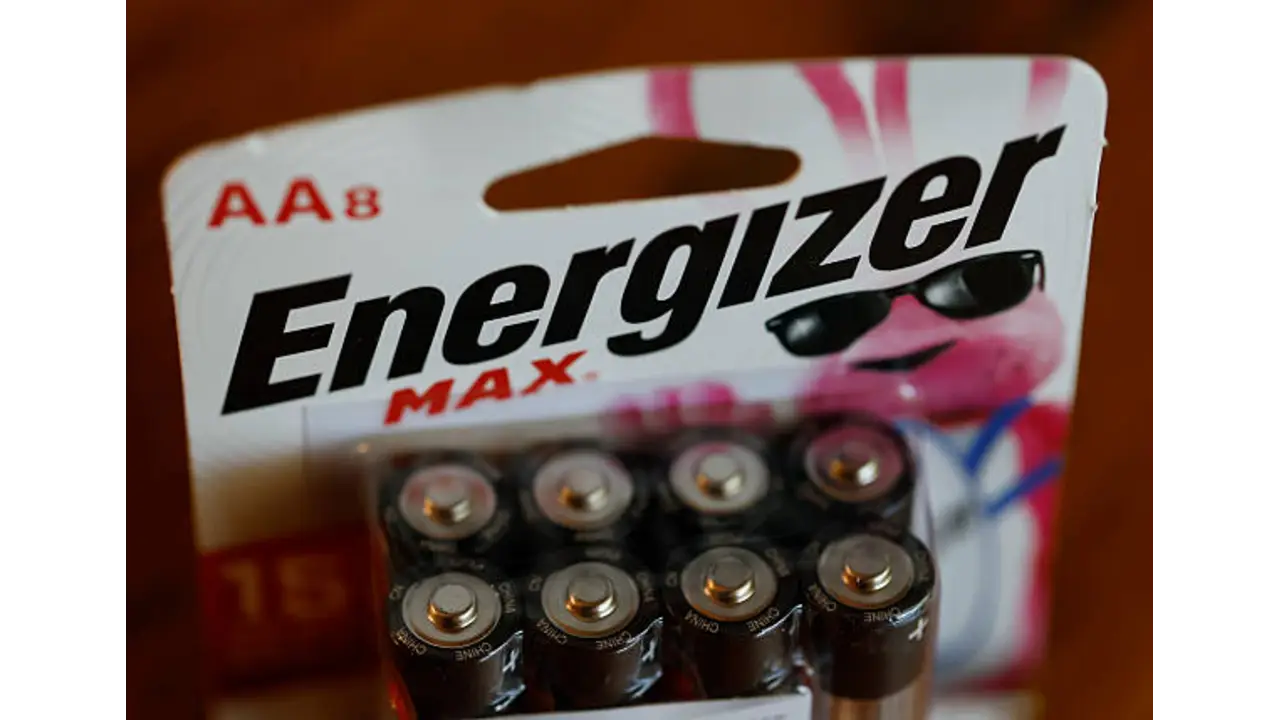
Energizer Max vs Energizer Industrial: Which One Should Dubai Businesses Standardize On?
Introduction
If your business operates across offices, branches, warehouses, service teams, or retail locations in Dubai, batteries are not a “small purchase.” They’re a reliability input. They keep scanners moving, locks working, remotes responsive, sensors awake, and equipment available when teams need it.
But most businesses don’t manage batteries—they react to them:
-
a branch runs out and buys whatever is nearby,
-
different variants get mixed,
-
performance becomes inconsistent,
-
invoices multiply,
-
and you end up paying more in labor and downtime than you ever save on unit price.
Standardization is the fix. And for many Dubai buyers, the most common question inside the Energizer family is:
Should we standardize on Energizer Max or Energizer Industrial?
This guide answers that in procurement terms—packaging, usage fit, cost control, and how to build a clean “approved battery list” that works across multiple sites. For more details visit Sea wonders website.
The Quick Answer (If You Need a Fast Decision)
-
Choose Energizer Industrial if you want a business-first standard for recurring use, bulk purchasing, simplified replenishment, and better operational control (especially for AA and AAA across multiple branches).
-
Choose Energizer Max if you want a retail-packaged standard that’s easy for small teams to buy and store, often used in customer-facing environments or low-to-moderate consumption locations.
Most Dubai businesses end up using a hybrid approach:
-
Industrial as the operational baseline (bulk, scheduled supply)
-
Max as a controlled exception (retail pack convenience, urgent small needs, customer-facing packaging)
Now let’s make the choice properly—with a framework you can apply to your devices and consumption patterns.

What Each Line Is “For” (Business Lens, Not Marketing Lens)
Energizer Max (how businesses typically use it)
Energizer Max is often treated as the “default premium consumer” option:
-
common in retail packaging,
-
easy to pick up in smaller quantities,
-
useful when you don’t want to open cartons or manage bulk storage.
For businesses, Max works well when:
-
usage is moderate,
-
procurement is decentralized (smaller offices, small teams),
-
you need quick access in retail pack format,
-
or you want a simple “grab-and-go” battery standard.
Energizer Industrial (how businesses typically use it)
Energizer Industrial is typically favored in operational settings because it aligns with:
-
bulk carton purchasing,
-
predictable replenishment,
-
lower packaging overhead per cell,
-
and cleaner procurement workflows.
For businesses, Industrial works well when:
-
usage is high and repeatable (AA/AAA heavy),
-
you want scheduled deliveries,
-
you want fewer emergency buys,
-
you want fewer pack-format variations,
-
or you want easier standardization across multiple branches.
Important note: A business standard isn’t only about performance. It’s also about reducing procurement friction and operational variability.
The Differences Dubai Businesses Actually Care About
1) Packaging and procurement efficiency
Energizer Max is often easiest when you need smaller packs and don’t want to hold cartons.
Energizer Industrial fits better when you want cartons/cases and consistent replenishment.
Why it matters in Dubai:
-
Multi-branch operations benefit from bulk formats because you can set branch min/max levels and restock on schedule.
-
Small sites may prefer retail packs because storage and control are easier.
2) Total cost of ownership (TCO), not unit price
Dubai businesses often get stuck comparing unit price only. The real cost includes:
-
staff time to source batteries urgently,
-
admin time handling multiple invoices,
-
downtime when devices fail,
-
repeat replacements when the wrong variant gets used.
In many operational environments, Industrial wins because it reduces:
-
emergency orders,
-
fragmented buying,
-
and inconsistent stock.
3) Stock planning and standardization control
If you want one approved list across branches, you need:
-
consistent SKU availability,
-
consistent packaging format,
-
and fewer exceptions.
Industrial is usually easier to standardize for high-use SKUs like AA and AAA because it aligns with “keep stock, replenish predictably.”
4) Waste and handling overhead
More retail packs can mean:
-
more packaging waste,
-
more partial packs scattered across sites,
-
harder inventory counting.
Bulk formats reduce noise:
-
fewer packaging units,
-
easier counting by carton,
-
simpler storage organization.
5) Availability for urgent needs
For urgent “small quantity today” situations, Max in retail packs may be easier to source quickly—especially if a branch is allowed to purchase locally in emergencies.
The best corporate model is:
-
Industrial for planned supply,
-
Max as a controlled emergency fallback (with approval rules).

Device-Based Standardization Matrix (Use This to Decide)
Below is a practical framework. It doesn’t require lab testing or complicated math—just categorize your devices by how they consume batteries.
Category A: Low-drain, long-life devices
Examples:
-
TV and AC remotes
-
wall clocks
-
basic sensors with low draw
-
occasional-use devices
What matters most: shelf stability, reliability, avoiding leakage risk, and consistent supply.
Standardization recommendation:
-
If your usage is low and decentralized: Energizer Max is often convenient.
-
If you stock centrally for multiple branches: Energizer Industrial is often easier to manage.
Procurement tip:
Set a minimum remaining shelf-life rule. Low-drain devices consume slowly, so near-expiry stock becomes dead inventory faster.
Category B: Medium-drain, everyday office devices
Examples:
-
wireless keyboards and mice
-
presentation clickers
-
handheld thermometers or small equipment
-
moderate-use devices
What matters most: consistent performance, predictable replacements, simple replenishment.
Standardization recommendation:
-
Single site/small office: Energizer Max is usually simple.
-
Multi-branch or office networks: Energizer Industrial typically reduces buying chaos.
Category C: High-drain or frequent replacement operations
Examples:
-
warehouse scanners and handheld devices
-
frequent-use torches
-
equipment used across shifts
-
event operations with heavy usage
What matters most: minimizing replacement frequency and avoiding downtime.
Standardization recommendation:
-
Energizer Industrial is usually the baseline because bulk supply + consistent replenishment prevents stockouts.
-
Create an “exception policy” for specific devices if needed (for example, approving a different chemistry or rechargeable program for high-drain tools).
Operational tip:
Track consumption by branch/team. High-drain environments benefit the most from scheduled delivery and min/max PAR levels.
Category D: Critical devices (safety or compliance-sensitive)
Examples:
-
alarms (often 9V depending on device)
-
critical sensors
-
devices that cannot fail during inspections
What matters most: reliability + no substitutions.
Standardization recommendation:
-
Choose one approved line and enforce “no substitutions.”
-
For 9V, keep a dedicated standard and do not allow alternative variants without approval.
Procurement tip:
For critical devices, ban mixed brands and avoid “equivalent replacements” unless you’ve tested them operationally.
A Simple Cost Model Dubai Businesses Can Actually Use
Instead of asking “Which is cheaper per battery?” ask these three questions:
1) How many replacements happen per month?
If you’re replacing batteries frequently (especially AA/AAA), Industrial usually becomes attractive because:
-
you can buy and store efficiently,
-
you avoid urgent purchases,
-
and you reduce admin time.
2) What does downtime cost us?
If scanner downtime delays picking/packing or service work, the cost of a battery failure is not the battery—it’s the lost productivity.
In that environment, prioritize:
-
reliable standardization,
-
availability,
-
and a clear replenishment plan.
3) How much procurement noise do we have?
If multiple branches buy separately, you pay hidden costs:
-
inconsistent purchasing,
-
invoice processing overload,
-
and inconsistent device performance.
Bulk standardization often reduces those hidden costs dramatically.
Dubai-Specific Considerations (What Changes in Hot, Fast Operations)
Storage and handling discipline matters more
Even the best batteries can disappoint if they’ve been exposed to heat or stored badly. For Dubai operations, your standard should include:
-
minimum remaining shelf life on delivery,
-
single-expiry cartons where possible,
-
proper storage proof (palletized, shaded, controlled or monitored temperature),
-
protected delivery handling.
This matters whether you choose Max or Industrial.
Multi-branch operations benefit more from Industrial
If you have multiple locations, Industrial aligns naturally with:
-
scheduled deliveries,
-
central billing,
-
branch-coded delivery notes,
-
and consumption reporting.
Recommended Standardization Playbooks (Pick One)
Playbook 1: Office / Admin Standard (low-to-moderate consumption)
-
Primary: Energizer Max for convenience
-
Optional: Industrial for head office storage if you supply multiple departments
-
Focus: reduce ad hoc buying and enforce approved SKUs
Playbook 2: Operations Standard (warehouses, security, multi-shift teams)
-
Primary: Energizer Industrial for AA/AAA
-
9V standardized separately for critical devices
-
Exception policy for high-drain devices (approved upgrades only)
-
Focus: keep min/max stock levels and schedule replenishment
Playbook 3: Multi-Branch Corporate Standard (chains, clinics, hospitality)
-
Primary: Energizer Industrial for core SKUs (AA/AAA)
-
Max allowed only for controlled emergency buys or specific sites
-
Central billing + scheduled deliveries + branch reporting
-
Focus: eliminate urgent orders and invoice clutter
Copy/Paste: Corporate Standard Spec (AA/AAA/9V) for Dubai Businesses
Use this template to lock your choice into a PO or internal procurement policy. Replace brackets.
Approved Battery Standard (Dubai Operations)
Brand: Energizer batteries
Line: [Energizer Industrial / Energizer Max]
Sizes: AA (LR6), AAA (LR03), 9V (as required)
Variant: Alkaline (unless otherwise specified)
Minimum remaining shelf life on delivery: ___ months
Substitutions: Not allowed without written approval
Cartons: Single-expiry preferred; mixed expiry not accepted unless approved
Delivery note: Must list line, size, variant, quantity
VAT invoice: Itemized by line + size + quantity + VAT
Where Duracell Fits (Quick Note for Businesses Choosing a Second Standard)
Some businesses prefer dual-brand resilience for supply continuity. If you do that, keep it disciplined:
-
Primary standard: Energizer Max or Industrial
-
Secondary approved brand: Duracell batteries for matched sizes/variants only
-
No random brand mixing at branch level
-
Use the same minimum shelf-life and “no substitution” rules
The goal of a second brand is continuity—not choice overload.
FAQs
Is Energizer Industrial “better” than Energizer Max?
For many Dubai businesses, Industrial is “better” as a procurement standard because it aligns with bulk supply, scheduled replenishment, and cost control. “Better performance” depends on device use and variant—so the most important advantage is operational consistency.
Which should we standardize on for AA and AAA across branches?
If you want fewer emergencies and cleaner replenishment, Energizer Industrial is typically the easier multi-branch standard.
Which is better for scanners and warehouse handheld devices?
Most operations standardize with Industrial as the baseline for AA/AAA and then add an exception policy if certain devices require a different approach.
Should we standardize on Max because it’s easier to buy locally?
Local convenience is useful, but it creates procurement chaos. A better approach is: Industrial for planned supply, Max only as a controlled emergency fallback.
Final Recommendation
If your Dubai business cares about consistency, multi-branch control, and predictable replenishment, Energizer Industrial is usually the strongest standardization choice—especially for AA and AAA in operational environments.
If your usage is small, decentralized, or heavily retail-pack dependent, Energizer Max can be a practical standard—just be sure you still enforce:
-
minimum shelf-life rules,
-
no substitutions,
-
and clear procurement specs.
Related Blogs


Bose SoundLink Bluetooth Speaker
£50.00£60.00
Canon's press material for the EOS 5D states that it 'defines (a) new D-SLR category', while we're not typically too concerned
- Availability :In Stock