
 Locate Our Store
 +971 562162730
 AED
AED SAR
SAR KWD
KWD QAR
QAR BHD
BHD OMR
OMR


Energizer Industrial Bulk Packs: When They Beat Retail Packs For B2B Buyers
Introduction
If you manage batteries for a business, you already know the pattern. Everything is fine for weeks, then a critical device dies, someone runs to a store, and you end up with three different pack types and two different “approved” brands across sites.
That is not a battery problem. It is a packaging and supply workflow problem.
Choosing between Energizer Industrial bulk packs and retail packs is one of the simplest ways to reduce emergency buys, messy stock rooms, and inconsistent device performance across branches.
Table Of Contents
- What B2B Buyers Mean By Bulk Packs Vs Retail Packs
- Are Energizer Industrial Batteries Actually Different From Retail Packs?
- When Energizer Industrial Bulk Packs Beat Retail Packs
- When Retail Packs Still Make Sense For Businesses
- Decision Matrix: Bulk Packs Vs Retail Packs
- How To Buy Industrial Bulk Packs Without Procurement Mistakes
- Saudi Arabia And Qatar Buying Notes
- FAQs
- Conclusion
- Key Takeaway
What B2B Buyers Mean By Bulk Packs Vs Retail Packs
Industrial bulk packs usually mean:
- Larger case quantities designed for repeat business use.
- Inner packs that are easier to hand out to teams (often 4-packs inside a larger case).
- Less retail-focused packaging, more warehouse-friendly packing.
For example, Energizer Industrial AA is commonly handled in case formats built around inner packs, and many wholesalers describe “bulk case” structures (such as 144 units per case) that simplify stocking for facilities and operations teams.
Retail packs usually mean:
- Smaller quantities per purchase.
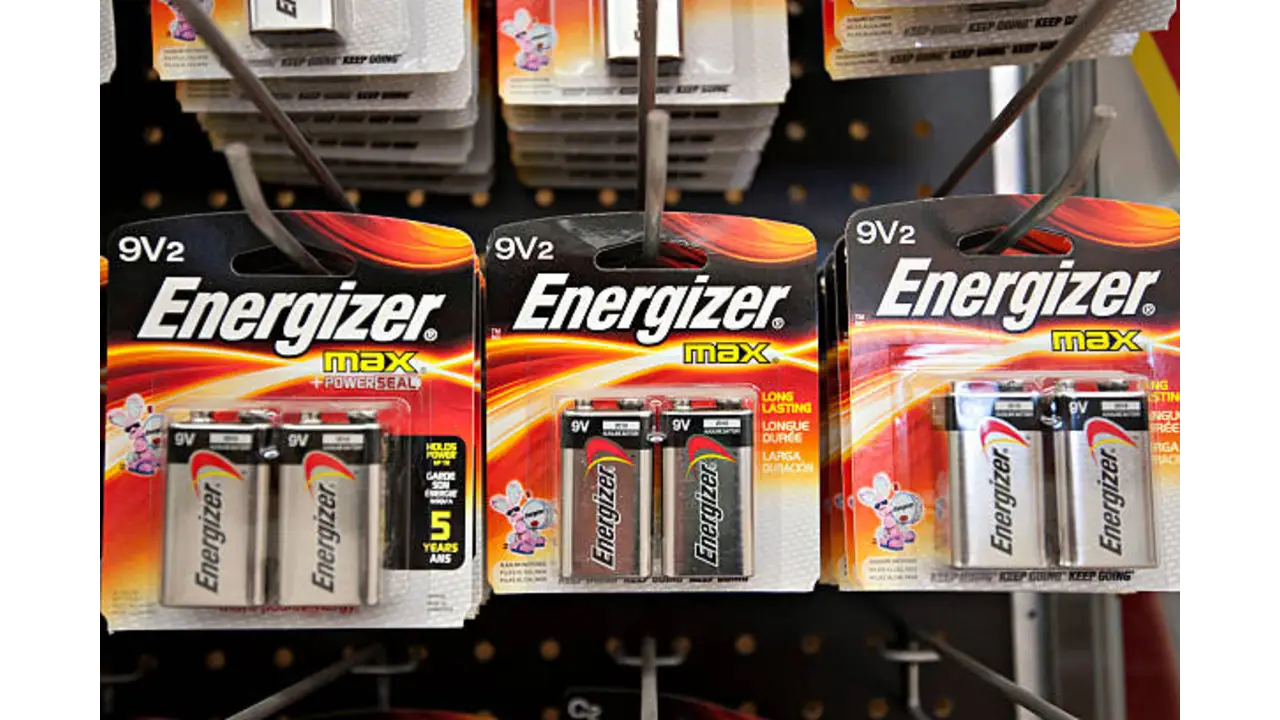
- Blister packs or consumer-friendly cartons meant for shelf display.
- More packaging waste per battery, and more “partial packs” floating around different sites.

Are Energizer Industrial Batteries Actually Different From Retail Packs?
For most business buyers, the practical difference is packaging and procurement fit, not a dramatic performance change.
Several common references summarize it the same way: industrial and regular Energizer are essentially similar in chemistry and performance, but industrial is sold in bulk for professional buying patterns, while retail is packaged for consumer convenience.
Also, the Energizer EN91 datasheet explicitly positions the industrial product as “not intended for retail trade,” which supports the idea that the main difference is route-to-market and pack format.
So the better question for a B2B buyer is:
Which pack format reduces operational friction for my sites?
When Energizer Industrial Bulk Packs Beat Retail Packs
High-Consumption Operations
If AA and AAA move constantly in your business, bulk packs win quickly.
Common examples:
- Security teams (torches, sensors, handheld devices)
- Warehouses (scanners, peripherals)
- Hospitality (remotes, locks, housekeeping devices)
- Events and production crews (mics, accessories, backups)
In these environments, retail packs create repeat trips, scattered partial packs, and mismatched variants. Bulk packs centralize supply and make replenishment a process instead of a scramble.
Multi-Branch Standardization
If you manage multiple locations, the biggest cost is not the battery. It is the inconsistency:
- Different sites buying different variants
- No clean “approved list”
- Unpredictable reorders
- Admin time across invoices and petty cash
Sea Wonders’ standardization approach is built around solving this exact problem: Industrial formats often become the operational baseline, while retail packs become the controlled exception.
Lower Total Cost Of Ownership
Unit price is only one line item. Your real cost includes:
- Staff time spent sourcing batteries urgently
- Downtime when critical devices fail
- Replacing batteries more often because the wrong variant got used
- Extra invoice and approvals overhead
If bulk packs reduce even a portion of those costs, they beat retail packs even when retail looks “close” on price.
If you want a ready-to-use format for procurement, Sea Wonders also publishes a copy/paste Battery procurement template that explicitly forces pack format, shelf life, and substitution rules into the order. That single change prevents a lot of avoidable waste.
Faster Receiving, Storage, And Distribution
Bulk packs are simpler to handle because they reduce packaging “noise.”
- Counting is easier (by carton, sleeve, or inner pack).
- Storage is cleaner (fewer random blister packs).
- Distribution is simpler (you can issue inner packs to teams).
This matters more than it sounds, especially when batteries are managed by facilities stores, not by a dedicated inventory team.
Cleaner Inventory Control And Fewer Stockouts
Bulk packs fit min/max inventory rules:
- Set a minimum quantity per site.
- Replenish on schedule.
- Keep a small emergency buffer.
- Reduce random purchases.
That is exactly how you stop “battery stockouts” from turning into operational interruptions.
When Retail Packs Still Make Sense For Businesses
Retail packs are not “wrong.” They just fit different conditions.
Retail packs can be the better choice when:
- Your consumption is low and unpredictable (small office, low device count).
- Storage space is limited and you do not want cartons onsite.
- You have controlled, customer-facing environments where retail-style packaging is preferred.
- You need small quantities immediately for a one-off requirement.
The cleanest model many companies use is:
- Industrial bulk packs for planned supply
- Retail packs for controlled exceptions only
That keeps convenience without letting purchasing drift into chaos.
Decision Matrix: Bulk Packs Vs Retail Packs
|
Scenario |
Best Fit |
Why It Wins |
What To Specify In Your PO |
|
Multi-Branch Offices Or Retail Chain |
Industrial Bulk Packs |
Standardization and scheduled replenishment |
Inner pack format, case quantity, shelf life minimum |
|
Warehouses, Security, Facilities Teams |
Industrial Bulk Packs |
High consumption, fewer stockouts |
Exact SKU/line, no substitutions, carton discipline |
|
Small Office With Low Use |
Retail Packs |
Convenience and minimal storage |
Exact line and pack size to avoid mismatches |
|
Customer-Facing Display Or Gifting |
Retail Packs |
Presentation and controlled access |
Approved pack type and variant only |
|
Events, Projects, Temporary Sites |
Industrial Bulk Packs |
Predictable stock availability and easier distribution |
Case quantity, delivery schedule, emergency buffer |
How To Buy Industrial Bulk Packs Without Procurement Mistakes
Use A Procurement Spec That Forces Clarity
If you only write “AA batteries,” you will eventually receive:
- the wrong line (Industrial vs retail line),
- the wrong chemistry (alkaline vs lithium),
- the wrong pack format,
- or near-expiry stock that becomes dead inventory.
Sea Wonders’ procurement template exists for this reason: it forces brand line, variant, packaging format, and shelf-life rules into your order so there is less room for silent substitution.
A simple, practical spec structure looks like this:
- Brand line: Energizer Industrial
- Size: AA or AAA
- Variant: Alkaline (unless specified otherwise)
- Packaging: bulk case and inner pack format required
- Minimum remaining shelf life: set a rule
- Substitutions: not allowed without written approval
Shelf Life, Storage, And GCC Heat Handling
Industrial formats often sit in storage longer because you buy more at once. Shelf life matters.
For Energizer EN91 (AA), the datasheet lists shelf life as 10 years at 21°C, and an operating temperature range of -18°C to 55°C.
DigiKey also lists shelf life as 120 months and provides a storage temperature range reference (-40°C to 50°C).
Practical GCC rule:
- Do not store cartons in direct sun, cars, or unshaded loading areas.
- Treat storage discipline as part of performance, not an afterthought.
If you want a warehouse-friendly SOP style guide, this internal resource is useful: (Internal link: GCC Summer Heat And Battery Storage)
Authenticity And Documentation Checks
If you are buying volume, you need proof habits, not trust.
A simple process:
- Request carton label photos and expiry/batch marking visibility before dispatch.
- Require consistent invoices with clear line items (brand, size, variant, quantity, pack format).
- Quarantine suspicious shipments until verified.
For a deeper checklist built for audit teams: (Internal link: How GCC Buyers Verify Battery Authenticity)
Saudi Arabia And Qatar Buying Notes
If your buying footprint is in Saudi Arabia or Qatar, pack-format discipline becomes even more valuable because:
- Sites are often spread across cities and service routes.
- Emergency buys cost more in time and coordination than most people estimate.
- You want predictable replenishment and a clean approved SKU list.
Sea Wonders supports business buyers sourcing Energizer across the region. For the most relevant pages:
- (Internal link: Energizer Batteries Supplier Saudi Arabia)
- (Internal link: Energizer Batteries Supplier Qatar)
If you keep a secondary approved brand for continuity, keep it disciplined:
- (Internal link: Duracell Batteries Supplier Saudi Arabia)
- (Internal link: Duracell Batteries Supplier Qatar)
FAQs
Are Energizer Industrial Batteries Stronger Than Retail Packs?
They are typically positioned for professional buying patterns, mainly through bulk packaging and procurement convenience. Many comparisons describe the key differences as packaging and purchase format rather than a completely different chemistry.
What Case Quantities Are Common For Industrial Packs?
Many wholesalers reference bulk case formats (often built around inner packs) to simplify storage and distribution, such as case quantities like 144 units for AA in some listings.
How Do I Stop Suppliers From Quoting A Different Pack Format?
Write pack format into the PO: inner pack size, packs per sleeve, and total units per case. Also add a “no substitutions” rule and require written confirmation.
What Shelf Life Rule Should A B2B Buyer Use?
Set a minimum remaining shelf life on delivery based on your consumption speed. The EN91 datasheet lists shelf life as 10 years at 21°C, but your acceptance rule should be about remaining shelf life at receipt.
Is Storage Really That Important If The Batteries Are Genuine?
Yes. Storage and handling affect outcomes. Reference operating and storage ranges, and avoid heat exposure during receiving and transport.
Should We Use Retail Packs For Emergencies?
Retail packs can be a controlled exception, but do not let them become the default. The best model is planned bulk supply plus a small, managed exception policy.
Conclusion
Industrial bulk packs beat retail packs when your business needs repeatable supply, predictable replenishment, and fewer procurement headaches across sites. Retail packs still have a place for low-volume locations and controlled exceptions, but they tend to create scattered inventory and inconsistent buying behavior if they become the default.
If you want to tighten your buying process next, use:
- (Internal link: Battery Procurement Template)
- (Internal link: Bulk Battery Buying Guide)
- (Internal link: Energizer Max Vs Energizer Industrial)
Key Takeaway
- Bulk packs win when AA/AAA usage is high, repeatable, and spread across teams or sites.
- Retail packs win when consumption is low, storage is limited, or presentation matters.
- The real savings come from fewer stockouts, fewer emergency runs, and cleaner standardization.
- Always specify pack format, shelf-life acceptance, and no-substitution rules in your PO.
- For KSA and Qatar buyers, predictable replenishment and disciplined SKUs matter more than small unit-price differences.
Related Blogs


Bose SoundLink Bluetooth Speaker
£50.00£60.00
Canon's press material for the EOS 5D states that it 'defines (a) new D-SLR category', while we're not typically too concerned
- Availability :In Stock