Locate Our Store
 +971 562162730
 AED
AED SAR
SAR KWD
KWD QAR
QAR BHD
BHD OMR
OMR


Best Treadmills for Running in the UAE 2026: Marathon-Ready Picks
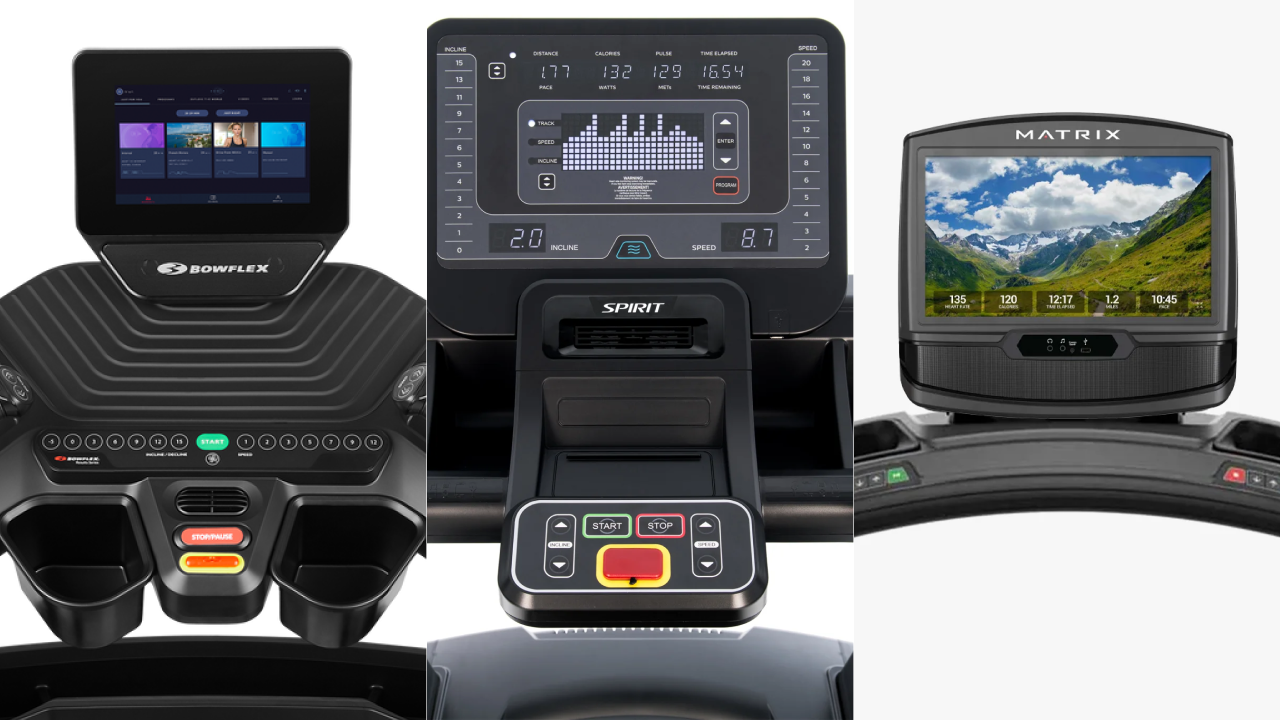
Every May, UAE runners hit the same wall. Not the marathon kind. The thermometer kind. When outdoor training dies at 40 degrees, your treadmill stops being a rainy-day backup and becomes your primary training surface for four solid months. That changes what "good enough" means entirely.
Most "best treadmill" guides throw walkers and runners into the same list. If you're looking for the best treadmills for running, that approach won't help. A machine that handles a 6 km/h walk is not the same machine that handles a 14 km/h tempo run for 50 minutes, five days a week, through a Dubai summer shutdown.
This guide is for runners specifically. Six treadmills from the [Sea Wonders running treadmill range, each matched to a training profile, with the best treadmills for running evaluated by the five specs that actually matter at pace: motor power, belt length, belt width, cushioning, and max speed.
What Makes a Treadmill "Runner-Ready"? The 5 Specs That Matter
Not every treadmill spec matters equally for runners. These five separate a running treadmill from a walking treadmill, and they should drive your purchase decision in this order.
1. Motor: 3.0+ CHP minimum. Daily running at 9 to 12 km/h, five or six days a week, demands sustained motor output. Walkers get by on 2.0 CHP. Joggers need 2.5. Runners need 3.0 CHP at minimum. Marathon trainers logging 60 to 90 minute sessions at pace need 3.5+ CHP. In the UAE summer, the motor runs under load every single day, so your real minimum is higher than spec-sheet guidance assumes. For the full CHP breakdown by use case, see our CHP vs HP motor guide.
2. Belt length: 140+ cm minimum for running. Under 140 cm and your stride will overshoot the belt at pace. Runners over 180 cm tall or running faster than 5:00/km should target 150+ cm. This is a safety spec, not a comfort preference.
3. Belt width: 51+ cm for running safety. Narrow belts force you to centre your stride unnaturally. Runners naturally drift side to side. Under 46 cm is walking only. Between 46 cm and 51 cm suits joggers. Running demands 51 cm or wider.
4. Cushioning: adjustable preferred. Runners training for road races need both firm (to simulate road mechanics) and cushioned (to reduce joint stress on easy days). Fixed-cushion decks work, but you lose that flexibility.
5. Max speed: 16+ km/h minimum. Interval training, tempo runs, and sprint sessions all require headroom above your race pace. If your tempo pace is 12 km/h, you need at least 16 km/h for intervals. Marathon-serious runners should look for 20+ km/h.
Our Top 6 Treadmills for Runners in the UAE 2026
Each pick includes an honest "not ideal for" because the right treadmill depends on your training, your body, and your living situation.
NordicTrack Commercial 2450
Best for: marathon and endurance training
The 2450 is the treadmill that handles the full spectrum of marathon prep: long runs, tempo sessions, incline repeats, and speed intervals. The motor, belt length, and incline range are all sized for sustained running at pace. UAE service is available through Sea Wonders. iFIT provides structured marathon training plans directly on the screen.
Key specs
• Motor: 3.6 CHP
• Belt: 152 cm (60") x 51 cm (20")
• Max speed: 22 km/h
• Incline/decline: -3% to 15%
• Cushioning: FlexSelect (adjustable firm/cushioned)
• Max user weight: 136 kg
Ideal for
• Marathon and half-marathon training (60 to 90 minute sessions)
• Runners needing incline/decline for race simulation
• Villa gym rooms with space for a non-foldable machine
Not ideal for
• Apartment users: heavy, non-foldable, large footprint
• Buyers who want subscription-free operation: iFIT is deeply integrated and full screen functionality expects the subscription (roughly AED 140/mo) [VERIFY rate]
Bottom line: The strongest runner's treadmill in the Sea Wonders range. If you're training for Dubai Marathon or RAK Half and your summer mileage is 80+ km/week, this is the machine.
NordicTrack Commercial 1750
Best for: daily 5K to 10K runners wanting value
The 1750 sits one tier below the 2450 but covers most daily runners comfortably. The motor handles sustained running at 9 to 12 km/h, the belt is long enough for natural stride, and it folds for storage. For runners who train consistently but aren't logging marathon-volume weeks, this is where price and performance intersect.
Key specs [VERIFY all on live PDP]
• Motor: 3.6 CHP
• Belt: 147 cm (58") x 51 cm (20")
• Max speed: 22 km/h
• Incline/decline: -3% to 15%
• Cushioning: FlexSelect (adjustable)
• Max user weight: 136 kg
Ideal for
• Daily 5K to 10K training
• Runners who also fold the treadmill after use
• P1 profiles who want strong specs without top-tier pricing
Not ideal for
• Runners over 185 cm who need maximum belt length (the 2450's 152 cm belt is safer)
• Buyers avoiding iFIT: same subscription model as the 2450
Bottom line: The daily runner's best value in UAE. Same motor class as the 2450, shorter belt, lower price.
Matrix TF30
Best for: commercial-grade durability in a villa gym
Built for facilities, performs like it in a home setting. The TF30 is the treadmill you buy when you want something that won't need attention for years. AC motor, commercial-grade deck, and a build quality that handles 90-minute runs without any thermal throttling. Overkill for apartment use, perfectly sized for a dedicated villa gym room.
• Motor: AC motor, commercial-rated
• Belt: 152+ cm x 51+ cm
• Max speed: 20 km/h
• Incline: 0% to 15%
• Cushioning: Ultimate Deck System
• Max user weight: 159 kg
Ideal for
• Villa gym owners who prioritise durability over features
• Heavy daily use (6 to 7 sessions per week, 60+ minutes)
• Users over 100 kg who need a high weight capacity and strong motor
Not ideal for
• Apartment users: heavy, large, non-foldable, and the AC motor is louder than DC alternatives
• Budget-conscious buyers: most expensive treadmill in the Sea Wonders range
Price (AED): [VERIFY on live PDP] as of May 2026
Bottom line: The buy-once machine. If you're furnishing a villa gym and want commercial-facility durability at home, this is the one.
Spirit Fitness CT800+
Best for: runners with knee or joint concerns
The CT800+ is the pick for runners who need cushioning to outperform everything else on the list. The deck absorption is thicker and softer than most competitors at this price, and the motor handles daily running without issue. If your physiotherapist recommended low-impact running or you've shifted from road running due to knee issues, start here.
Key specs
• Motor: 4.0 CHP
• Belt: 152 cm x 51 cm
• Max speed: 19 km/h
• Incline: 0% to 15%
• Cushioning: WhisperShield (thick deck absorption)
• Max user weight: 181 kg
Ideal for
• Runners managing knee, hip, or lower-back issues
• P5 profiles who want to keep running with reduced joint impact
• Users over 100 kg who benefit from the high weight capacity
Not ideal for
• Runners who want road-feel firmness: the cushion is always soft, no adjustable toggle
• Buyers looking for a touchscreen entertainment system: the console is functional, not flashy
Bottom line: Best cushioning in the Sea Wonders runner range. If your knees are the bottleneck, this is the treadmill that keeps you running. Consult your physiotherapist for personalised guidance.
Bowflex 25 Treadmill
Best for: runners who want zero subscription tether
If iFIT's subscription model is a dealbreaker, the Bowflex 25 runs without requiring any monthly fee for basic operation. The motor and belt handle daily running, and the console works independently. It's a capable running treadmill without the connected-fitness overhead.
Key specs
• Motor: 3.5 CHP
• Belt: 147 cm x 51 cm
• Max speed: 19 km/h
• Incline: 0% to 15%
• Cushioning: Comfort Tech deck flex
• Max user weight: 136 kg
Ideal for
• Runners who refuse monthly subscriptions
• Daily 5K to 10K runners with moderate speed requirements
• Apartment-friendly: foldable design
Not ideal for
• Marathon trainers: belt length and motor class sit below the 2450 tier
• Runners wanting structured training programs on-screen: no iFIT integration means manual programming
Bottom line: The subscription-free alternative. Solid running specs, no monthly fee, no screen lock.
Insight Fitness RT5 Commercial
Best for: villa owners who want a commercial machine without commercial pricing
The RT5 sits between home and commercial: commercial-grade frame and motor, but positioned at a lower price than the Matrix TF30. If you're outfitting a villa gym or a small boutique studio and want durability without the top-tier price tag, this is the crossover pick.
Key specs
• Motor: 4.0 CHP
• Belt: 152 cm x 51 cm
• Max speed: 20 km/h
• Incline: 0% to 15%
• Cushioning: Commercial-grade deck
• Max user weight: 150 kg
Ideal for
• Villa gym owners looking for commercial durability at mid-range pricing
• Heavy users (120+ kg) who need strong motor and frame capacity
• Small boutique studios or building amenities
Not ideal for
• Apartment users: non-foldable, heavy, and large
• Runners wanting connected fitness features: basic console without streaming or app integration
Bottom line: Commercial bones at a mid-range price. Best value for villa gym buyers who don't need smart-screen features.
View the Insight Fitness commercial runner
Cushioning Systems Compared: Which Protects Your Knees Best?
If you're running through a joint issue or want to prevent one, the cushioning system matters more than the motor spec. Here's how the four systems in this guide compare.
NordicTrack FlexSelect (on the 1750 and 2450): adjustable. Firm mode simulates road feel for race-specific training. Cushioned mode absorbs more impact for easy runs and recovery days. The toggle lets you match cushioning to the type of session, which is the advantage that separates NordicTrack from most competitors.
Spirit WhisperShield (on the CT800+): always cushioned. The deck itself absorbs more impact than any other model in this guide. You can't switch to firm, so it won't replicate road feel. But if joint protection is the priority, this is the most forgiving surface.
Matrix Ultimate Deck System (on the TF30): commercial-grade absorption designed for high-volume use. Consistent feel across thousands of hours. Not adjustable, but engineered to balance impact reduction with running stability.
Bowflex Comfort Tech (on the 25): deck flex provides moderate cushioning. Somewhere between NordicTrack's firm mode and Spirit's full cushion. Good for most runners, but not specialised for either road-feel or maximum joint protection.
Quick verdict: if your knees dictate your purchase, the Spirit CT800+ is the safest choice. If you want flexibility between road-feel and cushioned, NordicTrack's FlexSelect wins. Runners with specific joint concerns should consult a physiotherapist before choosing. For the full motor and spec breakdown, see our treadmill motor and cushioning guide for UAE buyers.
Belt Length and Stride Safety: A Runner's Non-Negotiabl
Belt length isn't a comfort spec. It's a safety spec. When your stride extends naturally at running pace and the belt is too short, your back foot clips the rear edge. At speed, that's a stumble at best and a fall at worst.
Here's the framework:
Under 130 cm: walking only. 130 to 140 cm: jogging, short-stride running. 140 to 150 cm: running (caution for tall runners or high speeds). 150+ cm: recommended for runners over 180 cm or anyone running faster than 5:00 per km.
In this guide: the NordicTrack 2450, Matrix TF30, Spirit CT800+, and Insight RT5 all offer 150+ cm belts. The NordicTrack 1750 and Bowflex 25 sit at 147 cm, which works for most runners under 185 cm but may feel tight during long-stride speed sessions.
If you're tall or fast, belt length should be a non-negotiable filter. Check it before motor power, before price, before features. A treadmill you can't run safely on isn't a running treadmill.
Can You Train for a Marathon on a Home Treadmill? (UAE Summer Case)
Yes. Many Dubai Marathon and RAK Half Marathon finishers train 60 to 80 percent of their summer mileage indoors. The UAE summer shutdown from May to September makes a treadmill your primary training surface, and thousands of runners in Dubai, Abu Dhabi, and Sharjah use this approach every year.
Structure your treadmill marathon training by session type:
Long runs (60 to 90+ minutes): easy pace, cushioned mode if available. These are volume sessions where comfort matters. The NordicTrack 2450 and Matrix TF30 handle this duration without motor stress.
Tempo runs (30 to 45 minutes): set incline to 1 to 2 percent to simulate wind resistance. This is the standard adjustment that bridges the effort gap between treadmill and outdoor running. Keep cushioning on firm mode if your treadmill has the toggle.
Intervals (20 to 30 minutes): alternate between fast and recovery speeds. You'll need a treadmill that responds quickly to speed changes and has enough max speed for your sprint intervals. Most runners need at least 16 km/h headroom.
Hill repeats: incline 6 to 10 percent, 2 to 4 minute efforts. Builds climbing strength for hilly race courses. All six treadmills in this guide handle this range.
If you're training with iFIT on a NordicTrack model, structured marathon plans are available that program these sessions for you. The subscription costs roughly AED 140 per month [VERIFY current rate]. For runners who cross-train on rest days, a rowing machine or exercise bike reduces overuse injury risk. See our incline training for weight loss and endurance guide for more on incline-based programming.
All specs and prices must be verified on live Sea Wonders PDPs before publishing.
Summer training: May to September equals four months indoors. Your treadmill is your primary training surface. Size motor and cushioning for daily use, not weekend jogging.
Power: UAE 220 to 240V / 50 Hz. All models listed are compatible. Machines with 3.5+ CHP may benefit from a dedicated 13A circuit.
Space: Villa gym rooms: any model fits. Tower apartments (Marina, JLT): check footprint and noise. NordicTrack 1750 and Bowflex 25 fold. Matrix TF30 does not.
Service: NordicTrack, Matrix, Spirit, and Bowflex have UAE service through Sea Wonders. Insight Fitness service: . This is P1's number-one concern.
Race calendar: Dubai Marathon (January), RAK Half (February), Abu Dhabi Marathon (December). Start serious treadmill training by September for January race day.
Frequently Asked Questions
Q: What is the best treadmill for marathon training at home?
The NordicTrack Commercial 2450 is the strongest marathon training pick at Sea Wonders. Its 3.6 CHP motor handles sustained tempo paces, the 152 cm belt accommodates long strides, and incline/decline settings simulate race-course terrain. iFIT provides structured marathon plans. In the UAE, runners training for Dubai Marathon or RAK Half use it to cover 60 to 80 percent of summer mileage indoors.
Q: What treadmill belt length do I need for running?
For running (not jogging), 140 cm minimum. Runners over 180 cm tall or running faster than 5:00 per km should target 150+ cm for stride safety. Shorter belts cause rear-step accidents when your stride extends at speed. The NordicTrack 2450, Matrix TF30, Spirit CT800+, and Insight RT5 all offer 150+ cm belts.
Q: Is 3.0 CHP enough for daily running?
Yes, 3.0 CHP handles daily 5K to 10K running at 9 to 12 km/h for users under 90 kg. For marathon training with sessions over 60 minutes or speeds above 12 km/h, step up to 3.5+ CHP. In the UAE summer, the treadmill runs daily for four months, so size your motor for actual summer frequency, not winter habits.
Q: What cushioning system is best for runners' knees?
Adjustable systems like NordicTrack's FlexSelect let you switch between road-feel and cushioned modes. For runners with existing knee or back issues, the Spirit CT800+ offers thicker deck absorption. Too much cushion can alter gait mechanics, so consult your physiotherapist before choosing.
Q: Can you train for a marathon on a home treadmill?
Yes. Many Dubai Marathon and RAK Half finishers log 60 to 80 percent of summer mileage on a treadmill. Structure training by type: long runs at easy pace, tempo runs at 1 to 2 percent incline, intervals with speed variation, and hill repeats at 6 to 10 percent incline. Cross-train on a rower or bike on rest days to reduce overuse injury risk.
Q: What's the difference between a running treadmill and a walking treadmill?
Motor power (3.0+ CHP vs 2.0 CHP), belt length (140+ cm vs 120 cm), max speed (16+ km/h vs 10 km/h), and frame stability under impact. A walking treadmill cannot handle running forces without premature motor and belt wear. If you run even occasionally, buy a running-rated treadmill from the start.
Conclusion
In the UAE, a runner's treadmill does four months of primary duty during summer shutdown. That demands more than a generic "best treadmill" pick. The best treadmills for running break down by training profile: the NordicTrack 2450 leads for marathon volume, the 1750 is the daily runner's best value, the Spirit CT800+ serves runners whose knees set the limits, and the Matrix TF30 suits villa owners who want commercial durability.
Related Blogs