4.6
Inclusive of VAT
Free Installation
We provide free installation for all standard locations. For remote or hard-to-reach areas, additional charges may apply. To avoid any inconvenience, kindly confirm with our sales team before placing your order.Quick Service
Request Price Match
Delivery Within : 08 Dec 2025
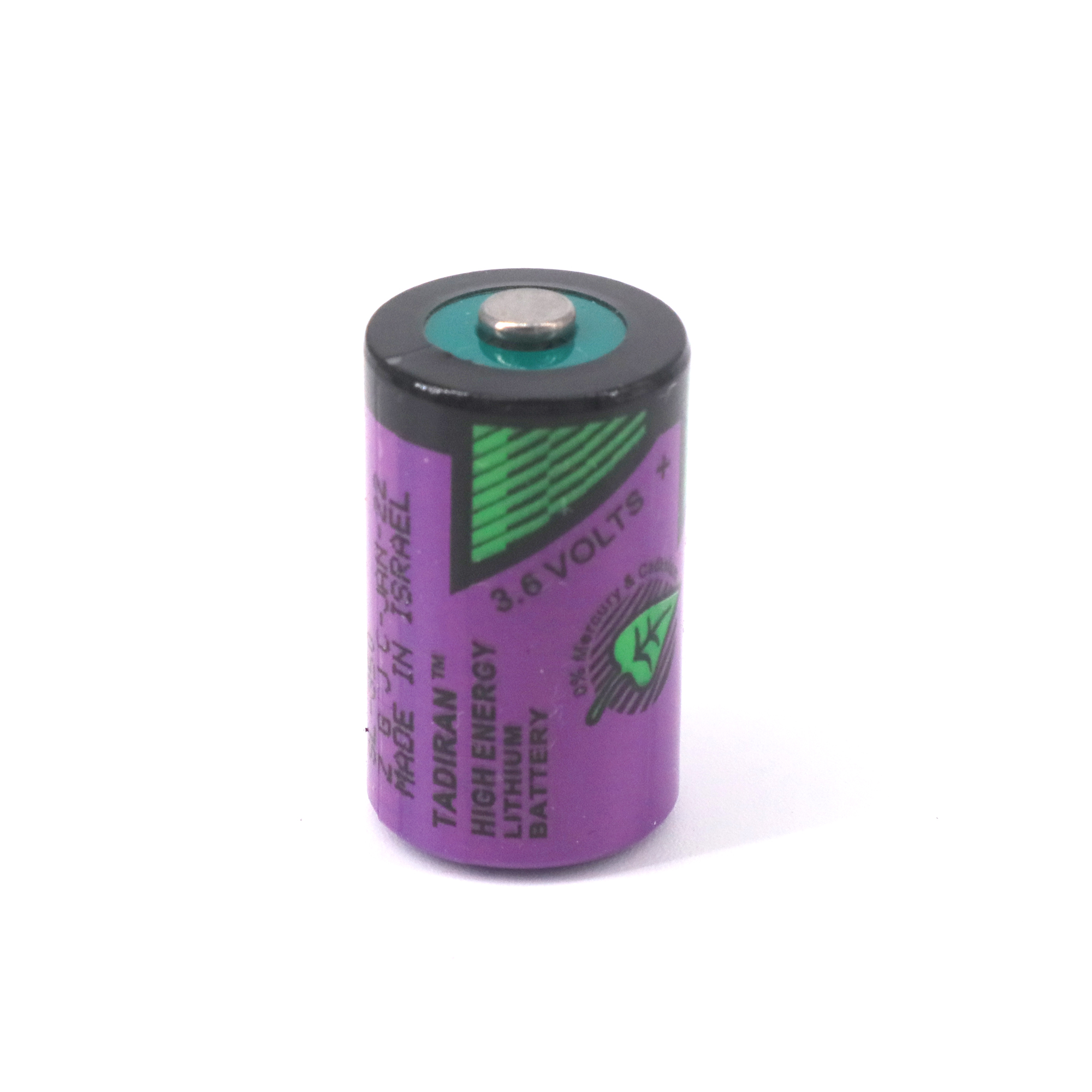
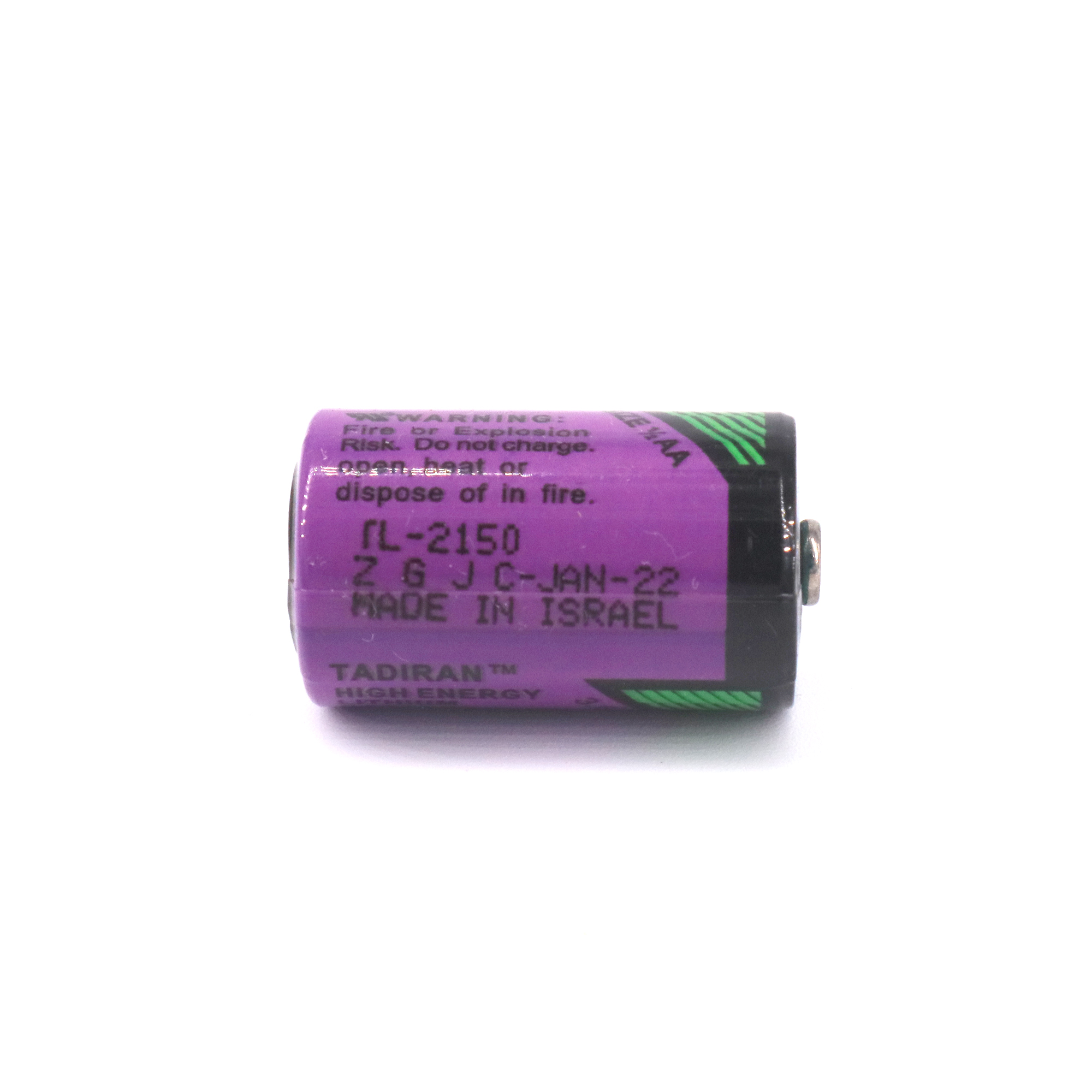
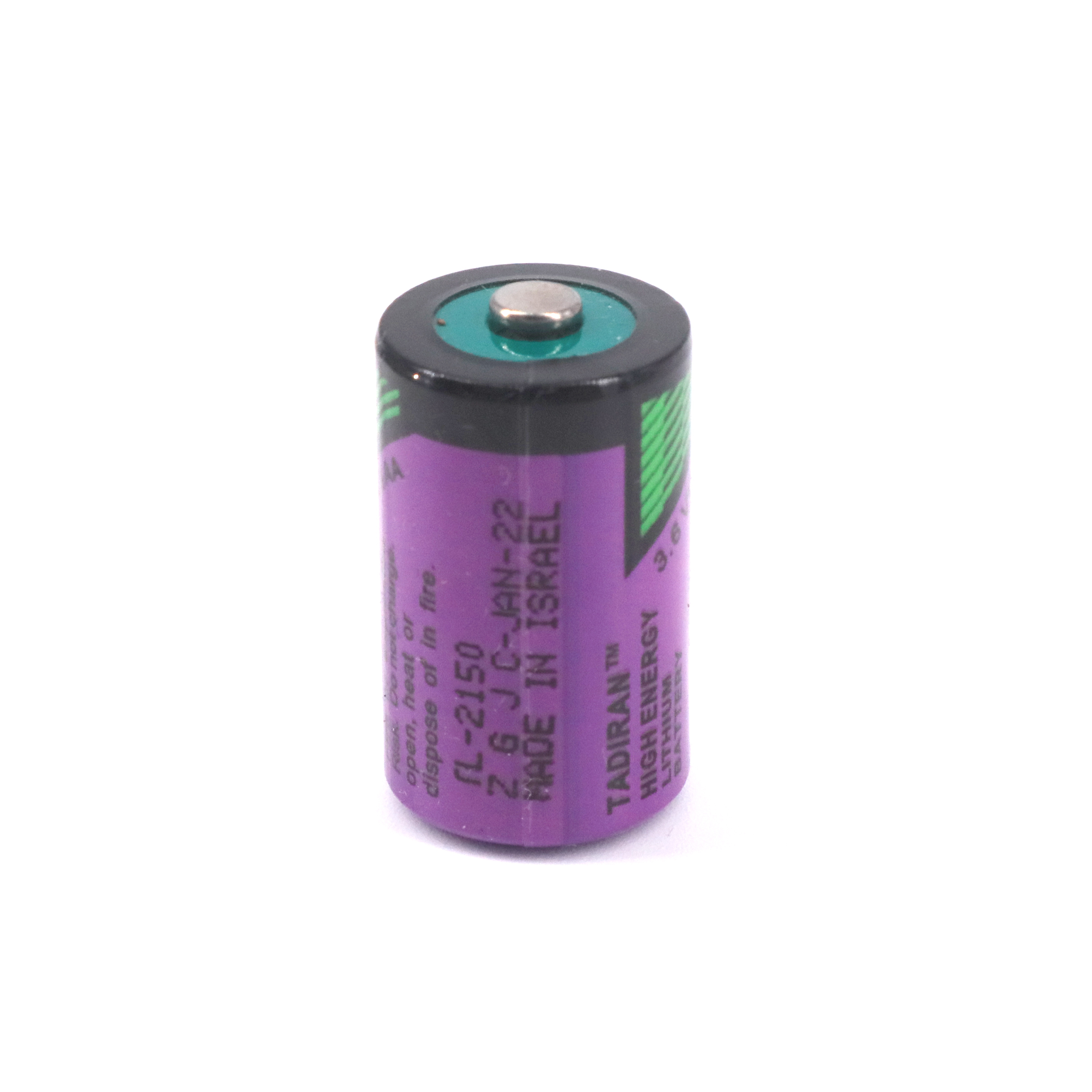
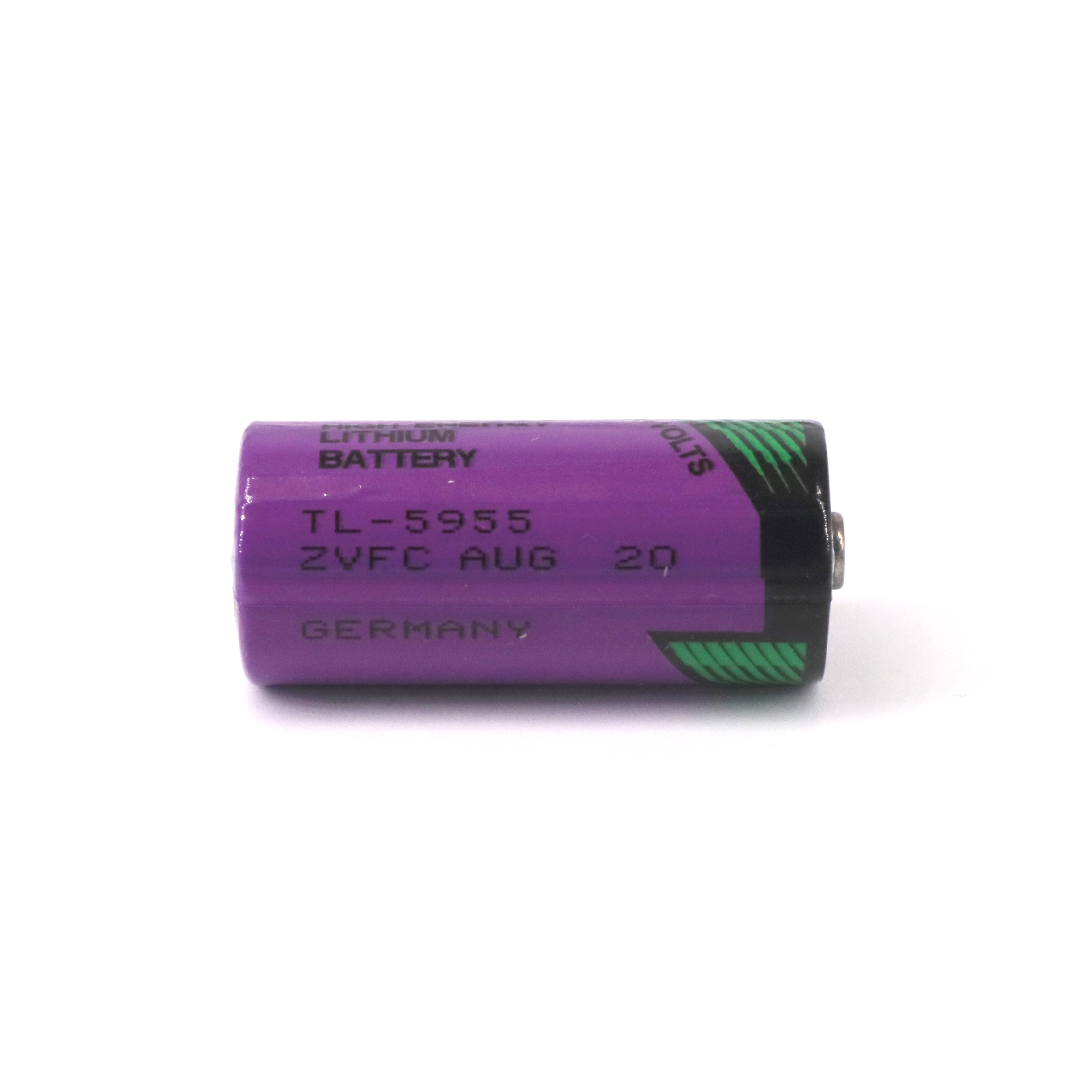
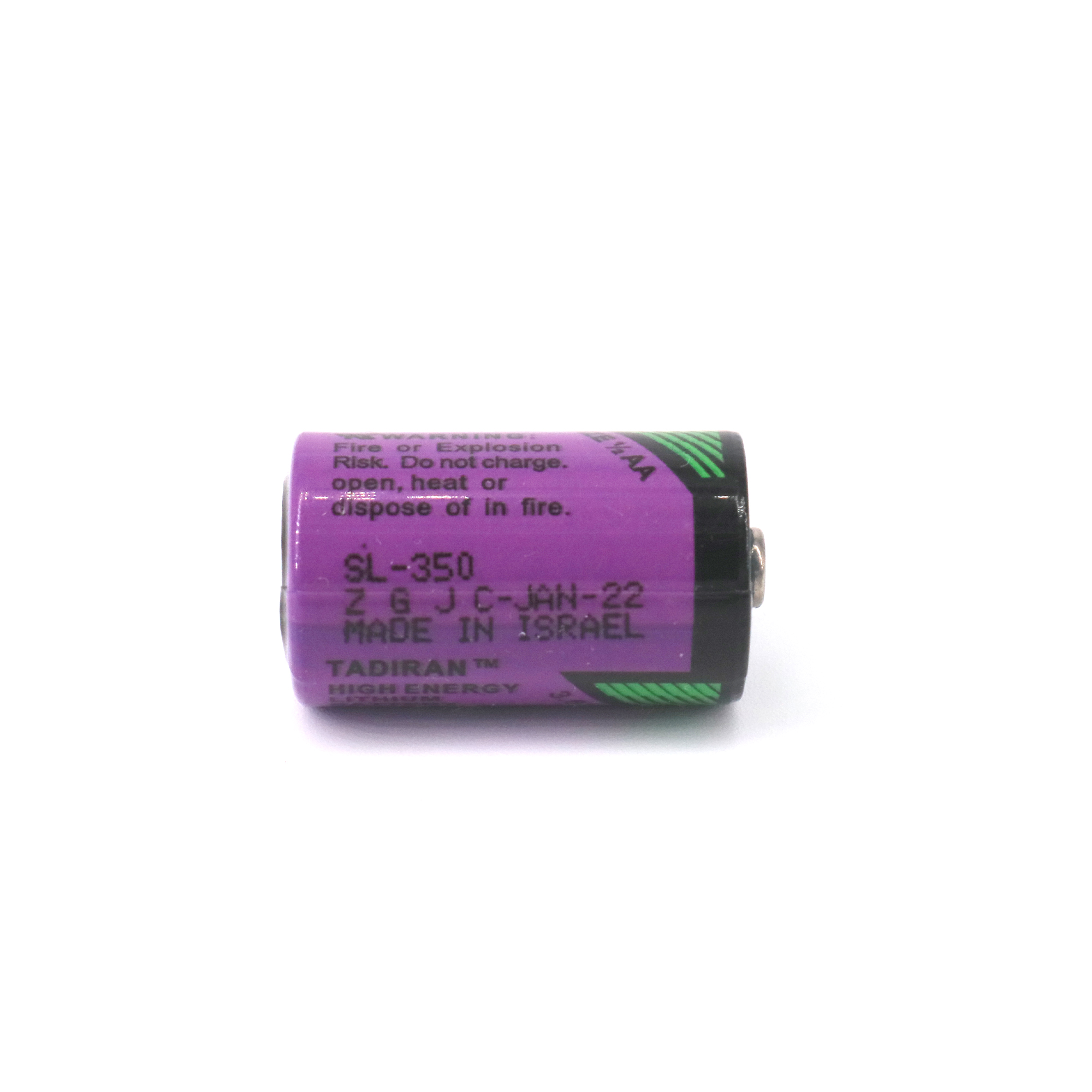
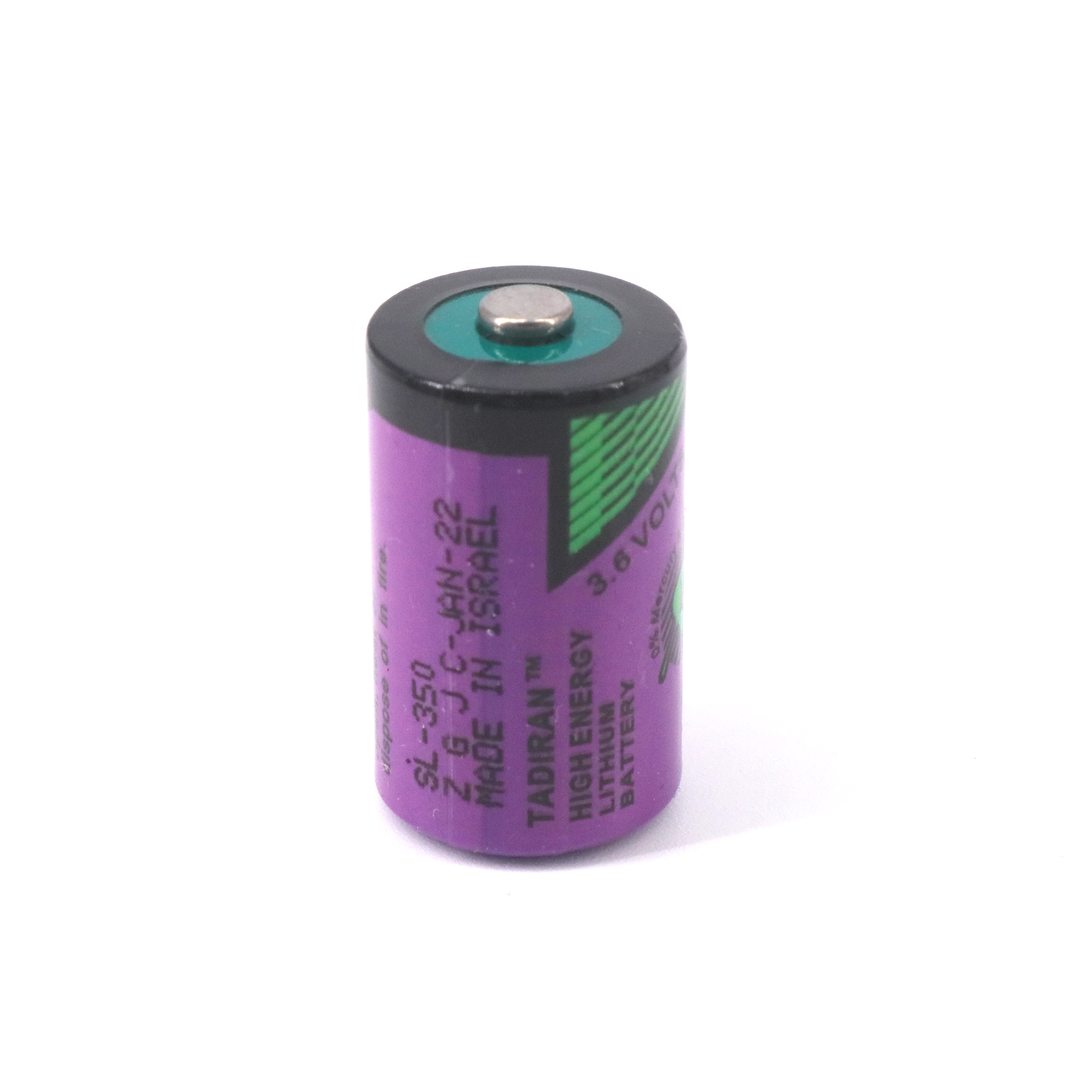
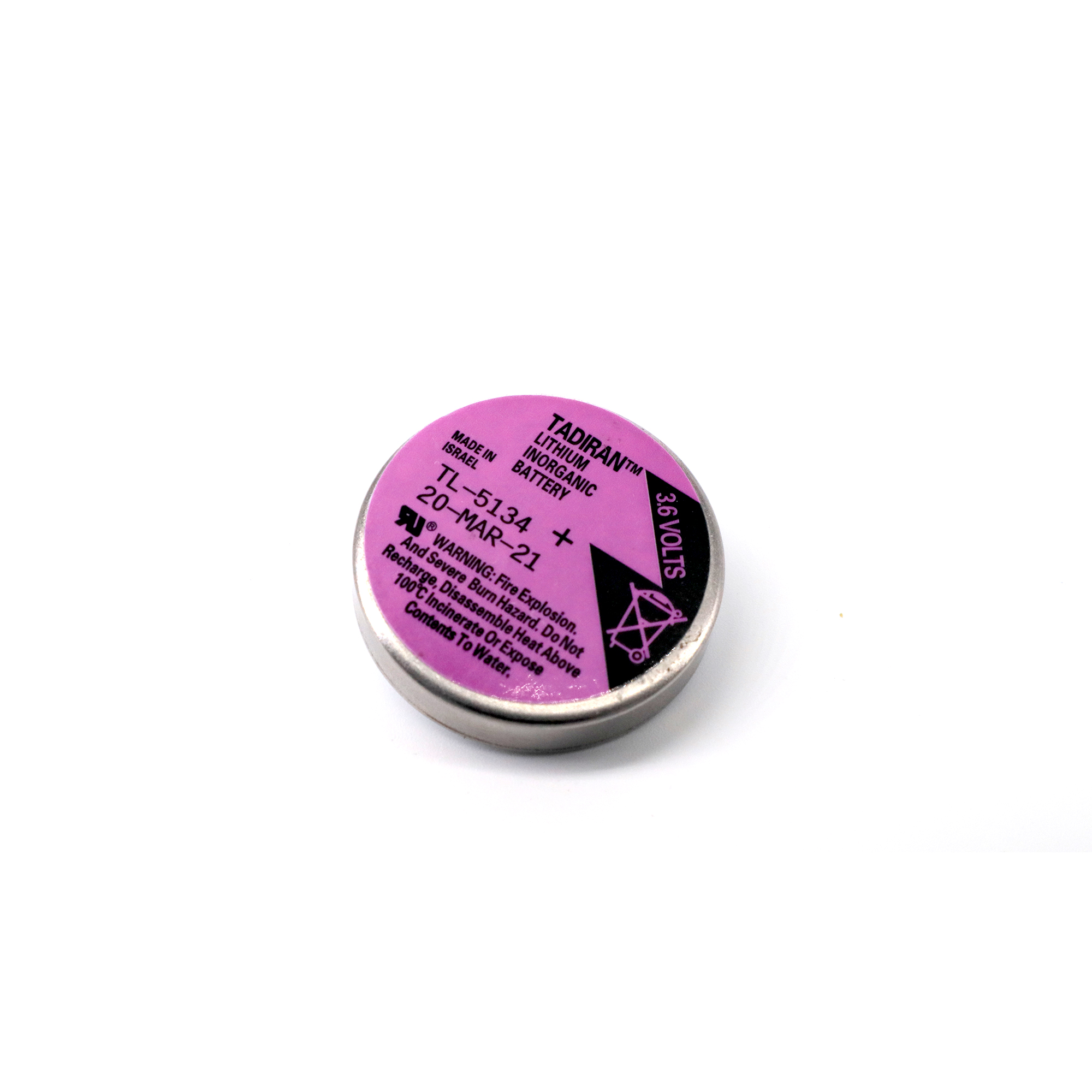
Model: SL-350/S — Tadiran.
Chemistry: Lithium Thionyl Chloride (LTC) — non-rechargeable.
Nominal Voltage: 3.6 V — optimized for long-term devices.
Capacity: 1200 mAh (typical).
Cell Size: 1/2AA — Ø14.7 × 25.2 mm.
Rated/Typical Current: 0.6 mA (nominal);
Max Pulse Current: 6 mA.
Operating Temperature: −55 °C to +85 °C — engineered for high-temperature environments.
Case: Hermetically sealed casing for long shelf life and low self-discharge.
Storage Recommendation: Best stored ≤3 years for optimal voltage performance.
Applications: Industrial control equipment, PLC memory backup, sub-sea transponders, long-term telemetry and sensors.
Country / Manufacturer: TADIRAN — industry-grade reliability.

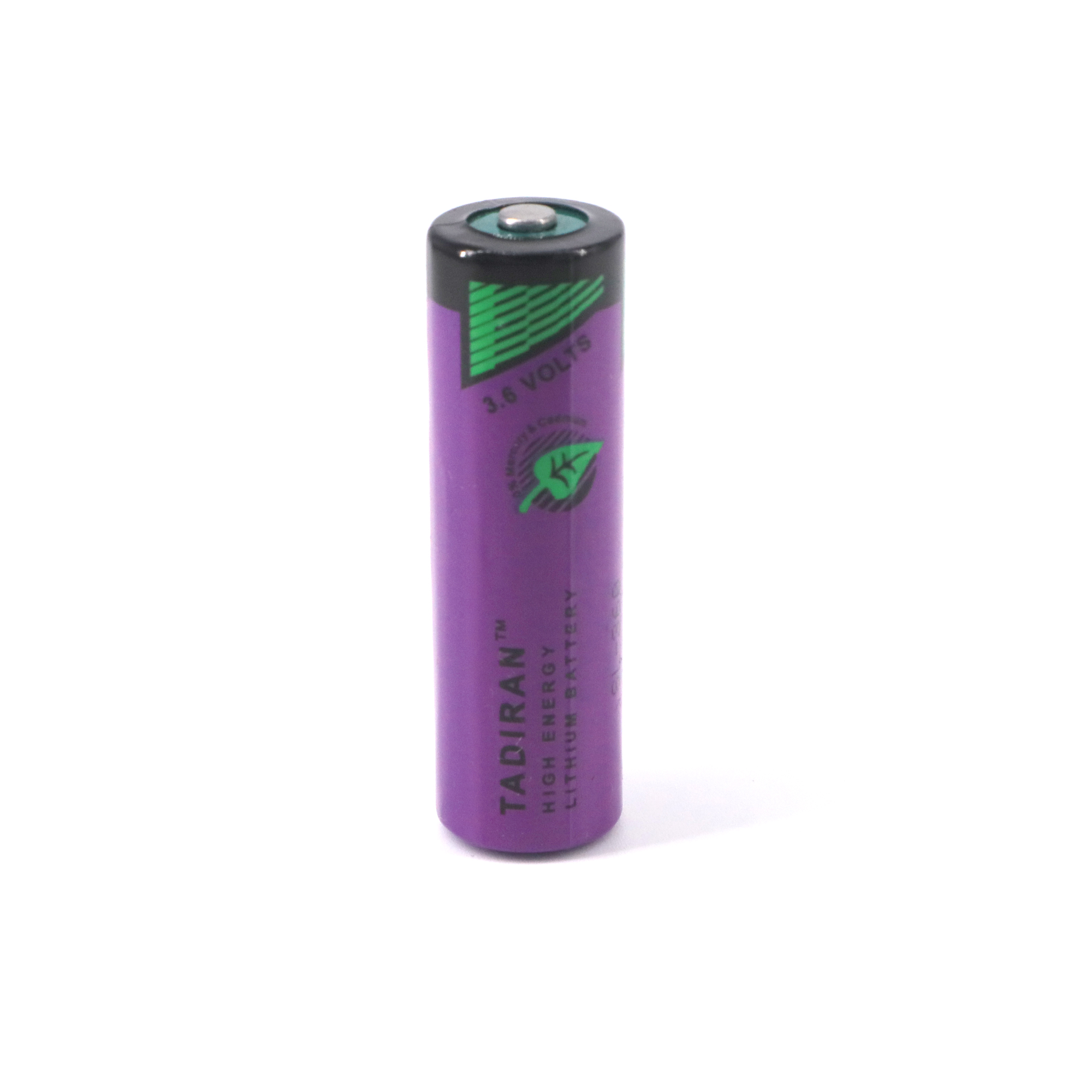
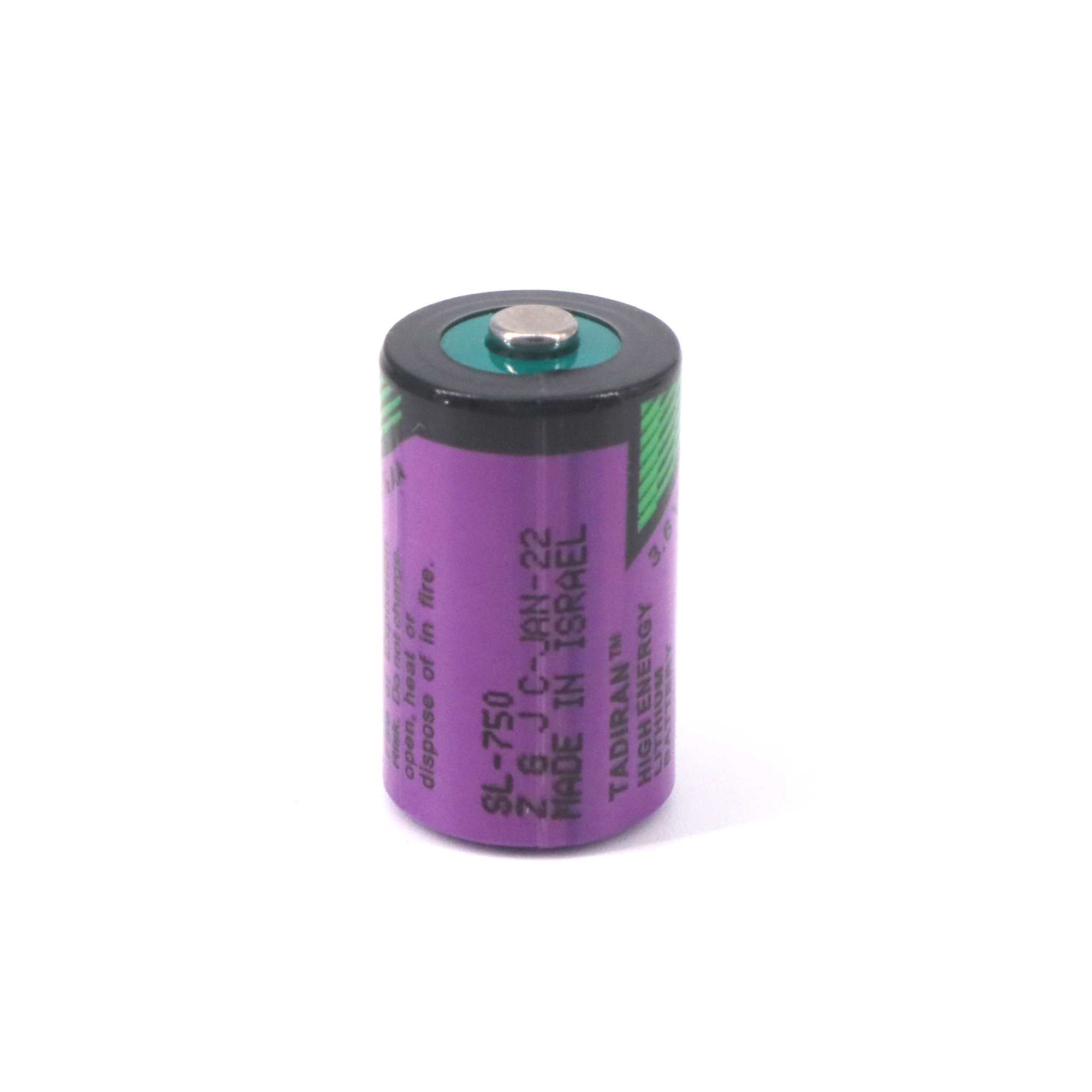
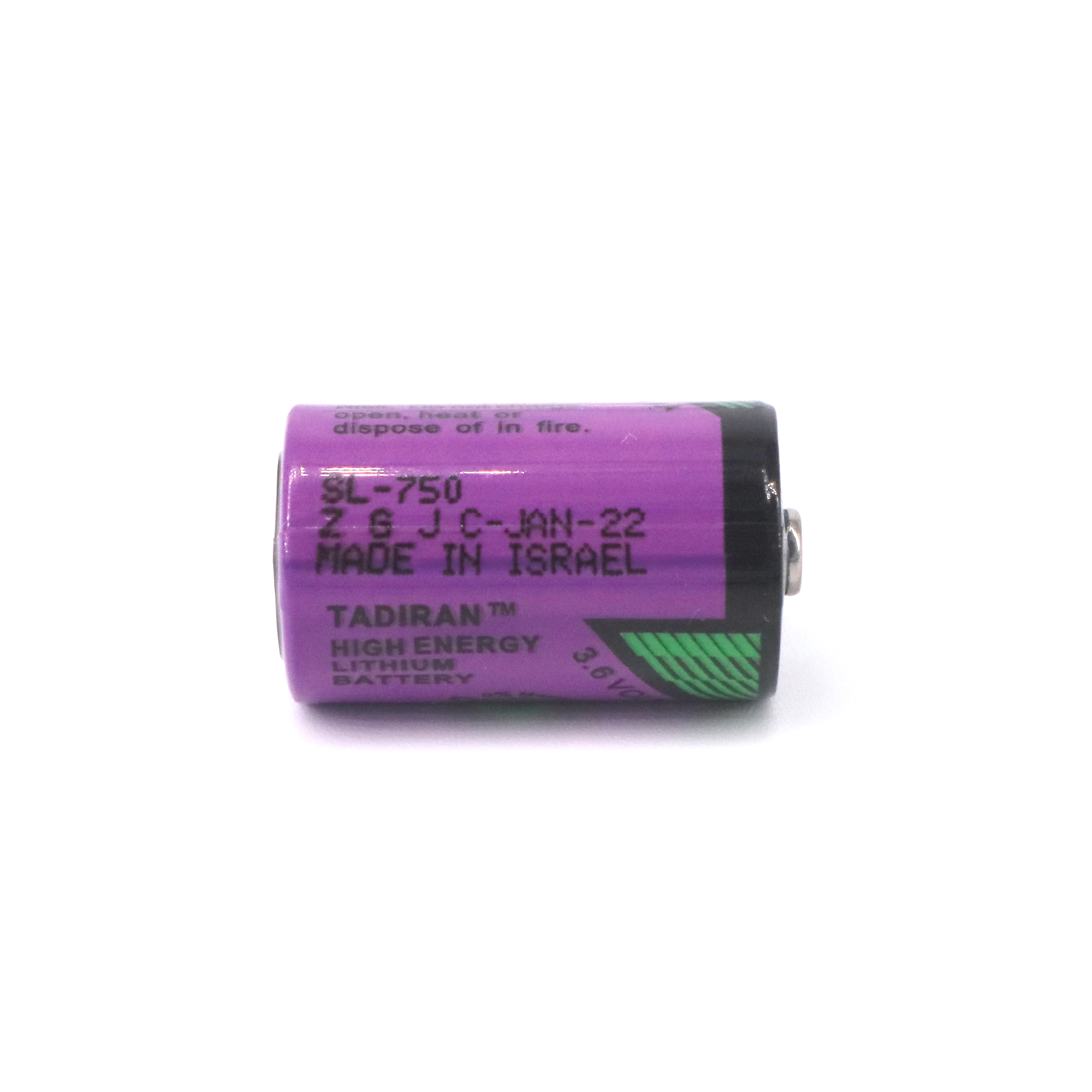
The Tadiran SL-350/S 3.6V 1200mAh is a high-performance primary lithium thionyl chloride (LTC) cell designed for applications that require reliable long-term power in harsh environments. Tadiran’s SL series is respected across industrial markets for combining exceptional energy density with an extended operating temperature window and low self-discharge characteristics.
Key engineering advantages include a nominal voltage of 3.6V, which is higher than many conventional primary cells, and a 1200mAh capacity in a compact 1/2AA form factor (Ø14.7 × 25.2 mm). The LTC chemistry delivers stable voltage over prolonged storage periods and is especially suited for devices that demand consistent memory-backup power or multi-year field operation. Hermetic sealing protects internal materials and reduces leakage, improving reliability for remote telemetry and sensor nodes.
The SL-350/S supports continuous low-current draw environments (typical current ratings ~0.6mA) with capability for short pulse currents up to 6mA, making it appropriate for event-driven devices, alarms, data loggers, and certain sub-sea or outdoor telemetry applications. Its operating temperature range from −55 °C to +85 °C widens the scope of use to extreme climates and industrial installations where temperature resilience is essential.
Tadiran’s optimized formulation mitigates passivation effects following long storage, delivering better initial performance after deployment than many competing chemistries. For procurement teams and engineers in the UAE and broader GCC region, the SL-350/S represents a compact, long-life solution for PLC backup, industrial control, metering, and safety-critical electronics.
Recommended storage practice is to keep cells for no longer than three years under controlled conditions to maximize delivered capacity and reduce passivation. When integrated correctly, the SL-350/S reduces maintenance cycles and provides reliable baseline power for mission-critical systems where replacement or recharge is impractical. Choose Tadiran SL-350/S when longevity, thermal robustness, and predictable discharge behaviour are non-negotiable.
The Tadiran SL-350/S is a 3.6V, 1200mAh lithium thionyl chloride (LTC) primary cell in 1/2AA format built for demanding industrial applications. Offering an extended operating temperature range (−55 °C to +85 °C) and hermetic sealing, this non-rechargeable cell is ideal for long-term deployments such as PLC memory backup, remote sensors, sub-sea transponders and industrial controls. With low self-discharge and optimized post-storage voltage behaviour, the SL-350/S delivers dependable, long-life power where reliability matters. Compact in size yet high in energy density, it’s the go-to half-AA LTC solution for engineers and procurement teams in the UAE seeking robust backup and primary cell performance.
How to Select, Install and Maintain Tadiran SL-350/S (3.6V, 1200mAh) for Industrial Applications
Confirm application requirements: Verify the device’s voltage window, typical standby current and any peak/pulse currents. SL-350/S is best for low continuous currents (~0.6 mA) with short pulses up to ~6 mA. Ensure device electronics tolerate a 3.6V primary cell.
Procure genuine cells and storage: Purchase Tadiran-branded cells from authorized suppliers and store them in original packaging in a cool, dry place. Follow FIFO (first-in, first-out) to keep storage time under the manufacturer’s recommended maximum (≈3 years).
Design the holder and contacts: Use appropriate battery holders or solder-tab fixtures per Tadiran recommendations. Ensure good contact force using corrosion-resistant terminals (e.g., gold-plated or nickel-plated) and avoid soldering directly to the cell body unless using manufacturer-specified tabs.
Circuit integration: Add reverse-polarity protection and transient suppression where necessary. For memory backup or RTC circuits, include a diode or ideal diode arrangement to isolate the primary supply when main power is present. If wake-up pulses are required, design the load pulses to remain within the cell’s pulse capability.
Account for temperature extremes: If the installation is outdoors or in high-temperature enclosures, ventilate and insulate according to device thermal specs. The SL-350/S supports −55 °C to +85 °C, but battery life and initial voltage behavior depend on operating temperature—model expected capacity reductions at extremes.
Test before deployment: Verify initial cell voltage, perform a short discharge test replicating typical load, and confirm device sleep/wake cycles function correctly. Document baseline voltage and expected lifetime for field maintenance schedules.
Field maintenance and replacement: For mission-critical equipment, implement monitoring (voltage telemetry or scheduled checks). Replace cells before end-of-life based on either calendar time (e.g., scheduled replacement within recommended storage/use window) or measured voltage thresholds.
Troubleshooting: If devices fail to boot after installation, check polarity, contact resistance, and initial cell voltage for passivation. Allow the device to apply a small wake-up load (per circuit design) to re-activate the cell if passivation occurred during storage. For unusual heating, leakage, or physical damage, remove and safely dispose of the cell following local regulations.
By following these steps, the Tadiran SL-350/S will provide reliable, long-term primary power for industrial systems where access is limited and failure is not an option.
Q1: What is the Tadiran SL-350/S battery used for?
The SL-350/S is engineered for long-term, low-current industrial applications: PLC memory backup, utility meters, remote telemetry, wireless sensor nodes, sub-sea transponders, and security devices. Its high energy density and extended temperature tolerance (−55 °C to +85 °C) make it suitable where access is limited and longevity is required. Engineers commonly choose this 1/2AA LTC cell for designs that need a dependable primary power source over many years without maintenance.
Q2: Is the Tadiran SL-350/S battery rechargeable?
No — the Tadiran SL-350/S is a non-rechargeable lithium thionyl chloride (LTC) primary cell. It’s designed for single-use applications where long shelf life and reliable discharge are required. Attempting to recharge LTC cells is unsafe and can damage the cell or device. For rechargeable needs, select a specified rechargeable chemistry (e.g., Li-ion) and follow manufacturer guidelines.
Q3: What are the thermal and environmental limits of the SL-350/S?
This cell operates reliably from −55 °C to +85 °C, covering extreme cold and high-temperature industrial environments. The hermetically sealed case helps protect against moisture and contaminants. These specifications make the SL-350/S suitable for outdoor telemetry, industrial control cabinets, and other installations exposed to temperature swings common in the UAE’s coastal and desert locations.
Q4: How do I store Tadiran SL-350/S batteries to avoid passivation?
Store in a cool, dry place within manufacturer-recommended temperatures and humidity limits. Tadiran advises keeping cells for no longer than ~3 years to reduce passivation and ensure optimal voltage after storage. For long-term inventory, rotate stock (FIFO), avoid high temperatures, and keep cells in original packaging until use. If passivation occurs, many circuits can recover by applying a small wake-up load per device design guidelines.
Q5: What current loads can the SL-350/S support?
The cell is optimized for low continuous currents (typical ~0.6 mA) with short-term pulse capabilities up to ~6 mA. It is ideal for low-duty-cycle, event-driven electronics like sensors and transmitters. If your application demands sustained high current draw, consult Tadiran datasheets or consider alternate cells specifically rated for higher discharge rates.
Q6: How do I integrate the SL-350/S into a PLC or memory-backup design?
Use the cell as a dedicated backup source sized to the device’s standby current and expected backup duration. Include proper holder contacts, reverse-polarity protection, and a small series resistor or current-limiting network if the device expects pulses. Design for low self-discharge and account for storage passivation by testing initial voltage after deployment. Follow Tadiran’s technical notes for packaging, venting (if applicable), and safety clearances.
Request Price Match