
 Locate Our Store
 +971 562162730
 AED
AED SAR
SAR KWD
KWD QAR
QAR BHD
BHD OMR
OMR


NordicTrack vs. Other Brands: How Does It Stack Up for UAE Shoppers?
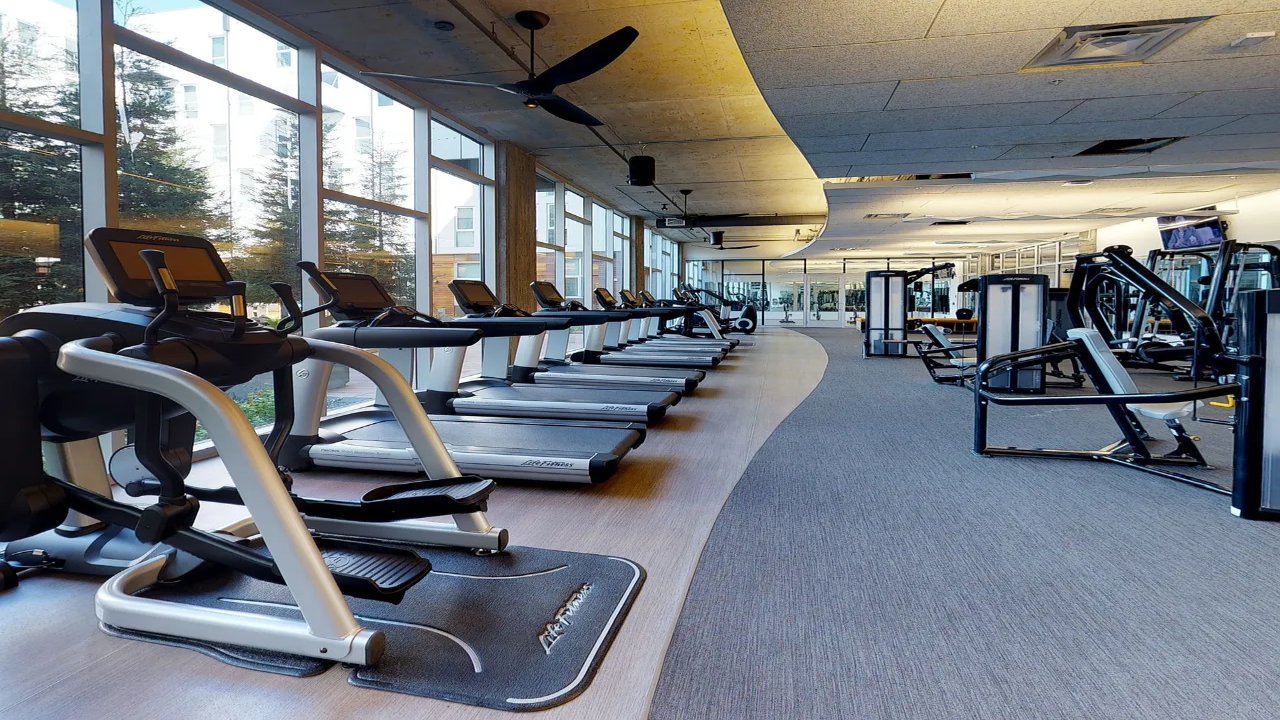
Introduction
Brand comparison in the Emirates is not a simple spec race. Apartments with tile or marble amplify vibration, summer heat and coastal humidity squeeze outdoor windows, and many buildings require careful delivery planning through elevators and tight turns. Any meaningful verdict on NordicTrack versus other brands must account for this context first, then weigh training headroom, console ecosystems, service realities, and running costs. NordicTrack’s portfolio spans compact T Series decks, Commercial frames for interval work, and incline specialists that drive calorie burn at modest belt speeds. Competing brands answer with simpler consoles, heavier chassis, or different subscription models, each with its own acoustic profile and installation demands.
A fair comparison asks three questions in sequence. Will the frame fit the room quietly and safely. Does the specification map to goals such as brisk walking, 5K tempo, or steep grade conditioning. Can the monthly cost be predicted in dirhams using minutes and watts rather than guesswork. Once those filters are satisfied, brand traits like cushioning feel, auto adjust precision, and fold mechanics become decisive. The sections that follow apply this order to NordicTrack and its primary rivals so selection reflects UAE constraints rather than brochure language.
TLDR
-
Filter by room and noise, then goal, then monthly cost, before comparing logos.
-
NordicTrack competes on cushioning, incline authority, and iFIT auto adjust.
-
Rival brands lean into sturdy frames, simple consoles, or premium commercial feel.
-
UAE apartments reward quiet isolation, fold height awareness, and predictable kWh to AED math.
UAE apartments: room, goals, and cost before logos
Space and acoustics lead the decision. Hard floors transmit structure borne vibration efficiently, which makes a dense rubber base and separate anti vibration feet essential regardless of brand. Corner placement over a solid slab shortens transmission paths, while leveling bolts remove deck rock that can rattle transport wheels. Ceiling margin must be checked by adding deck rise and the tallest runner’s stride, especially for incline trainers that ride higher at working grades. Rear safety clearance is non negotiable in tight rooms, and cable routing under a cover prevents snags near belt edges.
Goals translate to hard thresholds. Brisk walking and weight management benefit from reliable cushioning and an incline band in the three to six percent range so energy cost rises at modest belt speeds. 5K to 10K progression asks for belt geometry near 140 to 152 by about 50 centimeters, quick keys for speed and grade, and motor behavior that holds pace during step changes. Steep grade conditioning favors broad incline range and a planted chassis for long hikes with low impact, which suits late evening training in shared buildings.
Running cost should be measured, not imagined. Minutes multiplied by estimated watts produce kilowatt hours, which convert directly to dirhams on the utility calculator. Real draw shifts with grade, user mass, belt lubrication, and screen use, so a one week baseline from a smart plug replaces speculation. Lubricated, centered belts run cooler and quieter, and powering down after sessions avoids standby drip. After these three filters are satisfied, the brand layer matters. NordicTrack’s incline authority and auto adjust content may win for adherence, while rivals with simpler consoles can appeal where no subscription is planned. The right choice is the platform that fits the room, matches the goal, and sustains minutes across the UAE calendar.
Brand baselines: where NordicTrack competes and where others shine
NordicTrack’s center of gravity is training versatility. Commercial frames offer spacious belts, composed decks, and one touch speed and grade, which suit intervals and tempo blocks. Cushioning systems soften impact peaks compared with hard surfaces, helpful on tile floors. The incline line pushes metabolic cost at modest speeds, valuable for joint sensitive calorie work. iFIT underpins guided sessions and auto adjust pacing and grade, lowering decision friction during busy weeks. Fold options across T Series and LE style models support stow and go routines in shared rooms.
Other brand archetypes bring different strengths. Value focused rivals such as Horizon or Sole often favor straightforward consoles, sturdy rails, and low complexity ownership, a combination that appeals to households that prefer manual control and minimal subscription overhead. Premium commercial brands like Life Fitness or Technogym deliver high mass frames and refined motor feel with a price tier to match, attractive where a club like sensation is prioritized and space is plentiful. Budget friendly alternatives including ProForm position credible daily minutes with sensible belts and grades for entry plans. Walking pads fill a distinct role as compact step boosters, yet do not replace a full deck for interval precision or running mechanics.
Each profile carries trade offs for UAE homes. Heavy, fixed frames feel stable yet demand generous headroom and careful delivery through elevators. Simple consoles run without subscriptions but forfeit auto adjust and large guided libraries. High incline specialists need isolation and ceiling checks before shortlisting. NordicTrack tends to score where incline authority, deck comfort, and guided content drive adherence. Rivals can lead where simplicity, price discipline, or commercial feel outrank content features. When filtered through room fit, training intent, and cost certainty, these baselines make brand choice clear rather than confusing.
Content ecosystems compared (iFIT vs alternatives)
Content determines how often sessions actually happen. iFIT centers its value on auto-adjust workouts where speed and grade follow the program without manual taps. Terrain and studio formats are mixed with progressive plans that span walk-to-jog, intervals, and incline hiking, which suits households that prefer structure. Scenic routes with elevation sync create steady-state days that feel less repetitive, and multi-user profiles keep histories separate on shared decks. When network hiccups occur, basic manual control remains available; guided libraries depend on subscription status.
Alternative ecosystems split into three camps. App-light consoles from value brands favor manual sessions and quick keys; decision friction is low for residents who already know target speeds and grades, but progression planning rests on personal templates. App-led platforms such as JRNY and the Peloton app deliver coached classes and metrics, though speed or grade auto-adjust may be limited by hardware compatibility, making interval precision more tap heavy. Open-ecosystem options like Kinomap or Zwift Run inject entertainment and social elements; hardware sync varies by model, and most sessions still rely on manual speed control.
Adherence hinges on decision load and feedback. For beginners or time-pressed professionals, iFIT’s auto-adjust and stepwise plans often reduce start-up friction, encourage warm-ups and cooldowns, and prevent over-target belt speeds that spike noise in apartments. Manual-first consoles win where subscription fatigue exists or when residents value quiet, meditative walking at fixed settings. A hybrid pattern is common: two guided sessions that drive progression and one manual incline walk for low-stress minutes. The optimal ecosystem is the one that lowers the barrier to pressing start while matching room etiquette and budget discipline.

Engineering differences that affect life on tile
Hardware choices shape sound, feel, and headroom in a UAE apartment. Belt geometry around 140 to 152 by 50 centimeters supports walk-to-jog strides without heel clipping, and tracking stability limits edge rub that becomes audible on hard floors. Roller size and alignment influence belt life and straightness at low speeds, important for brisk walking blocks. Cushioning signatures vary by brand; systems that attenuate impact peaks without trampoline rebound tend to reduce belt slap and tibial shock while preserving cadence rhythm.
Frame stiffness and mass alter resonance. Heavier, well-braced decks feel composed during intervals but demand careful delivery through elevators. Mid-mass folding frames offer stow-and-go convenience; stability depends on hinge quality and front-end rigidity. Incline capability expands training range yet adds two apartment variables: headroom and vibration. Steeper grades lift the user’s apex height and shift footstrike vectors; residents with 2.4–2.6 meter ceilings should verify deck rise plus tallest stride before shortlisting incline trainers.
Noise mitigation starts at the floor. A dense rubber base under the frame paired with separate anti-vibration feet at contact points lowers structure-borne transmission on tile or marble. Corner-over-slab placement shortens vibration paths compared with mid-room setups. Leveling bolts remove deck rock; transport wheels should not touch the mat during use. Airflow matters for comfort and acoustics: a small fan across the deck allows target effort at slightly lower belt speeds, trimming impact noise. Assembly tolerances, cable routing under covers, and periodic belt-centering checks keep incidental sounds from creeping in over time. When engineering and placement cooperate, late-evening sessions read as a quiet appliance cycle rather than a disturbance.
Operating cost reality: minutes × watts → kWh → AED
Running cost becomes predictable with a short workflow. Step one, record typical session minutes and frequency. Step two, measure or conservatively estimate average watts for each session type; real draw depends on belt speed, incline, user mass, lubrication state, and screen or fan usage. Step three, compute kWh: watts × hours ÷ 1000. Step four, convert kWh to dirhams using the local calculator. A smart plug that logs kWh during a representative week replaces guesswork with a household baseline.
Patterns emerge quickly. Steady walking on a lubricated, centered belt generally sits in a lower watt band; brisk running or steep grades push consumption higher. That said, incline walking often achieves the intended physiological load at modest belt speeds, holding electrical draw below an all-out pace day while keeping apartment noise calmer. Dry or misaligned belts raise friction, deck temperatures, and watts without improving fitness outcomes, so maintenance directly affects the utility bill.
Small habits compound. Keep belts aligned and lubricated per the manual. Aim a compact fan at the deck to stabilize perceived effort so belt speeds do not drift upward. Dim idle screen brightness and power down consoles after sessions to erase standby drip. Group longer workouts on days when room cooling is already running. Compare two routines by logging each for a week, converting to AED, and choosing the plan that balances calorie goals, joint comfort, and cost. Across brands, differences in screen size, motor behavior, and incline use alter consumption at the margins; the largest wins come from clean mechanics, realistic pacing, and consistent shutdown habits.
Apartment logistics and delivery planning
UAE apartments add real-world constraints that shape brand choice more than spec sheets. Measurements come first. Door widths, elevator depth, and hallway turning radii determine whether a boxed frame navigates without disassembly. In-room placement favors a corner-over-slab position rather than mid-room on a suspended floor. Rear safety clearance remains mandatory, and headroom is verified by adding deck rise to the tallest runner’s apex height, with a small safety margin for incline changes. Incline trainers raise user height at working grades, so ceiling checks matter before shortlisting.
Noise control begins at the floor. A dense rubber base under the frame paired with separate anti-vibration feet at contact points lowers structure-borne transmission across tile or marble. Leveling bolts remove deck rock; transport wheels should not touch the mat during use to avoid chatter. Cable routing under a low-profile cover prevents snags near belt edges. Power should reach a grounded outlet protected by a surge device, and Wi-Fi stability near the cardio corner supports firmware updates and guided content. A compact fan directed across the deck maintains comfort at target effort without chasing higher belt speeds, which also trims impact noise.
Delivery day is smoother with a staged path: rugs rolled, side tables moved, door stops ready. Balcony routes are discouraged; heat and airborne dust accelerate wear and degrade lubricants. Pets and children are blocked from the moving belt with a simple barrier during early sessions. A monthly checklist—belt centering, hardware snugness, isolator condition—keeps vibration signatures predictable. With measurements, isolation, and etiquette in place, late-evening training reads like a quiet appliance cycle rather than a disturbance, regardless of brand.
NordicTrack vs alternatives by goal
Joint-sensitive calorie burn. Priorities: broad, smooth incline, compliant cushioning, and quiet chassis. NordicTrack’s incline trainers and cushioned Commercial decks align with this brief; rival value frames can compete when incline depth is modest and console simplicity is preferred over guided content.
Interval and tempo readiness (5K–10K). Priorities: belt geometry near 140–152×≈50 cm, stable deck at pace, quick keys for speed/grade, and motor responsiveness under step changes. NordicTrack Commercial units match these needs with one-touch controls and auto-adjust content; sturdier value competitors with simple consoles suit manual-first athletes who script sessions independently.
Compact flats needing fast reset. Priorities: fold height, transport wheels, front-end rigidity when unfolded, and clear quick-keys. NordicTrack T Series and LE-style folders address stow-and-go use; minimalist competitors with lighter consoles can win on price if stability remains acceptable.
Subscription-averse households. Priorities: durable frame, clear manual controls, no reliance on paid content. Value rivals and some premium commercial units satisfy this profile; NordicTrack remains viable in pure manual mode when content is not desired, though its strength is guided programming with auto-adjust.
Low ceilings (≈2.4–2.6 m) or strict neighbor etiquette. Priorities: moderate deck height, reliable isolation, and incline limits that keep apex height reasonable. Mid-mass folding decks and compact daily trainers rank ahead of tall incline specialists unless headroom is verified. In all cases, the brand that meets headroom, noise, and intent thresholds while delivering predictable kWh-to-AED costs forms the durable choice.
Conclusion
Brand choice becomes simple when filtered through UAE realities. Room and noise planning decide whether a frame fits without disturbing neighbors. Training intent converts specifications into thresholds for belt geometry, cushioning, incline authority, speed stability, and console behavior. Running cost follows from minutes and watts, then converts to dirhams with a calculator and a one-week smart-plug baseline. Within that frame, NordicTrack scores on cushioning feel, incline range, and iFIT auto-adjust that lowers decision load during busy weeks. Value rivals often win on simple consoles and price discipline. Premium commercial lines deliver a club-like feel at larger footprints and budgets. The durable choice is the platform that matches headroom, isolation, and goals while keeping monthly cost predictable across long heat and dust cycles. Sea Wonders lists the core NordicTrack range alongside compact and budget alternatives, enabling side-by-side checks of belt size, incline span, footprint, and console features.
FAQs
Q1: Is iFIT required to get value from NordicTrack treadmills?
A1: No. Manual sessions with quick keys cover steady, interval, and incline work. iFIT adds auto-adjust pacing and grade plus progressive plans that reduce planning time.
Q2: Which brand profile tends to be quietest on tile or marble when placed correctly?
A2: Mid-mass folding decks on a dense mat with isolator feet are typically quieter than tall incline specialists. Cadence coaching toward softer, quicker steps is as important as the logo.
Q3: How should headroom be checked for an incline trainer in common ceilings?
A3: Add deck rise to the tallest runner’s apex height at planned grades, then include a small safety margin. Rooms near 2.4 to 2.6 meters merit verification before purchase.
Q4: What belt size supports walk-to-jog progressions in small rooms?
A4: Length in the 140 to 152 centimeter band and width near 50 centimeters allows relaxed foot placement for early intervals and brisk walking without heel clip.
Q5: How can monthly operating cost be estimated in AED with brand neutrality?
A5: kWh equals average watts multiplied by total hours divided by 1000, then use the local calculator. A smart plug supplies a one-week baseline. Lubricated, centered belts keep watts stable.
Related Blogs




Bose SoundLink Bluetooth Speaker
£50.00£60.00
Canon's press material for the EOS 5D states that it 'defines (a) new D-SLR category', while we're not typically too concerned
- Availability :In Stock