
 Locate Our Store
 +971 562162730
 AED
AED SAR
SAR KWD
KWD QAR
QAR BHD
BHD OMR
OMR


Treadmill or Exercise Bike? Choosing the Best Cardio Machine for a UAE Home
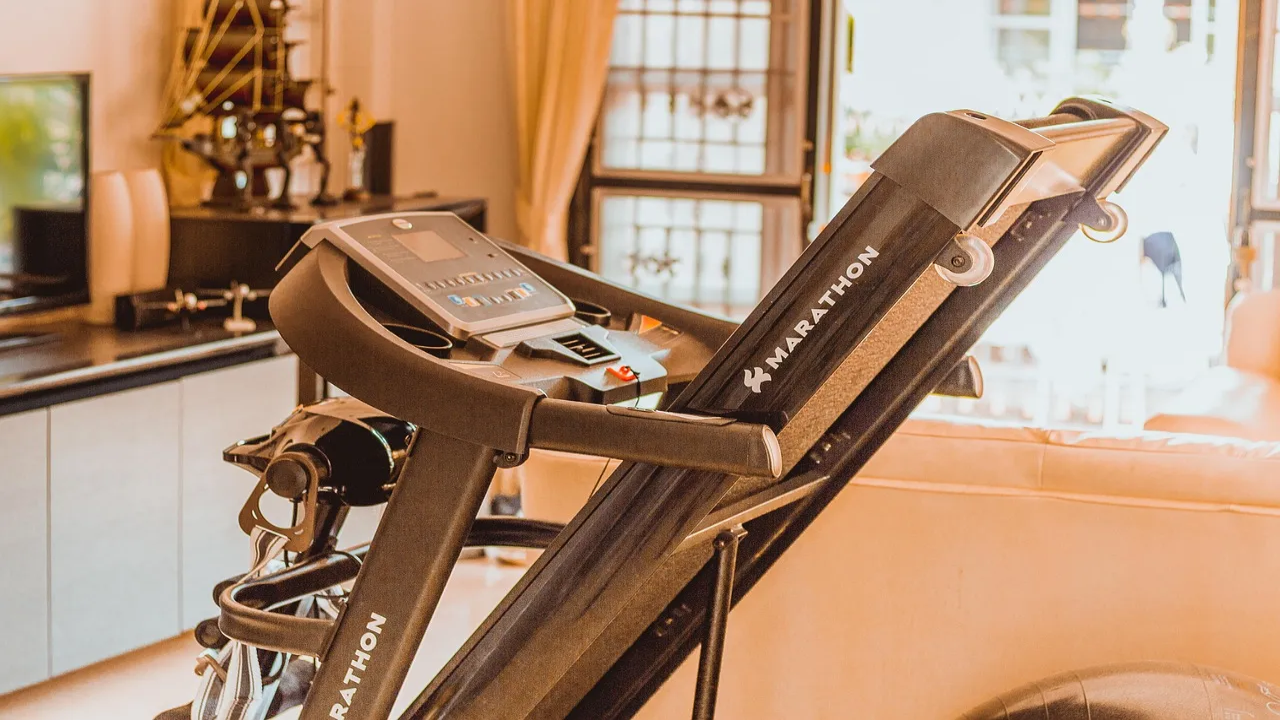
Introduction
Cardio choice inside a UAE home is rarely a simple preference. Heat indices that linger well above comfort, coastal humidity, and periodic dust events reshape training logistics for long stretches of the year. Within apartments dominated by tile or marble, noise and vibration add another constraint. The comparison between a treadmill and an exercise bike therefore spans physiology, bone and joint loading, energy cost, placement, and adherence. The treadmill supplies weight-bearing stimulus for bone, natural gait mechanics, incline control for hill-specific work, and high peak calorie rates when time is tight. The bike delivers joint-friendly movement with precise power targets, compact footprint, and very low electrical demand, which fits long steady efforts and interval stacks where knee tolerance is a priority.
Key entities frame the decision. Weight bearing improves osteogenic signaling yet raises impact peaks that must be managed with deck cushioning, cadence, and progression. Cycling cuts joint load but provides less bone stimulus, so strength work must support it. Energy accounting differs as well. Treadmills typically draw several hundred watts during running, while bikes consume little, often limited to console power. Noise and vibration are also asymmetrical, with bikes transmitting fewer structure-borne vibrations through floors. Session intent locks the final piece. Interval precision, incline hiking, and race-pace treadmill blocks drive speed and durability. Long aerobic maintenance and knee-sensitive conditioning lean toward cycling.
The best machine is the one that secures weekly minutes in a real apartment under UAE conditions. The sections below map climate and apartment realities, health guideline alignment, and practical templates that convert intent into durable routines.
TLDR
-
Heat, humidity, and dust make indoor cardio the default for much of the year in the Emirates.
-
Treadmills are weight bearing and potent for calorie burn and incline work. Bikes are quieter, joint friendly, and compact.
-
Adherence wins. Choose the machine that sustains 150 to 300 weekly minutes with minimal friction.
Context for UAE homes: climate, apartments, and cost signals
UAE summers compress outdoor windows to dawn and later evening, and dust events can close those windows without warning. Air conditioning stabilizes temperature indoors, which preserves pacing and hydration plans. This climate profile makes an indoor machine less of a luxury and more of a reliability tool that keeps aerobic minutes consistent across long heat cycles.
Apartments introduce structural constraints. Tile and marble amplify impact noise. A treadmill demands forethought about placement, leveling, and isolation. Dense rubber mats paired with anti-vibration feet reduce structure-borne energy, and a corner location over a solid slab generally performs better than mid room placement. Bikes start quieter by design. Flywheel vibration is modest, and seated posture keeps peak forces low, which suits late evening sessions in shared buildings. Footprint differs too. Folding treadmills can fit many rooms yet still require deck clearance and ceiling height. Upright or recumbent bikes usually claim less floor space and are easier to relocate.
Electricity draw provides a second signal. A treadmill’s real-world consumption varies with speed, incline, user mass, and lubrication status, often landing in the mid hundreds of watts during steady efforts. An exercise bike’s power need is minimal, especially on models without heavy-duty consoles. Converting kWh to dirhams through the local utility calculator gives a clean monthly view without guessing tariffs. Maintenance cadence closes the loop. Dust management matters for both machines. Treadmills need belt alignment and lubrication checks. Bikes reward correct saddle height and occasional drivetrain inspection.
Viewed through UAE constraints, the modal answer rarely lives at one extreme. Many households prioritize a treadmill for weight-bearing work and pace control, then consider a compact bike where joint tolerance, nighttime quiet, or long steady rides are central.

Health guideline alignment and adherence
Global guidelines call for 150 to 300 minutes per week of moderate aerobic activity or 75 to 150 minutes of vigorous activity, plus two sessions of muscle strengthening. Both machines can fulfill these targets, but each shapes behavior differently. The treadmill mirrors natural gait, which helps runners and brisk walkers hit meaningful minutes without a commute to a track or shaded loop. Incline walking at 4 to 8 percent raises metabolic cost at manageable speeds, useful for longer sessions that spare joints yet accumulate calories. Structured intervals at fixed speeds and grades keep intensity honest when time is limited.
Cycling controls intensity through power and cadence, which steadies heart rate at submax efforts and allows fine-grained interval prescription. For individuals with knee sensitivity or those returning from impact-related niggles, an upright or recumbent bike often secures more weekly minutes with less volatility. The tradeoff is lower osteogenic stimulus, which should be countered with strength training for hips, calves, and trunk. Pairing bike work with short bouts of incline walking can bridge that gap for those who tolerate some weight bearing.
Adherence usually hinges on friction. If set up time, noise concerns, or room logistics repeatedly interrupt sessions, minutes fall off. Treadmills with reliable cushioning, one touch controls, and guided content shorten decision time and spark regular use. Bikes with comfortable saddles, accurate power readouts, and uncomplicated consoles support longer steady rides and progression blocks. Practical weekly patterns include three treadmill sessions totaling 150 to 180 minutes for runners, or a hybrid of two cycling intervals plus one treadmill incline walk for joint sensitive populations. Strength work twice weekly, staged near the cardio station, anchors bone, tendon, and posture for either modality.
The best alignment emerges when machine choice matches goal, tolerance, and space, then converts guidelines into a calendar that survives the UAE season without skipped days.
Physiology that changes the choice
Mode dictates physiology. Running on a treadmill recruits the posterior chain through stance, toe-off, and elastic recoil, with small eccentric loads during landing that stimulate adaptation. Cycling concentrates on concentric work with steady torque around the pedal stroke; eccentric loading is modest, which changes recovery demands and muscle soreness patterns. Heart-rate behavior also shifts by modality. For the same relative intensity, cycling frequently presents a slightly lower heart rate than running due to reduced muscle mass under impact and different venous return dynamics, so cross-mode zone translation benefits from perceived exertion checks and, where available, power or pace anchors.
External load is defined differently. Treadmills set speed and grade, which fixes metabolic demand with high granularity for intervals and hill work. Exercise bikes set resistance and cadence, ideally tracked as watts and revolutions per minute. Practical anchors for steady aerobic riding often sit near 80–95 rpm with smooth torque; treadmill easy runs typically fall near conversation-pace effort with minimal vertical bounce and short ground contact times. In heat or humidity, cardiac drift pushes heart rate upward across minutes at the same mechanical workload; indoor cooling and fans limit that drift and keep zones aligned with plan.
Neuromuscular patterns determine specificity. Runners preparing for road events gain from treadmill tempo segments and controlled hills that mirror outdoor pacing without wind noise. Cyclists-by-choice or those prioritizing knee comfort gain from precise power steps and low-variability cadence that sharpen endurance without impact peaks. Both machines support high-intensity interval training, but the sensation differs: running intervals feel mechanically sharper and tax connective tissues more; bike intervals stack more minutes with less joint strain. Selection, therefore, is less about which is “harder” and more about which converts weekly goals into sustainable, measurable work under UAE constraints.
Energy cost and calories with MET logic
Comparable calories require a common yardstick. Metabolic equivalents (METs) standardize energy cost across activities, enabling session-to-session comparisons. A simple formula estimates intake: calories per minute = MET × 3.5 × body mass (kg) ÷ 200. Typical ranges help anchor planning. Brisk treadmill walking near 5–6 km/h sits around 3–5 METs. Jogging at 8 km/h is often near 8 METs, while 10 km/h approximates 10 METs. On a bike, easy spinning around 60–80 watts may sit near 3–4 METs, moderate efforts near 100–150 watts often span 5–7 METs, and strong sustained work at 200 watts approaches ~9–10 METs for many adults.
Worked example clarifies the numbers. For a 70 kg adult, a 30-minute treadmill run at roughly 10 METs yields about 367 kcal (10 × 3.5 × 70 ÷ 200 × 30). A 30-minute cycling bout at 7 METs lands near 257 kcal. Incline walking adjusts the treadmill side without raising speed; setting 4–6 percent grade can lift an easy walk from 3–4 METs to the 5–6 MET band while keeping joint load modest. On the bike, short power surges during intervals elevate average expenditure even when session length is constrained, and precise watt targets confirm the load instead of guessing from heart rate alone.
Environmental control in the UAE shapes how this math plays out. Air-conditioned rooms with a small fan across the belt or bars maintain lower perceived effort and stable heart rate, so target METs are more likely to be completed as planned. Dusty or high-humidity days do not derail the calendar because modality and intensity are preserved indoors. For households tracking cost, device watts translate directly to kWh and then to dirhams using the local calculator; the treadmill typically draws far more electrical power than a bike, yet often returns higher per-minute energy expenditure when speed or incline climbs. The better tool is the one that delivers the intended weekly total without cancellations.
Bone, tendon, and joint load
Weight-bearing distinguishes the two modalities. Treadmill running or brisk incline walking loads the skeleton in a way that promotes bone maintenance, especially at the hip and spine when programming includes short bouts of higher impact or steeper grades. Cushioning under quality decks moderates tibial shock compared with hard pavement, and a mild incline often reduces braking forces from overstriding, improving knee comfort at easy to moderate speeds. Cadence guidance matters: quick, quiet steps with a compact stride control impact peaks without sacrificing efficiency.
Cycling shifts the conversation to joint-friendly volume. Patellofemoral and tibiofemoral loads are typically lower than running, provided saddle height, fore-aft position, and cleat or pedal alignment place the knee tracking comfortably over the pedal spindle. Many riders settle within a knee angle near the bottom of the stroke that avoids excessive compression while maintaining power. Upright bikes suit those seeking trunk engagement and easier transitions to standing intervals; recumbent models distribute pressure and support the lumbar spine for entry-level conditioning or post-flare management.
Tendon and calf behavior diverge by mode. Running taxes the Achilles–calf complex through elastic storage and release; careful progression, calf raises, and sensible incline use build resilience. Cycling downplays elastic recoil and relies on sustained concentric work of the quads and glutes, which eases tendon irritability but can underdose bone stimulus if used alone. Blended weeks solve the tradeoff: incline walking or short treadmill strides maintain skeletal loading and foot strength, while bike sessions accumulate aerobic minutes without impact.
For households in apartments, mechanical load must also respect neighbors. A treadmill’s impact signature can be quieted with dense mats, isolation feet, and corner placement; bikes begin quieter by design. Selection should track joint tolerance today and the long-term goal profile. Those chasing bone-supportive stimulus or road-race specificity lean toward a treadmill-centric plan. Those protecting knees or returning from impact-related setbacks lean toward bike-first weeks with carefully dosed weight-bearing inserts.
Apartment logistics checklist: noise, space, installation
Quiet operation starts with isolation. A dense rubber mat under the frame cuts structure-borne vibration, and separate anti-vibration feet at contact points add compliance that helps on tile and marble. Corner placement over a solid slab reduces transmission more than mid-room setups. Leveling prevents deck wobble, and lifting transport wheels off the mat during use avoids rattles. A small floor fan aimed across the deck or handlebars improves comfort at lower speeds, which keeps cadence smooth and quiet.
Space planning prevents friction. Treadmills need deck clearance at the rear for safe dismounts and a ceiling margin above the tallest runner’s stride. Folding frames free floor area between sessions but still require front access for hydraulic lifts. Exercise bikes demand less footprint and shorter delivery paths; recumbent styles claim a longer rectangle but lower vertical space. Measure doorways, elevator depth, and hallway turns before scheduling delivery, then stage the path by removing low tables or rugs.
Power and connectivity should be prepared. A grounded outlet on a dedicated circuit with surge protection protects electronics. Cable routing under a cord cover prevents snags near the belt edges or pedal circle. Wi-Fi stability supports content platforms and firmware updates; a simple range extender near the cardio corner solves weak signals in long apartments.
Daily care keeps noise low and consoles healthy. Microfiber wipes remove dust from rails, consoles, and the motor hood. A monthly check of treadmill belt alignment and lubrication controls friction and heat. Bike owners benefit from saddle height and fore-aft checks, plus occasional inspection of the drivetrain and pedals. Accessories deserve a small storage bin: towels, a heart rate strap, a mat cleaner, and a spare bottle. With these basics, late-evening sessions remain neighbor-friendly and setup time drops to seconds, which protects adherence across busy weeks.
Electricity draw and running costs in UAE terms
Energy cost follows a simple chain. Average device watts multiplied by hours gives kilowatt-hours, then a utility calculator converts kWh to dirhams. Real-world treadmill draw changes with speed, incline, user mass, and deck condition, often sitting in the mid-hundreds of watts for steady efforts and rising during fast running or steep grades. Console screens and fans add modest overhead, while dry belts raise friction and push consumption upward. Exercise bikes sit at the opposite end. Resistance is mostly mechanical, so electricity use is minimal and often limited to the console and connectivity.
A practical estimation routine works well for households tracking cost. Step one, log typical weekly minutes for walking, running, or riding. Step two, assign a conservative average watt number for the treadmill based on session type, and a much smaller figure for a bike. Step three, multiply minutes by the watt estimate and divide by 60 to find kWh per week. Step four, roll up to a month and check the utility calculator for the current figure. A smart plug with kWh logging can refine the assumption within a few sessions.
Simple habits lower the bill without cutting training effect. Keep treadmill belts aligned and lubricated, which reduces friction and heat. Use fans for cooling so belt speed does not creep higher to chase comfort. Power down idle consoles, since standby draw accumulates over a month. On bikes, prefer steady efforts at target cadence and watts rather than overshooting and coasting, which smooths power and shortens session time for the same load. For families sharing one machine, a calendar that groups higher-draw workouts on days with longer usage windows consolidates cooling and lighting. Cost transparency reduces second-guessing and keeps sessions consistent through the hottest months.
Goal-based decision matrix
Clear goals remove indecision and map directly to a modality split.
Weight management: incline walking at 4 to 8 percent on a treadmill creates high energy expenditure at modest belt speeds, which preserves joints and extends duration. Bike intervals at moderate watts produce similar totals for those with knee sensitivity. A useful split is two incline sessions plus one bike interval day, with an optional easy ride for active recovery.
Bone health and aging considerations: weight-bearing stimulus matters. Short bouts of brisk treadmill running or steady incline walks, supported by twice-weekly strength work, protect skeletal loading. Cycling can remain as low-impact aerobic filler, but should not replace all weight-bearing minutes when bone maintenance is a priority.
Knee sensitivity or rehab: an upright or recumbent bike often serves as the primary aerobic tool. Cadence near 80 to 95 rpm with steady watts avoids compressive spikes, while short treadmill walks at zero to two percent reintroduce weight bearing as symptoms permit. Progression is driven by comfort and session completion, not pace alone.
5K or 10K performance: controlled treadmill intervals and tempo blocks hold speed and grade precisely, while outdoor long runs during cool windows provide race specificity. When outdoor options are limited, treadmill long runs at a mild grade maintain endurance with predictable effort.
General fitness under time pressure: the treadmill converts 30-minute windows into structured blocks without travel to tracks or shaded loops. The bike supports longer steady rides on days when joint calm or neighbor quiet takes priority. Many households settle on two treadmill sessions and one bike session per week during peak summer, then expand outdoor work and bike variety as temperatures ease.
Apartment and noise constraints: bikes begin quieter and smaller. If late-night training is common, a bike-first plan with periodic treadmill blocks keeps neighbors happy while preserving variety. If seasonal races or hiking goals are in view, a treadmill-first plan with incline emphasis lifts readiness without chasing early-morning outdoor slots.
Selection becomes durable when goal, tolerance, and space converge into a calendar that repeats easily. Consistency wins in the Emirates, so the best machine is the one that removes excuses and turns intent into minutes, week after week.
Sample microcycles keyed to UAE constraints
Plans below convert guideline minutes into repeatable weeks that survive heat, humidity, and dust surges. Durations, speeds, inclines, watts, and cadence are placeholders that scale by comfort, heart rate, or rating of perceived exertion.
Four-day general fitness blend. Day 1: treadmill 35 minutes at conversational effort, 1 to 2 percent incline, short surge of 4 by 30 seconds slightly faster near the end. Day 2: exercise bike 40 minutes steady at 80 to 90 rpm, moderate watts that allow full sentences. Day 3: treadmill hill intervals 6 by 2 minutes at 4 to 6 percent with 2 minutes flat recovery; total session 32 to 38 minutes. Day 4: bike recovery 30 minutes easy spin, gentle mobility afterward. This pattern reaches roughly 140 to 170 minutes while mixing weight-bearing load with joint-friendly volume.
Five-day weight management focus. Day 1: treadmill incline walk 45 minutes at 4 to 6 percent, brisk pace. Day 2: bike tempo 3 by 10 minutes at firm but sustainable watts with 5 minutes easy between. Day 3: treadmill 30 minutes steady at 1 percent with relaxed cadence. Day 4: bike intervals 8 by 1 minute hard, 2 minutes easy; total 30 to 35 minutes. Day 5: treadmill long incline walk 50 to 60 minutes at 3 to 5 percent. Weekly total typically lands near 200 to 230 minutes with high energy expenditure at manageable impact.
Knee-friendly starter plan. Day 1: recumbent or upright bike 30 minutes at easy to moderate watts, 80 to 90 rpm. Day 2: treadmill walk 20 to 30 minutes at 0 to 1 percent, short stride and soft landings. Day 3: bike 35 minutes with a middle block of 3 by 5 minutes moderate watts. Day 4: treadmill walk 25 to 35 minutes at 1 to 2 percent. Optional fifth day adds a 15-minute easy spin. Progression increases minutes first, then modest incline, then controlled jog inserts only if symptom free.
Dust alerts or high heat index days convert outdoor intentions to indoor equivalents at matched effort. Short mobility and two brief strength circuits per week near the cardio station (squats, hinges, calf raises, core) stabilize posture and bone stimulus for either modality.
Sea Wonders treadmills (commercial intent capture)
Precise intervals and guided programming. NordicTrack Commercial 1750 (2025) pairs cushioning with a robust platform for structured speed and hill work, suitable for frequent sessions.
Advanced console and deck for ambitious runners. NordicTrack Commercial 2450 (2025) supports tempo blocks and race-pace rehearsal with spacious belt dimensions.
Balanced runner-ready build. NordicTrack Commercial 1250 (2025) offers incline range and deck geometry that fit 5K to 10K progression plans.
Premium incline and hiking simulation. NordicTrack Elite X24i creates steep grade options that raise metabolic cost at lower belt speeds for joint-sensitive calorie burn.
Feature-rich yet compact. NordicTrack X16 Treadmill (2025) suits apartments needing strong training features without the heft of top-tier frames.
Value lines for reliable daily minutes. NordicTrack T Series 10 (2025) balances footprint and speed or grade for steady running and brisk walking.
Entry-friendly and space conscious. NordicTrack T Series 8 (2025) and T Series 7 (2025) prioritize straightforward controls and foldability for small rooms.
Folding convenience for shared spaces. NordicTrack Commercial LE Folding Treadmill simplifies storage while retaining training capability.
Budget-friendly alternates with credible specs. ProForm Carbon TLX and ProForm Carbon Pro 2000 cover daily aerobic minutes with sensible decks and grade ranges.
For quick browsing of stock, sizes, and availability, the full category hub is located at Sea Wonders.
FAQ
Which modality burns more calories in 30 minutes at moderate effort?
At typical settings, a steady treadmill run or brisk incline walk can outpace easy to moderate cycling. Bike intervals narrow the gap by lifting average watts.
Is cycling gentler on knees than treadmill running?
Stationary cycling usually presents lower joint loads when bike fit is correct. Treadmill walking at mild incline also limits impact and suits gradual progression.
Does a treadmill support bone health better than an exercise bike?
Weight-bearing loading from running or incline walking provides a stronger osteogenic signal. Cycling benefits bone less and should be paired with resistance work.
What bike watts correspond to moderate intensity for beginners?
Many adults sit near 80 to 150 watts for sustained moderate efforts, adjusted by cadence, fit, and training history.
Is a bike cheaper to operate than a treadmill in a UAE apartment?
Electricity draw is typically far lower for bikes, often limited to console power. Treadmills consume more but can return higher per-minute energy expenditure.
Which machine fits small flats on tile floors?
Bikes start smaller and quieter. Folding treadmills with a dense mat and isolation feet work in many apartments when placed in a corner over solid slab.
How should a weekly split look for general fitness?
A common blend uses two treadmill sessions and one bike session during peak summer, then expands outdoor options as temperatures ease.
Are recumbent bikes valid for guideline minutes?
Yes. Recumbent sessions count toward weekly aerobic targets when intensity and duration match recommendations.
Should a 1 percent incline be used for treadmill steady runs?
A small grade often approximates outdoor effort at common training speeds. Very easy walks can remain flat.
How do Sea Wonders models align with typical goals?
Interval and performance blocks match the Commercial 1750 and 2450, incline calorie focus aligns with Elite X24i, balanced progression fits the Commercial 1250 or X16, and compact reliability suits the T Series and LE Folding lines.
Conclusion
Cardio choice in the Emirates is shaped by climate, apartment structure, and training intent. Treadmills deliver weight-bearing stimulus for bone, exact speed and incline for intervals, and high calorie rates that compress effective work into short windows. Exercise bikes provide joint-friendly volume, quiet operation on tile or marble, compact footprints, and minimal electricity use. Weekly consistency wins in this region, so the better tool is the one that removes friction and turns plans into minutes during long heat and dust cycles.
Clear rules simplify selection. Weight management and hill fitness respond well to treadmill incline walking and structured tempo blocks. Knee sensitivity and rehab favor upright or recumbent bikes with stable watts and cadence. Bones benefit from regular weight-bearing doses, so cycling-first calendars should keep short incline walks or controlled strides. Apartment logistics narrow the choice further. Bikes suit late evening training in shared buildings, while treadmills run quietly with dense mats, isolation feet, and corner placement over solid slab. Operating cost is easy to read with a kWh-to-dirham calculator, which keeps budgeting transparent.
Sea Wonders lists treadmill options that map cleanly to common goals, including NordicTrack Commercial 1750, 2450, 1250, X16, Elite X24i, T Series 10, 8, 7, Commercial LE Folding, plus ProForm Carbon TLX and Pro 2000. The category hub streamlines comparison by belt size, incline range, footprint, and console features. With intent-driven selection and season-aware planning, households can sustain 150 to 300 weekly minutes and cycle training stress intelligently across the UAE calendar.
Related Blogs



Bose SoundLink Bluetooth Speaker
£50.00£60.00
Canon's press material for the EOS 5D states that it 'defines (a) new D-SLR category', while we're not typically too concerned
- Availability :In Stock