Locate Our Store
 +971 562162730
 AED
AED SAR
SAR KWD
KWD QAR
QAR BHD
BHD OMR
OMR


How to Verify Genuine Duracell and Energizer Batteries in Bulk
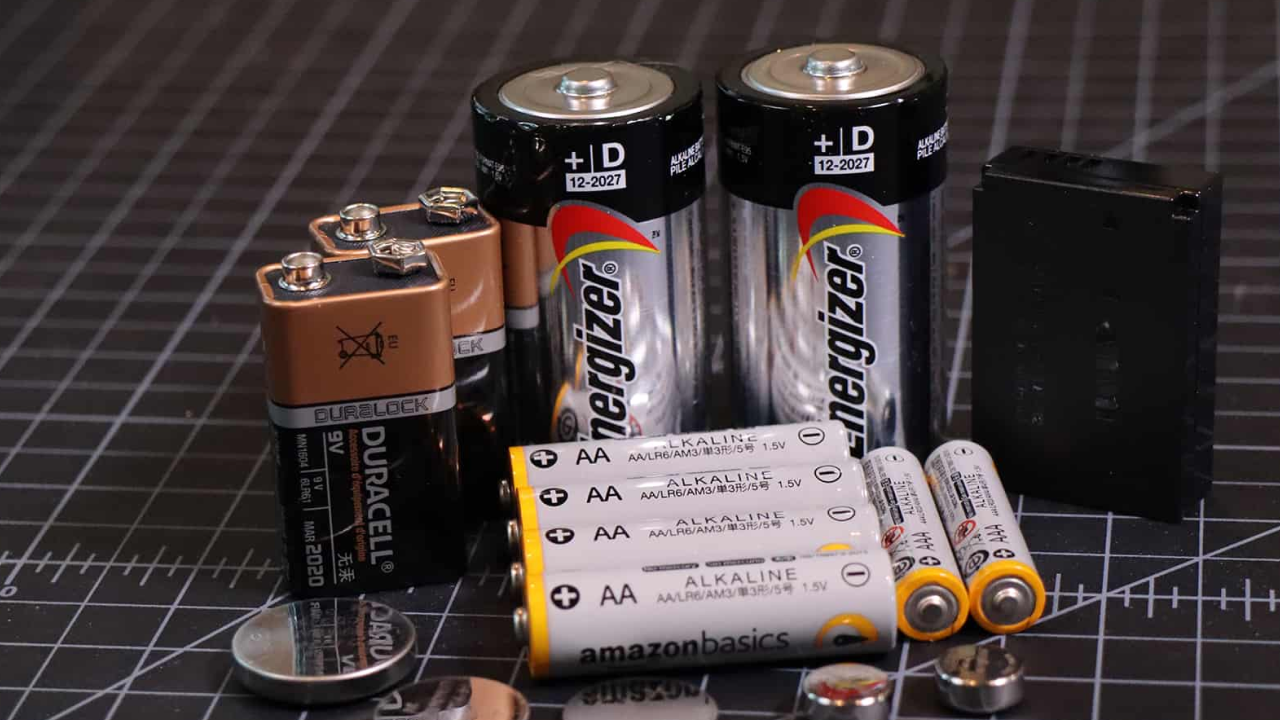
To verify genuine Duracell or Energizer batteries in bulk, check five things at receiving: laser-etched batch numbers on each cell, consistent print quality across the carton, readable date codes with reasonable remaining shelf life, intact factory seals with no repackaging signs, and supplier documentation with VAT invoice and TRN. Quarantine any batch that fails two or more checks.
Three months after an FM company orders 50 cartons of Procell AA from an undocumented supplier, smoke detectors across a managed building start giving false low-battery alerts. The batteries look right. The cartons look right. But the cells inside are counterfeits with roughly half the stated capacity, and the "Duracell battery original vs fake" question that should have been asked at the receiving dock is now an incident report on someone's desk.
This is not hypothetical. Counterfeit Duracell and Energizer batteries circulate through the UAE market, and the risk is highest for B2B buyers who order in bulk through price-driven channels without documentation checks.
This guide gives your warehouse receiving team a repeatable process: how to read date codes, what "not for retail sale" actually means, which red flags to watch for, and an 8-point receiving checklist you can print and laminate for the dock. It covers both Duracell (Procell and Coppertop) and Energizer (Industrial and Max). For verified Duracell and Energizer batteries from Sea Wonders, every carton ships with full documentation and traceable lot numbers.
Why counterfeit batteries are a real risk for UAE businesses
Duracell Procell and Energizer Industrial are among the most counterfeited B2B battery products globally. The economics make sense for counterfeiters: high-volume demand, relatively simple packaging to replicate, and end users who rarely test individual cells before installation.
In the UAE specifically, the free-zone trading structure adds a layer of complexity. Dubai, Sharjah, and Ajman free zones handle massive import volumes of consumer and industrial goods, and legitimate and counterfeit stock can share distribution channels. A supplier quoting significantly below market pricing on Procell cartons may be selling genuine stock from a different regional allocation, or may be selling counterfeits that will fail within weeks of installation.
The first line of defence is documentation: a supplier who can provide a VAT invoice with TRN, consistent SKU availability across orders, and clear origin documentation is far less likely to be sourcing counterfeit stock. For a consumer-level overview, see the consumer-level Duracell spot-check guide, but for bulk procurement the checks need to go deeper.
What does "not for retail sale" actually mean?
This marking causes more confusion in UAE procurement than any other single phrase. "Not for retail sale" on a Duracell battery is not a counterfeit indicator. It is a distribution channel marker with two common scenarios.
First: OEM cells. Battery manufacturers supply cells to device manufacturers (smoke detector makers, remote control producers, medical device companies) at lower pricing. Those cells ship inside the device and carry "not for retail sale" or "OEM" markings because they were never intended to reach retail shelves separately.
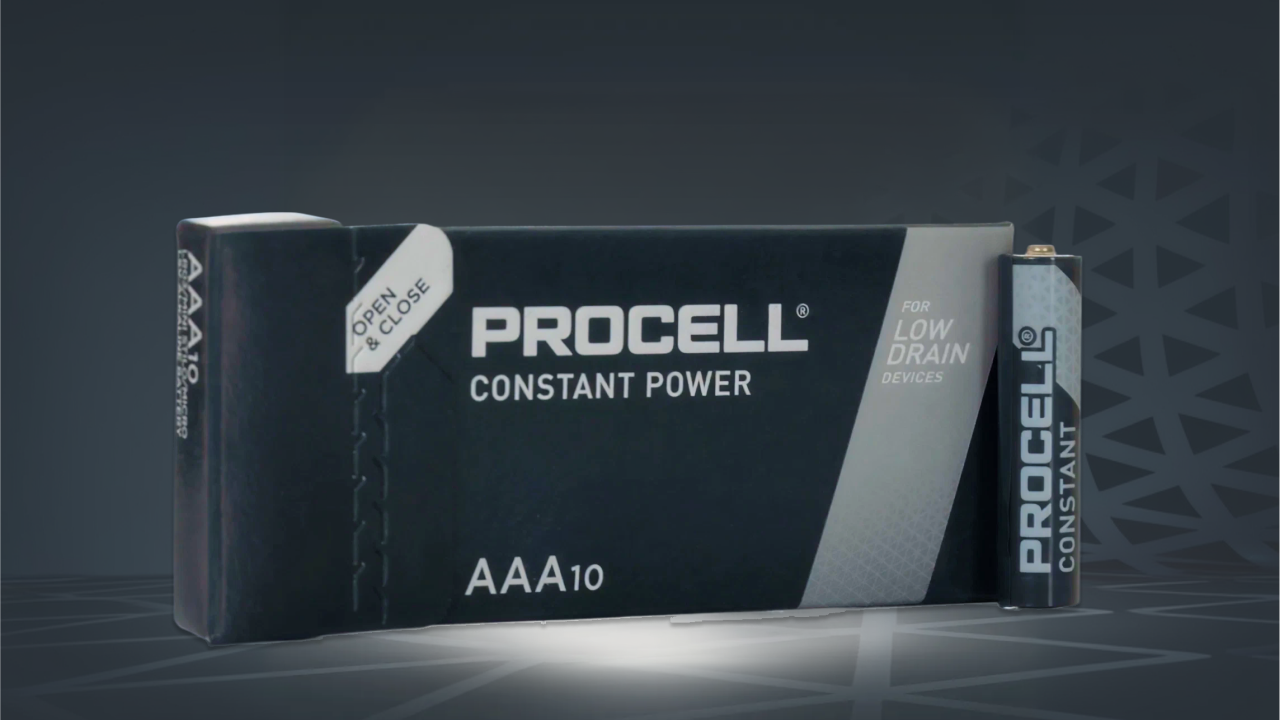
Second: Duracell Procell. The entire Procell professional range is marked "not for retail sale" because it is a B2B product line sold through trade channels, not consumer retail. If you receive a carton of Procell AA (PC1500) and every cell says "not for retail sale," that is correct and expected. See the Duracell Procell SKU guide for UAE businesses for the full range breakdown.
When you should investigate: consumer Coppertop or Plus Power batteries marked "not for retail sale." These are retail products. If your supplier delivers Coppertop with OEM markings, they may have sourced from an OEM allocation not intended for standalone resale, or the stock may be counterfeit. Either way, it warrants documentation questions.
Energizer Industrial does not carry a "not for retail sale" marking. The B2B nature of Industrial is indicated by bulk cardboard carton packaging rather than retail blister packs. If you see "not for retail sale" on an Energizer cell, that is unusual and worth investigating.
How to read date codes on Duracell and Energizer
Date codes are your fastest verification tool because counterfeits frequently get them wrong: misformatted, missing, printed rather than etched, or showing dates that do not align with the stated shelf life.
Duracell date codes are laser-etched directly onto the cell casing. You can feel the etching with your fingernail. It is rough, not smooth like screen printing. The format varies by production line but typically includes a production date and an expiry date. For Procell with its 7-year shelf life, a cell manufactured in 2024 should show an expiry around 2031. For Coppertop with its 10-year shelf life, a 2024 cell expires around 2034.
Energizer date codes are stamped onto the cell (not laser-etched). The impression is visible but not as tactile as Duracell's laser etching. The format includes production year and expiry.
The consistency check is critical for bulk. Pull 3 to 5 cells at random from across the carton. All cells within one carton should carry the same production code and the same expiry date. Mixed codes within a single factory-sealed carton is a strong red flag, either for counterfeits or for a repackaged batch.
Minimum remaining shelf life for procurement acceptance: at least 3 years for standard office and hotel devices; at least 5 years for safety equipment (smoke detectors, emergency lighting). Any stock arriving with less remaining life should be questioned, and any stock already past expiry should be rejected outright regardless of brand or supplier claims.
A practical tip: photograph the date codes during receiving inspection and attach the images to your goods-received note. This creates a time-stamped audit record that costs nothing and eliminates disputes later. If a supplier delivers stock with inconsistent or unreadable date codes, that is worth documenting even if you accept the batch, because it establishes a pattern if problems repeat.
The 8-point receiving checklist
This is the centrepiece of your verification process. Print it, laminate it, keep it at the receiving dock. Every battery shipment gets these eight checks before it enters inventory.
Check 1: Outer carton integrity. Factory-sealed with consistent tape and adhesive. No signs of opening and resealing. Carton print quality sharp, not blurred or misregistered.
Check 2: Carton markings match PO. SKU code on the carton matches the SKU on your purchase order or LPO. Batch number present. Date code visible. Barcode scannable and consistent with product database.
Check 3: Inner pack consistency. Open one carton and inspect. All inner packs should have identical print quality, layout, expiry dates, and language. Inconsistency across packs within a single carton = red flag.
Check 4: Cell inspection (sample 3 to 5 cells). Check batch number (laser-etched on Duracell, stamped on Energizer), date code present and consistent, print quality sharp, correct weight (approximately 24 grams for AA alkaline, approximately 11 grams for AAA alkaline). Counterfeits frequently weigh less.
Check 5: Seal and packaging quality. No re-sealing signs, no adhesive residue from relabelling, no misaligned shrink wrap. Procell inner boxes should be clean cardboard with printed product info, not aftermarket stickers.
Check 6: "Not for retail sale" context. On Procell: expected and correct. On Coppertop or Plus Power: investigate source. On Energizer Industrial: this marking should NOT be present; investigate if found.
Check 7: Supplier documentation. VAT invoice with TRN, matching SKU codes, matching quantities. If the supplier cannot provide a UAE-format VAT invoice, that is a procurement red flag regardless of battery authenticity. Order Duracell Procell AA cartons (/batteries/procell-aa) from suppliers who provide full documentation by default. [VERIFY PDP]
Check 8: Decision. 0 to 1 fails: ACCEPT into inventory. 2 to 3 fails: QUARANTINE batch, contact supplier for documentation, do not distribute. 4 or more fails: REJECT shipment, document findings, initiate supplier review.
For a broader supplier vetting process, see the full GCC supplier verification checklist.
How to verify Energizer batteries
Energizer verification follows the same general logic but has brand-specific differences worth noting.
Energizer does not use laser etching. Date codes are stamped into the cell casing. The impression is visible and can be felt lightly but is subtler than Duracell's laser etching.
The Energizer "E" logo should be crisp and properly proportioned. On counterfeits, the logo is frequently blurred, slightly off-colour, or printed at inconsistent sizes across cells within the same carton.
Energizer Industrial cells ship in bulk cardboard cartons without individual blister packaging. The carton itself should carry consistent SKU and batch information. Energizer Industrial does not use a "not for retail sale" marking, so its presence on an Energizer cell is unusual.
Weight check: a genuine Energizer AA alkaline cell weighs approximately 23 grams. If a batch consistently comes in lighter (under 20 grams), the cells may be underspec or counterfeit. Order Energizer Industrial AA cartons (/batteries/energizer-industrial-aa) from documented suppliers for guaranteed authenticity. [VERIFY PDP]
For brand-specific deep dives, see the detailed Energizer authentication guide (/blogs/how-to-check-genuine-energizer-batteries). [VERIFY URL]
How to source verified genuine batteries in the UAE
The most effective counterfeit prevention is supplier selection. A documented, consistent supplier eliminates most of the risk factors that make counterfeits enter the supply chain.
Three non-negotiable supplier requirements for battery procurement:
Authorisation or origin documentation. The supplier should be able to show where their stock originates. This does not necessarily mean they are the sole authorised distributor, but it does mean they can document the supply chain from manufacturer to your receiving dock.
UAE VAT-compliant invoicing. Every purchase order should generate a VAT invoice with TRN. Cash-only suppliers, suppliers who cannot produce invoices matching the delivered products, and suppliers whose documentation shows different SKUs than the physical stock are all red flags.
Consistent SKU availability. A genuine supplier will carry consistent stock across orders. If your Procell AA supplier has stock one month and not the next, and the pricing swings dramatically between orders, that pattern is more consistent with grey-market spot-buying than with documented distribution.
Sea Wonders carries both Duracell Procell and Energizer Industrial from a Dubai warehouse. Every shipment includes UAE VAT invoicing with TRN, traceable lot numbers, and carton-level MOQ flexibility. Visit the Sea Wonders Duracell supplier page and Sea Wonders Energizer supplier page for the full range.
UAE Buyer Notes: Battery Verification
- Free zone risk: Dubai, Sharjah, and Ajman free zones handle large battery import volumes. Legitimate and counterfeit stock can share channels. Always request a documentation trail from manufacturer to your facility.
- Storage: Summer warehouse temps can exceed 50 degrees C. Heat-damaged genuine stock degrades faster. Do not confuse reduced performance from storage damage with counterfeiting. Check storage conditions alongside authenticity.
- Legal: UAE Federal Law No. 37 of 1992 on Trademarks provides the legal basis for action against counterfeit goods. Document any suspected counterfeit batch with photographs, supplier details, and invoice records.
Conclusion
Counterfeit batteries do not announce themselves. They arrive in convincing cartons, pass a quick glance, and enter inventory. The damage shows up weeks later when smoke detectors give false alerts, door locks fail mid-shift, or an audit flags unverifiable stock. A repeatable receiving checklist, printed and laminated at the dock, is the cheapest quality control measure in your procurement process. Train your receiving team on the 8-point process once, and every shipment after that gets verified in under five minutes.
When you need a supplier whose documentation stands up to audit, Sea Wonders carries both Duracell Procell and Energizer Industrial from Dubai with full VAT invoicing, TRN documentation, and carton-level MOQ. Browse verified batteries on Sea Wonders and build your order with confidence that the cells are genuine.
Frequently Asked Questions
Q: How can you tell if a Duracell battery is genuine?
A: Check for a laser-etched (not printed) batch number on the casing. It should feel rough to touch. Verify date codes are present and consistent across the carton. Inspect print quality for sharpness. If buying Procell, "not for retail sale" is expected and normal.
Q: What does "not for retail sale" mean on Duracell batteries?
A: It means the battery is either an OEM cell shipped inside a device, or a Procell professional battery sold through B2B channels. Not a sign of counterfeit or inferior quality. Procell always carries this marking. Consumer Coppertop with this marking warrants investigation.
Q: Are there fake Duracell batteries in the UAE?
A: Yes. Procell and Coppertop are among the most counterfeited battery products globally. In the UAE, counterfeit stock enters through free-zone trading channels and online marketplaces. Risk is highest from undocumented suppliers or below-market pricing.
Q: How do you read the date code on a Duracell battery?
A: Laser-etched on the casing. The format varies but typically includes production date and expiry. Procell shelf life is 7 years; Coppertop is 10 years. All cells in one carton should show consistent codes. Feel for rough etching rather than smooth printing.
Q: How can I tell if an Energizer battery is authentic?
A: Energizer uses stamped (not laser-etched) date codes. Check for a sharp "E" logo, correct weight (approximately 23 grams for AA), and uniform codes per carton. Energizer Industrial has no "not for retail sale" marking. B2B is indicated by bulk cardboard packaging.
Q: What should a warehouse receiving team check when a battery shipment arrives?
A: Follow the 8-point checklist: outer carton integrity, markings match PO, inner pack consistency, cell inspection (batch, date, print, weight), seal quality, "not for retail sale" context, supplier documentation with VAT invoice and TRN, then make an accept, quarantine, or reject decision.