Locate Our Store
 +971 562162730
 AED
AED SAR
SAR KWD
KWD QAR
QAR BHD
BHD OMR
OMR


How to maintain your rowing machine in UAE climate (dust/humidity)
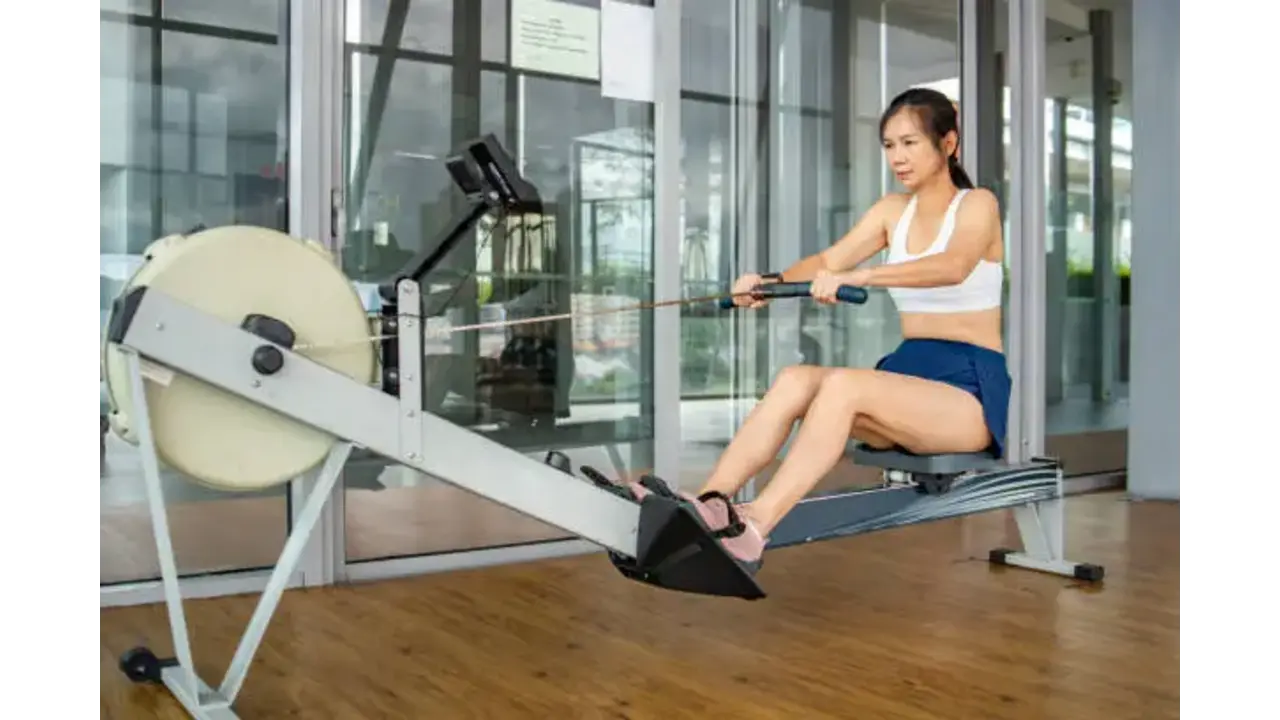
Introduction
Daily training on a rowing machine in the UAE presents a combination of environmental pressures that differ sharply from typical indoor gym conditions. Fine airborne dust settles easily on exposed mechanical parts, humid air encourages corrosion on metal components, and temperature shifts introduce condensation that affects electronic panels. These conditions influence how various materials respond under repeated use, especially when sweat salts mix with dust particles and adhere to surfaces. This blend of environmental stressors shapes the pace at which a rowing machine ages, how smoothly its components move, and how reliable its sensors remain.
A climate that frequently cycles between dry desert air and moisture-heavy coastal conditions places additional strain on structures such as rails, flywheel housings, drive chains, seat rollers and water tanks. Machines that operate without protective barriers or climate-aware care routines tend to experience early friction buildup, rust patches, and gradual deformation of components designed for milder climates. Regular workouts intensify these effects, as sweat residue interacts with particles already settled on high-contact zones, accelerating surface degradation.
A climate-tailored maintenance framework becomes essential in this environment. Cleaning sequences must account for airborne particles, lubrication intervals shift due to faster dust accumulation, and storage zones must adapt to humidity patterns and airflow behavior in UAE homes. When these considerations are integrated into routine care, the lifespan of the machine extends significantly, performance remains stable, and rowing motions stay smooth and responsive. Sea Wonders machines marketed for dust- and humidity-prone regions demonstrate how design features such as sealed flywheels and corrosion-resistant finishes reduce maintenance frequency, yet even these models gain longevity when supported by structured care routines aligned with local climate realities.
Key Takeaways / TLDR
• UAE conditions require dust-aware and humidity-aware care routines for rails, chains, rollers and electronic housings.
• Dust, sweat salts and moisture combine to accelerate corrosion and friction buildup if not removed promptly.
• Climate-adapted placement, controlled humidity and protective covers significantly reduce long-term wear.
• Resistance system design plays a major role in climate resilience, with sealed magnetic systems typically performing better in dusty environments.
• Routine schedules must be adjusted to match faster dust accumulation and higher moisture cycles common in UAE homes.
Understanding the Challenge: UAE Climate + Rowing Machines
Fine particulate matter in desert regions forms an abrasive layer on exposed surfaces, particularly rails, handles, footrests and flywheel components. These particles settle quickly on static machinery, and any movement that occurs across dusty surfaces introduces micro-abrasion. Even small quantities of dust reduce the smoothness of seat travel and increase friction on chain or belt systems. When humidity rises, this dust binds more firmly to metal and polymer surfaces, creating a thin residue that is harder to remove and more likely to trap moisture.
Humidity creates another set of mechanical and material stresses. Metal rails, bolts and internal drive components react to moisture through surface oxidation. Repeated exposure causes early-stage corrosion that appears as dull patches, slight discoloration, or fine roughness along metal sections. In sealed electronic areas, moisture intrusion can destabilize wiring, reduce contact integrity, and limit the accuracy of metrics used during workouts. When condensation forms during overnight temperature shifts, small droplets may collect on consoles, footplates and frame joints before evaporating, repeating a cycle that encourages long-term degradation.
Sweat contributes to these challenges by introducing salts and organic compounds. These salts crystallize on high-use areas such as handles and seat rails, promoting corrosion when they mix with humidity. A typical workout generates enough sweat to saturate grips and drip onto surfaces beneath the machine. When sweat dries, dust binds to it, forming a grit-like residue that interferes with moving parts. As these residues accumulate, the mechanical load on drive systems increases, leading to premature strain.
The intersection of dust, humidity and salt exposure defines the unique risk profile faced by rowing machines in the UAE. Maintenance practices must consider how these elements interact, how they advance from surface issues to mechanical complications, and how indoor environments influence the rate at which deterioration occurs. 
Which Rowing Machine Types Handle Dust & Humidity Best?
Rowing machines differ significantly in how their components respond to external conditions, especially when dust and moisture act together. Magnetic systems rely on enclosed flywheels that limit exposure to airborne particles. Their sealed construction reduces dust intrusion, and the absence of open airflow pathways minimizes the risk of particle accumulation on resistance elements. This makes magnetic models particularly suited to locations affected by persistent dust or sand movement.
Air rowers use open flywheels and vents to generate resistance. This design introduces a high airflow volume during each stroke, drawing in dust and circulating it around internal components. Dust settles inside the housing, on blades, and along bearings. In humid environments, the combination of moisture and particulate matter encourages clumping around mechanical pivots. Regular vent cleaning becomes essential for preserving rotational smoothness. The open system also increases the likelihood of dust reaching sensors or cables positioned near the flywheel.
Water rowers introduce a different relationship between climate and resistance mechanisms. The water tank responds to heat, humidity and dust in ways not present in air or magnetic units. Moisture-heavy environments create favorable conditions for algae growth inside the tank unless treated consistently. Heat accelerates evaporation, altering water levels and resistance calibration. Any dust entering the tank area can settle on seals, contributing to slow leaks or reduced sealing performance.
A structured comparison clarifies these distinctions:
|
Rower Type |
Dust Exposure |
Humidity Response |
Maintenance Burden in UAE |
|
Magnetic (sealed) |
Low |
Moderate |
Low |
|
Air (open flywheel) |
High |
High |
High |
|
Water tank |
Moderate |
High |
Medium to High |
Climate-appropriate selection prioritizes sealed systems or machines constructed with corrosion-resistant coatings and protective housings. This reduces long-term mechanical wear and minimizes cleaning frequency. Sea Wonders models built for harsh environments demonstrate how durable finishes, sealed bearings and enclosed resistance designs address the specific challenges posed by dust-heavy and moisture-rich conditions. 
Daily and Post-Workout Maintenance Routine (for Dusty & Humid Conditions)
Dust and sweat accumulate quickly in desert and coastal regions, making immediate post-workout care one of the most influential factors in rowing machine longevity. Fine particles settle on rails, rollers and chain surfaces within hours, and sweat salts left on contact points harden into crystalline deposits that bind with settled dust. This mixture forms a granular layer that disrupts smooth travel, increases friction and introduces early corrosion on metallic areas. Removing these residues before they dry limits the rate at which mechanical load increases with repeated strokes.
A daily cleaning pattern addresses these risks by targeting high-transfer zones. Handles absorb salts during workouts, and moisture often drips toward footrests and the rail path. Seat rollers also pass repeatedly over any debris on the monorail surface, so the cleaning sequence must prioritize this path. Electronics benefit from protected handling as well, because moisture on the display or buttons can interact with fine dust particles and reduce contact reliability over time.
A structured workflow helps reduce material stress:
-
Wipe the handle, rail, seat surface, footrests and frame joints with a dry microfiber cloth.
-
Remove moisture using a separate dry towel to prevent film buildup.
-
Clean the rail path with a soft cloth to ensure no residue remains.
-
Vacuum the floor beneath the machine to prevent dust recirculation.
-
Inspect contact points for visible salt streaks or dust clusters.
Tools suited for UAE conditions include soft brushes for flywheel vent openings (if applicable), pH-neutral cleaners for sweat removal, and lint-free cloths for areas near electronics. A dust cover placed over the machine after this routine creates a barrier against overnight dust accumulation, especially during sand-heavy periods. Machines with sealed components, such as climate-focused Sea Wonders models, benefit from this routine by maintaining stable movement patterns and limiting the chance of moisture intrusion.
Weekly & Monthly Maintenance: Deep Cleaning, Lubrication and Inspection
Longer maintenance intervals offer a chance to address particles hidden within moving components. In dusty regions, particles migrate into joints, chain links, belt housings and bearings through motion-induced airflow. Over time, this buildup increases friction and accelerates surface wear on metal and polymer parts. Weekly and monthly routines eliminate embedded residues before they alter mechanical performance.
Deep cleaning begins with rail and roller assessment. Rails accumulate thin, nearly invisible dust layers that cause rollers to develop a faint scratch-like sensation during travel. A damp microfiber cloth removes these layers, restoring glide consistency. Chains or belts benefit from direct inspection, as dust-laden lubrication becomes thick and resistant if not refreshed. Removing old lubricant and applying a manufacturer-approved light oil or silicone formula prevents stiffening under humid conditions.
Mechanical fasteners require attention as well. Dust can form a barrier between screws and mounting points, allowing gradual loosening during repeated strokes. Checking bolts along the frame, footplates and seat structure ensures stability under load. This task reduces vibrations that otherwise accelerate wear in surrounding components.
A sample weekly checklist includes:
• Rail cleaning and inspection for rough patches
• Handle and grip sanitation
• Vacuuming flywheel vents or air inlets
• Checking seat rollers for debris
• Assessing chain or belt condition
A monthly checklist expands into:
• Lubrication of chain, belt or monorail surfaces
• Tightening all accessible bolts
• Cleaning inside flywheel housings (air rowers)
• Inspecting console connections
• Checking water levels or tank clarity (water rowers)
Rowers featuring sealed flywheels, corrosion-resistant finishes and reinforced roller assemblies, such as models provided by Sea Wonders, require fewer intrusive steps during these intervals, though routine inspections remain crucial in high-dust regions.
Seasonal & Environmental Maintenance: Humidity Control, Indoor Air Quality and Storage
Seasonal shifts in the UAE influence humidity levels, air movement and indoor dust concentration. As temperatures rise, indoor spaces often rely on air-conditioning cycles that shift moisture levels throughout the day. These cycles create condensation risks on metal surfaces and electronic housings, especially during cooler night periods. Proactive environmental maintenance reduces these fluctuations by stabilizing humidity and limiting dust entry into the workout space.
Humidity control devices play a central role. Dehumidifiers set within a moderate range prevent oxidation and inhibit microbial growth around water tanks or footrest materials. Air purifiers reduce airborne dust, lowering the amount reaching mechanical parts. Gym placement also matters; machines positioned near windows, sliding doors or ventilation grilles receive more dust exposure. Selecting a low-traffic corner with minimal airflow turbulence reduces particle accumulation.
A structured environment plan includes:
• Identifying areas with minimal direct sunlight and fewer external openings
• Keeping machines away from AC vents that push dust toward mechanical sections
• Using floor mats that reduce dust transfer during foot movement
• Closing windows during sandstorms or high-dust days
• Maintaining moderate indoor humidity to limit condensation cycles
Storage precautions help extend component life. A fitted dust cover blocks particles from settling inside drive mechanisms. Vertical storage reduces the surface area exposed to airborne dust. Machines stored near damp walls risk moisture transfer, so clearance from humidity-prone surfaces is essential.
Seasonal inspection should track rust-prone locations such as rail edges, exposed bolts and flywheel housings. As climate conditions intensify during certain periods, checking these areas helps catch early signs of corrosion. Models designed for desert and coastal regions, including climate-ready Sea Wonders rowers, respond well to these environmental adjustments, operating more consistently under shifting seasonal patterns.
Material-Specific Maintenance: Metals, Plastics, Electronics, Water Tanks, Rubber and Straps
Material composition determines how each component responds to dust, humidity and temperature variations. Metals serve as the structural foundation of most rowing machines, and their interaction with moisture is direct. Surface oxidation begins when metal encounters humid air mixed with sweat salts or microscopic dust deposits. Minor discoloration may indicate early corrosion, so consistent surface cleaning is essential. Coated metals retain their integrity longer, yet small coating chips can develop into rust spots when left unattended.
Plastic and polymer components behave differently. These materials accumulate dust through static charge, especially in dry desert months. Dust settles more heavily on seat shells, footrests and handle housings. When humidity rises, these particles cling more tightly to surfaces, forming layers that require gentle cleaning to avoid micro-scratching. Plastic parts exposed to heat near windows may show early signs of fading or stiffness, making placement decisions important.
Rubber and fabric straps used for foot restraints experience salt absorption during frequent workouts. Sweat saturation creates a breeding ground for moisture retention, increasing the likelihood of mildew or gradual fraying. Regular rinsing with mild cleaners helps retain elasticity and prevents buildup that weakens fibers. High-humidity periods intensify this degradation, so drying is essential after every session.
Water tanks require different care. Transparent tank walls show residue lines where evaporation occurs, and dust on the exterior forms a gritty film that can migrate toward seals. When left unchecked, these films strain seal integrity. Tanks must remain free of contaminants because water quality directly influences the smoothness of the resistance mechanism.
Electronics combine plastic housings, internal wiring and metal contacts. Their vulnerability increases when moisture forms along button edges or display borders. Dust trapped in these areas may obstruct sensors or weaken connection points. A routine that removes surface particles without introducing liquids preserves functionality and prevents premature deterioration.
Climate-focused machines, including Sea Wonders models, integrate materials chosen for durability in dust- and moisture-prone regions, yet component-level care remains central to maintaining performance across seasonal shifts.
Water-Rower Special Care in Hot and Humid Climates
Water rowers carry unique maintenance responsibilities because the resistance system depends on fluid clarity, tank integrity and consistent water levels. Heat accelerates evaporation within the tank, especially during peak summer months when indoor temperatures fluctuate. Lower water levels alter resistance calibration and affect stroke consistency. Monitoring fill lines ensures that the resistance remains accurate across sessions.
Humidity introduces another set of considerations. Warm, moisture-rich air encourages algae formation, which gradually clouds water and reduces the natural smoothness associated with water-based resistance. Treatment tablets or approved water conditioners prevent microbial growth and maintain clarity. These treatments also keep internal tank surfaces free of residue that may accumulate along the waterline.
Dust affects water rowers indirectly. Particles settle on the tank exterior and gather around seals. If these particles collect near the tank opening, they may interfere with the seal’s ability to maintain proper pressure. Over time, this can lead to slow leakage or minor drips around the base of the tank. A structured schedule for exterior tank cleaning prevents this buildup:
-
Remove visible dust from the tank’s outer wall with a soft cloth.
-
Check the sealing ring for debris or early signs of deterioration.
-
Assess water clarity and note any discoloration.
-
Refill the tank if evaporation has reduced resistance.
-
Add treatment tablets according to the recommended timeline.
Condensation forms during temperature swings when a cool indoor environment encounters warm ambient air. Droplets can develop on the tank surface and migrate toward nearby frame joints. Wiping these droplets prevents moisture transfer to metal components that sit beneath the tank area. Machines designed with reinforced seals and stable tank mounts, such as Sea Wonders water rowers, respond predictably in high-humidity environments when paired with disciplined care routines.
Dust & Moisture-Related Risks to Electronics and Console
Electronic systems require particular attention in climates where dust movement and humidity cycles persist throughout the year. Fine particles settle into narrow gaps surrounding buttons, display screens and sensor ports. When these gaps accumulate dust, touch sensitivity may decline, and internal switches may register inconsistent signals. Dust also settles on ventilation openings designed to regulate internal temperature. If these vents become obstructed, internal components may operate under warmer conditions, reducing the lifespan of sensitive circuitry.
Humidity magnifies these vulnerabilities. Moisture introduced through condensation or ambient humidity forms a thin layer along panel edges and plastic borders. When dust adheres to this film, it becomes harder to remove and may work its way toward internal components. Even slight moisture penetration can weaken electrical contacts, reduce display brightness or introduce intermittent malfunction of tracking metrics.
Cable pathways connecting the console to internal sensors face similar threats. Dust accumulates at entry points where cables meet housings, and humidity may soften insulation materials. Regular inspections help identify early signs of weakening near plug-in zones or wire channels.
A protective routine includes:
• Removing dust with a dry, soft cloth along the console frame
• Cleaning ventilation slots with a small brush
• Checking cable tension and connection firmness
• Monitoring for condensation during rapid temperature changes
• Shielding the console with a fitted cover after each workout
Machines built with sealed electronic housings demonstrate higher reliability in these climates. Sea Wonders models designed for dust-heavy environments utilize tight-panel construction and reinforced console seals that reduce exposure. Pairing these design features with routine inspections supports consistent performance even when environmental conditions fluctuate sharply between humid coastal air and dry desert winds.
Long-Term Maintenance Strategy: Maintenance Log, Inspection Schedule and Lifecycle Planning
Long-term conditioning of a rowing machine in dust-heavy and humidity-prone regions depends on consistent tracking of maintenance actions, early detection of material fatigue, and a structured approach to inspections. Machines operating in UAE homes face accelerated wear because particles settle into mechanical paths at a faster rate than in cleaner climates. A maintenance record creates continuity by linking environmental shifts, observed symptoms and completed upkeep tasks. Patterns emerge through consistent documentation, such as recurring friction on the rails during high-dust periods or increased condensation near electronics during humid seasons.
A detailed log for long-term reliability may include:
• Date and type of cleaning performed
• Lubrication intervals and products used
• Notes on dust accumulation or residue patterns
• Observations of corrosion patches or frame discoloration
• Roller glide quality and chain/belt condition
• Water-tank clarity and seal behavior for water rowers
• Console responsiveness or display irregularities
• Changes in indoor humidity or air-quality readings
Inspection schedules must reflect environmental pressure. Quarterly inspections align with seasonal shifts in the UAE, where humidity rises in coastal regions and dust peaks during drier months. These inspections should evaluate bolt integrity, roller alignment, chain tension, flywheel responsiveness and potential moisture exposure beneath panels. Annual assessments benefit from deeper scrutiny, covering hidden components where dust migration is more likely.
Lifecycle planning acknowledges that even well-maintained machines reach natural points of functional decline. The stress of constant exposure to fine particulate matter and moisture gradually affects structural parts. Planning includes scheduling professional servicing when early-stage friction emerges or when electronic panels show intermittent failures.
Climate-designed equipment, such as Sea Wonders models featuring sealed housings and corrosion-resistant assemblies, displays slower wear patterns. Yet long-term strategies remain necessary because environmental conditions evolve year to year. Structured tracking, regular inspections and early interventions form the foundation of stable performance across extended periods.
When Maintenance Is Not Enough: Considering Replacement or Climate-Resistant Upgrades
Even with careful routines, there are conditions where maintenance no longer restores smooth performance. Continuous exposure to dust often results in minute abrasions on rails and roller surfaces that deepen over time. If maintenance intervals become shorter without resolving friction, this may indicate material fatigue. Rust patches that reappear after cleaning suggest deeper oxidation beneath the surface layer, especially on frame joints or monorail edges. Once corrosion reaches these underlying layers, structural integrity can weaken.
Drive components also signal when replacement becomes the more practical choice. Chains that produce persistent grinding noises or belts that lose tension repeatedly often indicate internal fiber degradation. Motor housings or flywheel interiors in air rowers may accumulate dust clusters that interfere with airflow, leading to uneven resistance even after thorough cleaning. Water tanks with recurring seal leaks or cloudy water despite treatment reflect aging components that no longer maintain ideal conditions.
A comparison of replacement triggers:
|
Component |
Indicator of Irreversible Decline |
Replacement Consideration |
|
Rail/rollers |
Deep scratches or rough glide |
Reduced stroke efficiency |
|
Chain/belt |
Frequent tension issues |
Safety and performance |
|
Water tank |
Persistent leaks or recurring cloudiness |
Resistance accuracy |
|
Electronics |
Inconsistent data readings |
Training reliability |
Climate-resistant upgrades become valuable at this stage. Sealed flywheel units reduce dust intrusion, corrosion-resistant coatings limit oxidation, and tight-panel electronic housings lower moisture exposure. Machines with these characteristics offer multi-season resilience, particularly in areas experiencing both coastal humidity and desert dust. Sea Wonders machines designed for these environments illustrate how these engineering features produce more stable long-term behavior.
Choosing an upgrade often becomes more cost-effective than repairing a machine that requires repeated servicing. When maintenance fails to restore consistent stroke fluidity or when electronic reliability declines despite protective routines, transitioning to a climate-ready model may provide better longevity and reduced upkeep demands.
Quick Maintenance Checklist (Printable / Saveable)
Short, structured maintenance reminders help maintain consistency, especially when environmental conditions fluctuate. This checklist condenses key actions into clear intervals aligned with typical dust and humidity patterns in the UAE.
Daily
• Wipe handle, rail and seat surfaces
• Remove sweat residue from all contact zones
• Clean surrounding floor area to limit dust return
• Inspect visible dust near flywheel openings
• Cover the machine after drying surfaces
Weekly
• Clean monorail with a lightly damp cloth
• Check rollers for grit accumulation
• Vacuum vents or air inlets
• Sanitize grips and footrests
• Examine drive chain or belt for early dust buildup
Monthly
• Lubricate chain, belt or rail according to model design
• Tighten bolts across frame joints and footplates
• Remove dust from flywheel housings
• Check console responsiveness and button clarity
• Inspect water levels or tank transparency
Quarterly
• Assess metal surfaces for early corrosion spots
• Review strap elasticity and replace if worn
• Inspect cable pathways for dust clusters
• Check tank seals for water rowers
• Evaluate overall glide smoothness and operational noise
Semi-Annual / Annual
• Conduct deep inspection of internal components
• Replace worn rollers, chains, belts or seals
• Review maintenance log for recurring issues
• Adjust placement or humidity control based on seasonal patterns
This structured format supports continued reliability by aligning cleaning, lubrication and inspection tasks with environmental realities. Machines engineered with sealed assemblies and corrosion-resistant materials, including Sea Wonders models, perform best when paired with consistent adherence to these intervals.
FAQs
1. What makes rowing machine maintenance in the UAE different from other regions?
Dust, sand, humidity and temperature swings create faster wear on rails, rollers, drive systems and electronics, requiring more frequent cleaning and inspections.
2. How often should a rowing machine be cleaned in dusty climates?
Light cleaning after every session prevents dust and sweat buildup, while deeper cleaning of rails, rollers and drive components is recommended weekly.
3. Which type of rowing machine performs best in UAE conditions?
Magnetic rowers with sealed flywheels and corrosion-resistant finishes offer stronger resilience against airborne dust and moisture compared to open-air or water systems.
4. Can humidity damage the electronic console of a rowing machine?
Yes. Moisture can settle around buttons and display edges, allowing dust to bind to the surface and potentially interfere with sensors or internal wiring.
5. How can water rowers be protected in hot and humid environments?
Water levels should be monitored frequently, treatment tablets added as recommended, seals cleaned regularly and the tank inspected for condensation or early leaks.
Conclusion
Rowing machines placed in UAE environments operate under a set of stresses that accumulate faster than in many other regions. Fine particulate matter settles across rails, drive components and footrests at a persistent rate. Humidity cycles affect metal surfaces, electronic connections and areas where condensation forms during temperature shifts. The combination of airborne dust, sweat salts and moisture influences how each component ages, how resistance systems perform over time and how frequently maintenance must occur. Machines that appear mechanically sound may still experience subtle declines in glide quality or electronic consistency when exposed to these factors without scheduled care.
A structured maintenance approach provides stability across these conditions. Daily routines remove salt and particle buildup before it hardens. Weekly and monthly inspections reach deeper into areas where friction or corrosion may begin to develop. Seasonal adjustments address changes in humidity and indoor airflow, helping the machine remain responsive during periods of environmental fluctuation. Material-specific considerations protect metals from oxidation, plastics from static dust adhesion and water tanks from microbial growth. These coordinated actions work together to maintain reliable performance for long periods, even when external conditions fluctuate sharply.
Machine selection also influences long-term reliability. Models engineered with sealed resistance systems, corrosion-resistant finishes and reinforced housings offer greater stability in dusty and humid regions. Sea Wonders machines designed for these climates illustrate how certain engineering traits reduce exposure to airborne particles and moisture, easing the burden of frequent cleaning while supporting the machine through seasonal changes.
Related Blogs