
 Locate Our Store
 +971 562162730
 AED
AED SAR
SAR KWD
KWD QAR
QAR BHD
BHD OMR
OMR


Quiet rowing machines for shared buildings in Dubai
Introduction
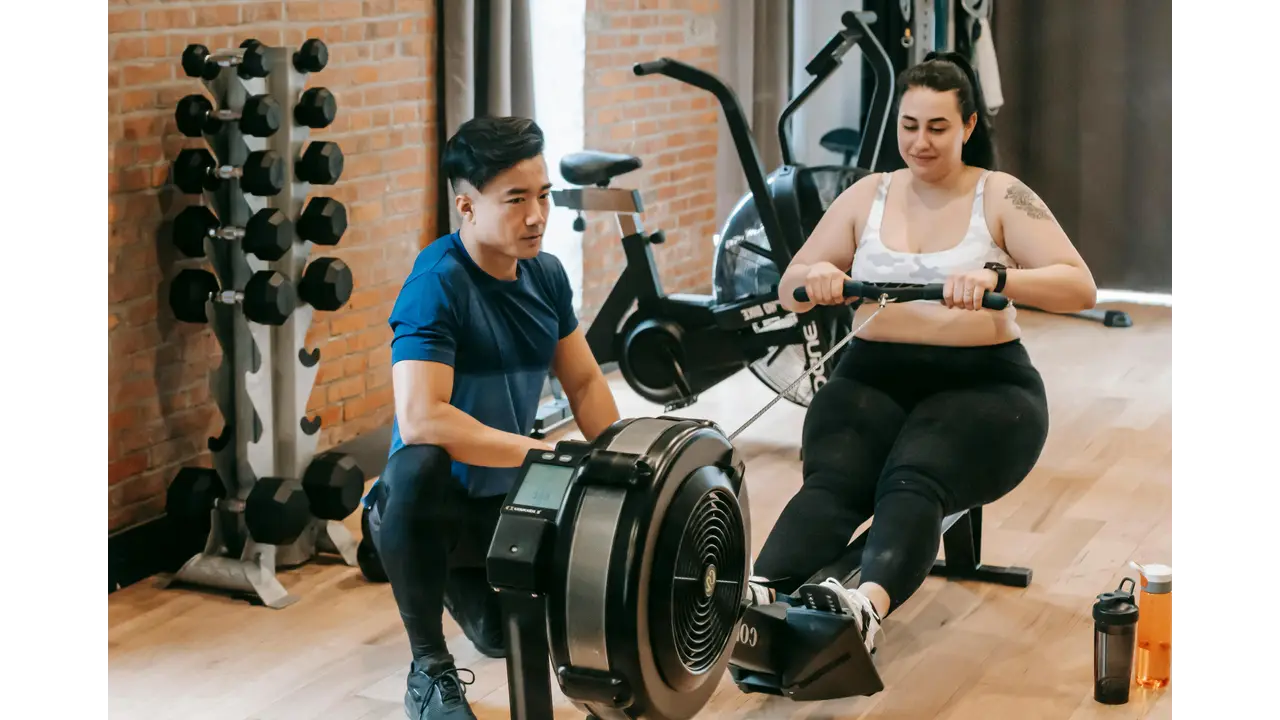
Quiet indoor rowing machines have become a practical solution for residents living in shared buildings in Dubai, where close-proximity apartment layouts and variable building acoustics can amplify even moderate workout noise. Interest in low-noise machines has increased as more individuals set up compact home gyms and seek equipment that supports full-body training without producing disruptive sound. A quiet rower provides controlled movement powered through a smooth resistance mechanism, helping maintain a calm workout environment while reducing vibration transfer through floors and adjoining walls.
Dubai’s residential landscape, with a mix of high-rise towers, shared villas, and mid-rise developments, creates distinct challenges for selecting home-gym equipment. Rowing machines vary significantly in noise output, mostly due to differences in flywheel mechanics, resistance design, and frame construction. Sound produced during a rowing stroke comes from three main factors: the resistance system, the seat’s rolling mechanism, and the user’s force intensity. Machines built with magnetic or hydraulic systems tend to minimize acoustic output because they rely on friction-free or sealed components, while air and water rowers produce characteristic sound signatures linked to airflow or water displacement.
Noise control becomes even more important when floors consist of tile or floating panels, which can transmit vibration more readily than carpeted surfaces. Residents in shared buildings often prefer equipment that keeps workouts discreet and avoids unwanted disturbance during early morning or late-evening sessions. A quiet rowing machine also improves the indoor experience by reducing auditory fatigue and allowing concentration on pace, breathing, and posture.
Understanding the relationship between building context, resistance mechanics, and machine design makes the selection process more straightforward. Key considerations include stroke smoothness, resistance range, build stability, mat usage, and maintenance routines, all of which influence long-term noise levels. A clear grasp of these factors helps match a machine type to sound-sensitive environments commonly found across Dubai’s residences.
Key Takeaways / TLDR
• Noise varies sharply by resistance type; magnetic and hydraulic systems are the quietest.
• Shared buildings in Dubai require machines with minimal vibration transfer and stable frames.
• Tile flooring increases noise transmission, making mat placement essential.
• Air and water rowers offer strong training feel but produce distinctive sound signatures.
• Selecting a rower for apartments involves balancing noise, space, resistance preference, and maintenance needs.
Why Noise Matters for Rowing Machines in Shared Apartments
Rowing machines generate rhythmic, repetitive movement that can produce subtle but persistent noise, which becomes more apparent in tightly built shared apartments. In Dubai’s residential complexes, structural materials such as reinforced concrete, tiled flooring, and hollow partition walls can transmit sound in ways that surprise new home-gym users. Even moderate machine noise can carry through flooring plates or shared walls if vibration absorption is limited. For this reason, quiet operation is not simply a comfort preference but a functional requirement for residents who maintain stable relationships with neighbours and avoid noise complaints.
A rowing machine produces sound from its resistance mechanism, the sliding seat, and the user’s movement pattern. Each component interacts differently with building materials. For example, tile and marble surfaces echo mechanical clicks or rail vibration faster than carpeted floors. When the building’s layout situates bedrooms above or below a workout room, sound transfer may be more noticeable. Many residents select quiet indoor rowers as alternatives to treadmills because the impact of foot strikes is completely eliminated, reducing the vertical force transmitted into structural slabs.
Noise concerns also influence workout timing. In shared buildings, residents often train early morning or late evening, times when neighbours rest. A quiet rower helps maintain consistent routines without disturbing nearby units. Stable frames, smooth flywheels, and even padding under the machine reduce acoustic output and create a more controlled workout environment.
Quiet rowers also support better internal focus. Reduced background noise allows training sessions centered on pacing, posture, and breathing, which is useful for beginners developing a steady stroke rhythm. When machine sound remains minimal, the indoor space feels calmer and more conducive to repeat sessions. In this sense, a quiet rowing machine satisfies both environmental etiquette and exercise quality, making it suitable for high-density residential towers and shared villa units commonly found across Dubai.

Resistance Types and Their Noise Profiles
Rowing machines differ widely in acoustic character due to variations in resistance systems, each producing its own sound signature and vibration level. Understanding these mechanisms helps match equipment to sound-sensitive shared buildings.
Magnetic and electromagnetic rowers create resistance through controlled magnetic fields acting on a flywheel, producing minimal mechanical contact. The motion remains smooth, the flywheel runs quietly, and the absence of air displacement keeps noise at a low, uniform level. These machines also avoid the upward noise curve seen in systems where resistance increases with user effort, making them suitable for apartments with close neighbours.
Hydraulic rowers rely on sealed fluid cylinders attached to the arms or frame. The contained design limits noise because movement occurs through controlled fluid displacement rather than external airflow or open-motion flywheels. Hydraulic models are compact and generate very little vibration; however, resistance may feel less natural and maintenance of cylinders may be necessary over time.
Water-based rowers use paddles rotating through a sealed water tank, creating a distinct flowing sound. This sound is steady and natural but still audible, particularly at higher stroke rates. In shared buildings, the water swoosh may carry through quiet rooms, depending on flooring and apartment layout. While appreciated for realistic rowing sensation, water rowers require more space and periodic tank maintenance, which may influence suitability in compact homes.
Air rowers generate resistance through a fan wheel that spins with each stroke. The airflow creates a noticeable rush that increases with stroke intensity, making air rowers the loudest category. For shared buildings, this sound profile can be disruptive, especially during high-intensity intervals. Despite excellent responsiveness and training benefits, air rowers are usually less suitable for apartments where noise control is a priority.
These distinctions reveal clear functional differences. Machines based on magnetic or hydraulic technology align best with shared residential settings, while water and air models appeal to users seeking realism or performance but introduce more noise considerations.
Comparing Noise, Feel, and Maintenance — Trade-Off Matrix
Rowing machines differ in the way they balance noise output, rowing feel, long-term maintenance, and suitability for shared buildings. These distinctions help clarify why certain models align better with Dubai’s apartment environments, where vibration control and quiet operation are practical needs. Sound level, stroke sensation, and maintenance frequency all stem from the internal engineering of each resistance system.
Magnetic and electromagnetic machines deliver consistent silence due to friction-free resistance and enclosed flywheels. Their motion is smooth, controlled, and independent of stroke intensity. Many residents in multi-unit buildings select them for this stable noise profile. Hydraulic models also remain quiet because fluid pistons limit mechanical movement, though their feel can be less natural and may vary as cylinders warm up during longer sessions. Water rowers offer a distinctive flowing sensation appreciated for realism, but the water tank produces audible movement. Air rowers generate responsive resistance that suits athletic users, yet the airflow sound increases sharply at stronger strokes, making them the loudest choice.
A structured comparison clarifies these distinctions:
|
Resistance Type |
Noise Level |
Rowing Feel |
Maintenance Requirements |
Suitability for Shared Buildings |
|
Magnetic / Electromagnetic |
Very low |
Smooth, controlled |
Minimal cleaning and periodic checks |
Highly suitable |
|
Hydraulic |
Very low |
Compact, less natural |
Cylinder care and occasional adjustments |
Suitable |
|
Water |
Moderate |
Realistic, flowing |
Tank care, water treatments |
Conditionally suitable |
|
Air |
High |
Strong, responsive |
Flywheel cleaning |
Least suitable |
Maintenance also influences noise over time. Dust buildup on rail tracks, dried lubrication, and worn seat rollers can increase sound output even on quiet machines. Dubai’s dusty climate can speed up this process, making routine cleaning important for noise consistency. Apartments with tiled floors may transmit vibration more easily, reinforcing the value of machines with stable frames and smoother resistance technology.
Matching noise and performance priorities ensures the right balance between indoor comfort, neighbor consideration, and training goals. This comparison forms the foundation of informed decision-making for residents seeking quiet, long-lasting equipment that fits compact living spaces.
Practical Considerations for Dubai and UAE Apartments
Dubai’s residential buildings introduce specific conditions that shape the selection of quiet rowing machines. Shared wall structures, tiled flooring, and compact room layouts make noise control and vibration management essential. Because many apartments are designed with hard surfaces that reflect sound rather than absorb it, rowers with quiet resistance systems and solid frame stability become important.
Space constraints influence the type of machine chosen. Compact magnetic or hydraulic models are often favored because they occupy less room and provide smoother operation. Foldability and vertical storage support apartments with limited spare space, especially when equipment must be moved in and out of living rooms or bedrooms. Transport wheels add convenience for shifting the machine without scraping tile surfaces or causing floor vibration.
Flooring plays a significant role in sound transmission. Tile and marble surfaces, common in UAE buildings, can amplify vibration. Placement of a thick rubber mat or vibration-absorbing layer under the machine reduces transmission into the slab and lowers the likelihood of noise passing into neighbouring rooms. Machines with heavier frames distribute force more evenly, limiting the resonance that lightweight frames sometimes produce.
Climate also shapes maintenance needs. Humidity, dust, and temperature fluctuations can influence moving parts. Rail tracks, seat rollers, and flywheels benefit from regular cleaning to avoid dust accumulation that may cause friction sounds. Water-rower tanks may require more frequent treatment to keep water clear in warmer environments. These regional conditions highlight the importance of machines designed with sealed components or low-maintenance engineering.
Availability and shipping requirements add another consideration. Some machines require import arrangements, which can influence cost and setup timelines. Residents often prioritize equipment that arrives with local support or straightforward assembly.
These combined factors show how environmental and logistical conditions in Dubai guide the selection of a quiet rowing machine that performs reliably in shared residential settings.
Decision Framework — Matching a Rower to Specific Living Scenarios
Quiet rowing machines serve different needs depending on living arrangements, available space, and training expectations. A structured decision framework simplifies selection by linking resistance characteristics to apartment constraints and user priorities.
When noise reduction is the highest priority, magnetic and hydraulic models align most closely with shared-wall environments. Their controlled motion and absence of airflow or water displacement keep sound levels low during steady or interval-style sessions. These machines suit apartments where early-morning or late-evening workouts are common. In smaller studio units, compact hydraulic machines or foldable magnetic rowers support minimal footprint and quick storage.
Water-rower selection depends on the acceptable noise threshold. The audible water movement adds atmosphere for some users, but may not suit residents with neighbors above or below sensitive to low-frequency sounds. Units with corridor-facing rooms or thick floor slabs may accommodate them more easily. Water-rowing models favor users who value realistic feel yet remain mindful of moderate sound.
Air rowers fit scenarios where performance intensity outweighs noise concerns. High airflow sound limits their suitability in sound-sensitive buildings, but they function well in larger villa-style homes or private gym spaces within multi-bedroom apartments that have isolated workout rooms.
Recommended Quiet Rowing Machines for Shared Buildings
Quiet rowing machines that perform well in shared Dubai residences typically share several traits: stable frames, smooth resistance transitions, friction-free flywheel systems, and limited vibration transfer. Models designed with magnetic or hydraulic mechanisms dominate this category because their enclosed components naturally restrict mechanical noise. Suitability also depends on footprint, ease of relocation, and maintenance expectations. A structured selection helps clarify their strengths.
Entry-level magnetic rowers provide an accessible option for beginners who prioritize silent operation and compact sizing. These machines typically feature lightweight frames, manual resistance controls, and quiet sliding seats. Their noise profile fits apartments where workout areas double as living spaces. Mid-range magnetic rowers add sturdier rails, smoother gliding systems, and broader resistance ranges, making them practical for longer sessions without producing additional sound.
Hydraulic rowers serve users needing the smallest footprint. Their dual or single-piston systems keep movement controlled, and the absence of a flywheel limits mechanical resonance. They suit buildings with minimal acoustic insulation or rooms positioned near bedrooms. The compact design supports easy storage in upright positions or under furniture.
Water rowers appeal to those who prefer immersive rowing feel. Their sound output consists of natural water movement, which some residents find acceptable during daytime sessions. While not the quietest category, the noise is steady rather than sharp, making it easier to manage. These machines require additional space due to the long frame and water tank.
Air rowers, while effective for athletic conditioning, produce more airflow noise and typically do not meet the acoustic needs of Dubai’s dense apartment settings. They remain best suited for villa homes or private indoor gym areas. 
A structured comparison of recommended categories:
• Magnetic: Very quiet, stable, suitable for shared walls
• Hydraulic: Quiet, compact, ideal for small rooms
• Water: Moderate sound, realistic feel
• Air: High sound, best for less restricted environments
These distinctions help residents choose equipment that aligns with both acoustic expectations and training preferences in shared buildings.
How to Use a Rowing Machine Quietly and Effectively
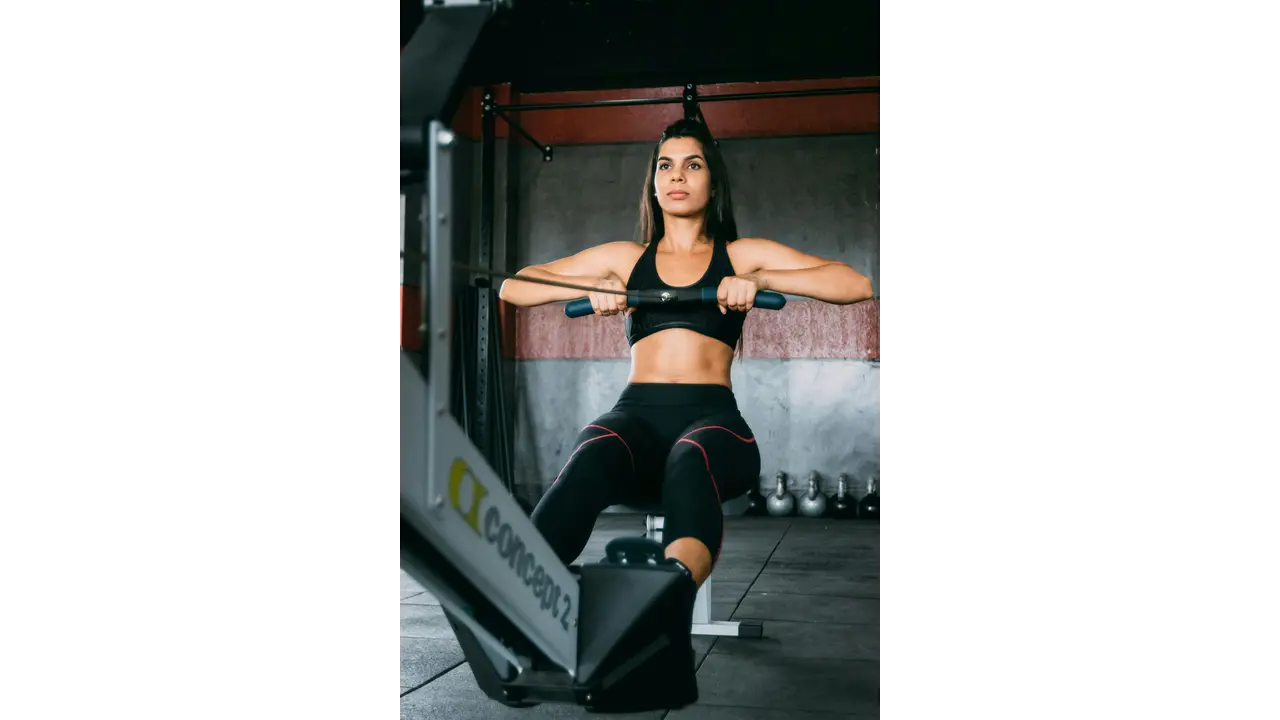
Quiet operation depends not only on machine type but also on rowing technique, machine placement, and maintenance habits. Controlled movement minimizes vibration and reduces sound generated by the sliding seat, rail contact, and frame interaction with flooring. Beginners benefit from consistent sequences that distribute force evenly through legs, core, and arms, preventing abrupt impacts that may cause mechanical noise.
Proper form follows a clear order:
-
Drive through the legs while keeping the upper body steady.
-
Shift the torso slightly backward to engage the midsection.
-
Pull the handle toward the lower ribs using controlled arm motion.
-
Reverse the sequence smoothly on the recovery phase.
This pattern keeps motion consistent and prevents jerky movements that create unwanted sound. Smooth strokes limit rail chatter and help maintain the machine’s intended noise profile.
Noise reduction also depends on placement. Rowing machines positioned on thick rubber mats or vibration-absorbing pads produce far fewer structural vibrations. These mats reduce transfer into tile or marble floors, which are common in Dubai apartments and known for amplifying mechanical sounds. Placing the machine away from corners or shared bedroom walls further minimizes disturbance.
Maintenance plays an important role in keeping long-term noise low. Dust accumulation on rail tracks or seat rollers increases friction and can produce audible scraping. Regularly wiping rails, checking roller alignment, and ensuring moving parts glide freely keeps operation consistent. Water rowers benefit from periodic tank treatment to avoid murky water that may cause uneven paddle movement. Hydraulic systems may require cylinder lubrication or seal checks to maintain smooth action.
Storage habits also influence longevity and noise levels. Folding mechanisms or vertical storage units must be handled with care to avoid misalignment that could change the machine’s acoustic behavior. When combined, precise technique, thoughtful placement, and simple upkeep create an environment where quiet rowing becomes sustainable in shared buildings.
Long-Term Use: Noise Changes, Wear Patterns, and Maintenance Outlook
Rowing machines operate through repeated cyclical motion, creating natural wear patterns that can influence noise over time. Maintaining quiet performance requires attention to components that experience regular friction, air movement, or structural loading. Identifying early signs of sound change prevents minor issues from developing into persistent disturbances in shared residential environments.
Seat rollers tend to show gradual wear after extended use, creating a slight clicking or uneven glide if debris accumulates along the track. Regular inspection and cleaning maintain smooth contact. Rail surfaces also respond to dust and humidity, especially in Dubai’s climate, where airborne particles can settle quickly. Wiping rails and checking for residue preserves consistent motion and prevents scraping noises.
Flywheel systems in magnetic rowers generally remain quiet across years of use because resistance is generated through non-contact magnetic fields. However, loose bolts, aging belts, or misaligned housings can introduce subtle rattling. Periodic checks for frame tightness help maintain acoustic stability. Hydraulic rowers may show changes in resistance if fluid levels shift or seals age, producing minor hissing or inconsistent movement that benefits from timely servicing.
Water rowers rely on clear, treated water for smooth paddle rotation. As water conditions change, slight shifts in sound can occur. Tank maintenance ensures the paddles move cleanly without irregular resistance. Air rowers often experience increased fan noise as dust accumulates on the blades, making routine cleaning essential.
Long-term quiet performance also relates to flooring interaction. Mats that compress over years may lose vibration absorption, leading to renewed sound transfer into the structure. Replacing worn mats maintains effective acoustic isolation.
Warranty considerations add another dimension. Quality machines supported by reliable service networks maintain performance longer and reduce the risk of noise-related issues that stem from wear. This outlook emphasizes the importance of long-term care that adapts to Dubai’s environmental variables, ensuring the rowing machine remains quiet, stable, and reliable throughout extended use.
FAQs
1. What type of rowing machine is quiet enough for Dubai apartments?
Magnetic rowing machines are the quietest choice for Dubai apartments because they use friction-free resistance and sealed flywheel systems. Their motion remains consistent at all intensity levels, making them ideal for shared buildings with tiled or marble floors that amplify vibration.
2. Do magnetic rowing machines reduce noise in shared buildings?
Magnetic rowers significantly reduce noise due to their controlled resistance mechanism. They prevent airflow sound, limit frame vibration, and maintain smooth rail movement. When placed on a vibration-absorbing mat, they operate quietly enough for early-morning or late-evening sessions in most residential towers.
3. Can vibration from a rowing machine travel through tile floors?
Vibration can travel through tile floors, especially in buildings with thinner slabs or hollow-core partitions. Using a thick rubber mat or layered vibration pad minimizes this transfer by absorbing downward force and preventing the machine’s frame from resonating against the hard surface.
4. How much space is required for a rowing machine in small UAE homes?
Most rowers require a length of 180 to 220 centimeters, depending on rail size. Compact hydraulic models need less space, while foldable magnetic machines allow flexible placement. Adequate clearance around the sides ensures comfortable movement without striking furniture or walls.
5. Are water rowers too loud for early-morning sessions in shared towers?
Water rowers produce a steady, natural sound from the moving paddles. While quieter than air rowers, they remain audible in silent early-morning conditions. They suit rooms with better sound isolation or daytime use but may not be ideal for apartments with sensitive neighbours or thin partitions.
Conclusion
Quiet rowing machines offer a practical fitness solution for individuals living in Dubai’s shared residential environments, where building materials, room layouts, and close neighbour proximity make noise management an essential factor. The suitability of each machine depends on the specific resistance system, frame stability, maintenance requirements, and the acoustic behavior of the room in which the equipment is placed. Magnetic rowers provide consistently quiet performance, making them ideal for apartments with tile floors or interconnected living spaces. Hydraulic options serve compact homes where minimal footprint and limited sound emission are priorities. Water rowers deliver an engaging rowing experience with controlled sound characteristics, working well if moderate noise is acceptable. Air rowers remain best suited for situations where noise sensitivity is low, such as villa-based home gyms.
The choices made during setup also influence long-term quiet operation. Thick mats, careful placement, and regular cleaning help sustain a low noise profile throughout continued use. Users who operate the machine during early or late hours often benefit from selecting resistance systems with sealed or friction-free designs to prevent sound from traveling through shared walls or floors. Maintenance routines tailored to Dubai’s climate support consistent performance by reducing dust and humidity-related wear.
Selecting a rower that aligns with the structural and spatial characteristics of an apartment ensures a stable, quiet workout environment suited to repeated daily sessions. Evaluating noise tolerance, available space, training preference, and maintenance willingness leads to a balanced decision that supports both fitness goals and neighbour consideration.
Residents seeking quiet, durable equipment in shared buildings can rely on machines with stable engineering and predictable acoustic behavior. With these principles in place, a rowing machine becomes a reliable part of a home-gym setup in Dubai’s dynamic residential landscape, offering effective full-body training without compromising the needs of nearby occupants.
Related Blogs


Bose SoundLink Bluetooth Speaker
£50.00£60.00
Canon's press material for the EOS 5D states that it 'defines (a) new D-SLR category', while we're not typically too concerned
- Availability :In Stock