
 Locate Our Store
 +971 562162730
 AED
AED SAR
SAR KWD
KWD QAR
QAR BHD
BHD OMR
OMR


Best Treadmills in UAE (2026): Top Picks by Goal, Budget & Home Size
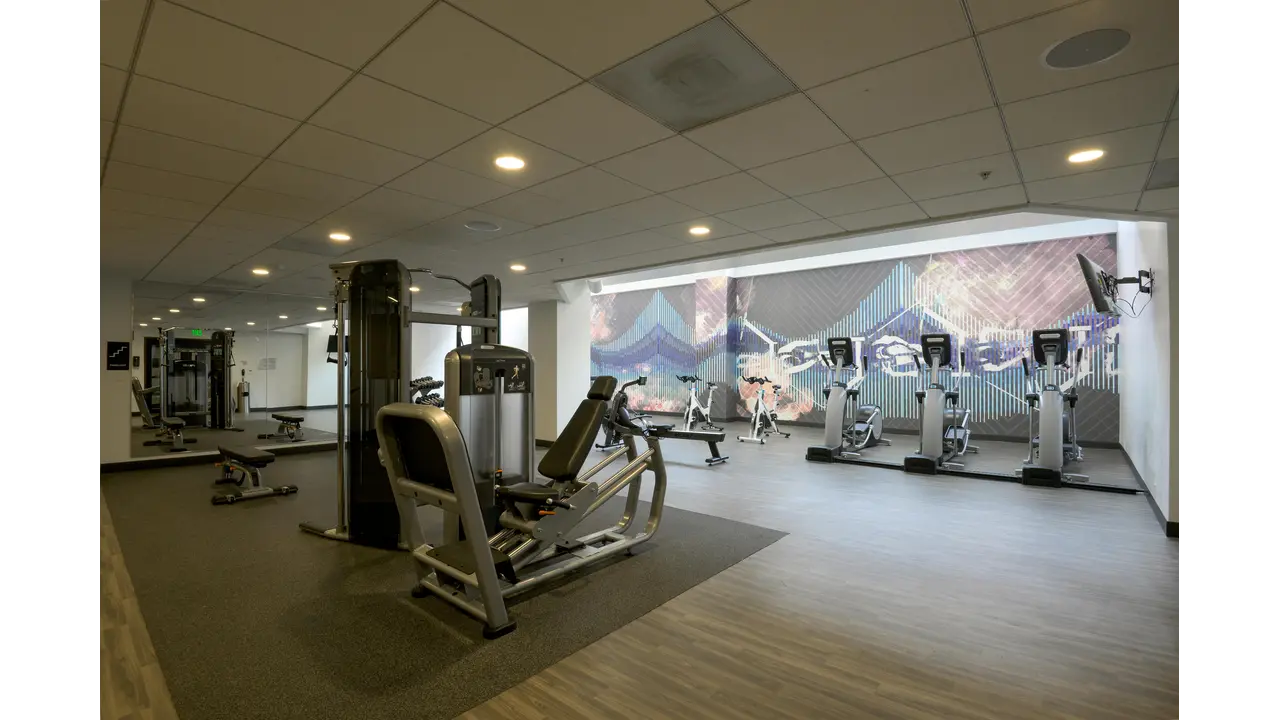
Introduction
Buying a treadmill in the UAE isn’t just about “best features.” It’s about what fits your home, your goal, and your consistency—especially if you’re dealing with apartment living, shared walls, dust, heat, and limited storage space.
This guide is built to help you choose confidently, whether you want a simple walking treadmill, a serious running machine, or a high-incline trainer. I’ll give you quick picks, then walk you through the exact decision framework so you don’t overpay (or underbuy).
Best treadmills in UAE (2026): quick picks by goal and budget
Below are “best-for” treadmills picks (so you can jump straight to what matters). Treat them as shortlists—availability can vary in UAE, but the categories and spec targets don’t change.
Best overall for most homes (balanced running + walking):
-
NordicTrack Commercial 1750 (great blend of stability, belt size, incline, training features)
Best premium running experience (bigger, smoother, more “gym-like”):
-
NordicTrack Commercial 2450 (more console polish, robust feel; ideal for frequent use)
Best for incline walking / fat-loss variety:
-
NordicTrack Incline Trainer series (e.g., X22i-type models) (for people who love steep incline sessions)
Best for apartments / limited space:
-
A quality folding treadmill with a stable frame + good cushioning (NordicTrack/ProForm/Horizon-style equivalents)
Best value if you’ll mostly walk or jog:
-
A solid mid-range motor treadmill with incline + 50–55 cm belt width (brand varies—focus on specs + warranty)
Best for heavier users or high weekly mileage:
-
Look for strong frame, larger rollers, higher continuous motor rating, and sturdy deck (often premium models or “runner-focused” lines)
If you want just one simple rule:
Buy for the hardest session you will actually do (not the fantasy version). If you’ll run 4x/week, don’t buy a “walking-first” machine.

Decide your primary use first (walking, jogging, running, or intervals)
Most treadmill regret happens when people skip this step and buy based on a discount, a screen, or a brand name.
1) Walking + light incline (most common home use)
Choose this if you’ll mainly do:
-
Daily steps
-
Easy cardio
-
Incline walks for fat loss
-
Recovery sessions
What matters most: cushioning comfort, quiet operation, and a stable frame at lower speeds.
2) Jogging + occasional running (mixed household use)
Choose this if you’ll do:
-
Jogging 2–4 times per week
-
Some faster sessions, but not hardcore intervals daily
What matters most: a reliable motor, decent belt length, and good stability.
3) Running-focused (serious training)
Choose this if you’ll do:
-
5K/10K training
-
Long steady runs
-
Frequent sessions (4–6 days/week)
-
Some speed work
What matters most: motor strength under load, belt/deck size, frame rigidity, and a “smooth” feel at speed.
4) Intervals / HIIT (bursts of speed)
Choose this if you’ll do:
-
Sprint intervals
-
Faster pace changes
-
Short, intense sessions
What matters most: quick speed response, strong motor, stable deck, and a console that’s easy to control mid-workout.
Bottom line:
Pick your treadmill category based on your most demanding realistic use. A treadmill that feels “fine” for walking can feel awful (and wear faster) for running.
Measure your home the right way (apartment, villa, room layout, and storage)
In UAE homes—especially apartments—your treadmill needs to fit the space and your lifestyle.
The space checklist that prevents returns
Measure:
-
Floor footprint (length × width of the treadmill)
-
Run clearance behind: leave space in case you need to step off quickly
-
Side clearance: you need enough room to mount/dismount safely
-
Ceiling height: especially if you’re tall and plan to run with incline
-
Doorway + hallway width: delivery is easier when you know tight points
Folding vs non-folding (the real tradeoff)
-
Folding treadmills: great for storage, but cheap ones can feel shaky at higher speed.
-
Non-folding: often more stable, more “gym-like,” but needs a dedicated spot.
If you’re in an apartment, prioritize:
-
Stability at your speed
-
Vibration control
-
Noise reduction
-
A quality treadmill mat (this matters more than people think)
UAE-specific note: dust + placement
If your home gets dusty (many do), put the treadmill where it’s less exposed, and plan a simple maintenance routine (more on that in the FAQ section). Dust buildup can shorten the life of belts and electronics.
Motor, belt, and deck: the 3 specs that decide satisfaction
If you ignore everything else, don’t ignore these.
1) Motor: focus on continuous power (not marketing peaks)
You’ll often see “HP” or “CHP” claims. What you want is consistent performance under your bodyweight and your training style.
General guidance:
-
Walkers: lower continuous motor needs
-
Joggers: mid-range continuous motor
-
Runners / heavier users: higher continuous motor + stronger components
If you’re a runner, a weak motor feels like:
-
sluggish speed stability
-
more belt slip sensations
-
more noise under load
-
faster wear
2) Belt size: runners need length, everyone likes width
For walking, many sizes work. For running, belt length matters a lot.
Practical rule of thumb:
-
Runners typically want a longer deck so stride doesn’t feel cramped
-
A wider belt feels more comfortable and safer, especially for beginners
If you’re tall or have a long stride, don’t gamble on a short deck.
3) Deck + cushioning: your joints will notice
Cushioning systems vary, but the goal is consistent:
-
Reduce harsh impact
-
Keep the running surface stable and predictable
If you’re buying for the whole family, cushioning comfort often determines whether people keep using it.
Incline, speed, cushioning: how to match features to your goal
Features only matter if they match your training reality.
Incline: the most underrated feature for fat loss and fitness
Incline enables:
-
higher heart rate at lower speed (great for joints)
-
effective walking workouts
-
variety that keeps you consistent
If you’re not a runner but want results, incline is a huge win.
Top speed: don’t overpay for numbers you won’t use
Many home treadmills advertise high top speeds. Ask:
-
Will you realistically run near that speed?
-
Will you do intervals that demand it?
If your workouts are mostly incline walks and jogs, invest in stability + cushioning instead.
Cushioning: choose based on how you feel after workouts
If your knees or shins get irritated, cushioning becomes a priority. But too-soft can feel unstable for some runners. The “best” cushioning is the one that keeps you consistent.
Console, training ecosystem, and “smart features” (what’s worth paying for)
Modern treadmills sell experiences as much as hardware: screens, coaching, apps, and interactive workouts.
When a big screen is worth it
A great console can:
-
reduce boredom
-
make you train longer
-
keep you consistent with guided sessions
But don’t let a screen distract you from the fundamentals (motor, deck, frame). A flashy console on a weak frame is a trap.
Subscriptions (like guided training platforms)
If you love structured coaching, subscription-based training can be motivating. Ask:
-
Will I use it weekly?
-
Do I prefer my own music/YouTube?
-
Can I still use the treadmill fully without a subscription?
Buy for your personality, not a trend.
Controls matter more than people think
Check for:
-
easy speed/incline adjustments
-
quick keys
-
readable display mid-run
If you do intervals, this is non-negotiable.
Best treadmills for most home users in UAE (balanced picks)
These are “family friendly” picks—good for walking, jogging, and steady running without needing a dedicated gym room.
1) NordicTrack Commercial 1750 — best all-around choice
Best for: mixed households, consistent use, people who want a premium feel without going full “luxury.”
Why it works: strong overall package—solid running surface, incline, and training ecosystem.
Choose it if: you want one treadmill that covers most needs for years.
2) A mid-range folding treadmill with a stable frame — best “value + space”
Best for: people who need storage but still want a decent running feel.
What to look for:
-
stable handrails/frame (minimal wobble)
-
enough belt length for your stride
-
incline for variety
Choose it if: you’ll walk/jog most days and occasionally run.
3) A comfort-first treadmill for walking + incline — best for daily steps
Best for: beginners, parents, people prioritizing consistency and low impact.
What to prioritize: cushioning, quiet operation, incline levels, and simple controls.
Choose it if: you want a “no-excuses” daily habit treadmill.
Tip: If your goal is fat loss and general fitness, you don’t need the most aggressive running specs. You need the treadmill you’ll use 4–6 days a week.
Best treadmills for running (5K to marathon training)
Running puts the most stress on the machine. If you’re serious, buy like a runner.
1) NordicTrack Commercial 2450 — best premium runner option
Best for: frequent runners, higher mileage, people who want a more “gym-grade” feel.
Why it stands out: tends to feel more robust under load, and offers a more premium console experience.
Choose it if: running is your main use and you’ll train year-round.
2) NordicTrack Commercial 1750 — best runner value
Best for: runners who want performance without going full top-tier.
Why it works: balanced specs + stable running platform for most training styles.
Choose it if: you want the best “all-around runner” value.
3) A runner-focused non-folding frame (brand varies) — best for stability lovers
Best for: people who hate wobble and want a planted, confident feel.
What to prioritize:
-
frame rigidity
-
deck length
-
consistent motor under load
Choose it if: you have space and want the most stable running experience.
Runner reality check:
If you’re a runner, don’t compromise too far for folding convenience. A shaky treadmill becomes a “clothes rack” fast.

Best treadmills for apartments and small spaces (Dubai/UAE reality)
Apartment treadmills need to be quiet, stable, and vibration-aware.
1) A quality folding treadmill + mat — best overall apartment setup
Best for: most apartment users (walking + light jogging).
What to look for:
-
controlled folding mechanism (easy, safe)
-
stable at your intended speed
-
incline for workout variety
-
compatibility with a thick treadmill mat
Choose it if: space is limited but you still want real workouts.
2) “Quiet comfort” treadmill for walking — best for shared-wall living
Best for: people doing daily steps and incline walks.
What matters: quieter motor operation at lower speeds + cushioning comfort.
Choose it if: you want minimal neighbor disturbance.
3) Compact treadmill for occasional use — best for “I just need to move”
Best for: low-frequency, low-intensity use.
Warning: compact doesn’t always mean stable. If you plan to jog/run, you’ll likely outgrow it.
Apartment bonus tips
-
Put it on a rubber treadmill mat
-
Avoid placing it directly against a shared bedroom wall if possible
-
Keep the area ventilated—sweat + dust can build up fast
FAQs
1) What treadmill is best for most homes in the UAE?
A solid mid-to-premium treadmill with a stable frame, good cushioning, and incline is best for most households. If multiple family members will use it, prioritize comfort, stability, and warranty over fancy extras.
2) Is a folding treadmill good enough for running?
Some are, many aren’t. Folding is great for space, but for frequent running you need a sturdy frame, a longer belt, and stable performance at higher speeds. If it wobbles, runners usually stop using it.
3) What motor power should I look for?
Walkers can go lower, joggers need mid-range, and runners should choose stronger continuous power (not just “peak HP”). If you’re heavier or run often, go higher to avoid strain and faster wear.
4) What belt size do I need?
For walking, most standard belts work. For running, a longer belt makes a big difference—especially if you’re tall or have a long stride. Wider belts also feel safer and more comfortable.
5) Is incline important if I don’t run?
Yes. Incline walking is one of the best ways to improve fitness and burn calories with less joint impact than running. It also keeps workouts interesting, which improves consistency.
6) How do I reduce noise and vibration in an apartment?
Use a thick treadmill mat, place the treadmill on a stable surface, and avoid positioning it directly against shared walls if possible. Regular cleaning also helps reduce noisy belt friction.
7) How often should I maintain my treadmill in UAE conditions?
Wipe it after workouts, keep dust under control, and follow the brand’s lubrication schedule. In dusty areas, cleaning around and under the treadmill more often helps it last longer and run smoother.
Conclusion
Choosing the best treadmill in the UAE comes down to three things: your goal (walking vs running), your home setup (space + noise), and the core specs (motor, belt size, stability). Start by deciding how you’ll truly use it, measure your space properly, then pick a model that matches your routine—especially if you plan to run regularly. If you buy for comfort, stability, and long-term support (not just a big screen or a discount), you’ll end up with a treadmill you actually use—and that’s what delivers results.
Related Blogs



Bose SoundLink Bluetooth Speaker
£50.00£60.00
Canon's press material for the EOS 5D states that it 'defines (a) new D-SLR category', while we're not typically too concerned
- Availability :In Stock