
 Locate Our Store
 +971 562162730
 AED
AED SAR
SAR KWD
KWD QAR
QAR BHD
BHD OMR
OMR


Best NordicTrack Treadmills (2026): Which Model Is Right for You?
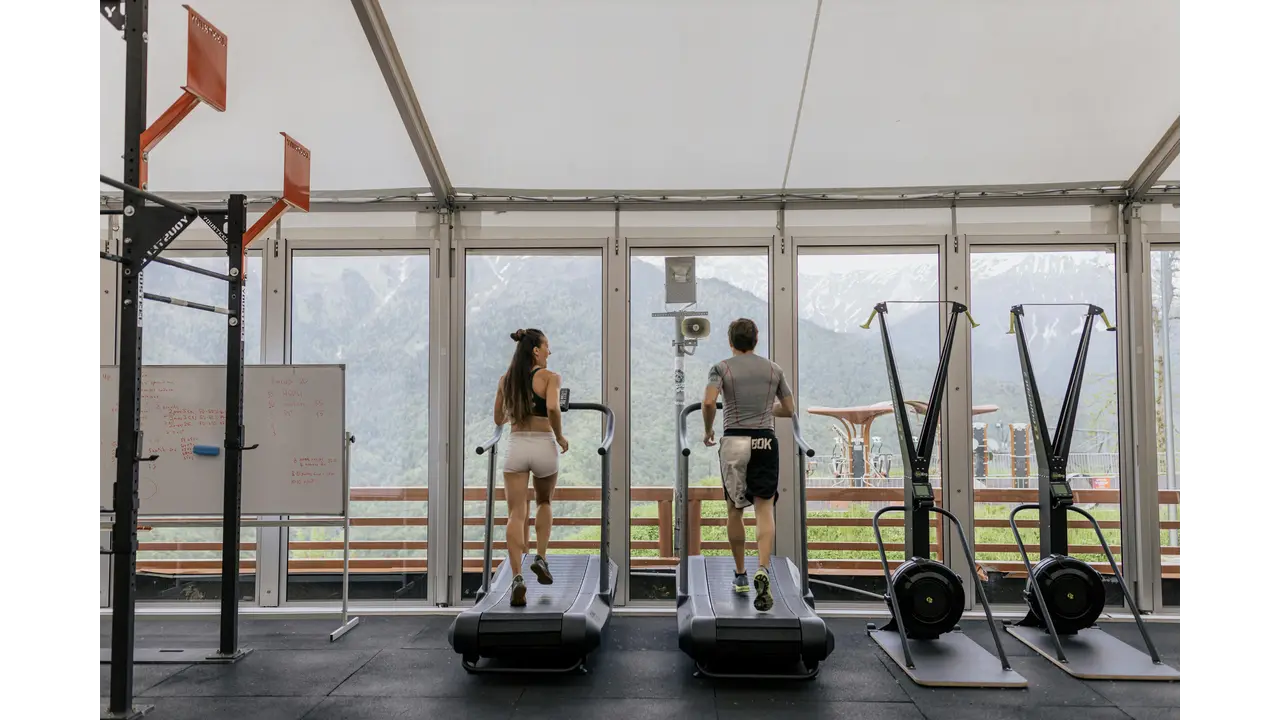
Introduction
NordicTrack is popular for one simple reason: it covers almost every home-fitness use case—from daily walking to serious running to high-incline training—without forcing you into “commercial gym pricing.” Visit sea wonders for different treadmills option
But that also creates the main problem: too many choices that look similar. If you pick the wrong one, you either (a) overpay for features you won’t use, or (b) buy a treadmill that feels underpowered for your routine and stops being fun.
This guide helps you choose the right NordicTrack treadmill based on:
-
Your goal (walking vs running vs incline training)
-
Your home (apartment vs dedicated room)
-
Your consistency (2–3 days/week vs 5–6 days/week)
-
Your body + stride (height, weight, comfort needs)
I’ll keep the model talk practical. NordicTrack releases updated generations and availability varies, so focus on the right series + right spec targets, then select the exact current model in that slot.
1) Quick picks: best NordicTrack treadmills by goal (fast shortlist)
If you just want the “point me to the right bucket” answer:
Best NordicTrack for most home users (balanced):
-
Commercial 1750-class model (the “sweet spot” for walking, jogging, and steady running)
Best premium NordicTrack for runners (more robust feel):
-
Commercial 2450-class model (better for frequent runners and heavier weekly mileage)
Best NordicTrack for incline walking + fat-loss variety:
-
Incline Trainer (X22i/X32i-class) models (for people who love steep incline sessions)
Best NordicTrack for small spaces / apartments:
-
A folding, mid-range NordicTrack with stable frame + adequate belt size for your stride (more on how to choose below)
Best value NordicTrack if you’ll mostly walk:
-
T Series-type models (great for steps + incline walking, but choose carefully if you plan to run often)
Best NordicTrack for households with multiple users:
-
Commercial-class or sturdier mid-range models, because stability + durability matter more than fancy extras.

2) Understand NordicTrack’s lineup (so you don’t buy the wrong “tier”)
Think of NordicTrack treadmills in three practical tiers:
A) T Series (value / everyday fitness)
Best for:
-
walking routines
-
light jogging
-
beginners building consistency
-
budget-conscious buyers who still want incline and comfort
What to watch:
-
If you plan frequent running, you’ll want stronger stability and a longer deck feel than entry-level units.
B) Commercial Series (performance all-rounders)
Best for:
-
mixed households (walking + jogging + running)
-
people training for 5K/10K
-
frequent use (4–6 days/week)
-
buyers who want “gym-like stability” at home
This is usually the safest category if you’re unsure—because it fits the most use cases long-term.
C) Incline Trainers (specialized incline + experience)
Best for:
-
incline walking lovers
-
people who want intense cardio with less running impact
-
anyone who gets bored easily and wants variety
The tradeoff:
-
They’re bigger, heavier, and more premium-priced—but they deliver a unique training feel.
Simple decision rule:
If your goal includes running often, lean Commercial.
If your goal is walking + incline, T Series or Incline Trainer (depending on intensity and budget).

3) Choose based on your primary goal (walking, jogging, running, or incline training)
This is the step that prevents regret.
If your goal is walking + fat loss
Your best match is usually:
-
T Series or Commercial 1750-class, depending on your budget and how often you’ll use it.
Priorities:
-
incline range you’ll actually use
-
comfort and cushioning
-
ease of controls (you’ll adjust incline a lot)
-
quiet, smooth feel at walking speeds
If your goal is jogging + mixed family use
Your best match is usually:
-
Commercial 1750-class (or a sturdier mid-range folding model)
Priorities:
-
stable frame (minimal wobble)
-
adequate belt size for the tallest user
-
simple, fast incline/speed adjustments
-
durability for multiple users
If your goal is running-focused (5K/10K, long steady runs)
Your best match is usually:
-
Commercial 1750-class (value runner pick) or Commercial 2450-class (premium runner pick)
Priorities:
-
deck length + stable feel at speed
-
consistent motor performance under load
-
solid frame rigidity
-
controls that are easy mid-run (especially for intervals)
If your goal is incline training (hard cardio without pounding)
Your best match is:
-
Incline Trainer series
Priorities:
-
incline range
-
deck comfort for longer incline walks
-
stability (these workouts can be intense)
-
motivation features (guided workouts help here)
4) Commercial 1750 vs 2450: which one should you buy?
These are two of the most searched NordicTrack comparisons for a reason—they’re both excellent, but for different “types” of home users.
Choose a Commercial 1750-class model if…
-
you want the best all-around value
-
you’ll run, but not necessarily high mileage year-round
-
you want stability + features without paying for the top tier
Why it works:
-
It’s the classic “one treadmill that does everything” option.
Choose a Commercial 2450-class model if…
-
you run frequently (or plan to)
-
you want a more premium feel and experience
-
you want more “room to grow” into harder training
Why it works:
-
It typically feels more robust under regular running and can be more satisfying for serious runners.
Decision shortcut:
If you’re training consistently and running is your main use → lean 2450-class.
If you want the best balance of price + performance for most households → 1750-class.
5) T Series: who it’s best for (and when to upgrade)
The T Series is often the best entry point into NordicTrack—especially if you’re building a habit.
Buy a T Series-type treadmill if:
-
your routine is mainly walking and incline walks
-
you’ll jog occasionally
-
you want a solid home treadmill without “performance pricing”
-
you’re short on space and need folding convenience
Upgrade to Commercial if:
-
you’re running 3–5x/week
-
multiple users share the treadmill
-
you want a more stable deck feel at speed
-
you’ve had joint discomfort on firmer or smaller running surfaces
The truth:
Many people buy entry-level, then realize they love treadmill training—and upgrade later. If you already know you’ll run often, skip the “two-step purchase” and buy the stronger tier once.
6) Incline Trainers: who should choose them (and who shouldn’t)
Incline Trainers are a different category—more like “home cardio machines designed to keep you engaged.”
Incline Trainers are perfect if:
-
you love incline walking (or want to)
-
you want intense cardio without high-speed running
-
you get bored easily and need variety
-
you want to build fitness with less impact than frequent running
They may NOT be ideal if:
-
you have very limited space (they’re usually bigger)
-
you want a simple treadmill for casual use
-
your priority is budget over experience
Best use-case match:
If your main routine is incline walking for 30–60 minutes, an Incline Trainer can be the best “results per session” option because it pushes intensity without forcing you to sprint.
7) The 6 specs that matter most when choosing a NordicTrack
Ignore the marketing noise. These are the specs that decide whether you’ll love it after the first month.
1) Belt length (especially for runners)
If you run, you want enough room to stride naturally. Tall users should be extra cautious with shorter decks.
2) Belt width (comfort + confidence)
Wider belts feel safer and more comfortable, especially for beginners and faster sessions.
3) Motor consistency (smooth under load)
A treadmill can “hit” a speed but still feel strained. Smooth consistency matters most for:
-
heavier users
-
runners
-
longer sessions
4) Cushioning and deck feel
Choose what keeps you consistent:
-
too firm can irritate joints for some
-
too soft can feel unstable for others
5) Frame stability (wobble kills motivation)
If it shakes when you run, you’ll avoid it. Stability also reduces noise and wear.
6) Controls + quick keys
If you can’t adjust speed/incline easily, you won’t train well. This matters most for:
-
intervals
-
incline workouts
-
shared households (ease-of-use)
8) iFIT / training features: worth it or not?
NordicTrack often pairs strongly with guided training experiences. Whether that’s worth paying for depends on you.
It’s worth it if:
-
you love coaching and structure
-
you want guided progression (beginner → fitter)
-
you get bored without direction
-
you want workouts that “tell you what to do”
It’s not worth it if:
-
you prefer your own music/YouTube
-
you like simple routines and don’t use programs
-
you don’t want subscriptions
Smart buyer move:
Choose the treadmill for hardware first (motor/deck/stability). Let “smart features” be the bonus—not the reason you buy.
9) UAE home setup tips (apartments, heat, dust, and noise)
NordicTrack treadmills work great in UAE homes—just set them up correctly.
Apartment noise + vibration
Do this:
-
use a thick treadmill mat
-
place it on a stable surface (no rocking)
-
avoid pressing it directly against a shared bedroom wall if possible
If you’re a light jogger in an apartment, stability matters even more than top speed.
Heat + airflow
In much of the year, indoor training gets sweaty fast. Add:
-
a fan
-
ventilation
-
enough clearance around the treadmill so it doesn’t feel cramped
Dust routine (simple but important)
Dust can build up near vents and under the belt area. Make it easy:
-
wipe down after workouts
-
keep the surrounding floor clean
-
follow the manufacturer’s lubrication/maintenance guidance
This is less about “fear” and more about keeping your treadmill smooth and long-lasting.
10) The final NordicTrack buyer checklist (pick the right model in 5 minutes)
Copy this checklist and tick it off before buying:
-
✅ Primary goal: walking / jogging / running / incline training
-
✅ Frequency: days/week + session length
-
✅ Users: tallest + heaviest user, plus experience level
-
✅ Space: room footprint + clearance + ceiling height
-
✅ Apartment needs: mat + noise/vibration plan
-
✅ Must-have features: folding, incline range, quick controls
-
✅ Core specs: belt size, stability, smooth performance
-
✅ Support plan: warranty coverage + service availability
Then choose your tier:
-
Walking + budget → T Series
-
Mixed household + long-term safe bet → Commercial 1750-class
-
Frequent runner / premium feel → Commercial 2450-class
-
Incline lover / low-impact intensity → Incline Trainer
FAQs
1) Which NordicTrack treadmill is best for most people?
A Commercial 1750-class model is usually the best all-around choice because it handles walking, jogging, and steady running very well.
2) Is the Commercial 2450 worth it over the 1750?
Yes if you run often, want a more premium feel, or plan higher weekly mileage. If you want the best balance of price + performance, the 1750 is usually enough.
3) Is a T Series treadmill good for beginners?
Yes—especially for walking, incline walking, and light jogging. If you plan frequent running, consider upgrading to a Commercial series model for better stability.
4) Are Incline Trainers good for weight loss?
They can be excellent because incline walking can raise intensity without requiring high-speed running, which many people find easier to stick with.
5) What matters more: motor power or belt size?
For runners, both matter. Belt size affects comfort and safety; motor consistency affects how smooth the treadmill feels under load and how well it holds up over time.
6) Do I need iFIT or a subscription to use a NordicTrack treadmill?
You can still use the treadmill, but guided training is only worth paying for if you’ll actually use it weekly. Buy for the hardware first.
7) What’s the best NordicTrack choice for apartments in UAE?
A stable folding model plus a treadmill mat. Prioritize quiet operation and minimal wobble at your intended speed.
Conclusion
The best NordicTrack treadmill is the one that matches your real routine. If you want the safest long-term choice for most homes, a Commercial 1750-class model is the “sweet spot.” If you’re a frequent runner or want a more premium feel, go Commercial 2450-class. If your goal is intense cardio without pounding, an Incline Trainer can be the best fit. And if you’re mostly walking and building consistency, the T Series is often the smartest value—provided you choose a belt size and stability level that fits your body and space.
Related Blogs



Bose SoundLink Bluetooth Speaker
£50.00£60.00
Canon's press material for the EOS 5D states that it 'defines (a) new D-SLR category', while we're not typically too concerned
- Availability :In Stock