
 Locate Our Store
 +971 562162730
 AED
AED SAR
SAR KWD
KWD QAR
QAR BHD
BHD OMR
OMR


Best Folding Treadmills for Apartments (Dubai/UAE): Space-Saving Picks That Don’t Shake the Floor
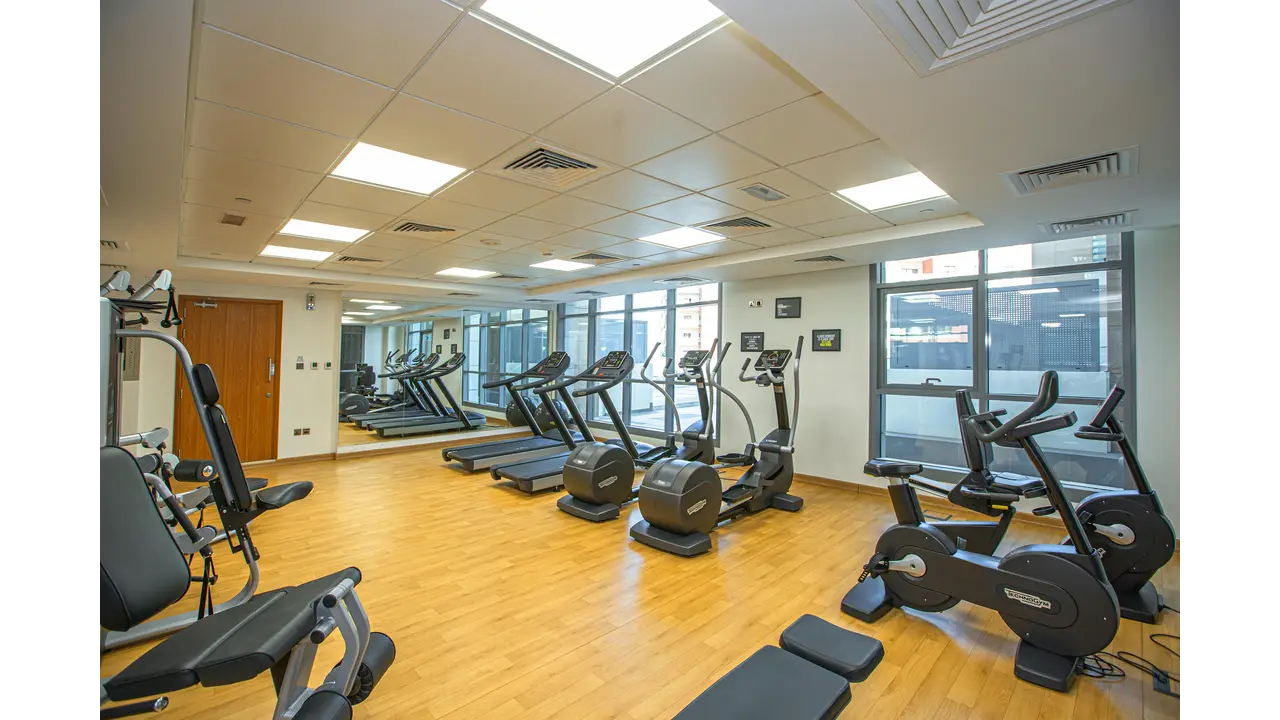
Introduction
Apartment treadmills are a different game. You’re not just buying for fitness—you’re buying for space, noise, vibration, storage, and sanity (yours and your neighbors’). The “best” folding treadmill in Dubai/UAE isn’t necessarily the fastest or fanciest. It’s the one that feels stable at your real workout pace, folds safely, fits your layout, and doesn’t turn every run into a building-wide announcement.
This guide will help you choose a folding treadmill that works in apartment life—without overpaying or underbuying. I’ll show you what matters, what to ignore, and how to pick the right type based on your goal (walking, jogging, running, fat-loss incline, or general fitness).
1) Quick picks: the best folding treadmill types for apartments (by goal)
Instead of naming 20 models (availability changes constantly), here are the best “types” of folding treadmills that consistently win in apartments. When you shop, match your needs to the right category:
Best overall for most apartments (walking + jogging + occasional running):
-
A sturdy mid-to-premium folding treadmill with a stable frame, incline, and a comfortable belt size.
Best for apartments where noise is a major concern (mainly walking):
-
A comfort-focused folding treadmill that runs quiet at low to moderate speeds, paired with a thick mat.
Best for runners in an apartment (frequent running):
-
A runner-capable folding treadmill (heavier, stronger frame, longer belt). This is where many buyers must spend a bit more for stability.
Best for very small spaces (occasional use):
-
A compact foldable treadmill for walking/light jogging—only if you’re honest about usage and body size.
Best for fat loss without running (apartment-friendly intensity):
-
A folding treadmill with good incline range and easy incline controls (incline walking is extremely effective and usually quieter than fast running).
If you want one sentence that prevents 80% of apartment treadmill regret:
Buy for stability first, storage second, and features third.

2) Apartment reality in Dubai/UAE: what makes folding treadmills tricky
Most people choose folding treadmills for one reason: space. But in apartments, the real constraints are:
Noise
Even a good treadmill makes sound—especially at higher speed. Your goal is to reduce:
-
motor noise
-
vibration transfer through the floor
Vibration
Vibration travels through floors and can annoy neighbors below. The main causes are:
-
unstable frames
-
poor leveling
-
thin flooring surfaces
-
no mat
-
worn belt alignment or dry deck
Space and storage behavior
Folding only helps if you actually fold it consistently. Ask yourself:
-
Will I fold it after every session?
-
Do I have a place where it can live folded without blocking walking paths?
-
Will it be annoying to unfold daily?
Indoor treadmill workouts in UAE can feel intense. If the area is hot or cramped, you’ll avoid using it.
Bottom line: in an apartment, the best treadmill is the one that fits your life and doesn’t create friction (noise, movement, inconvenience).
3) Measure your apartment properly (so it fits AND is usable)
A treadmill can “fit” in a room but still be a bad setup if you don’t have safe clearance.
Measure these before you buy
-
Unfolded footprint (length × width)
-
Clearance behind (safety step-off space)
-
Side clearance (enough room to mount/dismount)
-
Ceiling height (especially if you’ll use incline and you’re tall)
-
Folded footprint (where it will stand when stored)
Don’t forget delivery reality (very common UAE issue)
Measure:
-
elevator door + interior elevator size
-
hallway width
-
apartment entrance doorway width
-
room door widths if it must pass through
A treadmill can be perfect on paper and still be a nightmare to get inside.
Folding isn’t always “small”
Some treadmills fold upright but still take noticeable floor space. The win is vertical storage, not magically disappearing.
Apartment tip:
Plan the folded parking spot first—then pick the treadmill.
4) Stability is everything: how to spot a folding treadmill that won’t feel shaky
If your treadmill wobbles, you’ll use it less. If it wobbles and you run on it, you’ll probably stop using it.
What creates stability (even in folding designs)
-
heavier frame construction (generally more rigid)
-
strong hinge/lock system (less play when unfolded)
-
wider base and better floor contact
-
higher-quality deck supports and joints
Stability matters more if…
-
you’re taller
-
you’re heavier
-
you jog/run instead of walk
-
you do intervals
-
multiple people use it
Weight capacity: don’t buy “just enough”
Weight capacity is often a rough durability signal. Buying with margin can mean:
-
less frame flex
-
less motor strain
-
better long-term feel
Simple rule:
If you’re going to jog or run, choose a treadmill that feels like it’s built for that purpose—not a “compact walking machine that can technically run.”
5) Noise & vibration: how to reduce “shake the floor” problems
Apartment treadmill success is mostly about vibration control.
The biggest causes of noise/vibration
-
Foot-strike impact (especially running)
-
Treadmill wobble (frame flex and instability)
-
Belt friction (misalignment, dryness, poor maintenance)
-
Hard floor contact (no mat, uneven surface)
What actually works (in order of impact)
1) Use a thick treadmill mat
This is non-negotiable for apartments. A proper mat:
-
reduces vibration transfer
-
protects flooring
-
reduces noise from belt and deck resonance
2) Level the treadmill correctly
If one side is slightly off, it can increase:
-
vibration
-
belt drift
-
noise over time
3) Choose incline walking over fast running (if your goal allows)
Incline walking can be high intensity without high impact noise.
4) Keep the belt aligned and maintained
A misaligned belt can create rubbing, squeaks, and extra vibration.
5) Placement matters
If possible:
-
avoid placing it directly against a shared bedroom wall
-
avoid flimsy flooring zones
-
keep it on a stable, flat area
Reality check:
Running will always be louder than walking. If you’re in a sensitive building, plan around that (time of day + mat + stability).
6) The core specs that matter most for apartment folding treadmills
Forget the marketing. These specs decide if the treadmill feels “right” in a small home.
Belt size (comfort + safety)
-
Walkers can use many sizes.
-
Joggers and runners benefit from more length and more width, especially if tall.
If you feel cramped, you’ll subconsciously shorten stride—and treadmill running becomes annoying.
Motor performance (smooth under load)
You want smooth performance at your regular pace:
-
walking-focused users need quiet smoothness at lower speeds
-
runners need consistency at higher speeds without strain
Incline (high ROI in apartments)
Incline is apartment-friendly because it lets you train hard without sprinting. Look for:
-
incline levels you’ll actually use
-
easy incline controls (quick keys help)
Speed changes and controls
If you plan intervals, you need:
-
easy speed adjustment
-
stable deck feel at faster pace
-
controls that are usable mid-workout
Folding mechanism quality
A good fold system should be:
-
easy to lift/lower
-
safe (no sudden drops)
-
secure when upright
-
stable when unfolded (no hinge “play”)

7) Folding mechanisms and safety: what to check before you buy
Folding is convenient—until it isn’t.
What you want in a folding treadmill
-
Assisted lift so you’re not deadlifting the deck
-
Soft-drop lowering (controlled descent)
-
Secure lock when upright
-
Easy release to unfold without awkward bending
Who should be extra cautious
-
anyone with back issues
-
smaller users dealing with heavy decks
-
households where multiple people will move it
Transport wheels: helpful, but don’t overestimate them
Wheels help reposition a treadmill, but:
-
thick carpets can make rolling difficult
-
tight corners are tricky
-
the treadmill may still be heavy
Practical advice:
If you must move it often, prioritize a design that’s truly easy to fold and roll—otherwise it becomes another reason to skip workouts.
8) Best folding treadmill categories for apartments (what to buy based on your routine)
Here’s the most useful section—match your routine to the right type.
Category A: The “Apartment Staple” (walking + jogging + occasional run)
Best for: most people in Dubai/UAE apartments
What to prioritize:
-
sturdy frame (minimal wobble)
-
comfortable belt width
-
incline
-
quiet operation at low–mid speeds
This is the category where many NordicTrack-style folding designs fit well (many models in the “home performance” range fold upright—just ensure the specific model is stable enough for your pace).
Category B: The “Quiet Walker + Incline” (best for shared-wall living)
Best for: daily steps, fat loss, low-impact cardio
What to prioritize:
-
cushioning comfort
-
incline range
-
quiet motor operation at walking speeds
-
simple controls
This setup often delivers the highest consistency because it’s easy to do daily.
Category C: The “Apartment Runner” (for frequent running)
Best for: runners doing 3–6 runs/week
What to prioritize:
-
longer belt (especially if tall)
-
higher stability (often heavier build)
-
smooth performance under load
-
easy controls for tempo/intervals
This category typically costs more because it needs stronger structure. If you try to “cheap out,” you’ll usually feel it immediately.
Category D: The “Compact Occasional Use” (smallest footprint)
Best for: small rooms, occasional walking sessions
What to prioritize:
-
simple fold and storage
-
adequate stability for walking
-
realistic expectations (not designed for heavy running)
This can work if your goal is purely “move more,” but it’s not the right choice for consistent runners.
Category E: The “Fat-Loss Without Running” (incline-focused)
Best for: people who want intensity without pounding
What to prioritize:
-
incline levels you’ll use
-
comfort for longer sessions
-
stability at walking incline
This is one of the most apartment-friendly ways to get results without noise and impact from running.
9) Apartment setup guide (Dubai/UAE): make any treadmill quieter and more stable
Even a great treadmill can feel bad if the setup is wrong.
Step 1: Use the right mat
Choose a mat that’s:
-
thick enough to reduce vibration
-
wide/long enough for full treadmill contact
-
non-slip
Step 2: Level the treadmill
If it rocks even slightly, adjust the leveling feet. Small unevenness can create:
-
more noise
-
belt drift
-
faster wear
Step 3: Position intelligently
If possible:
-
avoid placing it directly against a shared wall
-
keep ventilation around it
-
leave enough clearance so you don’t feel boxed in
Step 4: Add airflow
A standing fan changes everything—especially in warmer months. It makes running and incline walking feel dramatically easier.
Step 5: Keep it clean (dust-aware routine)
In UAE conditions:
-
wipe down rails and console after workouts
-
keep floor around it clean
-
follow the brand’s lubrication guidance
A clean belt/deck area runs quieter and lasts longer.
10) Final buying checklist + common mistakes (so you don’t waste money)
The best apartment treadmill checklist
Before you buy, confirm:
-
✅ Your goal: walking / incline walking / jogging / running
-
✅ Days/week: how often you’ll realistically use it
-
✅ Tallest user height + stride needs
-
✅ Heaviest user (choose with margin)
-
✅ Space: unfolded footprint + clearance + folded parking spot
-
✅ Delivery path: door/elevator/hallway measurements
-
✅ Apartment noise plan: mat + placement + timing
-
✅ Stability: minimal wobble at your intended speed
-
✅ Controls: easy speed/incline adjustments
-
✅ Warranty + after-sales support (important for long-term peace)
Common apartment treadmill mistakes
Mistake 1: Buying the smallest treadmill “to save space”
If it’s unstable or cramped, you won’t use it.
Mistake 2: Running on a walking-first model
It feels shaky, louder, and wears faster.
Mistake 3: Skipping the mat
This is the #1 easiest fix for noise/vibration.
Mistake 4: Ignoring belt size
If you feel cramped, you’ll stop running.
Mistake 5: Choosing the treadmill for a screen instead of stability
Motivation features are nice, but stability is what keeps you consistent.
FAQs
1) Are folding treadmills stable enough for apartments?
Yes—if you choose a sturdy model. The best folding treadmills feel stable when unfolded and don’t wobble at your intended pace.
2) Will a treadmill shake the floor in an apartment?
It can, especially during running. A thick mat, proper leveling, and a stable treadmill greatly reduce vibration.
3) What’s the best treadmill type for apartment weight loss?
Incline-capable folding treadmills are excellent because incline walking can be intense without the noise and impact of running.
4) Can I run on a folding treadmill in Dubai/UAE apartments?
You can, but choose a runner-capable model with strong stability and a longer belt—especially if you’re tall or run frequently.
5) What belt size do I need for an apartment treadmill?
Walkers can use many standard sizes, but joggers/runners benefit from longer belts and comfortable width for safety and stride comfort.
6) How do I reduce treadmill noise for neighbors?
Use a thick treadmill mat, level the treadmill, maintain belt alignment, and avoid placing it directly against shared walls if possible.
7) Is a compact treadmill worth it for small rooms?
It can be, if your use is mainly walking and occasional light jogging. For frequent running, compact models often feel unstable or cramped.
Conclusion
The best folding treadmill for apartments in Dubai/UAE is the one that balances stability, noise control, and real-world usability. Start by choosing the right category for your goal (walking, incline walking, jogging, or running), then prioritize what matters most in apartment life: a sturdy frame, a comfortable belt size, reliable incline controls, and a thick mat to reduce vibration. Folding convenience only helps if the treadmill is easy and safe to fold—and if you actually have a practical place to store it.
Related Blogs



Bose SoundLink Bluetooth Speaker
£50.00£60.00
Canon's press material for the EOS 5D states that it 'defines (a) new D-SLR category', while we're not typically too concerned
- Availability :In Stock