
 Locate Our Store
 +971 562162730
 AED
AED SAR
SAR KWD
KWD QAR
QAR BHD
BHD OMR
OMR


What to expect when buying rowing machine online in UAE – delivery & installation
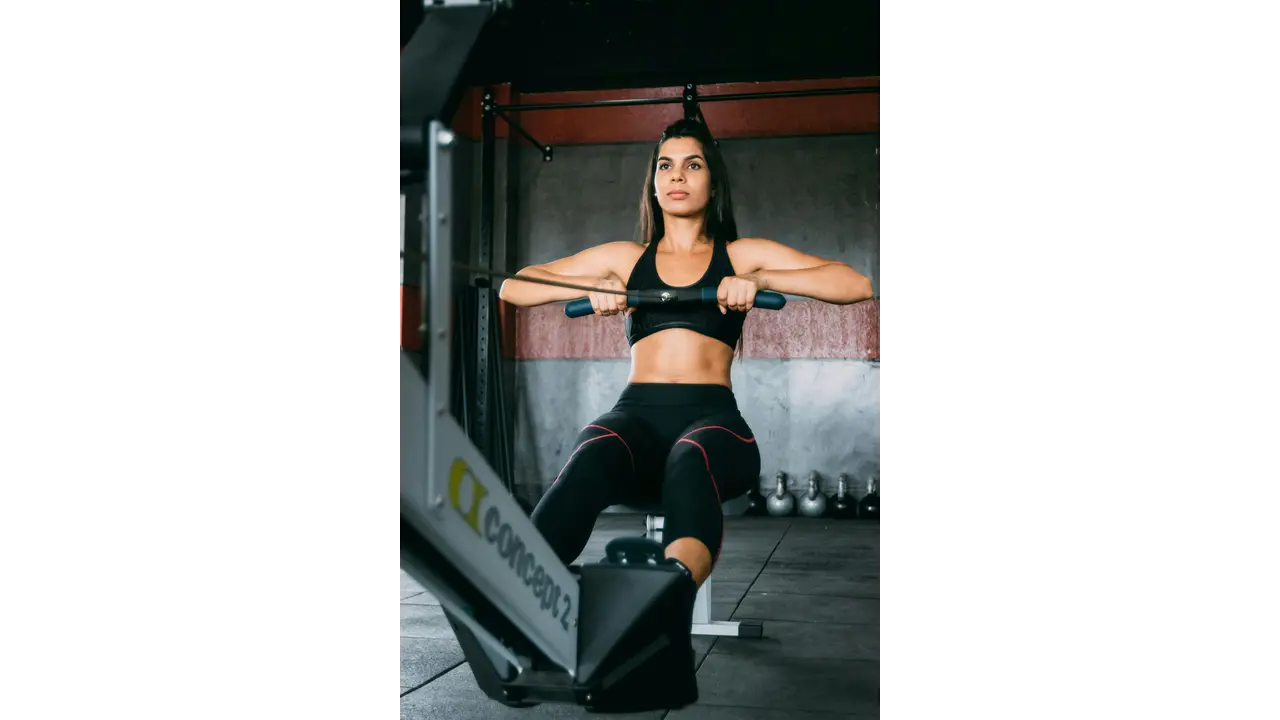
Introduction
Home fitness in the UAE has expanded rapidly, with rowing machines becoming a preferred choice for individuals seeking full-body conditioning without leaving their homes. The search for the right model often begins online, where shoppers navigate product specifications, delivery timelines, installation details, and brand reliability. The experience extends far beyond selecting a machine from a catalogue. It involves understanding how resistance systems behave, how machine weight affects transport, what installation teams typically handle, and how living spaces in apartments or villas influence the final setup.
Many UAE buyers explore rowing machines for their versatile training benefits, quiet operation in shared spaces, and compatibility with compact rooms. Yet the process of relying on online purchase channels introduces uncertainties, especially around logistics and post-delivery tasks. These concerns grow when machines differ widely in footprint, assembly needs, and the type of resistance mechanism used. Delivery teams must navigate building access, elevator dimensions, and placement preferences, while installation can involve alignment checks, console setup, and frame stability testing.
A clear understanding of these moving parts helps consumers make accurate decisions. Evaluating machine categories, space constraints, after-sales support, and installation expectations allows for smoother ownership. This guide focuses on the precise elements that define the online purchasing journey for rowing machines in the UAE, clarifying what buyers can expect from the moment they select a product to the point it is ready for training.
Key Takeaways / TLDR
• Magnetic, air, water, and foldable machines behave differently during delivery, assembly, and daily use.
• Space planning, building access, and warranty considerations directly influence machine suitability in UAE homes.
• Delivery timelines depend on stock status, machine dimensions, and regional logistics.
• Installation processes vary between free professional assembly and self-setup models.
Understanding the Types of Rowing Machines Available for Online Purchase
Rowing machines listed on UAE e-commerce platforms fall into several core categories, each defined by its resistance mechanism, footprint, noise profile, and installation demands. These differences influence delivery handling, assembly requirements, and suitability for various living spaces.
Magnetic rowers rely on magnetic resistance for steady, controlled motion. Their compact size and low noise output often appeal to apartment residents. Because magnetic systems are enclosed, they typically arrive in partially assembled form, reducing installation effort. Their predictable resistance curve suits general fitness routines where consistent tension is preferred.
Air rowers create resistance through a flywheel. The airflow produces a distinctive sound that many associate with athletic training. These units tend to be longer, heavier, and shipped in larger cartons. Delivery teams must navigate wider turns and ensure adequate room clearance. Their open-fan design requires careful handling during unpacking to avoid bending the cage.
Water rowers use a water tank to generate resistance. They offer a smooth stroke cycle and are often selected for immersive training experiences. Water rowers contain a sealed tank that affects weight during transport. Couriers typically avoid tilting the box and may require additional manpower for upper-floor deliveries. Installation includes filling or adjusting water levels and ensuring tank alignment.
Foldable or compact rowers target limited living spaces. They present reduced footprints and lighter frames, making them easier to carry into apartments. Their folding hinges and locking mechanisms require precise calibration during installation to maintain structural stability.
Commercial-grade rowers feature reinforced frames, extended rails, and heavier materials. These units demand strong floors, spacious rooms, and professional installation. Delivery often involves assembling components on-site because the boxed weight can exceed standard courier limits. 
Pre-Purchase Checklist for UAE Home Buyers
A structured checklist helps UAE shoppers align machine characteristics with practical constraints of local homes, delivery conditions, and long-term usage needs. Several factors influence whether a selected rower will fit comfortably into daily life and arrive without complications.
Space measurement plays a central role. Many apartments in Dubai, Sharjah, and Abu Dhabi feature narrow hallways or limited spare rooms. Buyers often compare rail length, machine width, and folded dimensions before selecting a model. Clearance for full stroke length, ventilation, and manoeuvrability must be considered. A simple spatial planning sequence includes measuring room depth, checking door frame widths, and assessing where the machine will be stored when not in use.
Building access can influence delivery outcomes. Elevators with restricted cabins might require machines to be brought through stairwells. Heavy units, particularly commercial or water-based rowers, may require additional labour or specialised lifting. Reviewing access points prevents last-minute complications.
Seller comparison goes beyond pricing. Stock levels determine delivery timelines, and UAE retailers vary in how they manage backorders. Delivery and installation policies differ across stores, with some including free professional assembly while others charge region-based fees. Warranty terms can vary by brand, with different coverage periods for frames, moving parts, and consoles.
Cost calculation should account for VAT, optional flooring mats, and accessories such as seat pads or heart-rate monitors. Some deliveries outside major cities may include surcharges.
Customer reviews help identify patterns in machine durability, noise reports, assembly quality, and after-sales responsiveness. Return policies clarify responsibilities in case of damage, parts defects, or incorrect shipments.
A ready-reference checklist:
-
Measure floor space, storage options, and access points.
-
Compare machine types based on noise, weight, and intended use.
-
Confirm stock availability, delivery schedules, and installation terms.
-
Review warranty conditions and after-sales service.
-
Estimate true cost including VAT and optional accessories.
What Happens After the Order Is Placed – Delivery and Shipping Workflow in UAE
The delivery path for rowing machines in the UAE follows a predictable but multi-stage sequence shaped by warehouse processing, courier assignment, machine weight, packaging size, and regional accessibility. Each step influences how quickly a buyer receives the equipment and the conditions under which installation is scheduled.
Once an order is confirmed, the seller verifies stock status, checks the machine’s packaging integrity, and updates the warehouse queue. Heavy fitness machines often require manual loading rather than automated systems due to irregular box shapes, so preparation time varies by model. Some units, especially water rowers and commercial frames, undergo additional pre-dispatch checks to ensure the internal components remain stable during transport.
A logistics partner is then assigned. Lightweight foldable models usually move through standard courier networks, while long or heavy units go through freight teams using larger vehicles. These teams manage door-to-door transport, coordinating with building security or reception desks when needed. Delivery schedules often differ between major cities and outer regions, where transit routes may take longer.
Tracking updates typically appear once the machine is loaded for transport. Notifications may include expected arrival windows, driver contact information, or requests for access details. Elevators and hallways play a significant role in last-mile logistics. Some buildings restrict large-item deliveries to specific hours, which influences scheduling for bulkier units.
The workflow often unfolds in the following sequence:
-
Order confirmation and warehouse verification.
-
Packaging inspection and dispatch preparation.
-
Assignment to appropriate courier or freight service.
-
Transit to regional distribution hubs.
-
Last-mile delivery scheduling and communication.
-
Physical delivery to the residence, followed by installation scheduling when included.
Delivery timelines depend on product availability. In-stock items generally reach major cities within a few days. Backordered units follow supplier shipping schedules, often extending timelines significantly. Clear expectations during this stage help prevent confusion, especially for machines requiring assembly crews who coordinate separately from delivery drivers.
Installation and Assembly – Responsibilities, Preparation, and Quality Checks
Installation determines how smoothly a rowing machine transitions from boxed equipment to ready-to-use training device. The process differs across machine types, living spaces, and service policies offered by UAE retailers.
Professional assembly teams typically handle unboxing, frame alignment, rail attachment, seat placement, console setup, and resistance calibration. Their responsibilities often include confirming that bolts are tightened to manufacturer specifications, ensuring the rowing rail is level, and placing the machine in a location that supports stable use. Foldable units require correct hinge positioning and lock engagement, while water rowers may need the tank filled to the desired resistance level.
Self-assembly scenarios involve assembling the frame, attaching footrests, connecting cables, and securing end caps. Tools usually include hex keys, screwdrivers, and tightening wrenches. Mistakes in cable routing or bolt alignment can affect stroke smoothness, so clear instructions and organized components are essential. Larger machines may require two people for safe assembly.
Preparation steps help avoid disruptions. Clearing a pathway from the entrance to the final location prevents delays for assembly teams. Protective mats reduce vibration, protect flooring, and provide a stable foundation. Adequate ventilation is useful for longer training sessions.
After installation, several checks confirm readiness:
• Frame stability and balanced placement
• Smooth travel of the seat along the rail
• Accurate resistance function (magnetic, air, or water tank)
• Proper console power and data readings
• Correct folding mechanism (for compact models)
Packaging disposal varies by delivery team. Some services remove all packing material, while others leave disposal to the resident. Understanding this policy helps plan ahead, particularly with large boxes and foam components.
Installation quality affects long-term performance, noise levels, and safety. Proper alignment and initial calibration minimize wear on moving parts and allow consistent training sessions from the start.

After-Sales, Warranty, and Maintenance Considerations
Post-delivery support influences the lifespan and reliability of rowing machines in UAE homes. Warranty terms typically cover structural frames, rails, weld points, and specific moving parts, with separate conditions for consoles, sensors, and wear components. Registering the warranty ensures access to repairs and replacement parts when needed.
Spare parts availability matters for long-term ownership. Seat rollers, handle straps, resistance components, and electronic modules vary between models. Local retailers often maintain inventories for commonly replaced items, while specialised parts may require international sourcing. Clear timelines for part procurement help set realistic expectations for machine downtime.
Maintenance practices differ by resistance type. Magnetic rowers usually require minimal upkeep beyond keeping rails clean and checking bolts periodically. Air rowers may need dust removal around the fan cage. Water rowers call for occasional water treatment tablets and tank checks to maintain clarity. UAE’s climate introduces additional considerations such as dust accumulation in dry months, humidity effects on metal hardware, and temperature shifts in non-air-conditioned rooms.
Return and exchange processes depend on retailer policy. Reporting damage immediately upon delivery helps determine whether issues stem from transport or manufacturing. Photographs, serial numbers, and proof of purchase typically support claims. Some brands allow part replacement without returning the full machine, while others require assessment by a technician.
Relocation or resale comes with its own considerations. Disassembly of heavy frames must be done carefully to protect rails and alignment points. Water rowers require tank emptying before movement. Proper handling preserves machine integrity and supports higher resale value.
Common Pitfalls and Hidden Costs to Watch Out For
Hidden complications often emerge during the purchase, delivery, and installation of rowing machines in the UAE. These factors affect timelines, budgets, and user satisfaction. Understanding the most common issues helps prevent surprises and ensures that the equipment matches both the living environment and the expectations of long-term use.
Delivery surcharges can apply when destinations fall outside primary metropolitan zones. Remote areas or districts with limited access sometimes require additional transport fees, especially for bulky machines such as water rowers and commercial frames. Certain sellers base these fees on distance, weight, or courier restrictions. Clarifying applicable surcharges before checkout reduces unexpected costs.
Backorder delays represent another key source of frustration. Some premium models experience extended restock cycles, particularly when shipments rely on international suppliers. Longer waiting periods occur when demand outpaces available inventory. Knowing whether a machine is in stock, pre-order, or backorder helps avoid mismatched expectations.
Apartment logistics also influence final placement. Narrow corridors, limited elevator depth, or tight internal turns may prevent a boxed rower from reaching its intended room. In such situations, delivery teams might need to unbox the machine at the building entrance or staircase, which can delay installation and increase the risk of minor component damage.
Noise considerations are frequently overlooked. Air rowers generate sound through airflow, which can carry through walls in high-density apartment buildings. Even low-noise magnetic models can produce vibration if placed on hard floors without proper matting. Identifying the right flooring solution protects against disturbances and possible complaints.
Accessory requirements create another layer of cost. Mats, water-treatment tablets, seat pads, and heart-rate sensors are not always included with the machine. These additions may influence comfort, stability, or maintenance in daily use.
After-sales gaps also present challenges. Some retailers do not maintain comprehensive spare-part inventories, causing delays for repairs. Evaluating service responsiveness and warranty conditions prevents long repair cycles.
These issues highlight the importance of reviewing environment constraints, model characteristics, and logistical realities before completing any online purchase of rowing equipment in the UAE.
FAQs
Can compact or foldable rowers fit into smaller apartments?
Foldable and short-rail models suit limited spaces. Measurements of both the designated room and entry pathways determine compatibility. Checking folded dimensions helps determine storage feasibility.
Are air rowers too loud for shared buildings?
Air rowers create noticeable airflow sound. In densely populated apartments, this may be disruptive. Magnetic and water rowers operate more quietly. Floor mats and room selection help adjust sound levels.
What happens if an item arrives damaged?
Most retailers require immediate reporting with photos. Assessment identifies whether damage occurred in transit or during packing. Some stores replace parts, while others exchange the complete unit.
Is VAT included in the listed price?
VAT is typically applied at checkout unless stated otherwise. Buyers should verify the final price summary to avoid budget miscalculations.
Can deliveries be scheduled during weekends?
Some couriers allow weekend deliveries, especially in major cities. Availability varies by courier and seller policy. Delivery windows may also depend on building rules.
How can rowing machines be maintained in the UAE climate?
Routine cleaning helps prevent dust accumulation. Water rowers may require periodic tank treatment. Machines stored in warm rooms benefit from regular bolt checks and airflow improvements.
Conclusion
The process of purchasing a rowing machine online in the UAE involves more than selecting a preferred model. Delivery workflows, building access constraints, installation requirements, and long-term maintenance influence both satisfaction and equipment reliability. Understanding the relationships between machine type, noise levels, weight, assembly steps, and space planning helps buyers predict how each stage of ownership will unfold.
Rowing machines vary widely in structure and operational characteristics, creating different demands on couriers and installation technicians. Magnetic models suit compact apartments, air rowers prioritize performance but require noise consideration, and water rowers deliver fluid motion with additional setup steps. Commercial-grade frames introduce weight and handling requirements that call for professional teams. These attributes interact directly with UAE housing layouts, elevator dimensions, and access corridors.
Delivery timelines depend on stock availability, courier networks, and the machine’s packaging footprint. Installation quality affects safety, stroke smoothness, and long-term durability. Maintenance demands shift with climate exposure, especially in warm or dust-prone rooms. Hidden costs can appear through building restrictions, accessory requirements, shipping surcharges, or extended backorder cycles.
A clear understanding of these variables helps shoppers make confident, informed decisions. This structured guide connects all stages of the purchasing journey, aligning product characteristics with the logistical and environmental conditions that shape UAE home setups. With careful preparation and knowledge of each step, the transition from online checkout to reliable daily use becomes predictable and efficient, allowing the machine to deliver steady training value in homes across the region.
Related Blogs


Bose SoundLink Bluetooth Speaker
£50.00£60.00
Canon's press material for the EOS 5D states that it 'defines (a) new D-SLR category', while we're not typically too concerned
- Availability :In Stock