
 Locate Our Store
 +971 562162730
 AED
AED SAR
SAR KWD
KWD QAR
QAR BHD
BHD OMR
OMR


Troubleshooting Common Treadmill Issues (and How to Avoid Them)
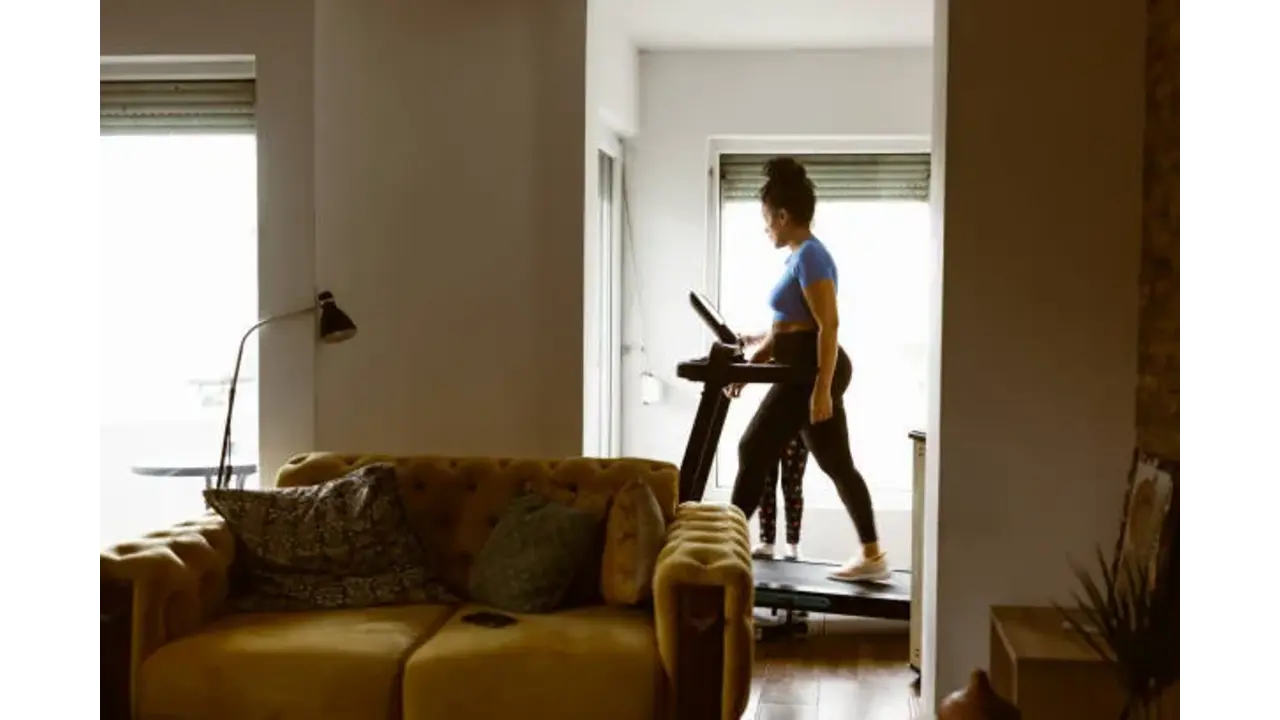
Introduction
Treadmills remain one of the most relied-upon pieces of home fitness equipment, yet they also rank among the most frequently reported for mechanical or operational issues. For many users in the UAE, where temperature, dust, and humidity can strain electrical and mechanical systems, a treadmill’s reliability often depends on how well it is maintained and how quickly small irregularities are addressed. Understanding the nature of these issues, recognizing early warning signs, and applying structured troubleshooting methods can make the difference between years of smooth performance and costly downtime.
A treadmill is a dynamic system composed of multiple interdependent components: motor, belt, deck, rollers, incline mechanism, and digital console. When one part begins to degrade, the strain often extends to others. A slipping belt can overwork the motor, poor ventilation can trigger electronic failure, and improper leveling can distort deck alignment. Each of these problems has a traceable cause that can be diagnosed with attention and preventive care.
Home users in the UAE frequently encounter treadmill malfunctions linked to the local environment—fine dust accumulation in motor housings, high humidity affecting lubrication, or voltage fluctuations impacting control boards. These challenges make localized knowledge and maintenance discipline critical. Premium models such as the NordicTrack T Series and Commercial lines, available through Sea Wonders, are designed to withstand intensive use but still require regular inspection and proper setup to function optimally under these conditions.
The following guide explores how each treadmill component interacts, how to recognize common faults, and what preventive practices can keep a machine running reliably. It also includes practical checklists and diagnostic insights that align with how professional technicians identify issues in advanced models.
Key Takeaways
-
Treadmills depend on the balanced function of multiple components; when one fails, others are affected.
-
The UAE’s heat, dust, and voltage variations increase the likelihood of belt, motor, and console problems.
-
Early detection and correct maintenance are crucial to prevent extensive repairs.
-
Premium NordicTrack models offer durability, but regular care and environment-specific adjustments remain essential.
-
This guide provides step-by-step troubleshooting and preventive measures to extend treadmill life.
Understanding the Anatomy of a Home Treadmill
A treadmill is a compact mechanical ecosystem. Its performance depends on how effectively energy flows from the motor through the belt and deck to the runner’s stride. Each element serves a distinct purpose, yet their interaction determines the machine’s stability, noise level, and responsiveness.
The motor drives the belt across a friction-managed deck. When tension is properly set, the belt moves smoothly and distributes weight evenly. The deck’s cushioning system absorbs impact, protecting both the user and the treadmill frame. Beneath it, rollers maintain belt alignment and prevent lateral drift. The console, often containing a microcontroller and digital sensors, translates user input into mechanical output—adjusting speed, incline, or workout metrics in real time.
Misalignment between these components can create compounding issues. A loose belt increases friction, causing the motor to overheat. Excess friction accelerates deck wear and introduces irregular running patterns. Console errors can arise when incline or speed sensors fail to communicate accurately, leading to erratic adjustments or shutdowns.
Setup conditions play an equally important role. A treadmill placed on an uneven surface strains the frame and rollers, while inadequate clearance around the motor hood restricts ventilation. In the UAE, ambient dust can settle into moving parts and heat buildup can shorten electronic component lifespan. Surge protectors and humidity control measures significantly reduce these risks.
Premium treadmills such as NordicTrack’s T Series and Commercial models incorporate advanced engineering—high-torque motors, precision-aligned decks, and responsive consoles—but their performance longevity depends on how they are maintained. Regular cleaning, tension checks, and environmental management preserve these design advantages and prevent minor issues from escalating into costly repairs.
The Most Frequent Treadmill Issues & How to Recognize Them
Common treadmill issues rarely appear suddenly. They often progress through small, detectable changes in sound, motion, or performance consistency. Understanding these signs helps isolate causes early and prevents full component failure.
A slipping or misaligned belt is one of the most reported issues. It manifests as a sudden jolt underfoot or lateral drift to one side. The root causes typically include loose tension bolts, insufficient lubrication, or uneven roller alignment. Over time, this imbalance strains both the belt and motor, potentially leading to overheating.
Erratic speed or incline malfunction points to sensor miscommunication or wiring fatigue. When a treadmill changes pace unpredictably or fails to adjust incline, internal sensors may be misaligned or obstructed. Persistent instability could indicate an issue with the control board or incline motor, requiring professional evaluation.
Burning smells, unusual noises, or vibration are red flags for mechanical distress. A burning odor often results from friction between an unlubricated belt and deck or from a stressed motor coil. Grinding or knocking noises typically signal worn rollers or bolts that have loosened over time. Immediate power-off and inspection are advised to prevent further damage.
Console malfunctions, including unresponsive buttons or frozen displays, usually stem from electrical inconsistencies or firmware errors. In regions with power fluctuations, using surge protectors and stable power sources prevents these failures.
Recognizing these early indicators allows users to intervene before failures cascade. For users in the UAE, regular inspection and quick action are especially important due to environmental stressors that accelerate wear. High-end models like the NordicTrack T Series respond well to routine maintenance, ensuring that both mechanical and digital systems remain synchronized and efficient.

Step-by-Step Troubleshooting Guide
Diagnosing treadmill problems begins with a structured process. Each inspection step builds upon the previous one, helping to locate the origin of an issue rather than just treating symptoms. Following a systematic approach ensures safety and accuracy, especially when dealing with electrical or moving components.
The first step is environmental verification. The treadmill should be positioned on a flat, stable surface, with at least half a meter of clearance around the frame. An uneven base or carpet padding can cause vibrations, leading to frame stress or misaligned rollers. In the UAE, where fine dust easily infiltrates open motors, it is advisable to operate treadmills in air-conditioned rooms and regularly vacuum around the base.
After environmental checks, inspect the power source. Confirm that the cord is firmly seated, the outlet provides consistent voltage, and the safety key is engaged. Using a surge protector is highly recommended, as voltage fluctuations are a frequent cause of sudden console shutdowns and control-board damage.
Next, move to the belt and deck. With the treadmill unplugged, lift the belt slightly to assess tension and friction. A properly adjusted belt should lift two to three inches at the midpoint. If the belt feels dry or produces scraping noises during operation, lubrication is likely overdue. Examine the deck for scorch marks or uneven wear, which indicate excessive friction.
Electrical and motor inspections follow. Remove the motor hood to look for dust buildup or loose wires. A soft brush or compressed air can remove debris safely. Check for any burnt smell or discolored wiring, which may signal overheating. During operation, listen for inconsistent motor pitch; irregular hums or sudden speed drops suggest strain or bearing wear.
For consoles and sensors, run the built-in diagnostic mode if available. NordicTrack models often display specific error codes when sensors or incline motors miscommunicate. Resetting the console or recalibrating sensors can often restore normal function. Persistent errors, however, may require replacement parts or a certified technician.
If at any point sparks, smoke, or sudden shutdowns occur, disconnect power immediately. Continuing to test a faulty treadmill can worsen electrical damage. When handled with this systematic method—environment, power, belt, motor, console—most users can resolve minor issues before they escalate.
Tailored Preventive Maintenance for UAE Home Users
Preventive maintenance ensures that small mechanical or electrical stresses never develop into full failures. For treadmill owners in the UAE, where temperature, dust, and humidity are constant variables, maintenance frequency should exceed that of temperate climates. The goal is consistency rather than complexity.
Monthly maintenance begins with surface cleaning and inspection. Use a soft, lint-free cloth to remove dust from the console, handrails, and motor cover. Vacuum underneath the treadmill to prevent buildup near rollers and electrical ports. Visually inspect the power cord and plug for signs of wear, and confirm that the belt remains centered during operation.
Quarterly maintenance involves lubrication and alignment checks. Apply a silicone-based treadmill lubricant between the belt and deck following manufacturer recommendations. Avoid aerosol or petroleum-based sprays, which can degrade belt material. Examine roller bolts and frame joints; tightening them reduces vibration and noise. For incline models, perform a full elevation cycle to keep the lift motor calibrated.
Every six months to a year, conduct a deeper mechanical inspection. Lift the motor hood to clean internal components, check for frayed wires, and ensure ventilation openings remain clear. Review the treadmill’s usage log—many NordicTrack consoles record total distance or hours of use—to determine when to replace the belt or deck surface. Heavy users or multi-person households should consider replacement after approximately 5,000 to 6,000 kilometers of total distance.
Environmental precautions are particularly important in the UAE. Placing the treadmill away from direct sunlight reduces heat exposure, while using a small dehumidifier can prevent electronic corrosion. Voltage regulators help stabilize power input and protect digital consoles from surges.
Common maintenance mistakes include over-lubrication, using incorrect products, ignoring subtle noises, or delaying small adjustments. Each oversight compounds over time, gradually affecting the motor, rollers, and control systems. Regular, scheduled care preserves both safety and investment value, especially for premium treadmills like the NordicTrack T Series and Commercial lines, where consistent upkeep maintains the precision engineering that defines their performance.
Choosing the Right Treadmill to Minimise Future Issues
Selecting a treadmill built to endure heavy use reduces the likelihood of future malfunctions. The most reliable machines balance mechanical durability, efficient power delivery, and ease of maintenance. Key attributes include motor capacity, belt material, frame design, and accessibility for cleaning and lubrication.
A strong continuous-duty motor is essential for stability during extended sessions. Underpowered motors often overheat, leading to erratic speeds and shortened lifespan. Belt quality also influences reliability. Multi-ply belts with a low-friction surface minimize stress on the motor and deck, improving running smoothness and energy efficiency.
Deck construction determines comfort and longevity. Shock-absorption systems distribute impact evenly, while reversible decks allow longer use before replacement. Rollers with larger diameters reduce belt tension and wear. Together, these mechanical features form the foundation of dependable performance.
From an electronic standpoint, advanced consoles with responsive sensors and firmware calibration maintain accurate speed and incline readings. Machines that allow software updates extend compatibility with evolving fitness applications and reduce the risk of firmware-related malfunctions.
The treadmills available through Sea Wonders exemplify these qualities. The NordicTrack T Series models offer a balance of affordability and endurance for home users, while the Commercial 1250, 1750, and 2450 units are engineered for intensive workouts with robust frames and self-cooling motors. The Elite X24i, equipped with a 24-inch HD screen and advanced incline technology, integrates both durability and digital precision.
Usage profiling helps determine which model best suits a household. Light users benefit from compact designs like the T Series 7 or 8, while shared or high-intensity environments require heavier frames and continuous-duty motors found in the Commercial series. Evaluating warranty coverage, local servicing, and parts availability in the UAE ensures reliable post-purchase support.
A treadmill chosen with attention to motor strength, deck resilience, and environmental adaptation will experience fewer mechanical or electronic issues. Selecting the correct model from a trusted retailer like Sea Wonders aligns long-term performance with the specific demands of UAE conditions, ensuring lasting functionality and user safety.
Frequently Asked Questions
How often should a treadmill belt be lubricated in the UAE climate?
Lubrication frequency depends on usage intensity and environmental exposure. In arid, dusty regions such as the UAE, treadmill belts should generally be lubricated every six to eight weeks if used frequently. For moderate use, every two to three months is sufficient. Dry climates accelerate friction between the belt and deck, leading to motor strain. Using silicone-based lubricant ensures even distribution and avoids residue buildup that can attract dust.
Can uneven flooring cause treadmill motor burnout?
Yes. A treadmill must rest on a stable, level surface to maintain balanced weight distribution. Uneven flooring causes one roller to bear more load, increasing belt drag and placing continuous strain on the motor. This imbalance may result in higher amperage draw, overheating, and eventual motor failure. In homes with tiled or slightly uneven floors, a vibration-dampening mat or adjustable leveling feet can prevent long-term mechanical stress.
What does a burning smell from a treadmill usually indicate?
A burning smell typically signals excessive friction or electrical stress. The most common causes are a dry belt, worn deck, or blocked motor ventilation. If the smell is accompanied by visible smoke or sudden shutdown, it may point to a short circuit in the motor or control board. Immediately disconnect power and inspect the belt for discoloration. Resuming use without resolving the cause risks permanent damage to internal wiring or the drive motor.
How can error codes on NordicTrack Elite X24i or Commercial models be reset?
Most NordicTrack treadmills include a diagnostic mode accessible via the console. Power off the machine, press and hold the “Stop” and “Increase Speed” buttons simultaneously, then insert the safety key to enter calibration mode. Follow on-screen instructions to recalibrate incline and speed sensors. If the error persists, disconnect power for 30 seconds to perform a soft reset. Firmware-related issues may require connecting the treadmill to Wi-Fi and updating software via the iFit platform.
Does exceeding the user weight limit affect warranty or machine lifespan?
Operating above the manufacturer’s weight recommendation accelerates wear on the motor, belt, and deck suspension system. Over time, this strain can cause premature belt slippage and motor fatigue. Most warranties exclude damage caused by use beyond specified limits. Selecting a model rated for higher weight capacity, such as the NordicTrack Commercial 1750 or 2450, ensures optimal performance and compliance with warranty conditions.
Consistently following these preventive practices—proper lubrication, correct setup, and adherence to usage guidelines—reduces downtime and extends equipment life.
Conclusion
Maintaining a treadmill’s performance requires understanding its mechanical and electrical interdependence. Most common issues—belt slippage, overheating, sensor malfunction—develop slowly and can be prevented through structured inspection, appropriate lubrication, and stable environmental conditions.
For users in the UAE, where temperature and airborne dust place extra demand on fitness equipment, consistent care is vital. Placing treadmills in ventilated rooms, using surge protectors, and adhering to lubrication schedules minimize failures caused by environmental stress.
High-end machines like the NordicTrack T Series and Commercial models available through Sea Wonders are designed for durability, but their long-term reliability depends on user diligence. Regularly reviewing maintenance logs, monitoring belt alignment, and responding quickly to warning signs ensures lasting performance.
Choosing the right treadmill from the outset also influences maintenance ease. Models equipped with self-cooling motors, precise incline calibration, and easily accessible components simplify routine care. By aligning usage intensity with machine capacity, owners reduce both mechanical wear and operational costs.
Consistent, informed attention transforms treadmill ownership from reactive repair to proactive preservation. Whether used for daily runs or rehabilitation sessions, a well-maintained treadmill remains safe, quiet, and dependable—delivering sustained health benefits and protecting investment value over years of operation.
Related Blogs




Bose SoundLink Bluetooth Speaker
£50.00£60.00
Canon's press material for the EOS 5D states that it 'defines (a) new D-SLR category', while we're not typically too concerned
- Availability :In Stock