
 Locate Our Store
 +971 562162730
 AED
AED SAR
SAR KWD
KWD QAR
QAR BHD
BHD OMR
OMR


Shipping/Importing Batteries into UAE: Labeling & Documentation Basics for Lithium Cells
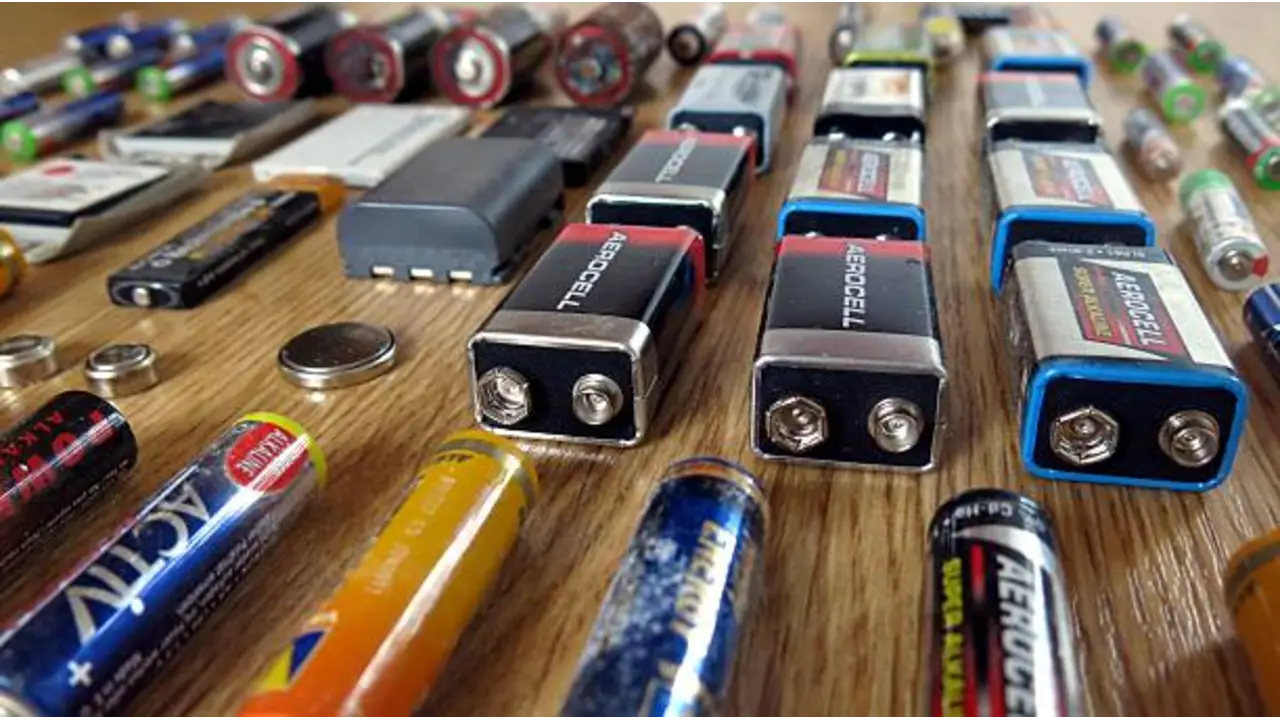
Introduction
Shipping lithium batteries into the UAE is one of those tasks that looks simple until the shipment gets held: the paperwork doesn’t match the label, the wrong UN number is used, the invoice is too vague (“batteries”), or the cargo is booked as general freight instead of dangerous goods (DG). Most delays are not caused by “slow customs.” They’re caused by classification mistakes and missing or inconsistent documentation.
This guide explains the basics you need as an importer, distributor, or corporate buyer bringing lithium cells into the UAE—especially common commercial items like lithium coin cells and specialty lithium batteries often purchased under brands like Energizer batteries and Duracell batteries.
Practical compliance note: Lithium battery DG rules are governed by international frameworks (air and sea) and can be updated. Always confirm the current requirements with your freight forwarder/carrier and the UAE port/airport DG handling team for your lane (air vs sea), shipment type (battery alone vs in equipment), and battery chemistry (lithium-ion vs lithium metal).
Why lithium battery shipments get delayed in the UAE
Most holds and rejections come down to five predictable issues:
-
Wrong classification (UN number confusion)
-
Missing DG paperwork (or paperwork not completed by DG-trained staff)
-
Labels/marks don’t match documents
-
Invoice and packing list too vague (no chemistry, no model, no configuration)
-
Mixed or damaged batteries shipped without proper segregation and declarations
If you fix those five, most imports move cleanly.

Step 1: Classify the lithium batteries correctly (the foundation)
Everything—labels, documents, packaging, and whether air freight is allowed—starts with correct classification.
Two chemistry families you must separate
A) Lithium-ion (rechargeable)
Examples: rechargeable packs in devices, power tool batteries, rechargeable device batteries.
B) Lithium metal (primary / non-rechargeable)
Examples: many CR coin cells (like CR2032), and many “primary lithium” AA-type batteries (product dependent—confirm via SDS/UN38.3 docs).
Three shipping configurations that change the UN number
Lithium batteries are classified not only by chemistry, but also by how they are shipped:
-
Batteries shipped alone (no equipment in the package)
-
Batteries packed with equipment (equipment in the same package, but batteries not installed)
-
Batteries contained in equipment (batteries installed inside the equipment)
UN number overview (high-level)
Use this as your starting framework:
Lithium-ion
-
UN3480 — lithium-ion batteries (shipped alone)
-
UN3481 — lithium-ion batteries contained in equipment / packed with equipment
Lithium metal
-
UN3090 — lithium metal batteries (shipped alone)
-
UN3091 — lithium metal batteries contained in equipment / packed with equipment
Common real-world mapping examples
-
Duracell coin cells (e.g., CR2032) → commonly lithium metal category → UN3090/UN3091 depending on configuration
-
Rechargeable battery packs shipped by themselves → commonly lithium-ion → UN3480
-
Rechargeable battery packs installed in devices (or shipped with devices) → commonly UN3481 (config dependent)
Critical rule: Don’t “guess” the UN number from the shape. Confirm using the manufacturer’s documentation (SDS + UN38.3 test summary) and your DG-trained forwarder.
Step 2: Know what changes between air and sea shipments
Air freight (IATA/ICAO lane)
Air is typically the strictest lane. Carriers may reject shipments for:
-
missing DG paperwork
-
incorrect UN number
-
poor packaging/terminal protection
-
documentation gaps (UN38.3 proof commonly requested)
-
noncompliant booking (attempting to ship as general cargo)
Operational reality: If you plan to ship lithium by air, use a DG-certified forwarder and ensure the shipper is DG-trained.
Sea freight (IMDG lane)
Sea also requires DG compliance, but the operational rejection pattern differs. Sea shipments can still be delayed if:
-
DG declaration is incorrect
-
packaging is noncompliant
-
labels/marks are inconsistent
-
cargo is mixed improperly (e.g., lithium packs with damaged returns)
Simple rule: Air is less forgiving, sea is not “unregulated.” Both require correct classification, labeling, and documentation.
Step 3: Labeling & marking basics (what goes on the box)
Labels and marks must match your DG documents. If they don’t, you’ll see holds.
Below is a practical, importer-friendly view of the markings you’ll encounter. Your DG-trained shipper/forwarder will determine which ones apply based on whether the consignment is fully regulated or shipped under exceptions.
Common labels/marks for lithium shipments
1) UN number marking
The correct UN number must appear where required and must match the paperwork (e.g., UN3480, UN3481, UN3090, UN3091).
2) Lithium Battery Mark (commonly required in many cases)
This is the lithium battery handling mark that typically includes:
-
battery icon
-
UN number(s)
-
a contact phone number for additional information
(Exact formatting and when it’s required depends on the shipment category.)
3) Class 9 hazard label (for fully regulated DG shipments)
Fully regulated lithium shipments often require Class 9 labeling (and sometimes the lithium battery Class 9 variant used in some modes).
4) Cargo Aircraft Only (CAO) label (when applicable)
Some lithium shipments may be restricted to cargo aircraft only in air transport. If applicable, CAO labeling must be correct.
5) Overpack markings (if you use an overpack)
If multiple packages are placed into an overpack, the overpack must be marked appropriately and, in many cases, repeat visible labels/marks.
What must match (the “consistency rules”)
-
UN number on box = UN number on DG declaration
-
Package count and net weights match packing list and DG paperwork
-
If “contained in equipment” is declared, invoice/packing list should describe the equipment configuration consistently
-
Any overpack markings align with inner package labeling rules
Step 4: Packaging basics (high-level, practical)
You don’t need to become a packaging engineer, but you do need to understand why carriers reject lithium shipments.
Packaging goals (what DG handlers care about)
-
Prevent movement (cells/packs shouldn’t rattle inside)
-
Prevent short circuits (terminal protection is essential where applicable)
-
Prevent damage (strong outer packaging, adequate cushioning)
-
Separate battery types (don’t mix random chemistries/configurations without proper documentation)
-
Avoid shipping damaged/defective batteries (major rejection reason)
Practical packaging rules that reduce rejections
-
Keep batteries in original manufacturer packaging where possible (especially coin cells)
-
For loose cells/packs, ensure terminal protection (covers, separation, or taping as appropriate)
-
Don’t include returns/damaged batteries in cartons of sellable stock
-
If you ship batteries “with equipment,” ensure the equipment is protected and the battery placement matches what’s declared
Step 5: Documentation checklist (what importers should request and retain)
Think of lithium import documentation in two layers: commercial clearance docs and DG safety/compliance docs.
A) Commercial clearance documents (commonly required)
-
Commercial invoice (must be specific—see below)
-
Packing list
-
Air waybill (AWB) / Bill of lading (B/L)
-
Certificate of origin (commonly requested in many import workflows, depending on your setup)
-
Any importer registration/trade documentation required for clearance (company-specific)
Invoice best practice (avoid vague descriptions):
Instead of “batteries,” use something like:
-
“Lithium metal coin cells (CR2032), brand/model, quantity, country of origin”
-
“Lithium-ion rechargeable battery packs, model, watt-hour rating (where applicable), quantity”
Your broker and forwarder can guide the exact phrasing that best fits your classification.
B) DG / lithium compliance documents (commonly needed for smooth movement)
-
Dangerous Goods Declaration (for regulated shipments; completed by DG-trained staff)
-
UN 38.3 test documentation (test summary or proof of compliance is widely requested)
-
SDS (Safety Data Sheet) for the battery model/chemistry (often requested; helps confirm classification)
-
Any carrier-required lithium documentation for the specific lane
Why UN 38.3 matters in real operations:
Even when batteries are well-known brands (like Energizer or Duracell), many carriers and customers still want the UN 38.3 test summary available for the exact model/SKU. Missing it is a common cause of “please provide documents” holds.
Document retention tip (audit-proofing)
Create a digital folder per lithium SKU that contains:
-
SDS
-
UN 38.3 test summary / compliance proof
-
standard invoice description template
-
packaging/labeling guidance used by your forwarder
This reduces repeated delays because you stop rebuilding the paperwork from scratch on every shipment.
Top 10 mistakes that cause holds/rejections (and how to avoid them)
-
Using UN3480 when it should be UN3481 (or UN3090 vs UN3091)
-
Fix: confirm “alone vs in/with equipment” before booking.
-
Invoice says “batteries” with no chemistry or model
-
Fix: specify lithium-ion vs lithium metal, model/SKU, and configuration.
-
No DG declaration for regulated consignments
-
Fix: book through DG-trained forwarder; don’t treat as general cargo.
-
Missing UN 38.3 test summary / proof
-
Fix: request it from supplier/manufacturer ahead of time.
-
Labels don’t match documents (UN number mismatch)
-
Fix: one owner cross-checks label vs DG paperwork before dispatch.
-
Mixing multiple battery types/configurations in one carton
-
Fix: segregate shipments by classification, or document properly if combined under permitted rules.
-
Shipping damaged/returned batteries with sellable inventory
-
Fix: quarantine returns; ship separately under appropriate rules (often far stricter).
-
Overpack used but not marked correctly
-
Fix: ensure overpack marking and label visibility meet DG requirements.
-
Booking air freight without DG-trained staff
-
Fix: insist on DG-certified handling for lithium shipments.
-
Terminal protection ignored (especially for loose packs, 9V, lithium packs)
-
Fix: ensure terminals are protected and internal packaging prevents contact.

Practical examples (import scenarios you’ll actually see)
Example 1: Importing Duracell coin cells (CR2032) for sensors
-
Typical use: access control sensors, thermostats, small devices
-
Chemistry category: often lithium metal (confirm via SDS/UN38.3)
-
Import lesson: coin cells are small, but DG expectations still apply. Ensure:
-
correct UN classification (alone vs in equipment)
-
lithium battery mark/labels as required
-
UN 38.3 documentation available for the SKU
-
packaging prevents shorting and keeps cells contained
Example 2: Importing Energizer “primary lithium” AA-type batteries for corporate supply
-
Typical use: high-reliability programs, security tools, harsh environments
-
Chemistry category: often lithium metal (product dependent—confirm)
-
Import lesson: many buyers assume AA size = “simple.” For DG purposes, chemistry matters. Ensure:
-
supplier provides SDS + UN38.3 test summary
-
your invoice specifies “lithium [metal] batteries” and model
-
correct labeling and DG paperwork for the lane
Example 3: Importing lithium-ion packs with devices (handhelds, equipment)
-
Typical use: devices shipped with rechargeable packs
-
Likely classification: UN3481 (configuration dependent)
-
Import lesson: “packed with equipment” and “contained in equipment” are not the same operationally. Confirm how it’s packaged and declare consistently across invoice, packing list, and DG paperwork.
Example 4: Shipping returns or damaged lithium batteries
-
Highest risk category operationally
-
Import/export lesson: damaged/defective lithium batteries can be restricted or require special handling and may be refused by air carriers. Treat returns separately:
-
quarantine immediately
-
do not mix with sellable stock
-
coordinate with DG specialists before attempting shipment
Receiving SOP for UAE warehouses (so inbound DG doesn’t become a safety issue)
Even when shipping is compliant, receiving is where businesses create internal risk—especially if inbound cartons sit in hot zones or returns are mixed.
Receiving checklist (10 minutes that prevents incidents)
-
Verify labels match paperwork (UN number and shipment description)
-
Check carton condition (crush, water exposure, torn packaging)
-
Segregate immediately:
-
sellable stock vs returns/damaged
-
Store away from heat/sun exposure (avoid loading bay dwell time in Dubai)
-
Keep DG documents accessible (digital and/or printed copies for audit)
-
Record batch/SKU receipt for traceability
-
For coin cells: store sealed packs contained, not loose in bins
-
For lithium-ion packs: store in a controlled area with clear labeling and access control
-
Quarantine any damaged, swollen, or leaking item
-
Align FEFO rotation where shelf life/expiry applies
FAQs
What’s the difference between UN3480 and UN3481?
In simple terms: UN3480 is lithium-ion batteries shipped alone, while UN3481 is lithium-ion batteries shipped with equipment or contained in equipment. The correct choice depends on how the shipment is packaged and what’s in the box.
What’s the difference between UN3090 and UN3091?
UN3090 is lithium metal batteries shipped alone, while UN3091 is lithium metal batteries shipped with equipment or contained in equipment.
Do coin cells need different documentation than AA/AAA lithium batteries?
Coin cells and AA/AAA can fall into different lithium categories depending on chemistry (lithium metal vs lithium-ion). The key is: identify chemistry via SDS/UN38.3 documentation and classify correctly. The paperwork and labels follow from that classification.
Is UN 38.3 required to ship lithium batteries into the UAE?
In real shipping operations, UN 38.3 proof/test summaries are widely requested by carriers and supply chains and are a common requirement for smooth movement. Keep the test summary available for your SKUs.
Can I ship lithium batteries by air without a DG declaration?
If the shipment is regulated DG, a proper DG declaration and compliant labeling are typically required. Some shipments may fall under exceptions with specific conditions, but you should not assume this—your DG-trained forwarder should classify and prepare the shipment correctly.
How should importers document Energizer batteries and Duracell batteries lithium SKUs?
Use precise product descriptions (chemistry + model/SKU + configuration), keep SDS and UN 38.3 documentation on file, and ensure labeling/marks match the declared UN classification. The brand is less important than correct classification and documentation consistency.
Final takeaway
Importing lithium batteries into the UAE becomes straightforward when you treat it as a consistency problem:
-
Classify correctly (ion vs metal; alone vs in/with equipment)
-
Label and mark correctly (and ensure it matches the DG paperwork)
-
Keep your documentation pack ready (invoice detail, DG declaration where applicable, SDS, UN 38.3)
-
Avoid the common mistakes (vague invoices, mismatched UN numbers, mixed/returned stock)
-
Receive and store safely in Dubai conditions (segregate, quarantine, avoid heat exposure)
Related Blogs


Bose SoundLink Bluetooth Speaker
£50.00£60.00
Canon's press material for the EOS 5D states that it 'defines (a) new D-SLR category', while we're not typically too concerned
- Availability :In Stock