Locate Our Store
 +971 562162730
 AED
AED SAR
SAR KWD
KWD QAR
QAR BHD
BHD OMR
OMR


Nylon vs Feather Shuttlecocks: Which Should You Buy in the UAE?
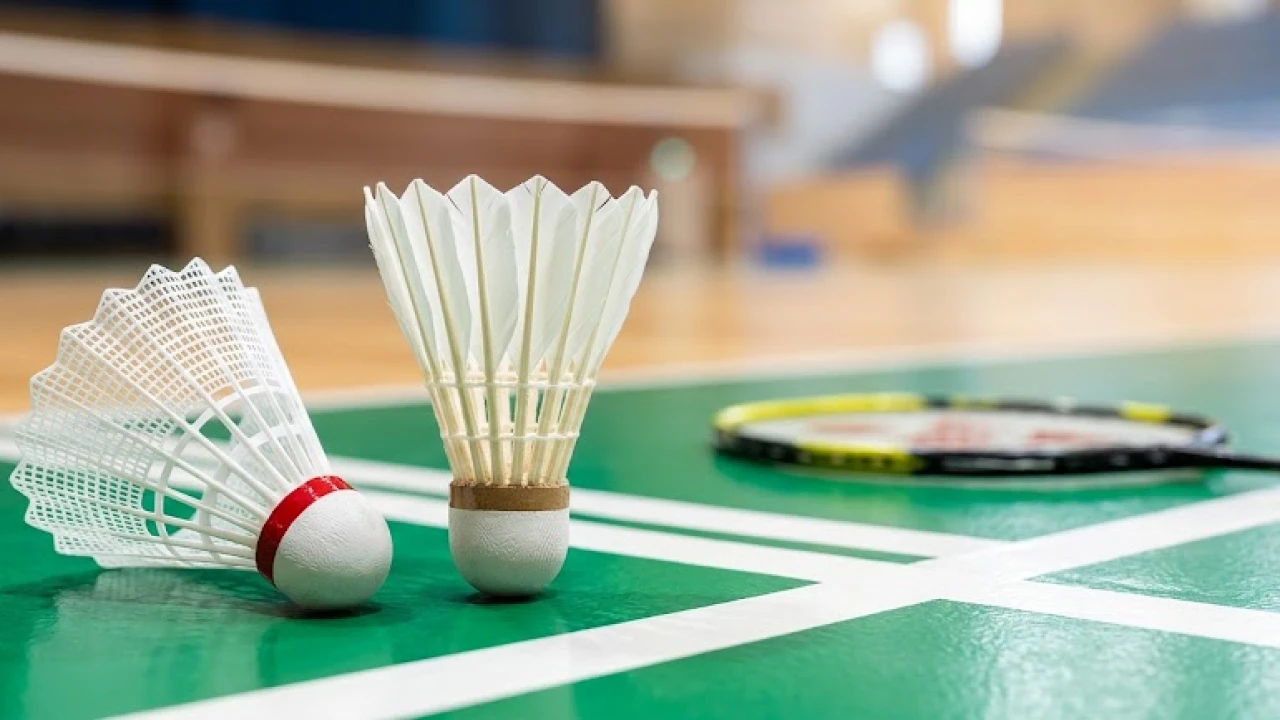
Feather shuttles feel better, and anyone who has played with both knows it. The real question is not which flies nicer: it is whether that feel is worth the money for the way you play here in the UAE.
This guide gives a straight verdict, then backs it with the one thing no other page shows you: the real cost per session in AED. If you are still choosing a racket, our guide to the best badminton rackets in the UAE pairs well with this.
|
The verdict For practice, club nights, and most UAE recreational play, a durable nylon Yonex shuttlecock like the Mavis line is the smart buy. Choose feather, the Yonex Aerosensa range, only for tournaments or advanced players who need true feather flight and touch. |
What is the difference between nylon and feather shuttlecocks?
Nylon shuttlecocks use a synthetic skirt on a cork or composite base: durable, cheaper, and steadier in flight. Feather shuttlecocks use sixteen natural goose or duck feathers: authentic flight, slice, and touch, but fragile and far pricier. Plastic and nylon mean the same thing here.
|
Feature |
Nylon (Yonex Mavis) |
Feather (Yonex Aerosensa) |
|---|---|---|
|
Skirt |
Synthetic nylon |
16 natural goose or duck feathers |
|
Flight and touch |
Steady, less slice |
Authentic flight, true slice and drop |
|
Durability |
High, survives hard hitting |
Low, fragile |
|
Price (AED, Jul 2026) |
35 to 75 per tube |
From about 130 per dozen |
|
Best for |
Practice, club, recreational |
Tournaments, advanced play |
On the feather side, the grade of feather matters. Higher tubes use left-wing goose feathers for consistent spin and flight, while cheaper feather shuttles use duck feather, which is softer and wears faster. That natural construction is exactly why feather carries the slice and delicate net touch competitive players chase, and also why it cannot survive the mishits and hard flat drives of a practice session.
A third category is growing: hybrid or synthetic-feather shuttles that fit a real feather tip to a moulded skirt, aiming for feather-like flight with more durability. They sit between the two on both feel and price. On the budget end, a nylon shuttle like the Apacs AS-707 covers casual practice for less.
Are feather shuttlecocks worth it for club players?
Feather is worth it once you play competitively and need consistent slice, drop, and match-standard flight. The Yonex Aerosensa ladder, from AS-10 up to AS-30, is the club-to-tournament range. For drilling, social games, and most club practice, feather is money burned on shuttles that die fast.
Aerosensa AS-20 shuttles are a popular club-tournament choice, with AS-30 sitting at the top for serious match play. Aerosensa is the feather shuttlecock UAE clubs rely on when they run ladder and league nights, and stepping up makes sense once you start entering scored games. If you want the model-by-model breakdown across the Mavis and Aerosensa lines, our full shuttle comparison guide lays out every grade.
The honest test is simple: if you are not playing scored matches where flight consistency decides points, nylon does the job for a fraction of the cost. Below that level, the jump in feel will not change your results, but the jump in cost is large.
Which shuttlecock lasts longer in UAE conditions?
Nylon lasts far longer. A Yonex Mavis nylon shuttle survives roughly four to five times longer than ordinary nylon and many more rallies than feather. Feather is delicate, and the UAE's dry heat and air-conditioning can turn the feathers brittle faster, so nylon wins on longevity by a clear margin.
Feather shuttles are natural material, so they react to their surroundings. In dry, air-conditioned halls the feathers lose moisture and split sooner. Store feather tubes sealed and away from the direct blast of an AC vent, keep them somewhere cool and slightly humid, and give a cold tube time to reach room temperature before you open it. Nylon shrugs all of this off, which is part of why it is the practical training choice in this climate.
For a busy club that plays several nights a week, that durability adds up fast. A nylon tube can absorb a full evening of doubles and come back for the next session, while a feather tube might not survive one hard-hitting game intact.
What shuttlecock speed should I use indoors?
Shuttlecock speed runs on a number system, roughly 75 for slow up to 79 for fast, or Yonex speed 1 to 5. For UAE air-conditioned halls, which sit on the warm side, the slower speeds and green-cap nylon options suit the temperature band. Speed here means flight distance in the air, not smash power.
Warm air makes a shuttle fly faster, so warmer halls need a slower shuttle to keep rallies controllable, and most UAE club halls fall into that warm band. For the full cap-colour breakdown on the nylon side, our Mavis 350 cap-colour guide shows exactly which speed to pick.
How much do shuttlecocks cost per session?
This is where nylon wins clearly. A nylon tube spreads across many sessions, so each session costs only a few dirhams. A feather shuttle can wear out within a game or two of hard hitting, pushing feather to AED 10 or more per session. For practice, that gap is the whole argument.
|
Shuttle |
Type |
Price (AED, Jul 2026) |
Typical lifespan |
Rough cost per session |
|---|---|---|---|---|
|
Yonex Mavis 350 |
Nylon, tube of 6 |
75 |
One shuttle lasts many rallies across several sessions |
A few dirhams |
|
Yonex Aerosensa 10 |
Feather, 12 pieces |
132 (offer) |
A shuttle can wear out within a game or two of hard hitting |
AED 10 or more |
Lifespan and per-session cost vary by player level and how hard you hit. Treat these figures as approximate.
For most players the best shuttlecock for practice is simply the most durable nylon tube you can get. Entry nylon such as the Yonex Mavis 10 at AED 35 pushes the per-session cost lower still, which makes it the value pick for beginners and school players. Feather never competes on this maths: the higher Aerosensa grades run from around AED 132 up past AED 200 per dozen, and you pay that for match feel, not practice value.
Put simple numbers on it. One tube of nylon can cover a month of twice-weekly practice for a casual player, so the shuttle cost per session drops to loose change. A feather player getting through even one shuttle a session at roughly AED 11 spends more on shuttles in a fortnight than a nylon player spends in months. Feather earns that extra outlay only when match-standard flight actually decides your games.
Which shuttlecock is right for your level?
Match the shuttle to how you play. Beginners and school players want cheap, durable nylon. Club and regular practice players want a consistent nylon trainer. Tournament and advanced players want genuine feather for match-standard flight. The table below maps each level to a genuine Yonex option.
|
Player type |
Recommended shuttle |
Why |
|---|---|---|
|
Beginner, casual, school |
Yonex Mavis 10 or Apacs AS-707 (nylon) |
Lowest cost per session, durable, forgiving |
|
Club, regular practice |
Yonex Mavis 350 (nylon) |
Consistent flight, survives hard drilling |
|
Tournament, advanced |
Yonex Aerosensa feather (AS-10 and up) |
True feather flight, slice, and touch |
Nylon pick: Yonex Mavis 350 Shuttlecock (tube of six)
|
Type |
Nylon skirt on a natural cork base |
|
Pack |
Tube of six |
|
Durability |
4 to 5 times ordinary nylon |
|
Price |
AED 75 (as of July 2026), limited stock |
|
Best for |
Practice, club drilling, most UAE recreational play |
Not ideal for: Tournament players who need true feather flight and feel. This is a durable training shuttle, not a match-grade feather.
Feather pick: Yonex Aerosensa 10 (12-piece set)
|
Type |
Natural goose feather, 12-piece set |
|
Price |
AED 132 on offer (as of July 2026), limited stock |
|
Best for |
Tournaments and advanced players wanting authentic feather flight |
Not ideal for: Casual and practice players. Feather is fragile and costs several times more per session than nylon.
the Yonex Aerosensa 10 feather set
How can you spot a genuine Yonex shuttlecock?
Check for clean, even Yonex branding on the cap and tube, a natural cork base rather than plain moulded rubber, and a consistent skirt shape. Counterfeit Yonex shuttlecocks are common on UAE marketplaces and fly unpredictably. Buying from a UAE-based genuine stockist is the surest check.
A price far below the going rate is the clearest warning sign. Consistent print quality and clean moulding are good signs, while a smudged logo, an uneven skirt, or a deal that looks too generous are the usual red flags. Genuine feather and nylon both hold their flight from the first shuttle to the last, which fakes rarely manage.
Frequently asked questions
Do professional badminton players use feather or plastic?
Professional players use feather. Every top-level tournament, including BWF events, is played with genuine goose-feather shuttlecocks for their authentic flight, slice, and drop. Nylon, sometimes called plastic, is used for training, coaching, and recreational play rather than professional matches.
Is feather shuttlecock better than nylon?
Feather flies and slices more authentically, so for match play it feels better. Nylon is more durable and far cheaper per session. Neither is simply better: feather wins on feel for tournaments, nylon wins on value for practice and club play.
How long does a nylon shuttlecock last?
A quality nylon shuttlecock like the Yonex Mavis line lasts roughly four to five times longer than ordinary nylon, often surviving several practice sessions per shuttle. Exact lifespan depends on how hard you hit, but nylon far outlasts feather in every case.
Which shuttlecock lasts the longest?
Nylon shuttlecocks last the longest. A durable nylon skirt survives repeated hard hitting that would shred feather in a single session. Among nylon, mid-tier and higher tubes such as the Yonex Mavis range hold their flight longest before the skirt softens.
Is feathers or plastic better for birdies?
It depends on your game. Feather birdies give the truest flight and touch for competitive play. Plastic, or nylon, birdies are tougher and cheaper, which suits practice and casual games. Most UAE club players are better served by nylon for day-to-day play.
Which type of shuttlecock is best?
There is no single best type: the right shuttlecock depends on your level. Feather is best for tournaments and advanced players. Nylon is best for practice, club nights, and beginners, thanks to its durability and low cost per session.
Related Blogs