
 Locate Our Store
 +971 562162730
 AED
AED SAR
SAR KWD
KWD QAR
QAR BHD
BHD OMR
OMR


How to fold & store a rowing machine in an apartment in UAE
Introduction
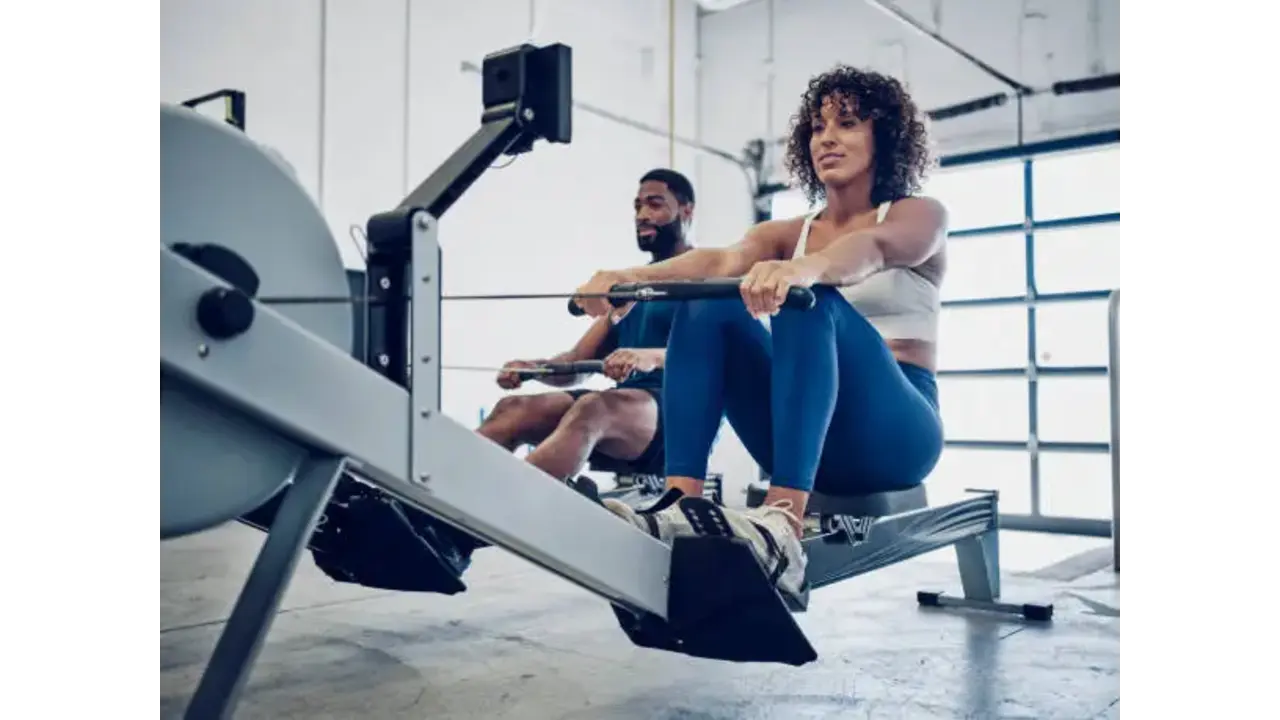
Apartment living in the UAE often requires careful planning when adding fitness equipment with a noticeable footprint. A rowing machine delivers strong training value while occupying less space than many other cardio options, yet its storage demands still depend on the apartment’s configuration, climate conditions, and daily routines. Compact layouts in popular Dubai and Abu Dhabi residences, along with dust exposure and frequent air-conditioning cycles, shape how a rowing machine fits into everyday life. The concept of storage becomes less about hiding a large item and more about aligning the machine’s attributes with predictable apartment constraints: walkway clearance, vertical height, wall stability, floor materials, and proximity to neighbouring units.
Many rowing machines support folding, upright positioning, or separation into multiple parts, and each storage mode interacts differently with the environment. The way a machine rolls, locks, or shifts its center of gravity determines the suitability of hallway corners, bedroom alcoves, or living room nooks. Accessories such as matting, covers, rollers, or wall-anchors can further influence performance and storage longevity, especially in regions where dust accumulation happens quickly.
The UAE’s building styles introduce additional layers of consideration. Tiled floors, reinforced concrete walls, and multi-unit stacking affect noise travel and vibration. Climate conditions present another variable, because temperature differentials and humidity changes may require adjustments in cleaning frequency or electronics protection. Examining these influences early allows the rowing machine to integrate smoothly into compact homes.
Key Takeaways / TLDR
• UAE apartments introduce unique spatial and climatic considerations that shape storage decisions.
• The region’s dust, humidity, and AC cycles influence cleaning routines and protective accessories.
• Noise transfer and flooring type determine ideal placement inside high-rise buildings.
• Foldable, upright, or separable rowing machines offer different advantages depending on layout.
Understanding the Apartment Environment in the UAE
Spatial patterns in UAE apartments often prioritise open living areas supported by narrower secondary spaces. This creates distinct placement zones for fitness equipment. Many one-bedroom and studio layouts position furniture tightly around entry corridors or living-sleeping transitions, which influences where a rowing machine can stand without obstructing daily movement. Vertical clearance also matters, because some upright machines require stable ceiling heights and unobstructed wall surfaces.
Climate considerations extend beyond simple heat exposure. Outdoor dust intrusion, AC-driven condensation and intermittent humidity shifts influence material longevity. A rowing machine with exposed chain components or ventilation slats may accumulate fine debris, increasing the need for routine surface cleaning. Machines stored near balconies or windows experience more rapid dust build-up, especially during seasonal sand activity.
Noise and vibration create another set of variables within high-rise environments. Reinforced concrete floors limit deep vibrations but transmit sharp impacts across shared boundaries. Rowing machines produce rhythmic movement and chain motion that can be audible through thin partition walls, depending on the machine’s design. Placement on thicker mats and away from direct wall contact reduces transmission.
These environmental features shape practical storage options. Locations with stable airflow, minimal sun exposure, and predictable dust patterns preserve machine condition. Placement near power outlets may assist monitor charging but must avoid direct AC airflow that can introduce condensation. Balanced consideration of these factors guides decisions about folding mechanisms, wall-mount suitability, and long-term upkeep within UAE residences.
Rowing Machine Basics for Storage
A rowing machine’s structural profile determines how easily it adapts to compact spaces. Key attributes include footprint, weight distribution, mobility, and mechanical layout. Machines with a long monorail require more horizontal distance during use but often fold or separate into two segments for storage. Others incorporate upright capabilities supported by extended stabilisers and locking mechanisms. Machines equipped with transport wheels allow smoother relocation within tight hallways or between rooms.
Core storage-related attributes often include:
• Footprint length and width in active and stored states
• Weight concentration around flywheel or resistance housing
• Wheel placement and rolling resistance
• Handlebar and monitor pivot range
• Clearance needed for vertical orientation
Storage methods fall into three primary groups. Foldable designs hinge at the rail connection point to reduce total length. Upright models shift the machine vertically so the flywheel rests on the floor while the rail rises toward the wall. Machines with separable rails divide into two lighter pieces that can be placed in closets or under elevated beds. Each method interacts differently with apartment constraints. Foldable units require horizontal floor area but store compactly near walls. Upright storage demands stable vertical surfaces. Separable machines offer the smallest footprint but require secure locations for multiple components.
Accessories further support these storage modes: wheel kits minimise friction across tiled surfaces, covers protect components from dust, and wall-mount brackets stabilise rails during vertical placement. The combined effect of layout, machine architecture, and accessory choices determines how effectively a rowing machine fits inside a UAE apartment without disrupting daily routines. 
Choosing the Right Storage Method for a UAE Apartment
Storage decisions in UAE apartments depend on a combination of floor space, vertical clearances, airflow exposure, and the way residents typically arrange furniture inside compact layouts. Horizontal, vertical, and multi-piece storage modes respond differently to these constraints. Horizontal placement suits long walls in living rooms or bedrooms where uninterrupted floor length is available. This arrangement keeps the machine ready for frequent use, although it requires predictable walkway management. Vertical positioning occupies a smaller footprint and often fits behind sofas, beside wardrobes, or in corner alcoves. This method relies on stable wall adjacency and sufficient ceiling height, especially in units with decorative drop ceilings. Multi-piece storage works well for small bedrooms, short hallways, and studio apartments where a long monorail cannot remain intact.
Location selection determines long-term convenience and noise behaviour. Closets accommodate separable rails and offer dust protection, though ventilation inside enclosed spaces must be considered. Balconies appear spacious but expose equipment to airborne dust and humidity fluctuations, which can reduce component lifespan. Placement behind doors utilises underused space, provided that hinges, door swings, and wall contact points do not interfere with daily movement.
Flooring type influences storage stability. Tiled floors common in UAE buildings allow smooth wheel movement but may cause drift during upright placement unless anchored. Vinyl surfaces support vibration reduction but require mats to prevent compression. In multi-unit buildings, placing rowing machines away from partition walls reduces perceived noise for neighbours.
Sea Wonders storage accessories introduce additional stability and protection. Thick mats help isolate low-frequency vibrations across concrete slabs. Rowing machine covers reduce dust sediment on exposed surfaces. Wall-mounting solutions prevent tipping during vertical storage, especially in apartments with narrow corridors. The interaction between storage method, placement zone, and accessory selection determines how efficiently the machine integrates into compact UAE residences.
Step-by-Step Storage Setup (Compatible With Sea Wonders Rowing Machines)
A structured approach simplifies the transition between active use and compact storage. Preparation begins with ensuring that the machine remains clean, dry, and mechanically secure. Surfaces that accumulate dust around the flywheel housing, chain entry points, and seat rollers require routine wiping. Wheel inspection ensures smooth movement across tiled floors, while checking monitor pivots prevents strain on electronic components during folding or upright lifting.
Folding or separating the machine follows a predictable sequence. Many models hinge at the rail junction, reducing length without altering width. Others release the monorail from the flywheel assembly, creating two manageable segments. This mode benefits apartments with limited wall length or tightly arranged bedrooms. Machines with upright capability often rely on stabiliser extensions or rear guards that maintain balance once positioned vertically. Weight distribution around the flywheel determines how the machine rests on the floor.
Typical setup sequence:
-
Clean exposed surfaces to prevent dust transfer during storage.
-
Ensure the monitor arm is folded toward the frame.
-
Engage folding hinge or rail-release mechanism.
-
Lift or roll the machine toward the chosen location.
-
Position the unit horizontally or vertically, depending on the selected method.
-
Apply a cover or secure the wall bracket if used.
Wall-mount setups require careful alignment. Reinforced walls commonly found in UAE apartments support heavy loads, although inspection for embedded conduits is recommended. Anti-tip mechanisms add stability, especially in households that require predictable equipment positioning.
Final placement includes arranging mats under heavy components, ensuring clearance around the machine, and allowing enough space for frequent movement without furniture obstruction. Sea Wonders accessories such as mats, covers, and stabilisers strengthen this final stage by reducing vibration, limiting dust settling, and improving long-term durability in local climatic conditions. 
Maintenance & Long-Term Care in UAE Conditions
Long-term performance of a rowing machine in the UAE depends on proactive care aligned with climate patterns. Dust and fine sand particles can settle inside moving components, including chain links, rail guides, and flywheel ventilation slots. Machines stored near balconies, windows, or entryways collect sediment more rapidly. Regular surface cleaning and periodic inspection of sliding mechanisms reduce friction and maintain smooth operation. AC-driven condensation introduces another variable, especially when warm outdoor air meets cooled indoor surfaces. Electronics, monitors, and wiring connections benefit from being kept away from direct airflow that produces sudden temperature changes.
Lubrication cycles vary according to machine design but often correlate with usage frequency and environmental exposure. Chains operating in dusty regions require more frequent oiling to avoid stiffness. Bolts, footrests, and moving hinges benefit from routine tightening to counteract vibration in high-rise settings. Machines that remain unused during extended travel periods require dry storage conditions with consistent airflow to avoid moisture accumulation.
Seasonal shifts influence maintenance planning. Mild winter months reduce dust influx, while summer periods may introduce higher indoor humidity depending on AC settings. Storage covers slow dust accumulation and protect surfaces during idle periods. Keeping the machine on a mat limits contact with moisture that can collect on tiled floors when humidity rises.
Structured maintenance schedule example:
• Weekly: wipe exposed surfaces, clean rail path
• Monthly: inspect wheels, check bolt tension
• Quarterly: lubricate chain, clean flywheel intake
• Seasonally: evaluate dust accumulation, adjust cover usage, examine monitor housing
Predictable care routines extend component longevity and preserve stability in UAE conditions. Machines stored in compact apartments benefit from consistent cleaning and protective accessories, particularly in units that experience variable airflow and frequent dust exposure.
Comparative Snapshot: Rowing Machine vs Other Compact Fitness Equipment
Apartment residents in the UAE often compare rowing machines with folding treadmills and stationary bikes to determine what fits better into limited layouts. Each equipment type carries a distinct structural profile that affects storage convenience and movement inside compact units. Rowing machines provide long rails but compress well through folding hinges or upright configurations. Folding treadmills offer a taller collapsed structure that often requires wide wall sections for stable positioning. Stationary bikes maintain a compact footprint but cannot compress further, which limits their ability to move out of sight.
A comparison table clarifies these distinctions:
|
Equipment Type |
Active Footprint |
Stored Footprint |
Noise Profile |
Storage Flexibility |
|
Rowing Machine |
Long + narrow |
Foldable, upright, or separable |
Chain or magnetic motion |
High (multiple modes) |
|
Folding Treadmill |
Wide running deck |
Upright but tall |
Motor noise + belt impact |
Moderate |
|
Stationary Bike |
Compact square base |
Same as active |
Pedal + flywheel rotation |
Low |
Rowing machines frequently outperform alternatives in noise-sensitive settings because magnetic resistance models produce a softer acoustic range suited to high-rise living. Treadmills rely on repeated foot impact that carries through concrete structures more easily. Bikes offer quiet operation but remain permanently visible, which affects aesthetic continuity in studio apartments where every visible object contributes to room flow.
Value for space becomes essential in compact homes. Rowing machines deliver full-body engagement while maintaining flexible storage options, which supports varied placement in bedrooms, living areas, and transitional corridors. Treadmills require unobstructed walkways when unfolded, and bikes concentrate weight in smaller areas that may compress soft flooring.
These distinctions shape equipment selection for residents prioritising storage efficiency, noise reduction, and balanced training within constrained residential footprints.
Visual Space Planning & Real-Life Apartment Setups
Space planning in UAE apartments relies on predictable layout patterns common in both modern and mid-tier developments. Rowing machines integrate most effectively when measured against clearances between furniture, door frames, and window lines. Visual planning techniques help assess whether a folding, upright, or separable model aligns with living habits. A standard one-bedroom structure includes a living room long enough to accommodate horizontal machine placement near the longest wall, while a studio layout benefits from upright storage behind wardrobes or beside compact sofas.
A simplified layout table supports placement evaluation:
|
Apartment Type |
Recommended Storage Mode |
Typical Location |
Notes |
|
Studio |
Upright or separable |
Behind wardrobe, corner alcove |
Minimises floor obstruction |
|
1-Bedroom |
Foldable or upright |
Living room side wall |
Supports frequent use |
|
2-Bedroom |
Foldable or horizontal |
Spare room, long corridor wall |
Suitable for larger layouts |
Real-life setups often rely on unused corridors located between bedrooms. These long but narrow spaces accommodate upright machines without affecting circulation paths. Bedrooms with mirrored wardrobes provide stable vertical surfaces for wall-adjacent storage. Living rooms with open-plan arrangements allow folding models to rest beside media units or behind sofas, keeping them accessible while preserving a tidy visual flow.
Checklists guide early planning. Key items include rail length, required turning radius when rolling the machine, availability of dust-controlled zones, and the distance from direct sunlight. Airflow patterns matter because AC vents in many UAE buildings direct cool air toward walls where upright machines may stand; reducing direct airflow contact protects monitor casings and chain lubrication.
Visual mapping clarifies how equipment positions shift between active use and rest mode. This planning approach improves equipment longevity while supporting organised apartment layouts in regions with variable climate conditions and compact living spaces.
FAQs
1. How much space is needed to store a rowing machine in a UAE apartment?
Most rowing machines require a long but narrow footprint when in use, yet storage modes vary. Foldable and upright models often need no more than a small corner or a vertical strip of wall. Separable rail systems offer the smallest storage size and fit inside wardrobes or behind bedroom doors.
2. Can a rowing machine be stored on a balcony in Dubai or Abu Dhabi?
Balcony storage is not recommended due to fine dust, humidity fluctuations, and exposure to heat. These conditions accelerate wear on chains, bearings, and electronic components. Indoor storage with dust protection is better suited to the regional climate.
3. What accessories help protect a rowing machine from dust in the UAE?
Covers, rubber mats, and sealed storage zones reduce dust accumulation, especially in units close to windows or balcony doors. Machines benefit from periodic rail cleaning and dust removal around the flywheel housing to maintain smooth operation.
4. Are upright rowing machine storage methods safe for high-rise apartments?
Upright storage works well when the machine includes stabilisers or when secured with a wall-mount bracket. Most UAE apartments have adequate ceiling height. Stability improvements such as mats and anti-tip brackets ensure safe positioning in narrow hallways or living room corners.
5. How can noise transfer from a rowing machine be reduced in an apartment?
A thick stabilising mat lowers impact vibration on tiled floors and limits noise transmission through concrete slabs. Placing the machine away from partition walls and adjusting rail alignment further reduces sound reflections that may reach neighbouring units.
Conclusion
Storing a rowing machine in a UAE apartment depends on how the equipment’s structure interacts with typical residential layouts, surface materials, airflow patterns, and local climate conditions. Machines with folding hinges, upright positioning capability, or separable rails adapt well to high-rise living, especially when placed against long walls, near wardrobe recesses, or inside compact alcoves. Dust activity, humidity shifts, and air-conditioning cycles influence cleaning routines and maintenance schedules, shaping how often components require inspection. Noise behaviour also matters in multi-unit buildings, since structural materials and shared boundaries affect how rhythmic movement or flywheel rotation travels across floors and walls.
Storage choices gain value when supported by accessories that stabilise, protect, and reduce friction. Thick mats cushion movement across tiled flooring, covers limit dust accumulation, and wall-mounted brackets help maintain secure upright positioning in tight layouts. Placement decisions that consider airflow, vertical clearance, and daily room usage patterns create predictable, convenient storage environments that support consistent training habits.
Sea Wonders provides storage-compatible rowing machines and supporting products suited to regional apartments. Mats designed for vibration control, stabilisers for upright positioning, and covers for dust-prone zones align with the environmental factors present in many buildings across Dubai, Abu Dhabi, and Sharjah. Selecting equipment that matches the spatial constraints and climate of UAE residences reduces long-term wear while simplifying daily setup.
Related Blogs


Bose SoundLink Bluetooth Speaker
£50.00£60.00
Canon's press material for the EOS 5D states that it 'defines (a) new D-SLR category', while we're not typically too concerned
- Availability :In Stock