
 Locate Our Store
 +971 562162730
 AED
AED SAR
SAR KWD
KWD QAR
QAR BHD
BHD OMR
OMR


Energizer in Qatar: Choosing Alkaline vs Lithium for High-Drain Devices (POS, Sensors, Security)
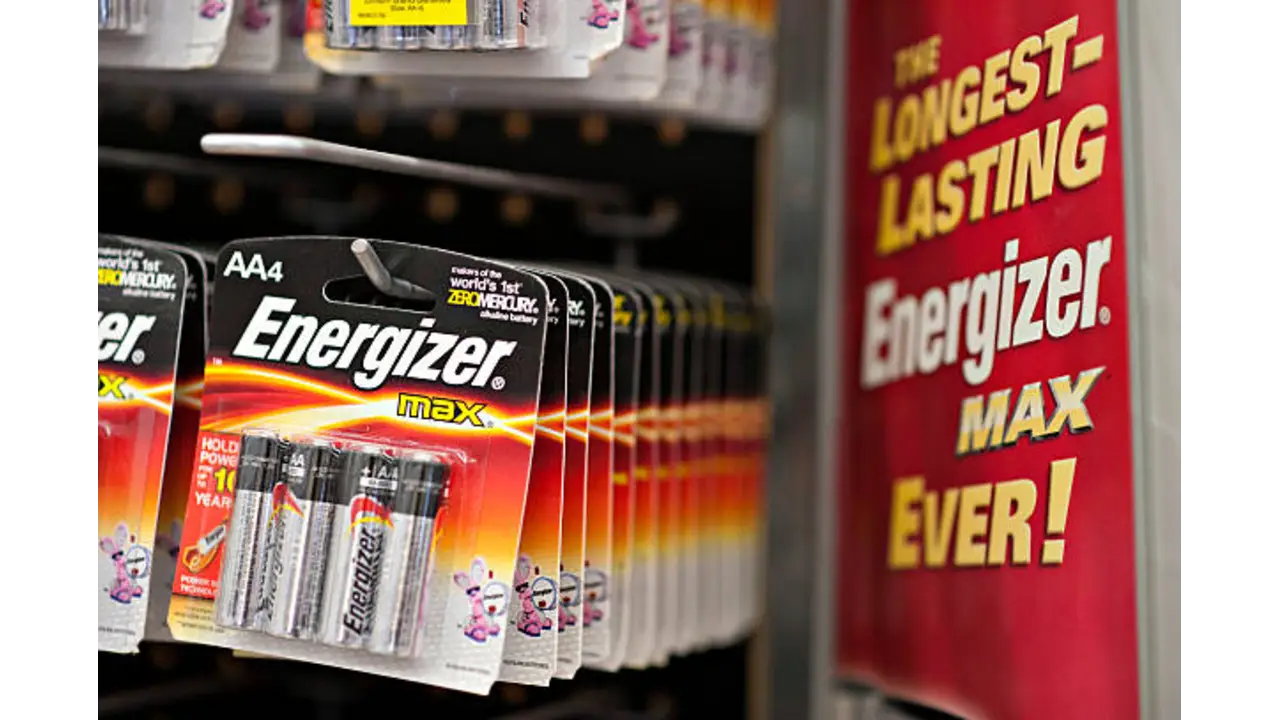
If you manage batteries for POS systems, sensors, or security devices in Qatar, you have probably noticed a pattern: some devices chew through batteries fast, teams replace them repeatedly, and the “real cost” becomes downtime and technician time, not the battery line item itself.
The fix is not always “buy the most expensive option.” It’s choosing the right chemistry for the device drain profile and then protecting that runtime with the right receiving and storage controls.
Energizer bulk procurement Qatar
Why batteries fail faster in high-drain devices
Drain profile basics (simple)
High-drain devices do two things that matter for batteries:
-
They pull more current, more often.
A POS scanner, a wireless scanner, or a security accessory can draw steady power all day, not just occasional bursts. -
They create “pulse loads.”
Some devices spike power briefly (scan + transmit, sensor + radio burst, access control wake-up). Those spikes can expose weak batteries, mixed batteries, or batteries that have been heat-stressed in storage.
Procurement teams do not need to calculate milliamps. You just need to recognize high-drain behavior:
-
constant use (POS peripherals, handheld scanners)
-
frequent transmit (some sensors, access devices)
-
mission-critical uptime (security operations)
Operational impact (downtime + repeated replacements)
The real problems show up operationally:
-
repeated changeouts become routine service work
-
devices fail at inconvenient times (peak retail hours, shift changes, night security rounds)
-
teams start substituting “whatever fits,” which creates SKU chaos across branches
That is why this topic is perfect for beating “price-only” discussions. In most operations, battery spend is small compared to the cost of repeated replacements and device downtime.
When alkaline is the right choice (and when it isn’t)
Alkaline is still the right answer for a lot of Qatar operations, especially when you standardize it and issue it correctly.
Alkaline is a solid choice for
Routine devices with predictable cycles, such as:
-
remotes and basic peripherals
-
wall clocks
-
low-duty sensors (where the device doesn’t transmit constantly)
-
devices with scheduled changeouts (you replace monthly or quarterly on purpose)
From a specification standpoint, Energizer’s Industrial AA alkaline datasheet (EN91) shows a typical alkaline operating temperature range of -18°C to 55°C and a shelf life of 10 years at 21°C.
That is typically sufficient for “baseline” operations when storage is controlled and replacement schedules are realistic.
Alkaline is not ideal when
Alkaline starts creating problems when:
-
the device is high-drain or pulse-heavy
-
you need longer service intervals and cannot afford frequent changeouts
-
devices are exposed to temperature extremes during operation
-
complaints are coming in as “battery doesn’t last,” even though SKUs are correct
One key point: many “alkaline underperformance” complaints are actually process issues (wrong size issued, mixed batteries, or poor storage). Energizer’s own battery care guidance warns against mixing old and new batteries or mixing different types/makes in a device, because it can cause leakage or rupture and create safety/property risk.
So before you upgrade chemistry, make sure your process is clean.
When lithium is worth it (procurement logic)
Lithium is not “better for everything.” It is worth it when the total cost per device-year improves because you reduce changeouts or prevent downtime.
Fewer changeouts
If a device drains batteries quickly and technicians are replacing them often, lithium can make sense because it tends to handle high-drain conditions better and can perform reliably in harsher environments.
Energizer’s AA Ultimate Lithium datasheet (L91) lists:
-
Storage temperature: -40°C to 60°C
-
Operating temperature: -40°C to 60°C
-
Shelf life: 25 years at 21°C
This matters in real operations because:
-
lithium inventory is more forgiving if stored for long periods (when stored correctly)
-
wide operating ranges reduce “surprises” in demanding environments
-
it supports a cleaner “exception tier” strategy (use lithium only where it pays off)
Energizer’s own training material also frames lithium as working great in extreme temperatures and being best for “high tech/high drain devices.”
Reliability-critical devices
Lithium is usually worth it when a failure causes a service incident, such as:
-
security devices where downtime is unacceptable
-
access control components where failure triggers a support ticket immediately
-
POS environments where a dead peripheral impacts sales flow
Procurement logic here is simple:
-
If a replacement is cheap and easy, alkaline baseline is fine.
-
If a replacement creates downtime, escalations, or repeated callouts, lithium can be the smarter total-cost choice.
Device-based recommendations (Qatar ops)
Below are practical decision rules you can use across Doha operations. The goal is to standardize how teams choose batteries, not to debate edge cases.
POS and scanners
Typical reality: high daily usage, frequent transmit, and peak-hour consequences if something dies.
Best practice approach
-
Alkaline baseline for low-to-moderate use peripherals and for environments where changeouts are planned and easy.
-
Lithium exception tier for handheld scanners or critical peripherals that trigger immediate downtime if they fail, especially if your team has repeated “dies too fast” complaints even after process fixes.
Procurement tip: if you switch POS/scanners to lithium, make it a controlled move. Document the device group, the replacement interval you’re targeting, and which branches are included. Otherwise, you will end up with mixed chemistries across sites.
Sensors
Sensors are tricky because “sensor” can mean two very different things:
-
a low-power sensor that transmits occasionally (alkaline or coin cell depending on the model)
-
a device that transmits often or is mission-critical (lithium can be worth it)
Rules that reduce mistakes
-
Follow the device requirement first (especially for specialty batteries).
-
If the device uses coin cells, record and reorder by exact code (CR or LR + size). Energizer’s training material explains that specialty numbers relate to diameter and thickness, which is why “looks similar” substitutions fail.
-
For AA/AAA sensors in demanding use, consider lithium where you want longer service intervals or more stable performance across conditions.
Access control
Access control is a classic “small battery, big consequence” category.
Recommended approach
-
Standardize a baseline alkaline (AA/AAA/9V as applicable) for routine components that are easy to service.
-
Use lithium for access control devices where you want fewer emergency replacements or where devices are exposed to tough conditions during operation.
Operational control that matters most: do not allow technicians to substitute sizes or coin codes “because it fits.” That is how intermittent failures start.
CCTV accessories (where applicable)
Many CCTV systems are powered, but accessories and peripherals can still use replaceable batteries (remotes, small controllers, some add-ons).
Rule of thumb
-
If it’s a simple remote with low drain, alkaline is fine.
-
If the accessory is used heavily or failure creates a security incident, treat it like a reliability device and consider lithium.
Get an Energizer quote for Doha operations
Receiving + storage controls to protect runtime
Even the “right chemistry” performs poorly if your receiving and storage process is loose.
SKU verification (AA vs AAA is the #1 issue)
Do these three checks every time:
-
Verify size on the PO vs outer carton
-
Verify size on the inner pack
-
Sample one unit from the inner pack and confirm size marking
Then store AA and AAA in separate labeled bins so technicians cannot “grab wrong” in a hurry.
Coin code checks (prevents silent failures)
If you stock coin cells for sensors/access devices:
-
Verify the exact code at receiving (CR2032 is not CR2025)
-
Store coin cells by code in separate trays
-
Record coin codes consistently in your ERP/item master
Energizer’s training material spells out how specialty codes map to physical dimensions, reinforcing why accuracy matters.
Storage basics (heat avoidance + FIFO)
This is the simple discipline that protects runtime and reduces complaints:
-
Store batteries in a cool, dry location at room temperature
-
Avoid extreme temperatures
-
Keep batteries in original packaging until use
-
Do not carry loose batteries with metal objects that can short them
-
Apply FIFO (first in, first out)
Those points are stated directly in Energizer’s battery care guidance.
Also, do not mix old and new batteries, or different types/makes, in a single device. It increases risk and creates unreliable performance.
Copy/paste RFQ template (Qatar/Doha)
Use this to get quote-ready responses without multiple follow-ups.
Subject: Energizer RFQ (Doha, Qatar) | Alkaline vs Lithium for High-Drain Devices | AA / AAA / 9V + Coin Cells (if needed)
Company:
City / Area: Doha (add area)
Delivery type: HQ / warehouse / multi-branch split
Receiving hours:
Required timeline: (example: 3–5 working days)
Device types (tick all that apply):
-
POS peripherals / scanners
-
Sensors (type: ________)
-
Access control devices
-
Security devices
-
CCTV accessories (if applicable)
Requested battery program (select one):
A) Alkaline baseline only (routine operations)
B) Alkaline baseline + Lithium exception tier (high-drain / critical devices)
SKU list (quote packs and cartons where applicable):
-
AA alkaline: ______ packs and/or ______ cartons
-
AAA alkaline: ______ packs and/or ______ cartons
-
9V alkaline (if needed): ______ packs and/or ______ cartons
-
AA lithium (exception tier): ______ packs and/or ______ cartons
-
AAA lithium (exception tier): ______ packs and/or ______ cartons
Coin cells (if included, exact code required):
-
CR2032: ______ packs
-
CR2025: ______ packs
-
CR2016: ______ packs
-
LR44 (if required): ______ packs
Notes:
-
Branch-wise labeling required? (Yes/No)
-
Split delivery required? (Yes/No)
-
Any “no substitution” SKUs? (list codes)
Contact person / phone / email:
FAQs
1) Alkaline vs lithium for POS in Qatar: which is better?
Use alkaline for low-to-moderate use peripherals where changeouts are easy and planned. Use lithium when devices are high-use, downtime-sensitive, or repeatedly failing early even after you fix process issues (wrong SKUs, mixed batteries, storage problems). Lithium also supports a wider operating range and long shelf life per Energizer’s L91 datasheet.
2) How can we reduce replacement frequency without overspending?
Do it in this order:
-
fix receiving and SKU controls (AA vs AAA, coin codes)
-
stop mixed battery practices (old + new, mixed types)
-
standardize a baseline alkaline
-
introduce lithium only for device groups where fewer changeouts or higher reliability pays off
3) What details do you need from us to quote correctly for Doha operations?
City/area, delivery type (single vs multi-branch split), receiving hours, timeline, device categories, and your preferred buying unit (packs vs cartons). If coin cells are involved, you must provide exact codes (CR/LR + size).
4) How do we avoid wrong SKUs across branches?
Use a simple control system:
-
one approved SKU list (baseline + exception tier)
-
receiving verification (outer carton, inner pack, sample unit)
-
separate labeled bins for AA and AAA
-
technician kits replenished from stores, not from ad hoc purchases
5) Coin compatibility questions: what is the safest rule?
Do not substitute by appearance. Record and reorder by exact code (CR or LR + size). Energizer’s specialty-number explanation links the code to physical size, which is why “looks similar” substitutions cause problems.
6) Can we mix alkaline and lithium in the same device?
Avoid mixing chemistries or mixing old and new batteries in a device. Energizer’s battery care guidance warns against mixing old/new or different types/makes because it can cause leakage or rupture and create safety/property risk.
7) What’s the cleanest procurement model for Qatar if we want both cost control and reliability?
Use a two-tier program:
-
Tier 1: alkaline baseline for routine devices
-
Tier 2: lithium exception tier for high-drain and reliability-critical device groups (POS/scanners, some security use cases), supported by controlled issuance and storage discipline.
Related Blogs


Bose SoundLink Bluetooth Speaker
£50.00£60.00
Canon's press material for the EOS 5D states that it 'defines (a) new D-SLR category', while we're not typically too concerned
- Availability :In Stock