Locate Our Store
 +971 562162730
 AED
AED SAR
SAR KWD
KWD QAR
QAR BHD
BHD OMR
OMR


Energizer Batteries for Security & Access Control in GCC: A Device-by-Device Technical Guide
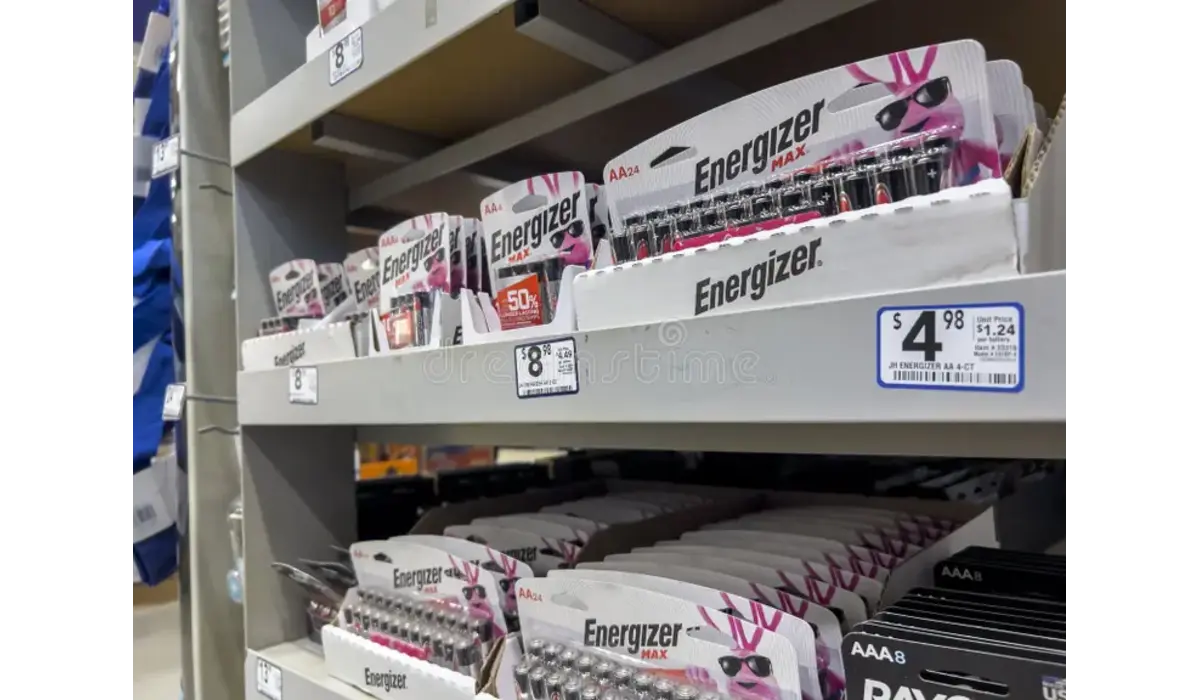
A PIR motion sensor running on the wrong battery will fail at month four instead of month twelve. In a Dubai commercial building, that means a missed alert, a callback, and a client conversation nobody wants to have. The GCC security market is large and growing, and the battery specification decisions made during installation determine whether a system runs reliably or generates a constant stream of preventable service calls.
This guide is written for security system integrators, access control engineers, and FM security managers specifying and installing battery-powered security equipment across the UAE, Saudi Arabia, Qatar, Kuwait, Oman, and Bahrain. It covers the full device inventory, the Energizer Industrial versus Energizer Max decision, when Ultimate Lithium is the right call, and a device-by-device specification table you can use directly in tender documents and installation schedules.
Battery specification for GCC security systems is not complicated once you know the variables. GCC ambient temperature, device drain rate, and access frequency for replacement are the three factors that drive every decision in this guide.
Battery-Powered Security Devices in GCC — The Full Inventory
Modern security installations are more battery-dependent than they were a decade ago. Wireless technology has reduced cabling costs dramatically, and most new-build commercial and residential security projects in Dubai, Riyadh, and Doha now specify wireless or hybrid systems with significant battery-powered device counts.
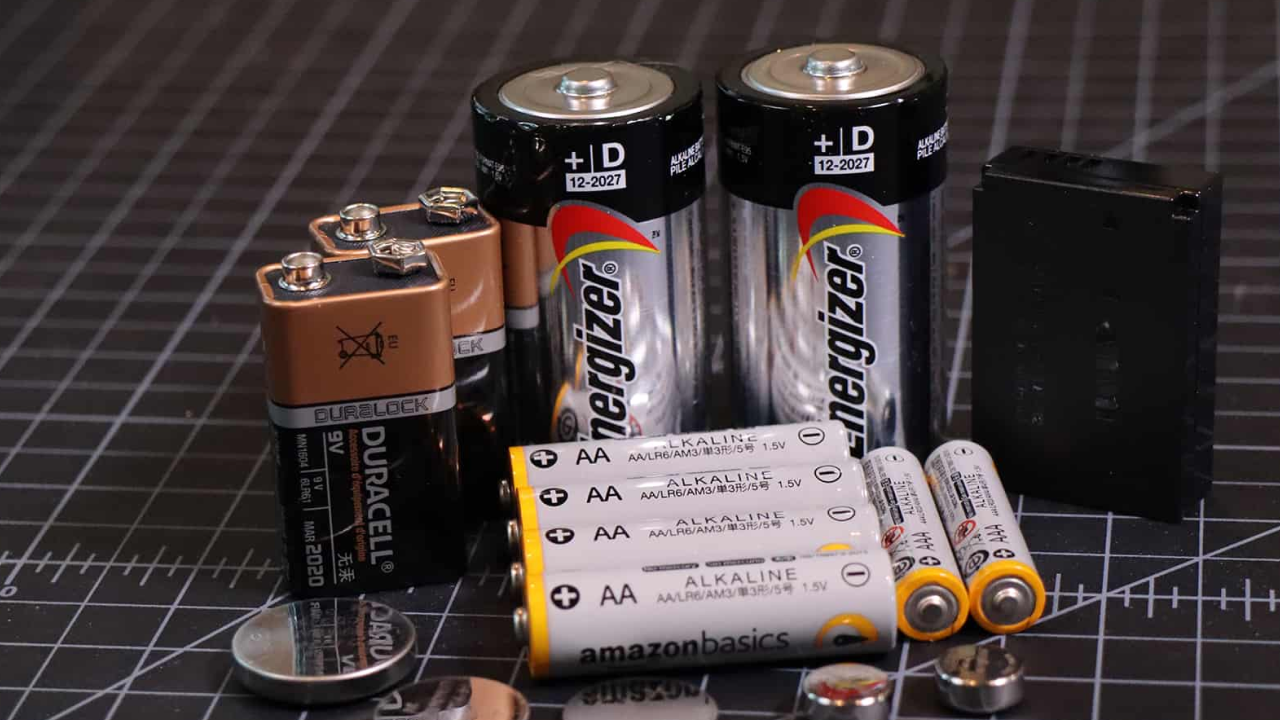
The battery-powered device types you will encounter most frequently in GCC security projects include:
- PIR motion sensors and dual-technology detectors: typically AA or AAA alkaline or lithium
- Wireless CCTV cameras (ring-type and standalone): often CR123A lithium, some AA lithium
- Access control keypads and card readers: AA or AAA, mostly indoor, alkaline sufficient
- Door and window contact sensors: small lithium coin cells (CR2032 most common) or AA/AAA
- Wireless alarm panels and backup units: 9V batteries (EN22 format) or sealed lead acid backup
- Smoke and heat detectors: 9V alkaline (EN22) or lithium 9V for extended life
- CO2 and gas sensors: AA or 9V depending on manufacturer specification
- Emergency call points and panic buttons: AA alkaline, accessed infrequently
- Wireless intercoms and video doorbell units: CR123A or AA lithium for outdoor units
The device list above covers the majority of GCC security installations. Each device type has a correct battery specification based on drain rate, environment, and replacement accessibility. The sections below work through the critical decisions.
Energizer Industrial vs Energizer Max — Which for Security Applications?
This is the question GCC security engineers ask most often, and the answer is straightforward once you understand what separates the two product lines.
Energizer Max is Energizer's consumer alkaline range, sold in retail packs designed for household use. It performs well in low-to-medium drain devices with moderate temperature exposure. In a UAE supermarket, it is the right product. On a security installation, it is the second-best choice.
Energizer Industrial (model codes EN91 for AA, EN92 for AAA, EN22 for 9V) is designed specifically for professional and commercial use. The performance differences that matter for security installations are:
|
Performance Factor |
Energizer Max |
Energizer Industrial |
|
Shelf life |
Up to 10 years (sealed) |
7 years (but bulk carton format — better for site stock management) |
|
Temperature range |
Standard consumer range |
Engineered for commercial/industrial environments |
|
Pack format |
Retail blister packs |
Bulk carton (24 or 144 units) — no retail packaging waste on site |
|
Batch traceability |
Consumer retail stock |
Batch documentation available for audited installations |
|
Cost at volume |
Higher per unit at volume |
Lower per unit in carton quantities |
|
For GCC security use |
Acceptable for indoor, low-drain devices |
Recommended for all professional security installations |
For any installation where documentation, batch traceability, or volume efficiency matters, specify Energizer Industrial as your standard. Reserve Energizer Max for occasional site top-ups when Industrial stock is unavailable.

Energizer Ultimate Lithium — When Does It Beat Alkaline for Security?
Energizer Ultimate Lithium (AA and AAA) is significantly more expensive per unit than Industrial alkaline. For most indoor security devices in a climate-controlled GCC building, the price premium is not justified. For outdoor security devices and high-drain applications in the GCC climate, it frequently is.
The three situations where Ultimate Lithium outperforms Industrial alkaline for security applications:
Outdoor Devices in Direct Sun or Heat Exposure
GCC ambient temperatures in direct sun routinely exceed 55 degrees C in summer months. Alkaline batteries lose capacity significantly above 40 degrees C. An Energizer Industrial AA battery that delivers 12 months of service life in an indoor PIR sensor may deliver four to six months in an outdoor sensor mounted on a south-facing wall in Riyadh. Energizer Ultimate Lithium maintains performance across a wider temperature range, delivering consistent output in conditions that degrade alkaline chemistry.
High-Drain Devices with Infrequent Service Access
Wireless CCTV cameras with motion-triggered recording, high-sensitivity PIR sensors in active commercial corridors, and video doorbell units are high-drain devices. In these applications, the longer service life of Ultimate Lithium reduces replacement frequency. For devices in locations with difficult access (rooftop installations, exterior mounting points more than four metres off the ground), fewer replacements is a genuine operational benefit.
Critical Applications with Zero Tolerance for Battery Failure
Some GCC clients, particularly in financial services, government buildings, and data centres, specify zero-tolerance for battery-related security system downtime. For these sites, Ultimate Lithium in critical detection devices provides a longer and more predictable service life than alkaline alternatives, reducing the probability of a battery failure between scheduled maintenance visits.
A practical specification rule: default to Energizer Industrial for all indoor security devices, specify Ultimate Lithium for outdoor devices and for any device in direct GCC sun exposure or temperature extremes above 45 degrees C.
|
Need Energizer Industrial or Ultimate Lithium for a GCC security project? Sea Wonders stocks both lines and ships from Bur Dubai to all GCC markets. Bulk carton supply with batch documentation available for audited security installations. WhatsApp +971 56 216 2730. Quote within 2 hours. |
Device-by-Device Battery Specification Guide (PIR, CCTV, Access Control, Alarms)
The table below covers the most common battery-powered security devices in GCC installations, with recommended Energizer specification for each. Use this directly as a specification reference for tender documents and installation schedules.
|
Device Type |
Battery Size |
Recommended Energizer Line |
Expected Service Life (Indoor GCC) |
Notes |
|
PIR motion sensor |
AA |
Energizer Industrial EN91 |
10-14 months |
Upgrade to Ultimate Lithium for outdoor or high-traffic locations |
|
Dual-tech detector (PIR + microwave) |
AA |
Energizer Industrial EN91 |
8-12 months |
Higher drain than single PIR — monitor first cycle |
|
Wireless access control keypad |
AA or AAA |
Energizer Industrial EN91 / EN92 |
12-18 months |
Indoor, low drain — Industrial alkaline fully sufficient |
|
Card/fob reader (wireless) |
AA |
Energizer Industrial EN91 |
12-18 months |
Consistent low drain; infrequent replacement cycle |
|
Door/window contact sensor |
CR2032 coin cell or AA |
Energizer CR2032 or Industrial EN91 |
24-36 months (coin cell) |
Confirm manufacturer spec — many use coin cells |
|
Wireless CCTV camera (ring-type) |
CR123A lithium |
Energizer CR123A |
6-12 months depending on trigger frequency |
CR123A is specialist lithium — confirm stock availability |
|
Smoke detector |
9V |
Energizer Industrial EN22 |
12 months (replace annually) |
DEWA and local codes specify annual 9V replacement in fire alarm devices |
|
CO2 / gas sensor |
AA or 9V |
Energizer Industrial EN91 / EN22 |
10-14 months |
Check manufacturer drain rating — some CO2 sensors are high drain |
|
Alarm control panel (backup) |
9V |
Energizer Industrial EN22 |
12-18 months |
Often used as backup power for panel memory — check panel spec |
|
Wireless panic button / call point |
AA |
Energizer Industrial EN91 |
18-24 months |
Very low drain; infrequent use; long life expected |
|
Video doorbell (outdoor) |
CR123A or AA lithium |
Energizer CR123A or Ultimate Lithium AA |
4-8 months |
Outdoor, high drain, GCC heat: lithium required |
This table is based on standard GCC indoor commercial environments. Outdoor installations, high-temperature locations, and high-trigger-frequency devices will reduce the service life estimates. Add a 20 per cent buffer when estimating battery consumption for project planning.

Outdoor vs Indoor Security Devices: GCC Climate Considerations
The GCC climate creates a clear division in battery specification for security systems that does not exist in most other markets. Indoor, climate-controlled commercial buildings in Dubai or Riyadh are standard environments for battery performance. Outdoor installations, roof-mounted devices, and perimeter security equipment operate in a different world.
Summer ambient temperatures in the GCC routinely reach 45 to 50 degrees C in shade. On south-facing walls, rooftop equipment enclosures, and unventilated outdoor housings, temperatures can exceed 60 degrees C. Alkaline battery chemistry degrades measurably above 40 degrees C: internal resistance increases, available capacity decreases, and leakage risk rises.
|
Installation Environment |
Temperature Range |
Recommended Battery Line |
Key Risk if Wrong Battery Used |
|
Indoor, climate-controlled |
18-25 degrees C |
Energizer Industrial alkaline |
None — standard alkaline fully adequate |
|
Indoor, non-AC (plant rooms, roof service areas) |
30-45 degrees C |
Energizer Industrial alkaline or Ultimate Lithium |
Reduced service life — monitor first cycle and adjust schedule |
|
Outdoor, shaded mounting |
30-50 degrees C |
Energizer Ultimate Lithium |
Premature failure — alkaline not reliable above 40 degrees C |
|
Outdoor, direct sun / south-facing |
45-65 degrees C |
Energizer Ultimate Lithium only |
Alkaline battery failure within 2-4 months, possible leakage |
|
Coastal (humidity + heat) |
35-50 degrees C with high humidity |
Energizer Ultimate Lithium |
Corrosion risk compounds heat degradation in alkaline batteries |
Specifying the wrong battery for an outdoor GCC security device is not just a service call problem. A leaking battery can damage a device housing and void manufacturer warranty. On SIRA-certified security installations in the UAE, equipment damage caused by incorrect consumable specification creates a compliance and liability issue.
Battery Replacement Schedules for GCC Security Systems
Battery replacement schedules for security systems in the GCC need to account for climate, device drain, and the cost of unplanned service visits. A replacement schedule that works in a European temperate climate will leave you with premature failures if applied unchanged to a Dubai or Riyadh installation.
A practical replacement schedule framework for GCC security systems:
|
Device Category |
Recommended Replacement Frequency (GCC Indoor) |
Recommended Frequency (GCC Outdoor/High Drain) |
|
PIR sensors (standard) |
Annual |
Every 6 months |
|
Access control readers and keypads |
Every 18 months |
Annual (if any outdoor exposure) |
|
Smoke and CO2 detectors (9V) |
Annual (regulatory standard in many GCC markets) |
Annual |
|
Door/window contacts (coin cell) |
Every 2 years |
Annual |
|
Wireless CCTV (CR123A) |
Every 6-12 months |
Every 4-6 months |
|
Alarm panels and backup batteries |
Annual |
Annual |
|
Video doorbells (outdoor) |
Every 4-6 months |
Every 3-4 months |
Building replacement schedules into your FM service contract at installation stage rather than waiting for failure alerts reduces service call frequency, improves client satisfaction, and gives you predictable battery volume requirements for procurement planning.
|
Setting up a recurring battery supply for GCC security maintenance contracts? Sea Wonders supports scheduled monthly or quarterly drops of Energizer Industrial and lithium batteries to UAE, Saudi Arabia, Qatar, Kuwait, Oman, and Bahrain. Consistent SKUs, bulk cartons, and proper documentation. WhatsApp +971 56 216 2730. |
Battery Documentation for Audited and Critical Security Sites
SIRA-certified security companies in the UAE and their equivalents in Saudi Arabia, Qatar, and Kuwait operate under regulatory frameworks that require documented supply chains for critical installations. Clients in financial services, government, data centre, and critical infrastructure sectors routinely ask for battery documentation as part of their supplier qualification and audit processes.
The documentation package you should be able to request from an approved battery supplier for audited security sites includes:
- Product specification sheets (Energizer Industrial EN91, EN92, EN22, CR123A): confirms performance ratings, temperature range, and shelf life as specified in your tender document
- Certificate of Origin (UAE): confirms the supply chain provenance of the batteries for client audit purposes
- Batch reference information: batch codes that can be recorded against installation records for traceability
- VAT-compliant commercial invoice: required for UAE client audit trails and finance reporting
- UN38.3 compliance documentation: required for lithium battery types (Ultimate Lithium AA/AAA, CR123A) for transport and some client procurement policies
Not every battery supplier in the GCC can produce this documentation package. Grey market traders and informal suppliers operating through Deira or parallel import channels typically cannot provide COO documentation or batch traceability. For audited security sites, an authorized distributor is not optional.
CR123A Batteries: The Specialist Security Battery Most Buyers Overlook
CR123A is a 3V lithium cylindrical battery used in a range of professional security devices that most integrators encounter regularly: ring-type wireless cameras, high-performance tactical torches, some laser rangefinders, and a growing number of smart lock and access systems. It is less familiar than AA or 9V, but it is not a specialist or hard-to-source format if you know where to buy it.
The CR123A is a lithium primary cell, which means it is not rechargeable and delivers a stable 3V output throughout its discharge cycle. The flat discharge curve is one reason it is specified for wireless cameras and high-drain security devices where voltage consistency matters. An alkaline AA starts at 1.5V and gradually declines; a CR123A maintains 3V until near depletion.
|
Specification |
CR123A |
|
Voltage |
3V lithium |
|
Diameter x Length |
17mm x 34.5mm |
|
Chemistry |
Lithium Manganese Dioxide (LiMnO2) |
|
Typical capacity |
1,500 mAh |
|
Shelf life |
10 years |
|
Temperature range |
-40 degrees C to +60 degrees C |
|
Common applications |
Wireless CCTV, video doorbells, tactical torches, high-drain smart locks |
|
Energizer model |
EL123AP |
CR123A batteries are not available through most standard battery retail channels in the GCC at volume. For security integrators who need carton quantities with batch documentation, an authorized distributor with confirmed CR123A stock is the correct procurement route. Confirm stock availability before specifying CR123A devices on large projects.
FAQ — GCC Security Battery Procurement
What battery should I specify for PIR motion sensors on a GCC security installation?
Energizer Industrial AA (EN91) is the standard specification for indoor PIR sensors in the GCC. For outdoor PIR sensors or devices in direct sun exposure, specify Energizer Ultimate Lithium AA. The performance difference in temperatures above 45 degrees C is significant and directly affects service life.
Should access control keypads use alkaline or lithium batteries?
For indoor access control keypads and card readers, Energizer Industrial alkaline AA or AAA is sufficient and cost-effective. These are low-drain, climate-controlled devices with predictable replacement cycles. Lithium is only necessary for outdoor access control equipment in high-temperature environments.
When should I specify Energizer Industrial versus Energizer Max for a security installation?
Specify Energizer Industrial for all professional security installations. Energizer Industrial (EN91 AA, EN92 AAA, EN22 9V) comes in bulk carton format with batch documentation availability, which is essential for audited and SIRA-certified sites. Energizer Max is a retail product without carton-format supply or documentation support for professional installations.
What is the difference between Energizer Ultimate Lithium and Energizer Industrial for security use?
Energizer Industrial is an alkaline battery engineered for professional use, suited to indoor security devices in standard GCC commercial environments. Energizer Ultimate Lithium is a lithium primary cell with a wider temperature range, longer service life in high-drain devices, and better performance above 40 degrees C. Specify Industrial for indoor devices, Ultimate Lithium for outdoor and high-drain applications.
What battery does a wireless CCTV camera need in the GCC?
Most ring-type and standalone wireless CCTV cameras specify CR123A lithium batteries. This is a 3V cylindrical lithium cell, not a standard AA or AAA. Confirm the manufacturer specification before purchasing. CR123A is not widely available in retail formats in the GCC at volume; source from an authorized distributor with confirmed carton stock.
How often should I replace batteries in outdoor security devices in the GCC?
Even with Energizer Ultimate Lithium, outdoor security devices in the GCC should be on a six-monthly replacement schedule as a starting point. High-drain devices like wireless cameras and video doorbells in active locations may need replacement every three to four months. Track actual consumption on the first project cycle and adjust the schedule based on real usage data.
What documentation should I request from a battery supplier for SIRA-certified security sites?
Request: product specification sheets for each Energizer line specified, Certificate of Origin (UAE), batch reference information, VAT-compliant commercial invoices, and UN38.3 compliance documentation for any lithium battery types. An authorized distributor should provide all of these as part of their standard commercial package.
Does Sea Wonders supply CR123A batteries for GCC security projects?
Yes. Sea Wonders stocks Energizer CR123A and ships to all GCC markets from Bur Dubai. Carton quantities available with full documentation. WhatsApp +971 56 216 2730 with your project quantity and delivery location.