Locate Our Store
 +971 562162730
 AED
AED SAR
SAR KWD
KWD QAR
QAR BHD
BHD OMR
OMR


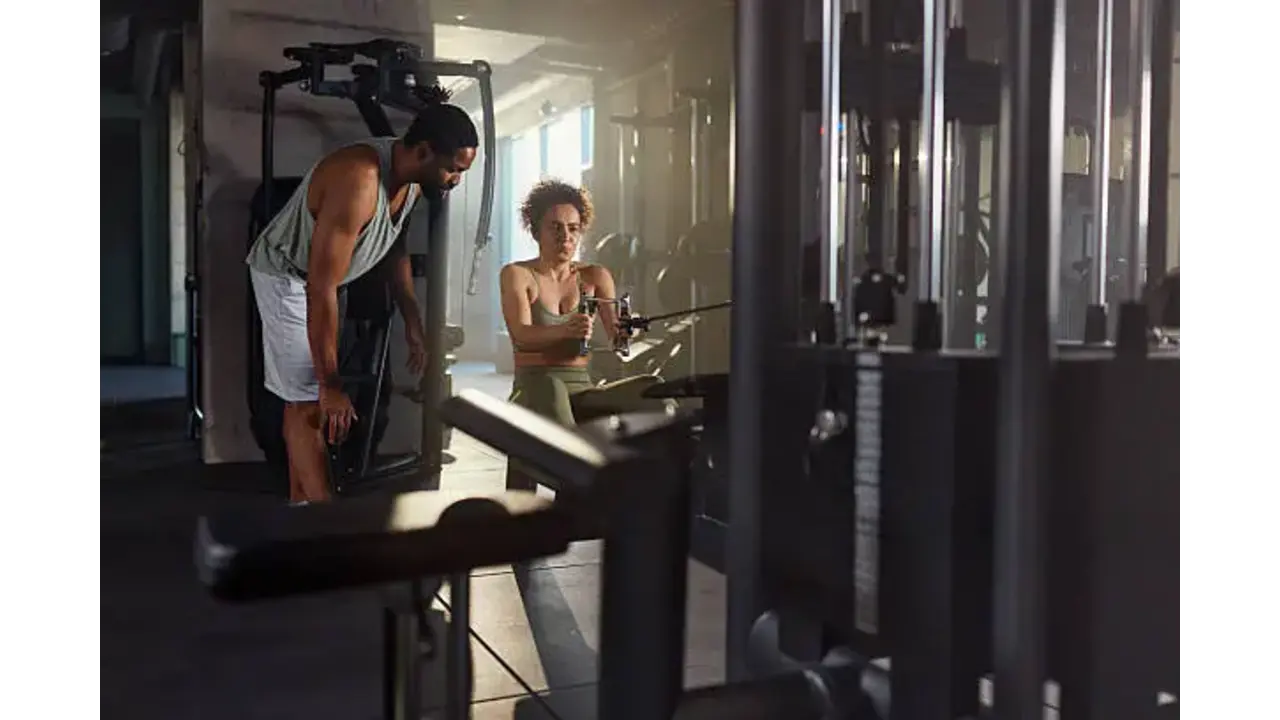
Customer story: how Ali in Abu Dhabi transformed his fitness with a rowing machine
Introduction
Ali’s routine in Abu Dhabi reflected a familiar pattern among office workers who spend long hours at a desk and rely on short commutes between air-conditioned environments. Limited movement, frequent fatigue, and an increasing feeling of physical stagnation shaped his daily rhythm. Traditional gym visits offered temporary motivation, yet scheduling, travel time, and crowding minimized consistency. The shift began when a home-based rowing machine entered his living space, creating a practical anchor for fitness that aligned with the pace of life in the city.
Indoor rowing created conditions for steady change. The equipment accommodated a beginner’s pace, allowed short sessions during early mornings or late nights, and delivered measurable improvements without requiring extensive space. Repetition built familiarity, and familiarity led to routine. The decision to adopt a rowing machine aligned with the need for convenience, privacy, and a controlled indoor environment well suited to Abu Dhabi’s climate.
This transformation formed through small, steady actions rather than dramatic lifestyle shifts. Ali gained confidence as sessions became easier, breathing control improved, and his endurance expanded. The rowing machine functioned as more than a fitness tool. It served as a stable habit platform for someone navigating work demands, family responsibilities, and the temperature constraints of the region. His story illustrates how an accessible piece of home-gym equipment can shape lasting change when physical demands, environmental factors, and personal motivations intersect effectively.
Key Takeaways / TLDR
• Rowing at home fit the practical needs of an Abu Dhabi lifestyle with limited commuting and flexible scheduling.
• Fitness improvements developed through consistent short sessions supported by beginner-friendly mechanics.
• Indoor rowing addressed space, privacy, and climate constraints common among UAE home-gym users.
• The transformation resulted from sustainable habit formation rather than sudden dramatic change.
Meet Ali — background, motivations, and initial challenges
Ali lived in a mid-sized apartment in Abu Dhabi, balancing professional demands with limited free time. Physical activity dropped gradually as responsibilities increased, creating long periods of sitting and minimal structured exercise. Prior attempts at joining gyms produced short bursts of enthusiasm but lacked regularity due to commuting distance, unpredictable work hours, and discomfort with crowded spaces.
Motivation shifted when health indicators began showing early warning signs common among sedentary office workers. Fatigue increased, posture weakened, and mild weight gain accumulated over several months. The need for a practical solution grew stronger, driven by a desire for stability rather than intense high-performance goals. A home-based approach began to appear more realistic than repeated attempts at restarting gym memberships.
Several challenges shaped the early stages of Ali’s fitness journey. Space limitations required equipment that fit into a living area without disrupting daily movement. Climate conditions meant outdoor activities offered only small seasonal windows, so indoor consistency mattered. Learning a new form of exercise also created uncertainty, particularly regarding technique, injury prevention, and workout pacing. These challenges formed the baseline conditions that guided Ali toward a machine capable of delivering low impact, full-body engagement, and structured progression without demanding athletic experience.
Rowing presented an appealing combination of controllable resistance, rhythm-based movement, and minimal joint stress. It matched the physical requirements of a beginner who needed gradual adaptation and provided a clear path toward meaningful improvement. The balance between accessibility and effectiveness became the primary motivator for selecting this specific equipment category for a home-gym setup in a UAE apartment.
Why a rowing machine? Understanding the appeal for home-gym buyers in the UAE
Rowing machines provide a type of workout that connects cardiovascular conditioning with coordinated upper and lower body effort. This integration supports sustained calorie expenditure, improved posture, and progressive endurance without requiring high technical exertion. For many beginners in the UAE, the equipment’s structure offers a straightforward entry point to regular training. The seated position, sliding motion, and adjustable resistance allow gradual adaptation that supports diverse fitness levels.
Rowing machines contain several functional attributes that shape their appeal for home use in regions with warm climates. Key attributes include:
• Low noise output for shared apartment environments.
• Compact storage dimensions for limited floor areas.
• Smooth mechanical motion that minimizes joint strain.
• Controlled intensity suitable for quick indoor sessions.
• Consistent performance regardless of outdoor temperature.
The category contains multiple resistance types, each with unique characteristics that influence suitability for UAE homes. This comparison clarifies distinctions:
|
Resistance type |
Core traits |
Home suitability factors |
|
Water |
Natural fluid resistance and steady rhythm |
Pleasant sound, moderate footprint, stable feel |
|
Air |
Variable resistance based on stroke speed |
Increased airflow, adaptable intensity |
|
Magnetic |
Quiet operation and consistent resistance |
Strong fit for apartments due to low noise |
|
Hydraulic |
Compact size and simple mechanics |
Space efficient for small rooms |
|
Interactive |
Digital programs and guided sessions |
Supports structured workouts for beginners |
For residents seeking predictable indoor routines, a rowing machine combines accessibility with effectiveness. It supports short, frequent training blocks that align with daily living patterns in Abu Dhabi while delivering measurable progress in stamina, strength, and calorie expenditure. 
Setting up at home in Abu Dhabi — space, climate, and lifestyle considerations
Many residents in Abu Dhabi rely on indoor environments for daily activities due to temperature shifts and long months of intense heat. These conditions influence how home-gym equipment fits into apartments or villas. A rowing machine becomes practical when space, airflow, noise levels, and accessibility receive careful attention. The placement of the machine contributes to workout consistency, since convenience often determines whether training blends naturally into daily routines.
Most rowing machines accommodate compact layouts, yet evaluating room dimensions remains important. A typical living space or spare room can host the equipment if there is a clear line for the slide rail and enough clearance for fluid arm movement. Folding or upright storage designs help households where multifunctional rooms serve both everyday activities and fitness use. Residents in tower apartments often prefer magnetic or hydraulic models due to their quieter operation, which helps maintain a calm environment for neighbors.
Climate plays a meaningful role. Temperature and humidity levels influence maintenance requirements, indoor comfort, and equipment longevity. Regular air-conditioning supports consistent indoor workouts without heat-induced fatigue, and a balanced airflow helps control perspiration and moisture accumulation. Light dust from open windows or balcony airflow can settle on moving parts, so periodic wiping of the rail and handle mechanism keeps performance stable. These conditions create a predictable training space that supports habit formation during peak summer months when outdoor workouts feel impractical.
Daily schedules in Abu Dhabi vary across professions, prompting many individuals to exercise in early mornings or late evenings. A rowing machine in the home accommodates these timeframes without travel or preparation delays. The ability to perform short sessions enables a balanced routine for individuals managing long workdays, family responsibilities, or shifting schedules. Privacy also matters, especially for those who prefer exercising without crowded gym settings. A home-based rowing machine supports focused training without external distractions, allowing a beginner to refine technique and increase stamina at a comfortable pace.
These combined considerations form the practical foundation for Ali’s training environment. The decision to establish a dedicated indoor area reflected real constraints and opportunities linked to local living patterns, building design, and climate realities.
The journey: From first session to consistent habit — timeline and progression
Ali’s progress unfolded through distinct phases that reflect how a beginner typically adapts to rowing at home. The early weeks centered on learning the motion pattern and gaining confidence. Initial sessions lasted between five and ten minutes because muscular coordination and breathing control required adjustment. Short intervals helped reduce fatigue and allowed repetition to cement a smoother stroke cycle. These early steps addressed concerns about form, posture alignment, and knee positioning, which often challenge new users.
By the second month, Ali began following a weekly structure that balanced short steady rows with brief intervals. This stage introduced a more deliberate schedule that fit around morning routines and post-work evenings. The process mirrored a progressive adaptation curve. Breathing rhythm improved, stroke transitions became more controlled, and endurance increased noticeably. Results became visible in everyday life, such as walking greater distances with less exertion or maintaining better posture during work hours.
The following list outlines the progression pattern that shaped Ali’s training development:
-
Technique familiarization: rehearsing catch, drive, finish, and recovery.
-
Breath and pace control: maintaining moderate-intensity strokes for several minutes.
-
Routine formation: scheduling three to four weekly sessions.
-
Intensity variation: incorporating brief intervals at higher resistance.
-
Endurance building: extending steady sessions beyond ten minutes.
-
Strength gains: stabilizing core muscles and reducing strain on knees and lower back.
By the fourth to sixth month, rowing became a regular fixture of Ali’s weekly schedule. Stamina gains enabled longer sessions, and the steady rhythm of the machine created a sense of predictability helpful for maintaining motivation. Personal metrics improved gradually. Heart rate recovery shortened, perceived exertion declined during moderate efforts, and daily mobility increased. These changes emerged not from extreme training but from consistent repetition aligned with realistic lifestyle demands.
Results and benefits experienced: Quantitative, qualitative, and lifestyle impact
Ali’s experience reflected how indoor rowing supports measurable and experiential improvements when adopted consistently. The physical changes developed steadily across several categories. Cardiovascular endurance showed meaningful progress as rowing engages multiple major muscle groups at once. Sustained sessions helped strengthen the back, legs, and core, supporting posture during long workdays. Joint comfort improved because the sitting position and guided slide motion minimized impact forces commonly associated with running or high-impact workouts. These developments formed the physiological base of Ali’s transformation.
Quantitative markers appeared gradually. Resting heart rate shifted downward, signaling improved aerobic capacity. Moderate-intensity efforts generated lower perceived exertion over time, while caloric expenditure during sessions contributed to gradual reshaping of body composition. Increased muscle engagement in the legs and upper back supported better structural alignment, reducing the physical fatigue that once accumulated through desk-bound routines.
The rowing machine also influenced Ali’s mental well-being. Regular sessions created a predictable routine that offered relief from work-related pressure. The rhythmic movement encouraged focus, providing a brief period of isolation in a controlled indoor environment. Time savings formed a substantial lifestyle improvement. Eliminating travel to and from a gym freed additional hours each week, which supported better sleep patterns and a more balanced schedule.
A comparison of Ali’s benefits across key categories appears in the table below:
|
Category |
Improvements observed |
Underlying factors |
|
Longer steady sessions, quicker recovery |
Full-body aerobic demand, consistent training frequency |
|
|
Muscular strength |
Stronger back and leg engagement |
Repeated drive-phase force and core stabilization |
|
Posture and mobility |
Reduced slouching and stiffness |
Strengthened posterior chain and better spinal alignment |
|
Mental well-being |
Lower stress, improved focus |
Rhythmic motion and private indoor setting |
|
Time and lifestyle |
Greater flexibility in scheduling |
Home setup, no commute, short-session capability |
Challenges faced and how they were overcome — realistic home-gym story
Ali encountered several obstacles that commonly affect beginners who introduce a rowing machine into a domestic environment. The first challenge related to spatial organization. The equipment needed a stable zone that did not interfere with daily movement inside a mid-sized Abu Dhabi apartment. Experimentation with room layout eventually identified a section near a window that provided natural ventilation and sufficient clearance for the slide rail. This placement removed the daily inconvenience of repositioning the machine, which helped sustain consistent training.
Motivation formed the second challenge. Early enthusiasm can fade once the novelty wears off, especially when workdays stretch late into the evening. Ali mitigated this by creating predictable micro-sessions. Rowing for five to eight minutes on busy days maintained continuity without demanding extended effort. These short sessions protected habit formation and prevented long gaps that could disrupt progress. Tracking session duration and stroke count supplied immediate feedback, reinforcing the sense of progress necessary to maintain commitment.
The third challenge involved mastering technique. New rowers often struggle with coordinating the catch, drive, finish, and recovery phases. Ali addressed this uncertainty by breaking the motion into stages. Slow, controlled strokes helped refine posture, while moderate resistance settings ensured the movement stayed smooth. By focusing on balance between leg drive and upper-body engagement, he reduced the risk of strain in the lower back and knees.
Maintenance and climate also required attention. Humidity and dust accumulation occur frequently in Abu Dhabi, so periodic wiping of the rail, seat rollers, and handle assisted in preserving performance. Light lubrication at recommended intervals prevented friction buildup. These small actions protected the machine’s durability and ensured steady operation during long summer months when indoor training replaced outdoor activity.
Each challenge shaped the experience into a sustainable routine. The gradual refinement of technique, strategic placement of the machine, practical scheduling, and simple maintenance practices formed the structural support that allowed Ali to continue progressing without unnecessary setbacks.
Why a rowing machine from Sea Wonders made a difference
The decision to purchase a rowing machine from Sea Wonders introduced several advantages specific to home-gym users in the UAE. Build quality played a significant role. The machine delivered stable resistance and reliable mechanical motion suitable for beginners who needed consistency during early adaptation. The frame structure supported smooth sliding performance, which reinforced technique development and reduced hesitation during longer sessions.
The equipment’s dimensions and storage capabilities aligned with the requirements of Abu Dhabi apartment layouts. A compact footprint and upright storage option simplified room arrangement, creating an accessible fitness zone without occupying valuable floor space. Quiet operation supported early-morning and late-evening sessions, which fit common working schedules in the region. This quiet performance proved important in multi-unit residential buildings where noise can disrupt neighbors.
Sea Wonders’ delivery and installation services contributed to the experience by simplifying setup. Timely delivery, careful positioning, and initial checks ensured the machine functioned correctly from the first use. Local availability of replacement parts and customer support reduced concerns about long-term maintenance. The presence of a regional supplier provided reassurance for buyers who prefer equipment with reliable after-sales communication.
Several product attributes shaped Ali’s continued engagement:
• Adjustable resistance suitable for progressive training.
• Smooth rail movement for stable stroke cycles.
• Ergonomic handle and seat design that supported posture.
• Sturdy frame capable of handling frequent use.
• Clear performance metrics that encouraged tracking.
These features combined practicality with durability, creating a favorable environment for daily exercise. For many UAE residents, the reliability of equipment and locally supported service networks determine whether a home-gym investment pays off. The rowing machine from Sea Wonders provided that reliability, giving Ali a dependable platform for consistent indoor training throughout the year. 
Practical advice for UAE residents considering home-gym rowing
Several considerations help residents determine whether a rowing machine suits their living space and fitness routine. The first factor relates to room layout. Identifying a location with at least two meters of linear space ensures the rail can accommodate a full stroke. Folding designs assist households that require flexible, shared-use areas. A stable surface, clear of rugs that may shift during movement, supports secure operation.
Climate management also influences the experience. Indoor workouts during the warmer months feel more comfortable with consistent air-conditioning. Ventilation helps regulate humidity, which protects metal components from moisture accumulation. Regular cleaning of the rail and handle mechanism prevents dust buildup, especially in apartments located near busy roads or open balcony areas.
Beginners benefit from a structured schedule. A sample weekly plan may include:
• Two steady sessions of eight to twelve minutes.
• One interval-focused session with short bursts of higher effort.
• One technique session emphasizing slow, controlled movements.
This schedule balances endurance development with skill refinement. Gradual progression reduces the likelihood of fatigue or strain while maintaining momentum. Monitoring stroke rate, distance, and duration encourages engagement and provides clear indicators of improvement.
Safety practices support long-term use. Warm-up movements help prepare the joints and muscles. Maintaining a neutral spine prevents undue pressure on the lower back. Stretching after sessions assists recovery and preserves flexibility. Individuals with prior joint concerns may select lower resistance settings to prioritize smooth motion.
FAQs
Is a rowing machine practical for small apartments in Abu Dhabi?
A rowing machine fits comfortably in many apartments when the available linear space is measured before purchase. Folding or upright-storage designs help keep shared living areas clear when the equipment is not in use. Quiet magnetic or hydraulic resistance systems work well in multi-unit residences where noise control is important.
How does the cost compare with a gym membership in the UAE?
Gym memberships in Abu Dhabi often include enrollment fees and monthly dues that accumulate across the year. A rowing machine requires a single upfront payment and minor maintenance. For individuals training three to four times per week at home, the long-term cost typically becomes lower than repeated membership renewals and daily travel expenses.
Does indoor rowing work effectively in a warm and humid climate?
Indoor rowing performance remains consistent in climate-controlled environments. Air-conditioning supports longer sessions without heat-related fatigue, while moderate ventilation limits humidity buildup around the machine. Basic maintenance such as wiping the rail and dusting the frame helps preserve functionality during summer months.
How long does it take for a beginner to notice physical changes?
Beginners often observe small improvements in breathing rhythm and stamina within two to three weeks of regular training. Noticeable changes in posture, core strength, and endurance typically appear between the second and third month when sessions become more consistent.
What type of maintenance does a rowing machine need in the UAE?
Light maintenance includes cleaning the rail, checking the rollers, wiping the handle, and ensuring dust does not accumulate around the resistance mechanism. These actions help protect moving parts from debris common in urban environments. Periodic inspection of screws and joints prevents looseness from developing over time.
Is rowing suitable for individuals with joint concerns or limited exercise experience?
Rowing supports low-impact movement patterns that reduce stress on knees and ankles, making it suitable for beginners and individuals with mild joint sensitivities. The seated position and smooth sliding motion allow controlled effort while still engaging major muscle groups.
Conclusion
Ali’s experience reflects how accessible equipment, realistic expectations, and consistent scheduling can produce sustainable fitness progress in Abu Dhabi. The rowing machine created a stable indoor activity that matched the city’s climate and the demands of a busy professional lifestyle. Regular sessions helped establish better cardiovascular endurance, stronger posture, and improved daily energy levels. The convenience of training at home eliminated common barriers such as travel time, crowded environments, and unpredictable scheduling.
The equipment from Sea Wonders supported this transformation through reliable build quality, manageable storage options, and responsive resistance settings suitable for gradual progression. Local delivery and customer support created the confidence needed to maintain long-term training. The steady improvements Ali experienced illustrate why rowing machines appeal to UAE residents who value privacy, efficient workouts, and durable home-gym solutions.
Individuals considering indoor rowing can benefit from evaluating space, climate, and scheduling requirements. Incorporating short, frequent sessions and maintaining simple equipment care practices helps protect consistency. With the right setup and expectations, a rowing machine becomes more than a fitness tool. It becomes a dependable part of daily routine capable of delivering lasting physical and lifestyle benefits for residents across the UAE.
Related Blogs