
 Locate Our Store
 +971 562162730
 AED
AED SAR
SAR KWD
KWD QAR
QAR BHD
BHD OMR
OMR


Correct technique on a rowing machine & avoid common mistakes
Introduction
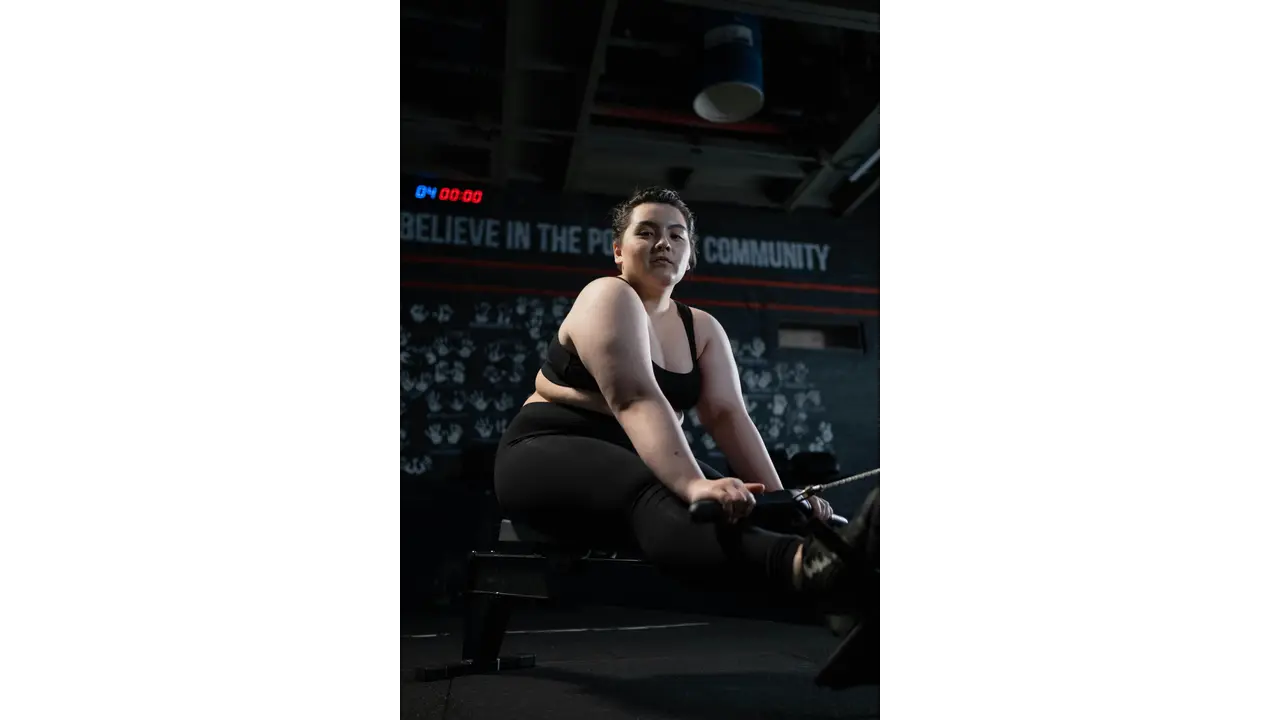
The rowing machine has become a dependable solution for individuals seeking steady fat-loss without the strain commonly associated with high-impact cardio. Its design allows coordinated work from the legs, hips, core, and upper body in a rhythmic sequence that encourages sustained effort, precise control, and measurable calorie expenditure. The appeal is particularly strong in indoor-focused gym cultures, where consistent training is easier to maintain through controlled temperature, structured equipment layouts, and access to coaching support.
The movement itself functions as a multi-phase kinetic chain. Each stroke cycles through coordinated actions involving the lower body, trunk, and arms, distributing load across several large muscle groups. This distribution supports longer sessions at moderate intensities, which are strongly aligned with fat-loss goals. When technique is applied correctly, the body maintains joint alignment, produces force efficiently, and establishes a pace that matches personal conditioning levels. Repetition under these conditions gradually produces higher stroke quality, stronger metabolic response, and a greater ability to manage increased session volumes.
Gyms such as Sea Wonders Gym integrate rowing machines in weight-management programs because of their adaptability. The machine supports short interval bursts, steady-state sessions, and technique-focused workouts without requiring advanced experience. Its suitability across fitness levels makes it a preferred option for individuals who want structured cardio with low joint stress. As technique improves, the rower becomes an efficient tool for measurable progress. Split times, stroke rates, and total watt output show clear day-to-day development, which can motivate sustained adherence.
Consistent indoor rowing allows individuals to refine technique gradually, manage fatigue better, and stay aligned with weight-loss goals. By understanding how the stroke works, how the machine should be set up, and how each phase contributes to the movement, individuals can avoid common errors and achieve meaningful results through controlled, repeatable sessions.
Key Takeaways / TLDR
• The rowing machine distributes workload across major muscle groups, supporting sustained fat-loss sessions.
• Proper technique involves coordinated lower-body, trunk, and upper-body sequencing.
• Indoor environments, such as Sea Wonders Gym, promote consistent training with reliable equipment access.
• Stroke quality influences calorie burn, session duration, and long-term progress.
• Weight-loss programs benefit from the rower’s low-impact structure and measurable performance metrics.
Why a Rowing Machine Is a Smart Choice for Weight-Loss Cardio
The rowing machine appeals to individuals prioritising fat-loss because its mechanics encourage full-body effort without stressing joints. Large muscle groups drive each stroke, creating sustained oxygen demand and a high caloric output relative to perceived exertion. This makes it suitable for longer sessions, which are frequently recommended for those managing weight through moderate-intensity cardio. Its movement pattern reduces ground impact, an important factor for individuals who prefer a joint-friendly alternative to treadmill running or outdoor activities.
The machine’s indoor placement aligns with the needs of gyms in warmer climates, where year-round outdoor training can be challenging. Facilities such as Sea Wonders Gym provide controlled environments that allow uninterrupted rowing sessions with predictable conditions, structured layouts, and access to staff guidance. The constant availability of equipment enables individuals to set consistent routines, an important factor in long-term weight-loss adherence.
Several features make the rower particularly suitable for fat-reduction programs:
• The legs produce most of the driving force, engaging quadriceps, hamstrings, and glutes in a coordinated pattern.
• The hips and core stabilize the trunk, supporting energy transfer between the lower and upper body.
• The arms complete the stroke, ensuring upper-body involvement without isolating any single muscle group.
• Lower-back and knee loads remain manageable when technique is applied correctly.
The rowing machine’s structure also encourages metric-based progression. Individuals track stroke rate, split times, watt output, distance, or calories, each providing a quantifiable indicator of improvement. These numbers give immediate feedback on efficiency, pacing, and session quality. 
Anatomy of the Stroke: Entities, Phases & Muscle Engagement
The rowing stroke functions as a continuous cycle divided into four distinct phases. Each phase contains specific joint angles, muscular actions, and positional cues that shape the machine’s efficiency. Understanding these phases clarifies how force is generated, how rhythm is maintained, and which movement errors commonly interrupt stroke quality.
The stroke begins with the catch, a compact position that prepares the lower body for the initial drive. Shins align vertically, the trunk leans forward from the hips, and the arms remain extended. This position relies on ankle mobility, hip flexion, and strong core stabilization to hold alignment without collapsing through the spine.
During the drive, the legs initiate movement. The knees extend as the hips begin to open, transferring force through the trunk before the arms draw the handle in a straight path. This sequence follows a predictable order: legs first, trunk second, arms last. The drive produces most of the stroke’s power because the lower body contains the largest muscle groups. When the sequence breaks, efficiency declines and the lower back absorbs unnecessary strain.
The finish marks the end of the drive. The legs are straight, the trunk leans slightly back, and the handle reaches the lower ribs. Core engagement stabilizes the spine. This position should feel balanced rather than forced. Excessive lay-back disrupts timing and slows the transition into the recovery.
The recovery resets the body for the next stroke by reversing the drive’s sequence: arms extend, the trunk returns forward, and the legs slide gradually. Controlled recovery preserves rhythm and prevents early knee bend, a frequent cause of handle-path disruption.
Step-by-Step Setup of the Equipment & Environment
The setup of the rowing machine determines how efficiently the body interacts with each phase of the stroke. When the machine configuration supports stable posture and controlled movement, the technique becomes easier to refine and the risk of discomfort decreases. The process begins with understanding the resistance system. Air-based machines respond to stroke intensity, water-based machines mimic natural fluid resistance, and magnetic systems offer a consistent pull. Selecting a moderate damper setting helps individuals develop controlled strokes without relying on high resistance that can overload the lower back.
Footplate settings guide leg drive efficiency. When the footplates are too high, the hips close excessively at the catch, restricting trunk angle. When they are too low, the legs overextend at the finish. A mid-level plate height allows the shins to reach vertical alignment without compressing the hips. Foot straps should hold the mid-foot securely while permitting natural ankle flexion. Tight straps restrict ankle movement, while loose straps create instability during the drive.
Handle grip and trunk position influence the transfer of force between limbs. A neutral wrist line prevents forearm strain, and the handle should rest comfortably in the fingers rather than being squeezed tightly. The trunk hinges from the hips instead of the spine, reducing lumbar stress and supporting efficient energy transfer.
Gym environment factors also shape stroke consistency. Many facilities, including Sea Wonders Gym, position rowing machines near mirrors or coaching stations to support technique checks. Stable flooring, good lighting, and unobstructed space around the rail allow individuals to focus on smooth movements without distractions.
A structured setup sequence can be summarized as follows:
-
Adjust damper to a moderate level suited for technique development.
-
Set footplates at a height that permits vertical shins at the catch.
-
Secure foot straps to stabilize mid-foot without limiting ankle motion.
-
Establish a neutral handle grip with wrist alignment.
-
Hinge from the hips to create forward and backward trunk angles.
-
Confirm surrounding gym environment supports full rail movement and stable posture.
A precise setup encourages correct biomechanics throughout the stroke and prepares the body for productive technique practice. 
Technique Checklist — Do’s, Don’ts & Common Mistakes
A clear technique checklist allows individuals to identify errors before they become ingrained habits. Many mistakes stem from timing issues, insufficient trunk control, or poor sequencing across the four stroke phases. Recognizing these patterns helps maintain consistent form while reducing the likelihood of strain.
Errors at the catch often involve rounding the spine, drawing the knees too far forward, or bending the arms prematurely. These positions create instability and reduce the effectiveness of the leg drive. Maintaining long arms, vertical shins, and a supported trunk provides the structure required for a strong opening movement.
During the drive, the most frequent issue is early arm pulling. When the arms engage before the legs finish extending, the trunk absorbs excessive load and the stroke loses power. Another common error is locking the knees too aggressively, which disrupts timing and increases lower-back demand. Leg extension should lead the motion, followed by a smooth hip opening and then the arm draw.
The finish phase reveals mistakes such as excessive backward lean or a handle path that rises too high. These adjustments delay the transition into recovery and slow stroke rhythm. A controlled finish keeps the handle near the lower ribs and maintains core engagement.
Recovery errors often appear as rushing the slide, bending the knees before the arms finish extending, or collapsing through the trunk. Recovery should replicate the drive’s sequence in reverse: arms, trunk, legs. This rhythm preserves balance and sets up the next catch effectively.
Weight-Loss Focus — How Proper Technique Amplifies Fat-Burn
Structured rowing technique directly influences fat-loss outcomes because stroke efficiency determines the amount of work completed per minute. When the legs initiate the drive and the trunk supports smooth energy transfer, the body produces steady power with reduced wasted effort. This efficiency enables longer sessions at manageable intensities, a key factor in fat metabolism.
Proper sequencing places the largest muscles under continuous, rhythmic load. Leg drive activates the quadriceps and glutes, the trunk stabilizes force transmission, and the arms complete the stroke. This coordinated action stimulates high oxygen demand relative to perceived exertion. As technique deteriorates, smaller muscles compensate, heart rate rises prematurely, and session duration shortens, limiting calorie burn.
Comparisons between cardio modes illustrate the rower’s metabolic advantage. Treadmills produce strong cardiovascular demand but isolate the workload in the lower body. Bikes offer low impact but restrict upper-body involvement. The rowing motion spreads effort across major muscle groups, increasing energy expenditure for each minute of work.
Fat-loss progress also depends on measurable pacing strategies. Metrics such as stroke rate, split time, and watt output reflect aerobic efficiency and mechanical execution. A controlled stroke rate, often between 22–28 strokes per minute for weight-loss sessions, supports steady effort. Split times reveal improvements in technique, while watt output demonstrates changes in power production.
Gym-Specific Guidance (UAE & Sea Wonders Gym Context)
The UAE’s climate shapes exercise preferences, especially for individuals managing weight through cardio. High temperatures and humidity limit outdoor training for large portions of the year, increasing reliance on indoor facilities equipped with temperature control and consistent machine availability. Within this environment, rowing machines serve as dependable tools for structured fat-loss routines because they provide steady cardiovascular demand without the challenges associated with outdoor terrain or weather variability.
Gyms such as Sea Wonders Gym integrate rowers into weight-management programs due to their adaptability. The machines allow interval formats, technique-focused sessions, and steady-state work without requiring advanced athletic backgrounds. The controlled indoor setting supports longer workouts and precise technique monitoring, essential for individuals refining their stroke. Staff supervision also contributes to safer progression, helping reduce the risk of form-related strain.
Sea Wonders Gym incorporates rowing sessions within multi-stage training plans that combine endurance development, technique reinforcement, and metabolic conditioning. Many programs begin with short technique blocks where individuals practice catch position alignment, controlled drive sequences, and measured recovery pacing. As technique stabilizes, the gym’s coaches introduce structured intervals to elevate caloric expenditure. These intervals often alternate between moderate output and brief accelerations that challenge the legs and trunk without producing excessive fatigue.
Equipment placement inside the facility also supports user flow. Rower positioning near mirrors enables continuous visual checks on trunk angles, knee tracking, and handle path consistency. This environment helps individuals maintain controlled movement patterns and identify timing errors early. Clean equipment surfaces, secure rail areas, and stable flooring further contribute to uninterrupted sessions.
A sample session framework commonly used in facilities such as Sea Wonders Gym includes:
-
Light warm-up at low stroke rate to establish rhythm.
-
Technique block focusing on catch position and early drive sequencing.
-
Primary work segment using moderate-intensity intervals.
-
Controlled cooldown emphasizing smooth recovery sequencing.
This structured approach combines technique refinement with fat-loss conditioning, ensuring individuals receive both mechanical guidance and metabolic benefits within a predictable training environment.
FAQs
1. How long should a beginner row during the first few weeks of training?
Beginners often respond well to sessions lasting 10–20 minutes, divided into short intervals that prioritize technique quality. This approach allows the legs, trunk, and shoulders to adapt to the stroke cycle without excessive fatigue while still contributing to meaningful caloric expenditure. As technique stabilizes, session length can gradually extend toward 25–40 minutes.
2. Does rowing help target stubborn fat more effectively than other cardio machines?
Rowing stimulates large muscle groups simultaneously, producing higher oxygen demand and increased caloric burn for each minute of work. This full-body involvement helps support fat-loss goals across the entire body. Although no modality directly targets specific fat regions, the rower’s combination of legs, core, and upper-body engagement makes it effective for individuals seeking steady fat-reduction progression.
3. What stroke rate is ideal for preserving form while still burning fat?
Moderate stroke rates, often between 22 and 28 strokes per minute, support controlled technique and consistent caloric output. These rates help maintain the correct sequence of leg drive, trunk hinge, and arm draw without encouraging rushed movements that lead to poor form or early fatigue.
4. How can individuals prevent wrist or forearm discomfort during rowing sessions?
Wrist discomfort typically arises from gripping the handle too tightly or bending the wrists during the drive. Maintaining a relaxed, neutral wrist line and allowing the handle to rest lightly in the fingers reduces strain. Smooth handle path control and balanced trunk alignment further contribute to forearm comfort.
5. Is rowing suitable for individuals with knee sensitivity?
Rowing can be appropriate for individuals with mild knee sensitivity when the stroke emphasizes controlled leg extension and gradual recovery. Proper footplate height, vertical shin alignment at the catch, and measured drive sequencing help distribute load through the hips and trunk instead of concentrating stress on the knees. Monitoring discomfort and maintaining technique-focused pacing supports safe participation.
Conclusion
Structured rowing technique provides a reliable path for individuals aiming to reduce body fat through controlled, repeatable cardio training. The machine’s multi-phase movement pattern encourages engagement from the legs, trunk, and arms, producing steady oxygen demand and consistent caloric expenditure. When stroke sequencing follows the natural progression from leg drive to trunk opening to arm draw, the body maintains efficient loading patterns and reduces unnecessary stress on sensitive joints. This alignment supports longer training sessions, which are central to weight-loss progress.
Developing proper form also contributes to long-term training sustainability. Smooth transitions between phases prevent abrupt force shifts that often cause fatigue to accumulate prematurely. Trunk stability, measured recovery pacing, and controlled catch preparation form the foundation for durable training habits. These principles allow individuals to remain consistent with their sessions, gradually improving pacing metrics such as stroke rate, split times, and watt output.
Facilities such as Sea Wonders Gym create structured environments where rowing technique is integrated into broader fat-loss programs. Access to knowledgeable staff, organized equipment layouts, and progressive session plans helps individuals refine their mechanics over time. These elements encourage consistent attendance and support stable progression through various training stages. Incorporating rowing machine workouts into weekly routines helps reinforce the coordination patterns required for efficient strokes while also providing meaningful cardiovascular stimulus.
The rowing machine’s adaptability makes it suitable for beginners and experienced gym members alike. It accommodates steady-state efforts, moderate intervals, and technique-focused sessions without requiring specialized backgrounds. The machine’s metrics provide objective feedback, helping individuals track progress and adjust training intensity in a controlled manner.
Related Blogs



Bose SoundLink Bluetooth Speaker
£50.00£60.00
Canon's press material for the EOS 5D states that it 'defines (a) new D-SLR category', while we're not typically too concerned
- Availability :In Stock