
 Locate Our Store
 +971 562162730
 AED
AED SAR
SAR KWD
KWD QAR
QAR BHD
BHD OMR
OMR


Corporate Battery Supply for Multi-Branch Businesses in Dubai: Central Billing & Scheduled Deliveries
Introduction
If you manage operations across multiple branches in Dubai—retail stores, clinics, hotels, warehouses, offices, or service teams—you already know how battery procurement usually goes:
-
One branch runs out of AA batteries and buys whatever is available nearby.
-
Another branch orders a different brand or variant.
-
Head office receives invoices that don’t match purchase orders.
-
Expiry dates are inconsistent across locations.
-
Devices fail at the worst time—scanners, remotes, door locks, medical devices, security torches, sensors, keyboards, mice, thermostats, and more.
This is not a “battery problem.” It’s a supply system problem.
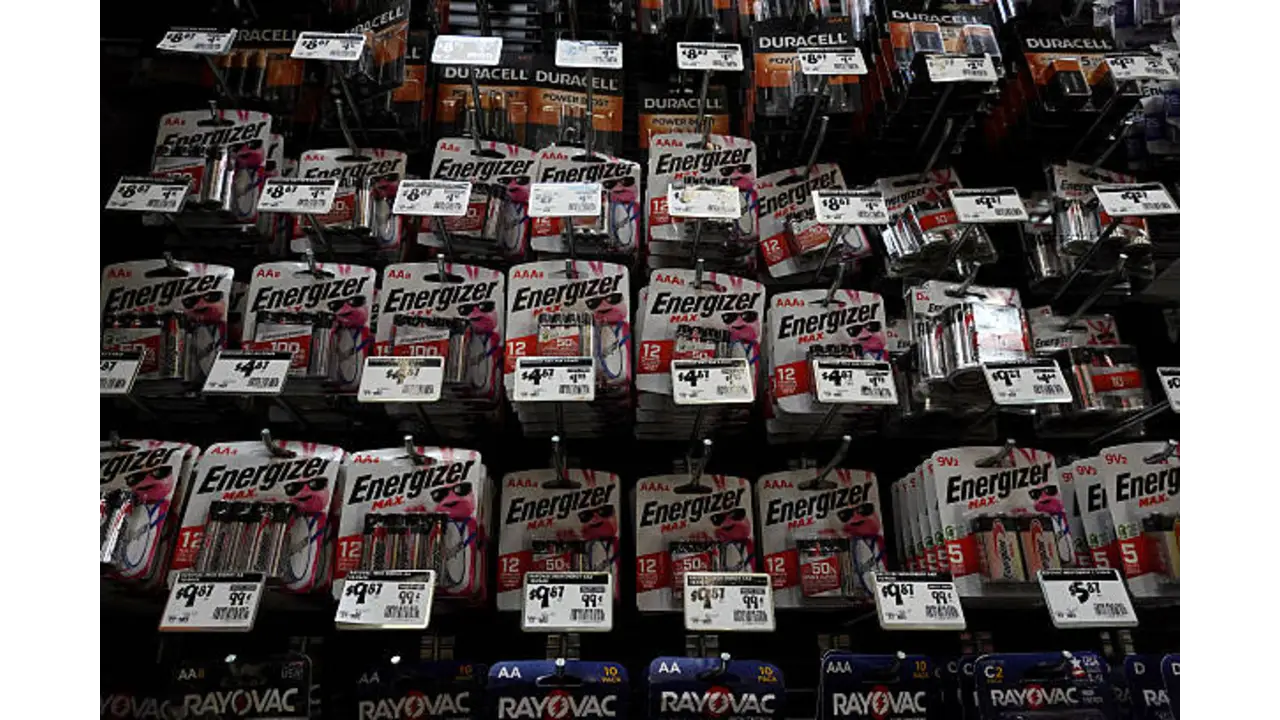
A corporate battery supply program solves this by standardizing Energizer batteries and Duracell batteries across branches, enabling central billing, and running scheduled deliveries so every site stays stocked without emergency purchasing.
This article shows you how to set up a practical, finance-friendly program in Dubai—one that reduces stockouts, simplifies approvals, and gives you predictable budgeting. Try Sea wonders batteries and visit or book batteries.
Why Multi-Branch Battery Purchasing Breaks (and What Corporate Supply Fixes)
Multi-branch businesses face the same pattern: decentralized buying + inconsistent usage + no visibility.
Common pain points
-
Too many small purchases: branches buy ad hoc, often at higher prices
-
Inconsistent brands/variants: performance varies and devices behave differently
-
Expiry surprises: near-expiry stock gets pushed into slow branches
-
Invoice chaos: missing line-item details, wrong entity names, or mismatched receiving docs
-
Stockouts and downtime: essential devices fail, operations slow down
What “corporate supply” means in practice
A corporate supply program is not just “bulk buying.” It’s a structured service with:
-
a standard SKU list (mostly Energizer and Duracell)
-
one corporate supplier account
-
central billing with proper invoice documentation
-
scheduled deliveries (weekly/monthly) per branch
-
minimum shelf-life rules and clear acceptance checks
-
branch-level consumption reporting (so you can forecast and control costs)
Step 1: Standardize What You Buy (Energizer + Duracell as Your Corporate Baseline)
Before you set up billing or schedules, standardize the product list. Without standardization, you’ll keep absorbing small inefficiencies that add up.
Build an “Approved Battery List”
Create a master list that covers 80–90% of your use cases. For most corporate operations, this includes:
-
AA batteries (most common)
-
AAA batteries
-
9V batteries
-
C and D batteries (where applicable)
-
Coin cells (for remotes, sensors, small devices)
-
Rechargeables (if you’re controlling costs for high-drain usage)
Use Energizer batteries and Duracell batteries as the primary options, because corporate teams typically want:
-
consistent performance,
-
broad availability,
-
predictable quality.
Standardize by device type (not by habit)
Different devices pull power differently. Standardize based on real usage:
-
Low drain: remotes, clocks, basic sensors → typically alkaline
-
Medium drain: wireless keyboards/mice, handheld devices → alkaline or performance variants depending on usage
-
High drain: flashlights, medical equipment, frequent-use devices → consider high-performance lines or rechargeable programs
-
Critical devices: smoke alarms, safety devices, high-stakes equipment → define an approved variant and do not allow substitutions
Set substitution rules upfront
Branches often accept substitutes to “get something working.” That creates hidden problems later.
Corporate rule recommendation:
-
No substitutions without head office approval
-
If you allow alternatives, define “equivalent” clearly (size, chemistry, performance expectation, and warranty expectations)

Step 2: Choose the Right Corporate Supply Model for Dubai
There are two common models. Choose one or combine them depending on your footprint.
Model A: Central Store + Branch Top-Ups
Head office (or a central warehouse) holds buffer stock and distributes to branches.
Best for:
-
large volumes
-
many branches close together
-
internal logistics capability
Pros:
-
maximum control over inventory and expiry rotation
-
easier standardization enforcement
Cons:
-
requires storage discipline and internal distribution effort
-
creates internal workload (picking/packing)
Model B: Direct-to-Branch Replenishment (Most common for multi-branch)
Supplier delivers to each branch on schedule while billing is centralized.
Best for:
-
distributed branches across Dubai
-
lean operations
-
businesses that want minimal internal handling
Pros:
-
fewer internal touchpoints
-
faster branch replenishment
-
cleaner accountability per delivery note
Cons:
-
requires strong vendor SLA discipline
-
depends on accurate min/max settings
Most multi-branch businesses choose direct-to-branch replenishment with a clear delivery schedule and central billing.
Step 3: Set Up Central Billing That Finance Will Actually Love
Central billing should reduce workload—not create new headaches.
What “central billing” can look like
Choose one of these structures:
Option 1: One invoice per month (preferred)
-
all branch deliveries included
-
line items grouped by SKU and branch reference
-
attached delivery notes for each branch
Option 2: Bi-weekly invoice
-
helpful if consumption is high or finance prefers tighter cycles
Option 3: One invoice per delivery run
-
simplest for supplier, but can create too many invoices for finance
What you must enforce for clean central billing
To avoid disputes and delayed payments, your supplier invoices must include:
-
Brand and variant clearly stated: Energizer or Duracell
-
Size and type: AA/AAA/9V/coin cell, etc.
-
Quantity per branch (or branch-coded references)
-
Unit price and totals
-
VAT breakdown
-
Delivery note references and proof of delivery per branch
Branch-coded cost allocation (so budgeting stays fair)
Multi-branch businesses often struggle with “who consumed what.” Fix this by adding a simple structure:
-
each branch has a cost center code
-
each delivery note includes that code
-
invoice includes branch-wise subtotal lines or a branch summary page
This gives you:
-
accurate branch budgets
-
visibility into unusual usage (shrinkage, misuse, wastage)
Step 4: Scheduled Deliveries — The Heart of a Corporate Battery Program
Scheduled deliveries eliminate emergency purchases and reduce device downtime.
Choose a cadence that matches consumption
Typical schedules:
-
Weekly: high-consumption sites (retail chains, warehouses, logistics hubs)
-
Bi-weekly: moderate usage (offices, clinics, service locations)
-
Monthly: low usage or stable sites
-
Quarterly: only for specialty batteries with slow movement (but still monitor expiry)
Define delivery windows and cut-off times
If deliveries aren’t time-boxed, branches will miss them and delays will cascade.
Set:
-
delivery days per branch (e.g., Branch A every Monday)
-
delivery time windows (e.g., 10am–2pm)
-
cut-off times for emergency top-ups
Add an “Emergency Top-Up” SLA
Even the best system needs a safety valve.
Corporate recommendation:
-
emergency top-up available for critical branches/devices
-
response time defined (same day or next day depending on location and stock)
Keep emergency orders controlled with:
-
approved requesters (branch manager + ops approval)
-
standardized SKUs only (Energizer/Duracell approved list)
-
usage reason required (quick note)

Step 5: Inventory Controls Across Branches (Min/Max PAR Levels)
A corporate program works when you set the right levels per branch.
Use PAR levels (minimum and maximum)
PAR = the target inventory range you maintain.
Example approach:
-
Min level: “reorder trigger”
-
Max level: “stock cap” so branches don’t hoard and expiry doesn’t creep in
How to set PAR levels quickly
-
Identify the top 3 SKUs per branch (usually AA and AAA, then 9V or coin cells)
-
Estimate average monthly usage (start with a best guess if you have no data)
-
Set:
-
Min = 1–2 weeks of stock
-
Max = 4–6 weeks of stock
-
Review after the first two delivery cycles and adjust
Prevent “slow branches” from becoming expiry dumps
Some branches use very few batteries. Without controls, they become the destination for older stock.
Control rule:
-
enforce minimum remaining shelf life on delivery
-
keep slow-moving SKUs centrally stored (or deliver only when requested)
-
do not auto-deliver specialty items to slow branches
Step 6: Quality Controls — Authenticity, Expiry Rules, and Storage Proof
If you’re standardizing on Energizer batteries and Duracell batteries, protect quality with three simple controls.
1) Authentic stock requirements
For corporate accounts, ask the supplier to provide:
-
carton label photos on request
-
batch/lot visibility for bulk shipments
-
consistent packaging and SKU mapping
2) Minimum remaining shelf life rule
Define a corporate acceptance standard such as:
-
“Minimum remaining shelf life on delivery: ___ months”
-
“No near-expiry stock unless discounted and approved”
This prevents:
-
leakage complaints
-
inconsistent runtime
-
customer-facing failures (in retail)
-
warranty and return headaches
3) Storage proof (Dubai heat control)
Batteries stored poorly can degrade quietly.
Ask for:
-
storage area photos (palletized, shaded, clean)
-
a basic temperature monitoring practice
-
a written process for damaged cartons and rotation
A professional supplier should not hesitate.
Step 7: Service Levels (SLA) You Should Demand From a Corporate Supplier
Your supplier should be measured on outcomes, not promises.
Minimum SLA elements
-
Lead time definition: when the clock starts (PO acceptance or payment)
-
OTIF performance: on-time and in-full delivery target
-
Substitution policy: no substitutions without approval
-
Damage handling: replacement timeline + who bears reverse logistics
-
Escalation path: named contacts for operations and invoice issues
-
Documentation turnaround: invoice and delivery note timelines
Why OTIF matters
OTIF forces the supplier to deliver:
-
on time (no excuses)
-
complete (no partial surprises)
This is crucial for multi-branch operations where incomplete deliveries create extra admin work and internal friction.
Step 8: Reporting and Visibility — The Difference Between “Supply” and “Control”
Corporate procurement becomes powerful when you can answer:
-
Which branch consumes the most AA/AAA?
-
Which branch is spiking unexpectedly?
-
Which battery types should be standardized further?
-
Where can we shift from alkaline to rechargeable to reduce long-term costs?
Monthly report fields (simple but effective)
Ask your supplier (or generate internally) a report with:
-
branch name / cost center
-
SKU (Energizer/Duracell, size, variant)
-
quantity delivered
-
delivery dates
-
returns/replacements (if any)
-
exception notes (damage, urgent top-ups)
Use reporting to stop “battery leakage”
When usage spikes, it may indicate:
-
wastage (batteries replaced too early)
-
shrinkage (walk-away inventory)
-
device faults (draining batteries abnormally)
-
non-standard purchases bypassing the system
Visibility lets you fix problems rather than endlessly replenishing.
Step 9: Implementation Plan — Launch a Corporate Battery Program Fast
Here’s a practical rollout that works even if you’re starting from scratch.
Week 1: Setup
-
Build approved SKU list (start with Energizer and Duracell core items)
-
Assign branch codes/cost centers
-
Choose billing cycle (monthly or bi-weekly)
-
Set delivery schedules by branch
-
Set minimum shelf-life rule
-
Agree on invoice format and documentation workflow
Week 2: First deliveries + adjustments
-
Deliver to top 20% highest-consuming branches first
-
Collect first-cycle feedback:
-
did quantities match needs?
-
were any SKUs missing or over-delivered?
-
did invoice and delivery notes match perfectly?
-
Adjust PAR levels and schedules
Month 1: Stabilize and scale
-
Expand to remaining branches
-
Start monthly consumption reporting
-
Reduce emergency purchasing by enforcing the approved list
Copy/Paste: Corporate PO Clauses for Central Billing + Scheduled Deliveries
Use these in your PO or corporate supplier agreement.
Central billing and branch coding
“All deliveries are to be billed centrally to Head Office. Each delivery note must reference branch code and be signed/stamped by the receiving branch.”
Standardization clause
“Supply only approved Energizer batteries and Duracell batteries as per the attached SKU list. No substitutions without written approval.”
Shelf-life acceptance clause
“Minimum remaining shelf life on delivery: ___ months. Near-expiry stock must be declared and approved in advance.”
Scheduled delivery clause
“Deliveries must follow the agreed schedule per branch. Missed deliveries must be escalated same day with a revised ETA.”
Damage and discrepancy clause
“Damaged or non-conforming stock must be replaced within ___ business days of notification.”
Documentation clause
“VAT invoice must be itemized (brand, size, variant, quantity, unit price, VAT amount) and reference delivery notes per branch.”
Corporate Battery Supply Checklist (One-Page)
Use this to evaluate your program before you go live.
Standardization
-
Approved SKU list across branches (Energizer/Duracell)
-
Variant rules defined (alkaline/lithium/rechargeable)
-
Substitution policy defined
Billing
-
Central billing cycle set (monthly/bi-weekly)
-
Branch codes on delivery notes
-
Invoice format approved by finance
Deliveries
-
Branch-wise schedule defined
-
Delivery windows agreed
-
Emergency top-up process defined
Quality
-
Authenticity proof available on request
-
Minimum remaining shelf-life rule set
-
Storage proof requested and reviewed
Controls
-
PAR levels set by branch
-
Monthly consumption report fields agreed
-
Escalation contacts established
Final Takeaway
A multi-branch business in Dubai doesn’t need “more suppliers.” It needs one reliable corporate battery supply system:
-
Standardize around trusted brands like Energizer batteries and Duracell batteries
-
Centralize billing to reduce invoice noise and improve compliance
-
Schedule deliveries so branches stay stocked without emergency buying
-
Control quality with expiry rules and storage proof
-
Track usage so you can forecast, budget, and reduce waste
When you run batteries like a system instead of a series of urgent purchases, you reduce downtime, simplify approvals, and improve consistency across every branch.
If you want the next step, I can also create a matching publish-ready post on:
“Energizer vs Duracell for Corporate Use in Dubai: Standardization Guide by Device Type” (no links, same style).
Related Blogs


Bose SoundLink Bluetooth Speaker
£50.00£60.00
Canon's press material for the EOS 5D states that it 'defines (a) new D-SLR category', while we're not typically too concerned
- Availability :In Stock