
 Locate Our Store
 +971 562162730
 AED
AED SAR
SAR KWD
KWD QAR
QAR BHD
BHD OMR
OMR


Choosing Duracell Coin Cells (CR2032, LR44, CR123A): Compatibility Guide for Dubai Buyers
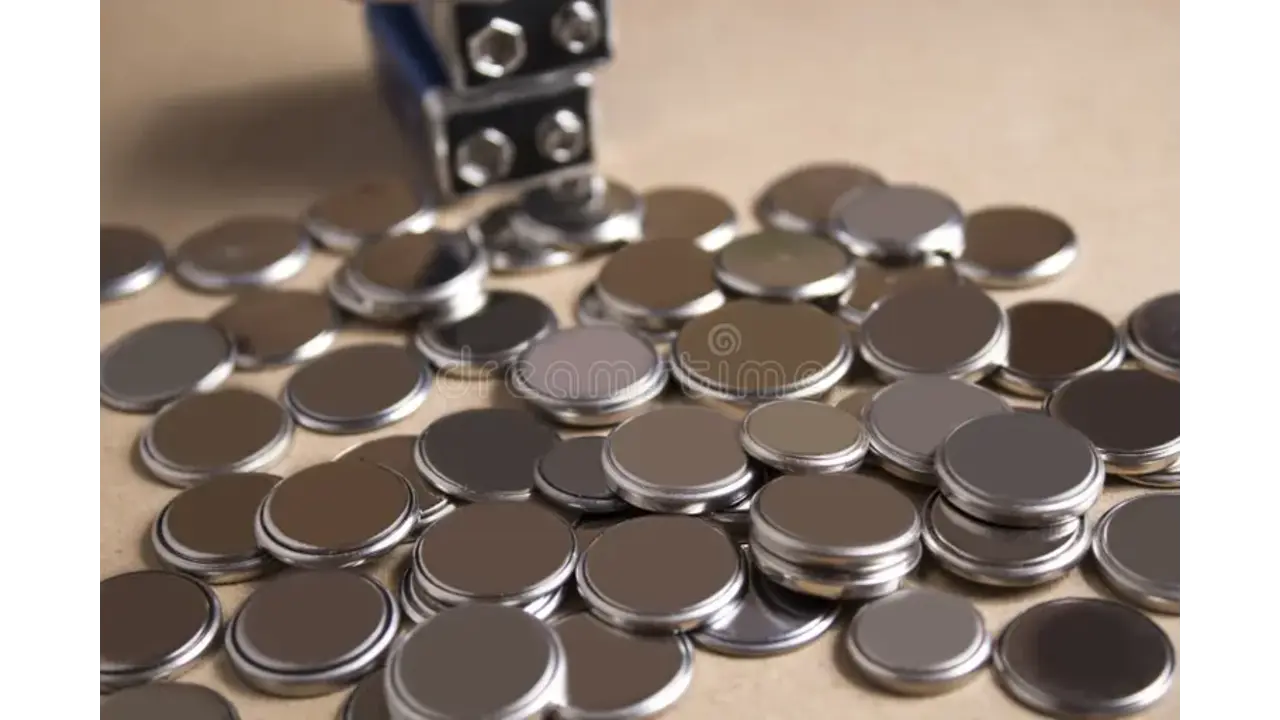
Introduction
Small batteries cause outsized problems. One wrong code—just a couple of digits off—and your device might not power on, might work intermittently, or might drain batteries unusually fast. In Dubai, that problem is amplified by two realities:
-
Many buyers purchase urgently (same-day needs for car keys, remotes, sensors, or security devices).
-
Heat and storage conditions matter more than people think, especially when batteries sit in drawers, service vans, storerooms, or gloveboxes.
This guide helps you choose the right Duracell batteries for three commonly searched “small battery” types: CR2032, LR44, and CR123A—plus the compatibility rules that prevent most wrong purchases.
Before we start, one important clarification that will immediately save you time and returns:
-
CR2032 is a 3V lithium coin cell
-
LR44 is a 1.5V alkaline button cell (different voltage family)
-
CR123A is a 3V lithium cylindrical photo battery (not a coin cell)
People often group them together because they’re “small batteries,” but they are not interchangeable. Once you understand the families, choosing the right SKU becomes straightforward.

The 60-Second Compatibility Method (Use This Every Time)
If you only remember one thing, remember this process:
Step 1: Check the device label first
Open the battery compartment. Many devices print the required battery code inside the tray or cover.
Step 2: Read the old battery code
If the device label is missing or unclear, read the code printed on the battery you’re replacing:
-
CR2032, CR2025, CR2016, CR2430 (coin cells)
-
CR123A (cylindrical photo battery)
Step 3: Match exact code before anything else
With small batteries, “close enough” is not close enough. CR2032 and CR2025 may look similar, but thickness differs. LR44 and CR2032 are totally different voltage families.
Step 4: Confirm voltage family (this prevents the worst mistakes)
-
CR-series coin cells are commonly 3V lithium
-
LR-series button cells are commonly 1.5V alkaline
-
CR123A is commonly 3V lithium cylindrical
If the voltage family doesn’t match, the device may not work properly or may be damaged.
Step 5: Buy by exact code, then by brand
Once you confirm code, choose Duracell for consistency and reliability. If your procurement policy allows alternate brands, ensure the code matches exactly—but don’t mix brands randomly across devices and sites.
Battery Family Cheat Sheet (Fast Understanding)
1) CR2032 (Coin Cell, 3V Lithium)
-
Flat, round “coin-like”
-
Code begins with CR
-
Commonly 3V
-
Used in key fobs, sensors, scales, small electronics
2) LR44 (Button Cell, 1.5V Alkaline)
-
Small round “button”
-
Code begins with LR
-
Commonly 1.5V
-
Used in toys, thermometers, calculators, small gadgets
3) CR123A (Cylindrical Photo Battery, 3V Lithium)
-
Short cylinder, not flat
-
Code includes 123A
-
Commonly 3V
-
Used in cameras, flash units, security devices, certain flashlights
Now let’s look at each in detail—what it fits, common device examples, and what not to substitute.
Duracell CR2032: What It Is and Where It Fits
What CR2032 means (simple explanation)
“CR2032” is a standard code that identifies a 3V lithium coin cell of a specific size and thickness. You don’t need to memorize the dimensions. Just know that the code is specific and must match the device requirement.
Common devices that use CR2032
CR2032 is one of the most widely used coin cells in Dubai households and businesses. It often appears in:
-
Car key fobs (many models, but not all)
-
Weighing scales (some models)
-
Small remotes (certain models)
-
Sensors (door sensors, basic IoT devices—model dependent)
-
Computer motherboard CMOS batteries (very common)
-
Some medical or measuring devices (model dependent)
Why CR2032 is frequently ordered wrong
Because CR2032 is so common, buyers sometimes assume “any coin cell” will work. The most common confusion is:
-
CR2032 vs CR2025 vs CR2016
These are all commonly 3V lithium coin cells, but they differ in thickness. That can cause:
-
weak contact pressure
-
intermittent device power
-
shorter runtime
-
battery “rattle” or poor seating
Dubai buyer tip for CR2032
For urgent needs (car keys, sensors), keep one spare—but store it properly:
-
avoid leaving it in direct sunlight
-
avoid keeping it loose in a hot car for long periods
-
keep it in sealed packaging until needed
For facilities teams, treat CR2032 as a standardized inventory item with:
-
minimum remaining shelf life rules
-
FEFO rotation
-
“exact code only” policy
Duracell LR44: What It Is and Where It Fits
What LR44 means (simple explanation)
LR44 is a common 1.5V alkaline button cell. It’s smaller than many coin cells and belongs to a different voltage family than CR-series.
Common devices that use LR44
LR44 often shows up in:
-
small toys and novelty items
-
thermometers (some models)
-
calculators and small instruments
-
laser pointers and small gadgets
-
small lights and mini devices
The biggest LR44 mistake: swapping it with a CR coin cell
Buyers sometimes see “round battery” and assume it’s interchangeable with CR2032. It is not.
-
LR44 is typically 1.5V
-
CR2032 is typically 3V
Even if something “fits,” the device may not function correctly or may behave erratically.
Dubai buyer tip for LR44
Because LR44 is often used in low-cost devices, buyers sometimes accept “no-name” alternatives. For reliability—especially if you’re reselling or managing devices across sites—standardizing on Duracell reduces complaints and returns.
Duracell CR123A: What It Is and Where It Fits
First, the correction that helps buyers instantly
CR123A is not a coin cell. It’s a 3V lithium cylindrical battery often used in:
-
cameras and flash units
-
tactical/security flashlights
-
certain sensors and specialized devices
-
some security equipment and tools
Why CR123A is commonly confused
People search “coin cell” as a general term for small batteries, and CR123A often appears in the same buying journey because it’s used in compact devices. But it’s a different format entirely.
Common devices that use CR123A
-
Cameras (device dependent; some cameras and accessories use them)
-
Flash units and photography gear (model dependent)
-
Security flashlights used by patrol teams
-
Some alarm/security devices and specialty tools
CR123A procurement reality in Dubai
CR123A is not always stocked as widely as AA/AAA or CR2032. If you need it reliably:
-
plan replenishment rather than relying on last-minute buys
-
standardize your supplier and keep minimum stock
-
confirm pack format and shelf life for bulk orders

Compatibility Rules: What You Can Substitute and What You Should Never Substitute
This section prevents most “wrong battery” incidents.
Rule 1: Never swap LR44 with CR2032
They are different voltage families (commonly 1.5V vs 3V). Even if a device powers momentarily, performance and safety can be compromised.
Rule 2: CR2032, CR2025, CR2016 are not automatically interchangeable
They are typically the same voltage family (3V lithium), but thickness differs. Some devices tolerate alternatives; others don’t. The safe rule is:
-
use the exact code printed on the device or old cell.
Rule 3: Don’t force-fit coin cells
If the battery doesn’t sit cleanly, you’ll get intermittent contact. That looks like:
-
device randomly turning off
-
“low battery” warnings too soon
-
unreliable performance
Rule 4: For CR123A, do not substitute with “similar looking” cylindrical batteries
CR123A should be replaced with CR123A unless the device manufacturer explicitly supports another type. For business environments (security and facilities), follow the exact requirement to avoid device failure.
Device-to-Battery Compatibility Guide (Dubai Buyer Map)
Use this as a fast reference. Always confirm with your device label because models vary.
Car key fobs
-
Common: CR2032 or CR2025 (model dependent)
-
Tip: match the exact code printed on your old battery
Weighing scales
-
Common: CR2032 or CR2430 (model dependent)
-
Tip: incorrect thickness can cause contact issues
Door/window sensors (basic IoT sensors)
-
Common: CR2032 (very common), but varies
-
Tip: for facilities teams, standardize exact codes by device model list
Motherboard CMOS batteries
-
Very common: CR2032
-
Tip: buy sealed packs and store in a cool, shaded place
Thermometers
-
Often: LR44 (but some use other button/coin cells)
-
Tip: check the compartment label or old cell—many look similar
Small toys and mini gadgets
-
Often: LR44
-
Tip: if you sell or supply these, use exact code listing to reduce returns
Small remotes (varies by type)
-
Some use: CR2032
-
Many use: AA/AAA instead
-
Tip: don’t guess—open the compartment
Cameras and flash units
-
Some use: CR123A
-
Tip: check the device battery compartment label; keep spares if used for professional work
Security flashlights and patrol tools
-
Common (device dependent): CR123A
-
Tip: treat this as a mission-critical SKU; don’t rely on emergency purchasing
Buying in Dubai: Heat, Storage, Shelf Life, and Reliability
1) Heat exposure increases risk
Dubai heat can affect batteries if:
-
stock is left in direct sun
-
deliveries sit on loading docks for long periods
-
batteries are stored in hot cabinets or vehicles
-
coin cells are kept loose in gloveboxes during peak summer
Best practice: store batteries in shaded, indoor conditions and keep them sealed until needed.
2) Shelf-life matters more for slow-moving items
Coin cells and button cells can sit for a long time in storerooms. If you buy near-expiry stock, you end up with dead inventory and more failures.
For business buyers, set a standard:
-
minimum remaining shelf life on delivery: ___ months
3) Rotation prevents “mystery failures”
Use FEFO rotation:
-
First Expiry, First Out
This matters for facilities teams with sensor maintenance schedules and hospitality engineering stores.
4) Avoid loose, unboxed coin cells for business use
Loose cells reduce traceability and increase the risk of:
-
mixed batches
-
unknown storage
-
repacking issues
If you’re buying for corporate use or reselling, sealed packaging and clean documentation reduce complaints.
Authenticity and Return-Prevention Tips (Especially for Bulk Buyers)
Dubai buyers—especially e-commerce sellers and corporate procurement—lose time and money when customers return “wrong battery” orders. Most returns happen because the buyer ordered by device name instead of battery code.
Reduce wrong orders with these practices
-
Always list the exact code prominently (CR2032, LR44, CR123A)
-
Confirm voltage family (3V coin cells vs 1.5V button cells)
-
Avoid “equivalent” language unless you’re sure the device supports it
-
For sensors across buildings, maintain a device-to-code list
Quality checks that reduce risk
You don’t need to be a forensic investigator. Just look for:
-
clean, consistent packaging
-
visible expiry markings and acceptable remaining shelf life
-
seller willingness to provide basic proof for bulk quantities
-
proper invoice and line-item clarity for business purchases
FAQs
Is CR123A a coin cell?
No. CR123A is a small cylindrical 3V lithium battery commonly used in cameras and some security devices. Coin cells are flat and round, like CR2032.
Can I use LR44 instead of CR2032?
No. They are different voltage families and sizes. LR44 is typically 1.5V; CR2032 is typically 3V.
CR2032 vs CR2025: which one is right for my car key?
It depends on the key fob model. Check the old battery code or the label in the battery compartment and match it exactly.
Are Duracell CR2032 and other-brand CR2032 batteries interchangeable?
The code indicates the size and voltage family. If your procurement policy allows other brands, the code must match exactly. For consistent results across sites, many businesses prefer to standardize on one brand rather than mixing.
How should I store coin cells in Dubai?
Store sealed packs in a shaded, indoor location away from direct sunlight and excessive heat. Avoid keeping spare cells loose in cars or outdoor storage areas.
Final Takeaway
For Dubai buyers, “small battery compatibility” becomes simple when you follow the code and the battery family:
-
CR2032: 3V lithium coin cell (key fobs, sensors, scales, CMOS—model dependent)
-
LR44: 1.5V alkaline button cell (toys, thermometers, gadgets—model dependent)
-
CR123A: 3V lithium cylindrical photo battery (cameras, flash, security tools—model dependent)
Match the exact code on the device or old battery, avoid unsafe substitutions, and protect your stock from heat exposure. With those rules, you’ll reduce wrong purchases, device failures, and avoidable returns—whether you’re a consumer replacing a key fob battery or a facilities team maintaining sensors across multiple sites.
Related Blogs


Bose SoundLink Bluetooth Speaker
£50.00£60.00
Canon's press material for the EOS 5D states that it 'defines (a) new D-SLR category', while we're not typically too concerned
- Availability :In Stock