
 Locate Our Store
 +971 562162730
 AED
AED SAR
SAR KWD
KWD QAR
QAR BHD
BHD OMR
OMR


Beginner’s Guide: Starting a Fitness Journey with a Treadmill
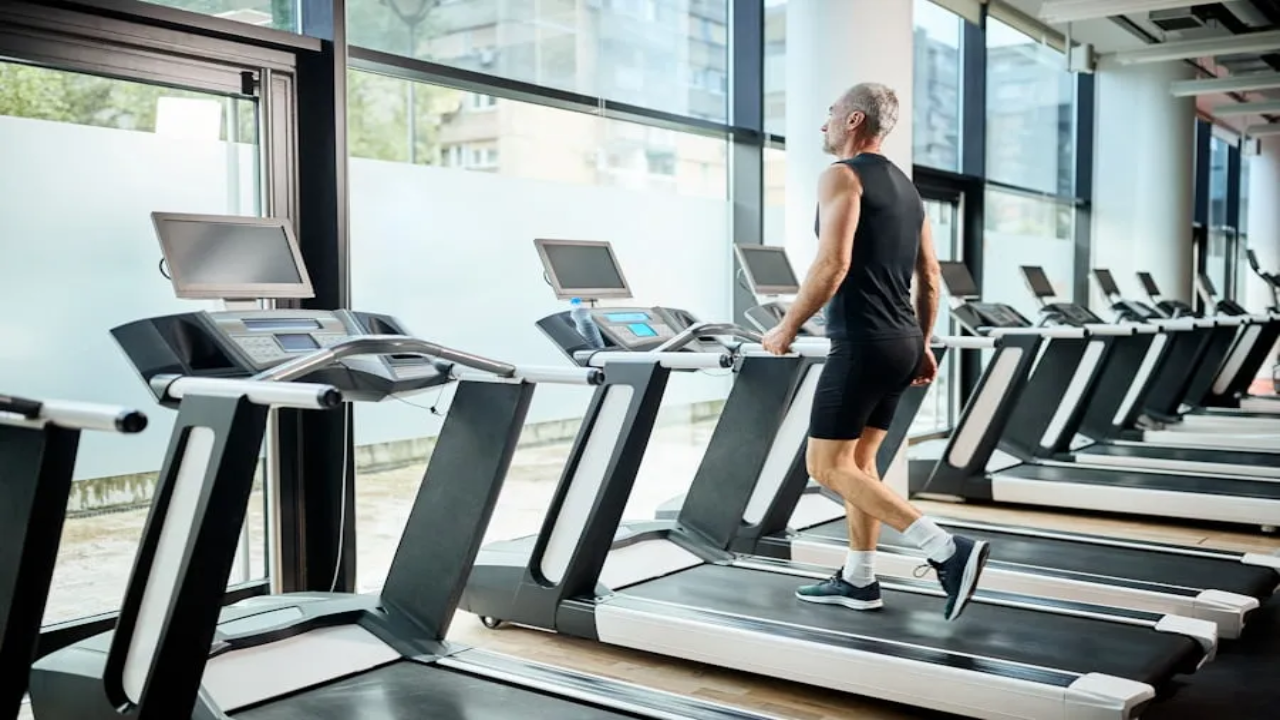
Introduction
Beginning cardio in the UAE comes with unique constraints. Heat and humidity raise perceived effort for much of the year, while dust events can close outdoor windows with little notice. A home treadmill removes that volatility. Temperature, airflow, speed, and grade become controllable variables, so planned workouts actually occur. For beginners, this reliability matters more than any advanced feature. Consistent minutes deliver the first wave of health gains, from better aerobic capacity to improved blood sugar control, and a treadmill enables those minutes inside an apartment or villa without chasing weather or daylight.
The platform also fits a real room. Tile and marble are common surfaces that amplify footfall and vibration. With a dense rubber base and simple isolation feet, impact energy is absorbed before it travels through floors. Corner placement over a solid slab keeps noise modest, while a floor fan near the console stabilizes comfort at lower belt speeds. In parallel, modern consoles provide clear speed keys, quick incline changes, and guided workouts that scale from brisk walking to early jog intervals. The result is a predictable routine that matches global guidelines for weekly activity, yet adapts to joint tolerance, space, and schedule.
This guide focuses on practical setup, safe pacing, and climate logic tailored to the Emirates. The aim is steady progress from the first 20 minutes to a confident month of sessions that feel manageable and repeatable.
TLDR
-
Indoor control of temperature, speed, and incline turns intent into completed minutes.
-
Quiet setup on tile or marble relies on matting, isolators, and corner placement.
-
Simple pacing cues and climate checks protect safety while building early consistency.
Why a treadmill is the beginner’s best ally in the UAE
Consistency drives adaptation, and a treadmill makes consistency easy. Weather no longer decides whether a session happens. Speed can be nudged in 0.1 to 0.2 km/h steps, and incline provides workload variety without joint stress from higher belt speeds. Brisk walking at a slight grade already sits in the moderate intensity band, so guideline minutes accumulate quickly even for absolute beginners. When confidence grows, short jog inserts can be added without leaving the same footprint or changing equipment.
Weight bearing differentiates a treadmill from most indoor alternatives. Each step supplies a bone-friendly signal at the hips and legs. For newcomers with sensitive joints, deck cushioning and compact strides limit impact peaks while still providing that stimulus. Incline walking between 3 and 6 percent raises metabolic cost at comfortable speeds, which suits longer sessions and weight-management goals. Guided programs on modern consoles reduce decision fatigue by offering progressive templates with automatic speed or grade adjustments and clear cooldowns.
Adherence improves further with micro-habits. A towel and bottle staged on the console remove friction. A fan across the deck trims sweat rate and lowers perceived effort, so targets are met without chasing extra speed. A small log noting minutes, average speed, and incline provides feedback that feels tangible after just two weeks. Importantly, treadmill time works in apartments. With the right mat stack and timing, evening sessions sit within residential expectations, which keeps the calendar intact during peak summer and dusty stretches. For beginners, that reliability is the single biggest reason a treadmill accelerates the first month of progress.

Safety first: setup, checks, and beginner pacing cues
Safe setup begins at the floor. A dense rubber mat under the frame absorbs impact, while separate anti-vibration feet at contact points add compliance that helps on tile and marble. Corner placement over a solid slab transmits less energy than a mid-room position on a suspended floor. Leveling bolts remove deck rock, and transport wheels should not touch the mat during use to avoid rattle. Power should come from a grounded outlet with surge protection. Cable covers keep cords away from the belt path. A floor fan directed toward the console improves cooling at modest speeds.
Pre-session checks reduce risk. The safety key must be clipped to clothing. Footwear should offer fresh cushioning and a stable heel. Warm-ups start with 5 minutes of easy walking, then a gradual rise in speed or a small incline change. Early pacing uses simple anchors: conversational breathing for moderate work, short phrases for slightly harder blocks. Rating of perceived exertion sits near 3 to 4 out of 10 for steady walks and 5 to 6 for brief jog inserts. Beginners typically alternate 1 to 2 minutes of gentle jogging with 2 to 3 minutes of walking, keeping total session time between 20 and 35 minutes initially.
Technique cues prioritize quiet, compact steps under the center of mass, arms relaxed by the sides, and eyes forward. On incline, shorter steps and a slight lean from the ankles maintain rhythm without overstriding. Hydration should match session length and room conditions; small, frequent sips during 30 to 45 minutes are usually sufficient indoors. Cooldowns return to an easy walk for 3 to 5 minutes, followed by light calf and hip flexor mobility. Post-session housekeeping includes a quick wipe of rails and belt edges and a fast visual check that the belt remains centered. With this routine, beginners build confidence while protecting joints, equipment, and neighbor comfort.
Climate and timing logic specific to the Emirates
Training in the Emirates benefits from a simple decision tree. Midday hours sit in a red zone during summer; strenuous outdoor sessions are avoided between early afternoon windows commonly restricted for outdoor work. Dawn and later evening are the only realistic outdoor options on tolerable days. Air quality acts as a second gate. A live AQI check before leaving the door prevents sessions in dusty conditions; if readings climb into unhealthy bands or visibility drops, the plan shifts indoors without debate. Beginners gain more from the habit of switching promptly than from forcing an uncomfortable route.
Indoors, room setup protects comfort and pacing. Air conditioning and a small fan positioned toward the console reduce sweat rate and perceived effort, which keeps speed and incline steady instead of creeping upward to chase cooling. Hydration remains modest for 30 to 45 minute beginner sessions: small, regular sips work better than infrequent gulps. Sessions longer than an hour or those done after a hot commute may warrant a light sodium source to support fluid balance.
Timing etiquette matters in apartments. Early evening typically aligns better with residential expectations than very late nights. A dense rubber mat plus isolators keeps structure-borne vibration in check; softer, quicker steps lower audible belt slap. If outdoor variety is desired, a short walk at dawn can supplement indoor work on clean-air days, while all quality efforts stay on the treadmill for precision. This logic ensures that weekly minutes survive heat, humidity, and dust without last-minute cancellations, which is the difference between sporadic exercise and steady progress for beginners.
Outdoor or treadmill today? If time falls in the hot window or the AQI view looks poor, treadmill wins. What about humidity on coastal evenings? Expect higher perceived effort; maintain pace targets indoors and keep outdoor slots easy and short. How to handle a missed morning session? Move the day’s plan indoors after work and cap the intensity to protect sleep.
Treadmill features that matter for beginners
Belt and deck come first. A belt length near 140 to 152 cm with a width around 50 cm gives relaxed foot placement for walk-to-jog progressions. Cushioned decks reduce impact peaks on tile-floored apartments and keep recovery predictable after new efforts. Drive systems follow. Continuous horsepower ratings in the mid range handle daily walking and early jogging without surging, while quiet operation keeps neighbor impact low.
Speed and incline control shape workload. Fine speed increments allow gentle increases for confidence, and quick keys for common speeds simplify learning. Incline matters because it raises energy cost at modest belt speeds; grades between 3 and 6 percent support weight-management sessions without stressing joints. Auto-adjust programs that shift speed and grade smoothly are helpful for beginners who prefer guided pacing over manual changes.
Console clarity reduces friction. Large numerals for speed, time, and incline, plus simple start/stop controls, encourage repeat use. Integrated content with beginner templates saves planning time and standardizes warm-ups and cooldowns. Handrail ergonomics deserve attention; sturdy rails support balance during early jog inserts without promoting a heavy grip that disrupts form.
Apartment logistics determine fit. Foldable frames reclaim floor area and, with transport wheels, simplify cleaning around the machine. Measure ceiling height at the planned spot and allow headroom for the tallest runner’s stride. Noise mitigation requires a dense rubber base and separate isolation feet; corner-over-slab placement transmits less energy than mid-room positions. Power should be surge protected and cords routed under covers. Service coverage and spare-parts availability matter in dusty regions; local support shortens downtime if a belt alignment or sensor check is needed. Weight capacity and overall stability round out the checklist. A beginner-friendly treadmill feels planted at brisk walking speeds, accepts gentle jogs without vibration, and turns on with a single button press, reducing the resistance between intent and action.
First-month micro-progressions
Weeks 1–2: three to four sessions per week.
- Session A: 25 minutes brisk walking at conversational effort, flat to 1 percent incline.
- Session B: 30 minutes steady walking with two five-minute blocks at 2 to 3 percent.
- Session C: optional 20 to 25 minutes easy on a rest-constrained day. Pacing cue is quiet, compact steps with relaxed arms. If breathing strains beyond short sentences, slow slightly or reduce grade. Goal is completing minutes without soreness that lingers into the next day.
Week 3: transition to walk/jog. Four sessions.
- Session A: 5-minute warm-up walk; 6 cycles of 1 minute gentle jog, 2 minutes walk; 5-minute cooldown. Keep incline at 0 to 1 percent.
- Session B: 30 minutes steady walk at 2 to 3 percent.
- Session C: 25 to 30 minutes easy walk, flat.
- Session D: 8 by 30-second strides at a faster walk or very light jog with full walking recovery; total 25 to 30 minutes. Progression is minutes first, then small speed changes.
Week 4: consolidate and extend. Four sessions.
- Session A: 5-minute warm-up; 8 cycles of 1 minute jog, 2 minutes walk; cooldown.
- Session B: 35 minutes steady walk at 3 to 4 percent, relaxed cadence.
- Session C: recovery walk 20 to 25 minutes, flat.
- Session D: intro tempo feel, 3 by 5 minutes at a brisk walk or very light jog with 2 minutes easy between, 1 percent. Total weekly minutes typically land between 140 and 180.
Swap rules for heat or dust: if an outdoor easy walk was planned and conditions change, replicate the time indoors at the same perceived effort; keep quality sessions indoors regardless. Hold progression when sleep is short or soreness appears beyond 24 hours. Mark each session with minutes, average speed, and highest incline; seeing a record of completion across four weeks creates momentum that carries into the second month.
Technique primers for beginners
Technique shapes comfort more than speed does in the first month. Posture starts tall with eyes level and a soft gaze toward the front edge of the deck rather than the console numbers. Shoulders stay relaxed, ribs stacked over hips, and hands un clenched. Arm swing moves close to the body with elbows bent, guiding rhythm without lifting the torso. Foot placement aims for quiet landings under the center of mass, not in front of it. Compact steps reduce braking forces and trim belt slap, which helps in tile-floor apartments where structure-borne vibration carries.
Cadence is guided by sound and feel. A gently quicker step rate at easy speeds tends to smooth impact without forcing pace. When the belt rises to a mild incline, step length shortens naturally; that change is welcomed rather than corrected. Handrails exist for balance during speed changes, yet prolonged gripping alters posture and increases shoulder tension. Light fingertip contact during early jog inserts is acceptable, followed by a return to free arm swing once rhythm stabilizes.
Breathing anchors intensity. Conversational sentences mark moderate work; short phrases indicate efforts that should be limited early in a program. On incline, nasal breathing often encourages steadier pacing and prevents overreaching. Footwear with fresh midsole cushioning and a secure heel counter keeps the stride stable at lower speeds. A periodic glance confirms belt centering; subtle drift is addressed after the session with small alignment tweaks rather than mid-run adjustments.
Is heel striking a problem on a treadmill? Not inherently; the issue is overstriding. Landings that occur in front of the body create braking, noise, and stress. Are short strides inefficient? For beginners, slightly shorter, softer steps improve comfort and reduce vibration, which often supports longer total minutes. Where should attention rest during intervals? On effort cues first, then on smooth footfalls; screen numbers support the plan but should not create tension in the shoulders or jaw.
Maintenance that keeps noise down and costs steady
Light, regular care preserves a quiet signature and predictable power draw. A weekly dust pass clears rails, console edges, and the motor hood. Dust that accumulates near intake vents migrates into the housing, so a soft brush or microfiber cloth removes buildup before it becomes audible friction. A handheld vacuum reaches under the frame without scuffing plastics. After sessions, a quick wipe along belt edges prevents grit from riding between the belt and deck.
Belt health underpins both noise and energy use. A centered belt that tracks evenly reduces lateral rub. Alignment checks take less than a minute at a moderate walk; any drift is corrected with small, manufacturer-specified turns after the machine cools. Lubrication cadence follows the manual and local conditions. In dusty interiors, inspection frequency increases even if application volume does not. A clean, lubricated interface lowers deck temperatures and guards against the whine that signals rising friction.
Fasteners settle as beginners start logging minutes. A monthly check on frame bolts and handrail hardware eliminates rattles that sound louder on tile or marble. Transport wheels should remain airborne during use to avoid chatter. Isolation components deserve attention too. Dense mats and anti-vibration feet compress over time; rotating or re-seating them restores damping.
Electronics live longer with steady power. A grounded outlet and surge protection defend consoles from spikes, and firmware updates maintain compatibility with guided content. A smart plug with kWh logging turns guesses about consumption into real data for household budgeting. Fans and screens are small contributors to draw, but standby power accumulates; powering down after each session keeps the baseline low. With these habits, the machine stays quiet, the deck runs cool, and session cost remains consistent from week to week.
Budgeting and operating cost in UAE terms
Operating cost becomes straightforward when reduced to a short sequence. Average device watts multiplied by hours equals kilowatt-hours. The monthly kWh total is then entered into the local utility calculator to view the current figure in dirhams, including slab logic and surcharges. Real-world draw changes with speed, incline, user mass, deck lubrication, and screen use. Steady walking typically falls in a lower band; fast running or steep grades sit higher. A smart plug that records kWh across a normal week provides the household with an anchor number that removes uncertainty.
A sample workflow clarifies the process. Step one: record typical minutes per session and the number of sessions planned this month. Step two: collect an average watt reading from the smart plug during a representative workout. Step three: multiply watts by total hours and divide by 1000 to obtain kWh. Step four: input that kWh into the utility calculator to see the month’s cost with current settings. The same procedure works when comparing two routines, such as brisk incline walking versus flatter, faster jogging.
Several levers trim consumption without sacrificing training effect. Belt alignment and lubrication reduce friction immediately. A small fan maintains comfort, allowing the same effort at slightly lower belt speeds. Using incline to raise metabolic cost instead of chasing speed often lowers draw while preserving stimulus. Powering down consoles ends standby drip. Grouping two longer sessions on the same day that household cooling is already running avoids repeated start-stop energy spikes in shared spaces.
Context completes the picture. Exercise bikes and walking pads generally consume less electricity, yet they may not deliver the same weight-bearing benefits or interval precision. For beginner programs targeting guideline minutes and joint-friendly calorie burn, a treadmill that is well maintained, quietly placed, and budget-tracked through kWh provides clear value in the Emirates.
Small-space and delivery checklist
Apartment layouts in the UAE reward careful pre-install planning. Measurements come first. Doorways, elevator depth, and hallway turning radii should be recorded, along with the intended room’s ceiling height measured at the treadmill spot. A conservative rule is to add typical step-up height and a safety margin above the tallest runner’s head. Floor preparation follows. A dense rubber base under the frame paired with anti-vibration feet limits structure-borne vibration on tile or marble. Corner placement over a solid slab outperforms mid-room positions on suspended floors.
Power and connectivity should be staged before delivery. A grounded outlet with surge protection protects consoles; cord covers prevent snags along belt edges. Where Wi-Fi signals are weak, a small range extender near the cardio corner stabilizes streamed workouts and firmware updates. Airflow planning matters in hot months. A compact fan directed toward the console reduces sweat rate and keeps belt speeds modest without sacrificing comfort.
Pathway clearing on installation day prevents delays. Low tables, rugs, and decorative pieces along the route should be moved temporarily. If a balcony route looks tempting, reconsider; heat and airborne dust accelerate corrosion and degrade lubricants. Storage plans help in smaller rooms. Folding frames reclaim floor area between sessions; a safe stow routine includes lowering the deck with both hands and confirming latch engagement. Accessories deserve a small bin: microfiber cloths, mat cleaner, heart-rate strap, and spare bottle.
Safety and etiquette keep neighbors comfortable. Children and pets should be blocked from the moving belt. Transport wheels should be off the mat during use to avoid chatter. Evening training aligns with residential expectations in most buildings; very late sessions benefit from cadence coaching to soften footfalls. A monthly checklist that includes belt centering, hardware snugness, and isolator condition keeps noise levels predictable. With these basics, delivery is smooth, setup is fast, and daily use fits tight spaces without friction.
Sea Wonders guide: Choose by goal
Clear goals and room constraints point to distinct treadmill archetypes. Compact studios with hard floors favor foldable frames and lighter chassis placed over a dense rubber base. Entry walkers advancing to gentle jogs benefit from cushioned decks, fine speed increments, and clear quick-keys for time-pressed routines. Weight-management programs value incline authority at modest belt speeds, which preserves joints while raising energy cost. Content-driven beginners stay more consistent with guided programs, auto-adjust features, and legible consoles that remove planning friction.
A practical selection path begins with footprint and ceiling clearance, then narrows by intent. For compact apartments, a foldable daily trainer with transport wheels suits shared rooms that must reset after workouts. For brisk walkers building toward intervals, a balanced midrange deck with stable handrails and granular speed control supports progression without vibration. For incline-first stimulus, a model with broad grade range and dependable motor torque enables hill blocks and hiking simulation at comfortable speeds. For households that value entertainment, a larger display and integrated programming reduces decision time and keeps sessions engaging during long heat cycles.
Local service and parts availability shorten downtime when dusty interiors nudge alignment or sensor checks. Weight capacity and stability provide confidence at brisk walking speeds; consoles that wake quickly and present large numerals reduce friction on busy days. Sea Wonders maintains a category hub with specifications, belt sizes, incline spans, footprints, and content features across current inventory, enabling side-by-side comparison before checkout our various Treadmills at Sea Wonders. Visitors can filter for compact folding, cushioned daily trainers, incline-focused options, and content-forward consoles, aligning purchase decisions with room size, training style, and budget. With intent and space mapped to platform capabilities, selection becomes straightforward and durable for the first training quarter.
FAQs
How long should a first session last?
Most beginners start with 20 to 30 minutes of brisk walking, preceded by a 5-minute warm-up and followed by a 3- to 5-minute cooldown.
Is a 1 percent incline necessary from day one?
A slight grade can mimic outdoor effort for steady running; beginners focused on walking may remain flat initially and add small grades later.
What pace qualifies as moderate intensity?
Conversational breathing without gasping indicates the right zone; screen speed should allow complete sentences and relaxed shoulders.
Can treadmill sessions be quiet in apartments?
Dense matting, anti-vibration feet, corner placement over solid slab, and softer cadence keep structure-borne vibration within neighbor-friendly limits.
Which features matter most for true beginners?
Cushioned deck, clear quick-keys for speed and incline, stable handrails, compact footprint, and straightforward console menus.
Conclusion
Starting with a treadmill turns intention into a routine that survives the UAE calendar. Heat, humidity, and dust often shrink outdoor windows; an indoor platform restores control over temperature, airflow, speed, and incline so planned minutes actually occur. Early success hinges on predictability. A quiet setup on tile or marble with a dense mat, isolators, and corner placement keeps neighbors comfortable. A grounded outlet with surge protection, tidy cable routing, and a small fan close the loop on comfort and reliability.
Progress grows from simple building blocks. Weeks one and two prioritize brisk walking and short incline taste tests. Weeks three and four introduce gentle jog inserts, steady progressions, and a first look at tempo-like efforts. Conversational breathing and soft, compact steps guide pacing better than screen numbers alone at the start. Belt care, dust control, and occasional hardware checks keep noise and draw steady, while a smart plug can turn energy use into a clear monthly figure in dirhams.
Consistency is the real milestone. Three to four sessions per week at manageable intensity meet guideline minutes faster than sporadic hard efforts. Incline walking expands calorie expenditure without forcing speed, and guided programs reduce decision fatigue on busy days. When dawn air is clean and time permits, a short outdoor walk can sit alongside indoor quality work; when conditions turn, the treadmill protects the plan without compromise.
Model selection follows room size, joint tolerance, and intent. Compact folding frames suit small apartments, balanced daily trainers support walk-to-jog progress, and incline-focused platforms raise stimulus at lower speeds. Current options and specifications are organized at the Sea Wonders category hub for side-by-side review. With a sensible setup and a month of repeatable sessions, a beginner transitions from first steps to a stable fitness habit that fits the Emirates year.
Related Blogs



Bose SoundLink Bluetooth Speaker
£50.00£60.00
Canon's press material for the EOS 5D states that it 'defines (a) new D-SLR category', while we're not typically too concerned
- Availability :In Stock