
 Locate Our Store
 +971 562162730
 AED
AED SAR
SAR KWD
KWD QAR
QAR BHD
BHD OMR
OMR


Battery Guide for Hotels in Dubai: Remotes, Door Locks, Thermostats, and Housekeeping Carts
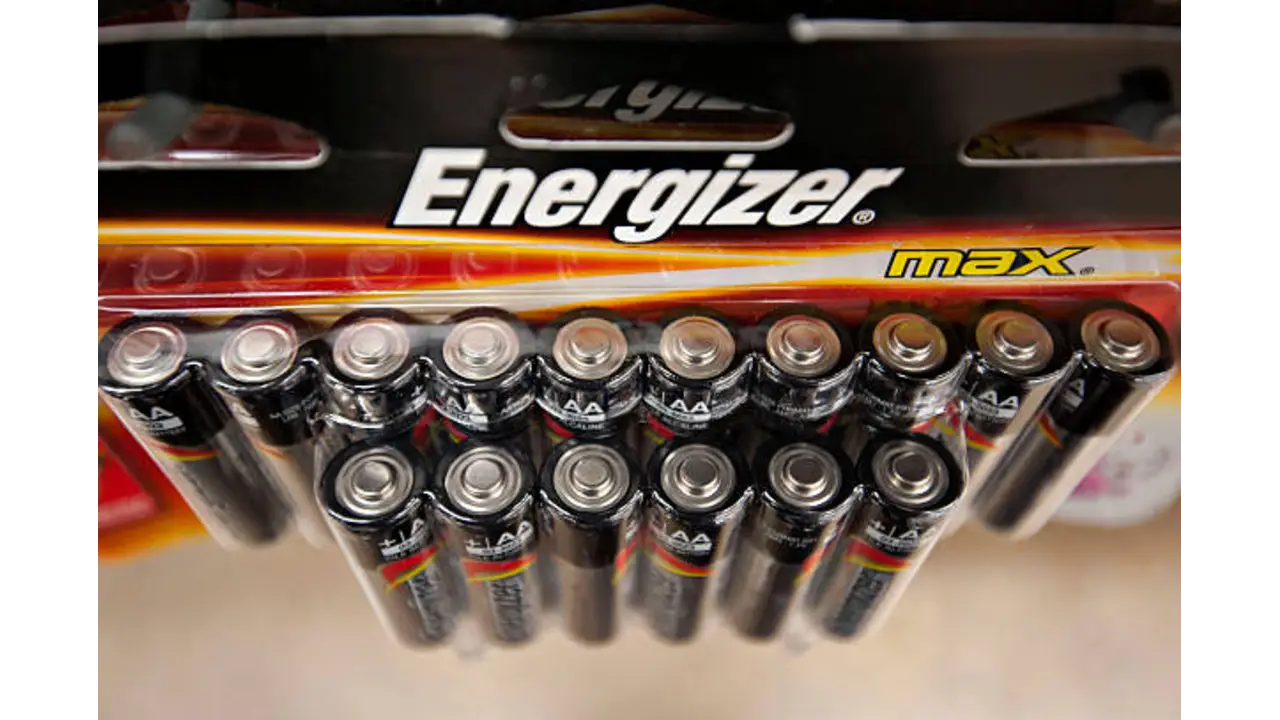
Introduction
In a Dubai hotel, batteries are not a minor consumable. They’re a guest experience item, a maintenance workload driver, and a quiet operational risk. A single dead remote can trigger a complaint. A low-battery door lock warning can turn into a late-night escalation. A thermostat that drops offline can lead to discomfort, room changes, and negative reviews. And when housekeeping carts aren’t equipped with the right spares, small issues become repeated engineering tickets.
The good news: hotels can reduce these problems dramatically by doing three things well:
-
Identify the correct battery type/code for each device category
-
Standardize on a tight set of SKUs (using Energizer batteries, Duracell batteries, or a controlled dual-brand policy)
-
Run a clean inventory system (engineering store + housekeeping cart kits + FEFO rotation)
This guide breaks down the most common hotel devices in Dubai—room remotes, door locks, thermostats, and housekeeping carts—and shows you how to pick the right batteries, reduce complaints, and keep operations predictable.
The Hotel Battery Ecosystem: What Actually Uses Batteries
A useful way to think about hotel batteries is by where they live:
Guest room devices
-
TV remotes / set-top box remotes
-
AC remotes
-
bedside clocks (property dependent)
-
smart thermostats or wall controllers (model dependent)
-
door locks (smart/e-locks, model dependent)
-
small sensors (occupancy sensors, door sensors—property dependent)
Back-of-house and staff devices
-
housekeeping devices (flashlights, small tools)
-
walkie-talkies and accessories (model dependent; some use rechargeable packs rather than standard cells)
-
engineering torches
-
scanners or handheld devices used for inventory/ops (property dependent)
-
safety and compliance devices (alarms, detectors—device dependent)
Your goal is to cover the most common needs with the fewest SKUs possible, while still supporting critical devices safely.

The 60-Second Method: Identify the Correct Battery Code Every Time
Before you order for the entire property, use this method to avoid wrong purchases:
-
Open the battery compartment on the device
-
Read the label inside (many devices print “AA,” “AAA,” or a coin cell code)
-
If no label, read the code on the old battery
-
Match exact code + voltage family
-
AA/AAA are typically 1.5V cells
-
Coin cells like CR2032 are typically 3V lithium
-
Button cells like LR44 are typically 1.5V (different family from CR-series)
Hotel rule: Coin cells are not “close enough.” If it says CR2032, don’t substitute CR2025 unless the device explicitly allows it.
Device-by-Device Guide (Hotel Practical Recommendations)
1) TV Remotes and Set-Top Remotes
What they typically use
Most hotel TV and set-top remotes use:
-
AA or AAA (depends on the remote model)
Operational best practice
-
Standardize on one brand and one line for AA and AAA wherever possible (either Energizer or Duracell as your main standard).
-
Replace batteries as a pair (or full set) rather than mixing old/new cells.
Why it matters
Remote issues are one of the most frequent guest-facing problems, and inconsistent battery stock causes inconsistent performance across rooms.
Recommended approach
-
Keep AAA widely available (many remotes are AAA-heavy)
-
Keep AA as a parallel standard for models that require it
-
Ensure housekeeping carts can handle basic remote swaps without waiting for engineering
2) AC Remotes
What they typically use
Many AC remotes commonly use:
-
AAA (often), but it varies by model
Operational best practice
-
Replace as a pair
-
Don’t mix brands or lines within the same remote
-
If a remote is used heavily and complains “dies fast,” confirm the correct battery size and check for old/new mixing
Recommended approach
Because AC remotes are high-impact for guest comfort:
-
keep a reliable standard AAA supply
-
include AC remote replacements in proactive room checks if complaints are frequent
3) Door Locks (Smart Locks / E-Locks)
Door locks are the highest escalation category because failure can lead to lockouts, security concerns, and urgent engineering calls.
What they typically use
Many electronic locks use:
-
AA batteries (quantity varies by lock model)
Some models use different formats, but AA is common.
Operational best practice for locks
-
Treat lock batteries as preventive maintenance, not reactive replacement.
-
Track lock warnings and implement a replacement policy:
-
replace batteries before they reach failure thresholds
-
avoid “wait until it dies” behavior
Do’s and don’ts
Do:
-
replace the full set (all cells inside the lock)
-
use consistent brand/line and fresh stock
-
keep lock battery kits accessible to relevant teams
Don’t:
-
mix old and new AAs in a lock
-
mix different brands inside the same lock
-
allow near-expiry stock to be installed (it increases early warning events)
Recommended hotel workflow
-
Engineering store holds bulk AA stock for lock replacements.
-
Housekeeping carts carry a limited “urgent kit” only if your policy allows housekeeping to handle basic swaps—or keep it as an engineering-only item if lock access is controlled.
4) Thermostats and Wall Controllers
Thermostats vary widely by model and building system, so this is a “check the label” category.
What they might use
-
AA or AAA (some models)
-
Coin cells (some models)
-
Some are wired and don’t require replaceable batteries at all
Operational best practice
-
Create a simple register of thermostat models by room type/floor and note required batteries.
-
For coin-cell thermostats, enforce “exact code only” and keep a small controlled stock.
Recommended approach
For most hotels:
-
AA/AAA cover a portion of thermostat/controller devices
-
coin cells are stocked only if the device audit proves usage
5) Sensors (Occupancy, Door/Window, IoT Devices)
Many hotels now have sensors tied to energy saving, occupancy detection, minibar tracking, or room automation. These are often coin-cell driven.
Common battery types
-
CR2032 is common
-
CR2025 appears in some devices
-
other coin cells may appear depending on system vendor
Operational best practice
Sensors fail quietly—then create tickets and automation errors. To manage them:
-
keep a device-to-battery list by sensor model
-
standardize coin cells by exact code
-
rotate stock using FEFO (first expiry first out)
Recommended approach
-
Keep CR2032 as a standard only if your hotel uses it
-
Add CR2025 only if your device audit confirms it’s needed
6) Housekeeping Carts and Housekeeping Tools
Housekeeping teams are the first line for many in-room issues, but they can only respond fast if carts are equipped properly.
What housekeeping carts should support
-
quick remote swaps (AA/AAA)
-
quick clock swaps (if used)
-
basic small-device needs as per your property
Hotel best practice: a “Room Battery Kit” per cart
Instead of random loose packs, define a consistent kit:
-
sealed, labeled AA pack (small quantity)
-
sealed, labeled AAA pack (small quantity)
-
optional: coin cell pack only if housekeeping devices require it (otherwise keep coin cells in engineering store)
This prevents:
-
carts hoarding random batteries,
-
mixed expiry stock hiding in drawers,
-
and repeated trips to engineering store for minor issues.
A note on radios and staff devices
Some staff devices use rechargeable packs rather than AA/AAA. Don’t force AA/AAA standardization onto devices that are designed for dedicated rechargeable systems. Instead, standardize the charging workflow and replacement packs separately.
7) Safety and Compliance Devices
This category depends heavily on your building and compliance setup.
What they might use
-
9V in some older alarm devices
-
AA in other models
-
some are hardwired with backup solutions
Operational best practice
Safety devices require strict control:
-
no substitutions without approval
-
verified shelf life
-
scheduled testing and replacement cycles
For compliance-sensitive devices, treat battery choice as policy-driven rather than convenience-driven.

Hotel Standardization: Choosing Between Energizer and Duracell
Many Dubai hotels standardize on one brand for consistency, then optionally approve a second brand as a controlled alternative.
Option A: Standardize on Duracell batteries
-
Works well when you want a clear corporate list and consistent performance.
-
If you’re deciding within Duracell lines, many hotels use a bulk-friendly baseline model for engineering store supply and keep limited retail-pack convenience stock only as an exception.
Option B: Standardize on Energizer batteries
-
Also a strong standardization approach, especially if your supply program is aligned to Energizer lines used in business purchasing.
Option C: Dual-approved brands (controlled)
Dual approval is common in large organizations for supply continuity, but it must be strict:
-
one primary baseline
-
one approved alternate
-
no random mixing at floor level
-
substitutions require approval
Hotel rule: Standardization matters more than brand debates. The chaos comes from mixing, not from choosing one strong brand.
The Recommended Standard SKU List for Dubai Hotels (Core + Optional)
Your hotel should aim to keep this list tight:
Core SKUs (almost every hotel)
-
AA alkaline (for locks, some remotes/controllers)
-
AAA alkaline (for many remotes and controllers)
These two cover most guest room incidents.
Common Optional SKUs (only if your device audit proves usage)
-
CR2032 coin cell (sensors, certain devices)
-
CR2025 coin cell (only if used)
-
9V (only if required by specific safety devices)
Conditional SKUs (only for specific properties)
-
LR44 if you have devices that use it
-
C/D if you use large torches
-
CR123A if you have camera/security devices requiring it
Key principle: Do not standardize what you don’t consume. Specialty SKUs create dead inventory if used rarely.
Replacement Cadence Strategy: Reduce Complaints and Tickets
Hotels often struggle because replacements happen only after failures. Instead, use a practical cadence strategy:
Remotes
-
Use complaint data: if remotes fail often, run a proactive replacement schedule.
-
Replace batteries in pairs/sets.
-
Don’t mix old/new.
Door locks
-
Use lock warning indicators and logs.
-
Replace full sets proactively to prevent guest disruptions.
Thermostats/controllers
-
Track device models by zone or floor.
-
Use scheduled checks for battery-driven controllers.
Sensors
-
Schedule periodic maintenance checks.
-
Maintain a sensor list with battery codes and replacement intervals.
Cadence doesn’t need to be perfect; it needs to be consistent enough to prevent high-friction incidents.
Inventory System for Hotels: Engineering Store + Housekeeping Kits
A hotel battery program works best when it’s structured into two layers:
Layer 1: Engineering store (bulk + control)
Engineering holds bulk stock:
-
cartons for AA/AAA
-
controlled coin cell inventory if needed
-
lock replacement stock kept secure
Engineering controls:
-
receiving inspection
-
expiry checks
-
FEFO rotation
-
monthly stock audits
Layer 2: Housekeeping carts (small kits + fast response)
Housekeeping carries:
-
small, sealed supplies for quick fixes
-
clearly labeled to prevent mixing
Housekeeping controls:
-
daily/weekly kit top-ups
-
no loose mixed batteries
-
returns of unused packs to prevent drawer hoarding
This two-layer model reduces response time without losing control of inventory.
Dubai-Specific Storage and Heat Handling Rules for Hotels
Dubai heat can punish poor storage and handling, especially when stock sits in loading areas or hot storerooms.
Storage best practices
-
store away from sunlight and hot zones
-
avoid loading bay storage “just for a few hours” during peak heat
-
keep cartons off the floor (shelves or pallets)
-
don’t crush cartons with uncontrolled stacking
-
keep partial cartons labeled and controlled
Rotation best practices
-
use FEFO (first expiry first out)
-
label cartons clearly with expiry month/year
-
avoid mixed expiry stock in one unmarked bin
Procurement acceptance rule
Set a minimum remaining shelf life requirement on delivery:
-
“Minimum remaining shelf life: ___ months.”
This protects you from aged stock that increases early failures and warning events.
Delivery and Billing Model: What Works for Dubai Hotels
Hotels usually operate best with a predictable supply rhythm:
Scheduled deliveries for core SKUs
-
weekly or bi-weekly replenishment for AA/AAA
-
reduces emergency purchases and substitutions
-
keeps stock fresh and consistent
Same-day delivery for true emergencies only
Same-day is helpful for:
-
unexpected spikes (events, occupancy surges)
-
sudden lock or device incidents
But it shouldn’t be your default procurement model.
Central billing and VAT invoice readiness
For hotel finance workflows, you want:
-
itemized VAT invoices
-
consistent line descriptions (brand + size + quantity)
-
delivery notes referencing departments or cost centers where needed
This reduces approvals friction and keeps procurement clean.
FAQs
Do hotel remotes usually use AA or AAA?
Both exist depending on remote model. Many use AAA, but TV and set-top remotes often vary. Check the device compartment label or the old batteries to confirm.
What batteries do hotel door locks use?
Many electronic locks use AA batteries, often multiple cells per lock. The exact number and type depend on the lock model, so confirm from the lock’s battery compartment or specifications.
Are coin cells like CR2032 interchangeable with CR2025?
Not by default. They are typically the same voltage family, but thickness differs. Use the exact code required by the device unless it explicitly supports alternatives.
Should a hotel standardize on Energizer batteries or Duracell batteries?
Both can work well. The bigger driver of success is standardization and inventory control: fewer SKUs, no substitutions, FEFO rotation, and a clear engineering + housekeeping kit workflow.
How do we plan stock levels for housekeeping carts?
Keep small, sealed AA/AAA kit quantities per cart and top up on a schedule. Avoid loose mixed batteries that hide expiry and create shrinkage.
Final Takeaway
A hotel battery program succeeds when it is designed like an operational system, not a last-minute purchase:
-
Standardize around AA and AAA first (most hotel needs)
-
Add coin cells and specialty SKUs only if your device audit proves usage
-
Use Energizer batteries or Duracell batteries as your consistent standard (avoid random mixing)
-
Run a two-layer inventory model: engineering store bulk control + housekeeping cart kits
-
Use FEFO rotation, shelf-life acceptance rules, and scheduled replenishment to keep stock fresh and predictable
Do this, and battery-related complaints and maintenance tickets drop—while housekeeping and engineering teams work faster with fewer escalations.
Related Blogs


Bose SoundLink Bluetooth Speaker
£50.00£60.00
Canon's press material for the EOS 5D states that it 'defines (a) new D-SLR category', while we're not typically too concerned
- Availability :In Stock