
 Locate Our Store
 +971 562162730
 AED
AED SAR
SAR KWD
KWD QAR
QAR BHD
BHD OMR
OMR


Battery Disposal for Businesses in Dubai: Practical Steps + What “Hazardous Waste” Means
Introduction
Batteries are one of the most common “silent consumables” in Dubai businesses. Offices go through AA/AAA for peripherals and meeting rooms. Hotels replace remote and door-lock batteries constantly. Facilities and security teams cycle coin cells in sensors, access control, and CCTV accessories. And warehouses often hold damaged returns, mixed packs, and specialty batteries that quietly pile up.
The disposal side is where many companies get exposed—because battery waste is not like paper waste. Even when the batteries are small, the risks are real:
-
Fire risk (especially from lithium and short-circuited batteries)
-
Leakage risk (electrolyte can damage surfaces and irritate skin)
-
Compliance and audit risk (poor segregation, no records, improper handover)
-
Reputational risk (for hospitality, healthcare, education, and corporate sites)
This guide explains, in practical terms, what “hazardous waste” means for battery disposal and gives a simple, repeatable SOP you can adopt across branches—whether you’re disposing of Energizer batteries, Duracell batteries, or mixed-brand stock.
Compliance note: Exact requirements and approved channels can change. Use this as an operational best-practice guide and confirm current rules with Dubai/UAE authorities and licensed waste contractors for your sector and site. Visit our Sea wonders shop at dubai or contact us through our official website.
What “Hazardous Waste” Means (Plain-English Definition)
In business operations, “hazardous waste” generally means waste that can harm people, property, or the environment if it’s handled like ordinary trash. Batteries are often treated as hazardous or controlled waste because they can:
-
Leak corrosive or irritating electrolytes
-
Short-circuit and overheat, potentially igniting nearby materials
-
Contain materials that require controlled recycling/disposal pathways
-
Become more dangerous when damaged, swollen, crushed, or wet
Key point for Dubai businesses:
Even if a battery “looks harmless,” the risk increases dramatically when batteries are collected in bulk, mixed together, stored in heat, or tossed loosely into bags where terminals can touch.
Battery Types You’ll See in Businesses (And Why They’re Treated Differently)
Not all batteries carry the same risk profile. A clean disposal process starts by knowing what you’re collecting.
1) Alkaline batteries (AA/AAA/C/D/9V)
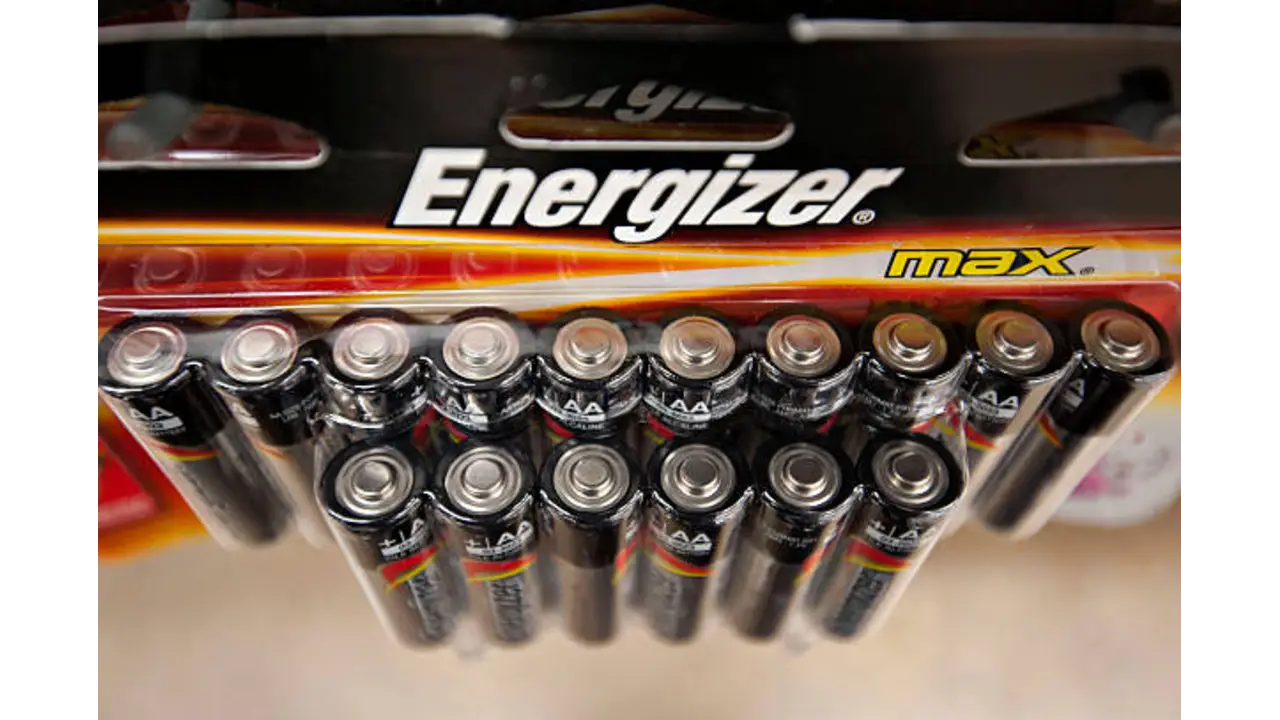
Common in offices, hospitality, and general operations (including many Duracell batteries and Energizer batteries lines). These are usually lower fire risk than lithium, but still require controlled handling at business volumes.
Business risk: leakage from aged/damaged cells; mixed-bin collection without terminal protection.
2) Lithium primary batteries (coin cells like CR2032, and specialty like CR123A)
Coin cells are common in sensors and devices; CR123A shows up in some security tools and equipment. These are higher risk than alkaline due to short-circuit heat and the way small cells can get lost and mixed.
Business risk: coin cells shorting in a mixed bin; child safety exposure if stored carelessly onsite.
3) Lithium-ion rechargeable packs (device batteries)
From handheld devices, radios, scanners, tools, and some security devices. These are typically the highest fire risk, especially if swollen, damaged, or returned in unknown condition.
Business risk: thermal runaway if damaged or stored improperly; serious incident potential in warehouses.
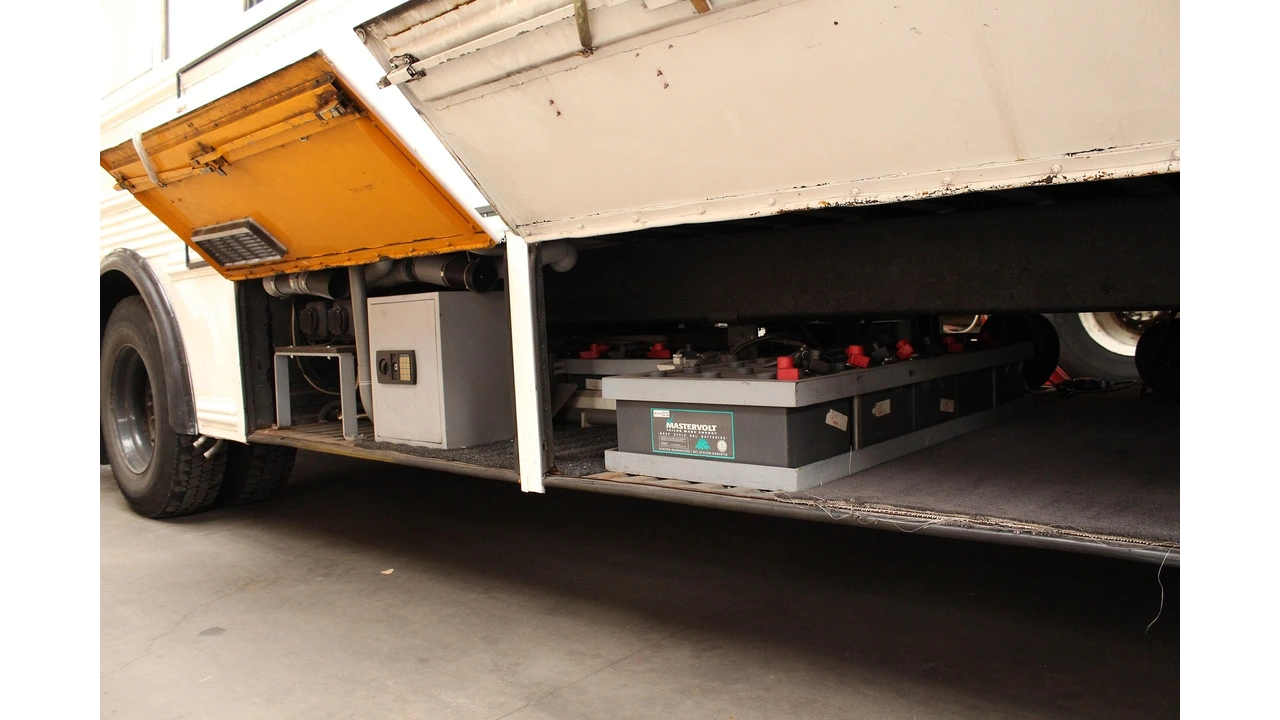
4) Lead-acid batteries (often UPS backup batteries)
These are heavy and handled through separate channels with licensed pickup/transport in most corporate contexts.
Business risk: weight, acid hazard, and compliance requirements; improper storage can lead to leaks and surface damage.
5) Damaged, leaking, wet, swollen, or crushed batteries (any type)
Treat as higher risk immediately—regardless of chemistry.
Business risk: contamination and injury risk; higher chance of heating events (lithium) or leaks (alkaline/lead-acid).

The Practical SOP: 7 Steps for Battery Disposal in Dubai Businesses
This SOP is designed to work for offices, hotels, warehouses, multi-branch retail, and FM/security teams.
Step 1: Audit what you generate (15 minutes that saves months of mess)
List what your business actually uses and returns:
-
AA/AAA (highest volume in most businesses)
-
9V (often in test devices or specific equipment; also short-circuits easily)
-
Coin cells (CR2032/CR2025/LR44, etc.)
-
Specialty lithium (CR123A, others if used)
-
Lithium-ion packs (from devices)
-
UPS/lead-acid (if you manage UPS backups)
Then mark which categories you have on-site:
-
Routine waste (AA/AAA, common coin cells)
-
High-risk waste (lithium-ion packs, damaged batteries, UPS)
Step 2: Segregate at the source (don’t fix it later—later never comes)
Segregation is the difference between “recycling program” and “unsafe mixed bin.”
Set up clearly labeled containers for:
-
Alkaline AA/AAA/C/D
-
9V batteries (separate container is strongly recommended)
-
Coin cells (CR-series, LR-series) – separate container
-
Lithium-ion packs / device batteries – separate container
-
UPS / lead-acid – stored separately for contractor pickup
-
Damaged/leaking/swollen – QUARANTINE container
If your operations are multi-site:
-
Put small bins at point-of-use (engineering store, IT room, security desk)
-
Consolidate to one central collection point per property/branch
Step 3: Make it safe (prevent short circuits—this is the big one)
Most battery incidents in collection bins happen because terminals touch.
Do this as standard practice:
-
Tape terminals for higher-risk items:
-
9V batteries (especially important)
-
lithium-ion packs
-
any loose lithium primary cells where terminals can contact
-
Keep coin cells contained (small boxes/sleeves/jars—never loose in a bag)
-
Don’t mix “loose batteries” with metal items (screws, tools, clips)
Simple rule you can train:
If it can touch another battery terminal, tape it or contain it.
Step 4: Store correctly (Dubai heat-aware storage rules)
Your collection bins become a “mini-warehouse.” Treat them that way.
Storage best practices:
-
Store in a cool, shaded, dry indoor area
-
Keep away from:
-
direct sun (near windows, loading bays)
-
heat sources and equipment rooms
-
flammable materials
-
Use closed containers with clear labels
-
For damaged/leaking batteries, use secondary containment (a sealed container inside a larger tray/bin)
What to avoid in Dubai:
-
leaving collection bins in a hot loading bay “temporarily”
-
storing lithium-ion returns in uncontrolled back rooms
-
mixing batteries in open cardboard boxes that can tip and spill
Step 5: Label and log (make it audit-proof)
A disposal program fails in audits when you can’t show traceability.
Minimum labeling on each container:
-
Battery type (e.g., “Alkaline AA/AAA”)
-
Site/department (e.g., “Engineering Store – Tower A”)
-
Start date (“Collection started: ___”)
-
Hazard flag where relevant (“Lithium-ion packs,” “Damaged/Quarantine”)
Minimum logging (simple spreadsheet or notebook):
-
Date container started
-
Estimated quantity (count or approximate weight)
-
Storage location
-
Handover date
-
Contractor/collector details
-
Transfer note / receipt reference (when provided)
Step 6: Handover through the right channel (licensed and appropriate for your waste)
For business volumes and higher-risk categories, use an authorized or licensed waste handler and follow their packaging instructions.
Operational best practice:
-
Schedule pickups (monthly/quarterly) rather than letting stock sit indefinitely
-
Consolidate multi-branch waste to reduce cost and reduce onsite risk
-
Keep damaged/lithium-ion categories on a tighter pickup rhythm
Step 7: Keep documentation (this is where companies get caught)
If you want your process to survive compliance checks, keep:
-
Waste transfer notes / handover receipts (from the collector/contractor)
-
Internal sign-off (EHS/FM/warehouse lead)
-
Incident notes (if you had leaks or damaged batches)
-
Photos of labeled bins (optional but helpful for audits)
Documentation turns “we recycle” into “we control and manage waste.”
Special Cases You Must Handle Carefully
1) Leaking alkaline batteries (common in storerooms and old devices)
What to do:
-
Wear basic PPE (at minimum gloves)
-
Do not wipe with bare hands
-
Place leaking cells into a sealed container labeled “Leaking – Quarantine”
-
Keep them separate from other batteries
Why: leakage can irritate skin and damage surfaces; mixing leaking cells can contaminate the whole bin.
2) Swollen lithium-ion packs (highest risk category)
What to do:
-
Do not crush, puncture, or compress
-
Isolate immediately into a designated container
-
Keep away from flammables and heat
-
Arrange priority handover per contractor guidance
Why: swollen packs can be unstable and are the category most associated with serious incidents.
3) 9V batteries (short-circuit risk)
9V terminals are easy to short against other metal, especially in mixed bins.
Rule: store 9V separately and tape terminals where possible.
4) Coin cells (CR2032, CR2025, LR44)
Coin cells are small and can get lost in toolkits and drawers.
Rules:
-
Store in a dedicated container, not loose
-
Keep away from public/guest-accessible areas
-
Treat mixed loose coin cells as higher risk for shorting and loss
These should be managed under a separate contractor pickup plan. Don’t mix into general battery bins.
Rule: keep them in a designated area, protected from leaks and physical damage, awaiting licensed pickup.

What a Simple Company Policy Should Include
To make this program stick across teams, write a one-page internal policy. Keep it practical.
Your policy should define:
-
Approved battery waste categories (alkaline, coin cells, lithium-ion, UPS, quarantine)
-
Bin locations (engineering store, IT room, security, warehouse returns area)
-
Responsible roles:
-
Site owner (FM/engineering lead)
-
Warehouse/returns owner (for damaged packs)
-
EHS/compliance owner (for documentation)
-
Handling rules:
-
no batteries in general trash
-
terminal taping rules
-
quarantine rules for damaged/leaking/swollen
-
Pickup schedule:
-
monthly/quarterly or by volume threshold
-
Training:
-
onboarding for staff who handle returns or maintenance swaps
-
refresher training for warehouse and security teams
Pro tip: If you stock large volumes of Energizer batteries and Duracell batteries, standardizing your battery SKUs also reduces the variety of waste streams and makes segregation easier.
Practical Operations Planning for Dubai Businesses
Don’t “store forever”
The longer used batteries sit onsite, the higher the risk:
-
leaks, mixing, and “mystery bins”
-
fire risk for lithium-ion returns
-
failed audits due to poor traceability
Set thresholds like:
-
Pickup when a bin reaches a certain fill level
-
Pickup every month (high volume) or quarter (lower volume)
-
Immediate pickup triggers for swollen lithium-ion batches
Centralize collection for multi-branch businesses
If you have multiple sites:
-
Use small site bins for day-to-day collection
-
Consolidate to a central location for scheduled pickup
This reduces contractor cost and improves control.
Keep disposal aligned with replacement cycles
If you run preventive replacement schedules (door locks, sensors, remotes), schedule waste pickups shortly after planned replacements. You’ll avoid overfilled bins and messy storage.
FAQs
Are used AA/AAA alkaline batteries “hazardous waste” in Dubai?
Businesses should treat battery waste as controlled waste and follow safe collection and recycling/disposal channels. Even common alkaline AA/AAA can leak or contaminate if collected in bulk and mixed improperly.
Are coin cells (CR2032) hazardous?
Coin cells should be treated with extra care because they can short-circuit and are easy to lose or mix. Store them in a dedicated container, keep them sealed/contained, and hand over through appropriate channels.
What makes lithium batteries more dangerous to store?
Lithium and lithium-ion batteries can overheat if short-circuited or damaged. Lithium-ion packs—especially swollen or crushed—carry the highest risk and should be isolated and handed over quickly.
Can businesses throw batteries in general waste?
For businesses, it’s best practice to avoid disposing batteries in general waste. Segregate and hand over via appropriate recycling/disposal channels with documentation—especially for lithium-ion and bulk quantities.
How should we store damaged or leaking batteries?
Isolate them in a sealed, labeled quarantine container, use basic PPE, keep them away from heat and flammables, and arrange appropriate handover.
Does this apply to used Energizer batteries and Duracell batteries?
Yes. Disposal best practices are driven by battery type and condition, not the brand. Whether your sites use Energizer or Duracell, the segregation, safety, and documentation steps remain the same.
Final Takeaway
For Dubai businesses, battery disposal is not just an environmental issue—it’s a safety and compliance process. The winning approach is simple and repeatable:
-
Audit what you generate
-
Segregate by battery type
-
Prevent shorts (tape terminals, contain coin cells)
-
Store safely (cool, shaded, controlled)
-
Label and log for traceability
-
Hand over through appropriate licensed channels
-
Keep documents to survive audits and reduce risk
Done well, battery disposal becomes routine—just like procurement—rather than a last-minute scramble with mixed bins, unknown returns, and unnecessary risk.
Related Blogs


Bose SoundLink Bluetooth Speaker
£50.00£60.00
Canon's press material for the EOS 5D states that it 'defines (a) new D-SLR category', while we're not typically too concerned
- Availability :In Stock